

Florida Personal Injury Law | Igor Hernandez
Can You Sue the Family of a Drunk Driver?
When a loved one is hurt or killed by an impaired driver, the questions come fast.
By CHG Lawyers · Published October 14, 2026
The drunk driver themselves is the primary liable party for injuries or death they cause while impaired. However, narrow exceptions exist: a person or business that served the driver alcohol, or a family member who knowingly let an intoxicated person use their vehicle, may share liability under Florida law.
Who Is Liable When a Drunk Driver Causes an Accident?
The drunk driver is responsible for their own choice to drive impaired and the harm that results.
When someone is injured or killed by a drunk driver, the driver who made the decision to get behind the wheel while intoxicated is the party legally liable for damages. Liability comes from the driver’s own negligent and reckless conduct—not from family ties. The law holds people accountable for their own actions.
The drunk driver’s personal assets and, more importantly, their auto insurance policy are the typical sources of compensation for victims. If the driver has minimal assets, their insurance coverage becomes the practical way to recover. This is why understanding insurance limits and available coverage is critical in these cases.
If you have suffered injury or loss, you may have a claim against a drunk driver, depending on the facts of your case. Talk it through with our team — the first consultation is free, confidential, and carries no obligation.
When Can Family Members Be Held Responsible?
Dram Shop Liability
Fla. Stat. § 768.125 may apply where a person willfully and unlawfully serves alcohol to someone under 21, and in some situations where a person knowingly serves someone known to be habitually addicted to alcohol. Whether it applies depends on the facts of each case. This is sometimes called dram shop liability.
Negligent Entrustment
This is called negligent entrustment.
Parental Liability
Is It Worth Suing a Drunk Driver?
If you have suffered injury or loss, you may have a claim against a drunk driver, depending on the facts of your case. No outcome can be promised.
Whether a driver’s conduct was careless or unlawful depends on the facts of each case. This may make them liable for damages, depending on the facts of the case. Whether it’s “worth” suing depends on the severity of your injury, the available insurance coverage, and the driver’s assets.
Compensation in a drunk driving case may cover:
- Medical bills and ongoing rehabilitation
- Lost wages and lost earning capacity
- Permanent disability or disfigurement
- In fatal cases, funeral expenses, lost financial support, and loss of companionship
Even if the driver has limited personal wealth, their insurance obligation may be substantial. A lawyer can evaluate the specific facts—the nature and extent of your injuries, the driver’s insurance limits, and other factors—to advise whether pursuing the claim makes financial sense.
What Compensation Can You Recover?
Damages in a drunk driving case fall into several categories.
Economic Damages
These are out-of-pocket losses: medical expenses, rehabilitation costs, lost income, ongoing care, and property damage. These are often the easiest to prove and quantify.
Non-Economic Damages
Non-economic damages are harder to quantify. In Florida motor-vehicle claims, they generally require meeting the permanent-injury threshold in Fla. Stat. § 627.737(2), and comparative fault may limit recovery (Fla. Stat. § 768.81(6)).
Punitive Damages
Whether punitive damages may be available depends on the facts of each case. Gross negligence means conduct so reckless it showed conscious disregard for others’ safety, or intentional misconduct. Whether drunk driving meets this threshold depends on the facts of each case.
Wrongful Death Damages
If the drunk driver killed someone, the family may bring a wrongful death claim.
The types of damages that may be recoverable in a Florida wrongful-death claim depend on the facts of each case. The surviving spouse may also recover for mental pain and suffering; minor children and parents (in certain circumstances) may recover as well.
How Do You Recover Compensation From a Drunk Driver?
The process typically begins with a claim and may proceed to a lawsuit if necessary.
Step 1: File an Insurance Claim
Report the accident to the drunk driver’s auto insurance company. Provide the police report, medical records, and documentation of your damages. The insurer will investigate and either accept or deny the claim.
Step 2: Negotiate a Settlement
If the claim is accepted, the insurer may offer a settlement. Your attorney may negotiate with the other side about any offer, but no particular result can be promised, and each case differs.
Step 3: File a Lawsuit (if necessary)
If the insurer denies the claim or offers an inadequate settlement, your attorney can file a civil lawsuit against the drunk driver.
Step 4: Discovery and Evidence Gathering
Your attorney will obtain police reports, toxicology results, witness statements, medical records, and any other evidence that proves the driver was impaired and caused your injury.
Step 5: Settlement or Trial
Many cases settle during negotiations or mediation. If the case does not settle, it proceeds to trial, where a jury decides liability and the amount of damages.
Do I Need a Lawyer to Sue a Drunk Driver?
Deciding whether to hire a lawyer is a personal choice that depends on your situation.
Insurance companies and defense attorneys are experienced in minimizing payouts. An attorney levels the playing field, handles all investigation and negotiation, and protects your rights.
Igor Hernandez, a member of The Florida Bar, is the lawyer responsible for this page, and his Florida-based firm, CHG Personal Injury Lawyers, charges no attorney’s fees and no case costs if there is no recovery. An attorney can also help identify the parties who may be liable (the driver, the dram shop that served them, the vehicle owner, etc.) and the potential sources of compensation.
Not sure what your next step is?
Talk it through with our team — the first consultation is free, confidential, and carries no obligation.
What If the Drunk Driver Doesn’t Have Insurance?
Uninsured or underinsured drivers present a challenge, but you still have options.
Your own uninsured motorist (UM) coverage may cover your damages. UM coverage is designed to protect you when the at-fault driver lacks adequate insurance. If you have UM coverage, you can file a claim with your own insurer.
You can also sue the drunk driver directly, though collecting a judgment may be difficult if they lack significant assets. An attorney can explore all available recovery options in your specific situation.
Wrongful Death: When a Drunk Driver Kills Someone
If a loved one was killed by a drunk driver, Florida’s wrongful death law, Fla. Stat. § 768.20, generally allows a claim to be brought by the decedent’s personal representative on behalf of the survivors, depending on the facts of the case.
Under Florida law (Fla. Stat. § 768.19), when a death is caused by someone’s wrongful act or negligence, the person or entity that would have been liable if the victim had survived remains liable—even though death occurred. Under Fla. Stat. § 768.20, a wrongful death claim is generally brought by the decedent’s personal representative on behalf of the survivors.
Drunk driving deaths are among the most catastrophic outcomes. The law recognizes the profound harm to the family left behind and provides a path to hold the responsible party accountable and recover compensation for the family’s losses. An attorney can guide your family through this process with care and fight for the full compensation you deserve.
What Evidence Proves a Driver Was Drunk?
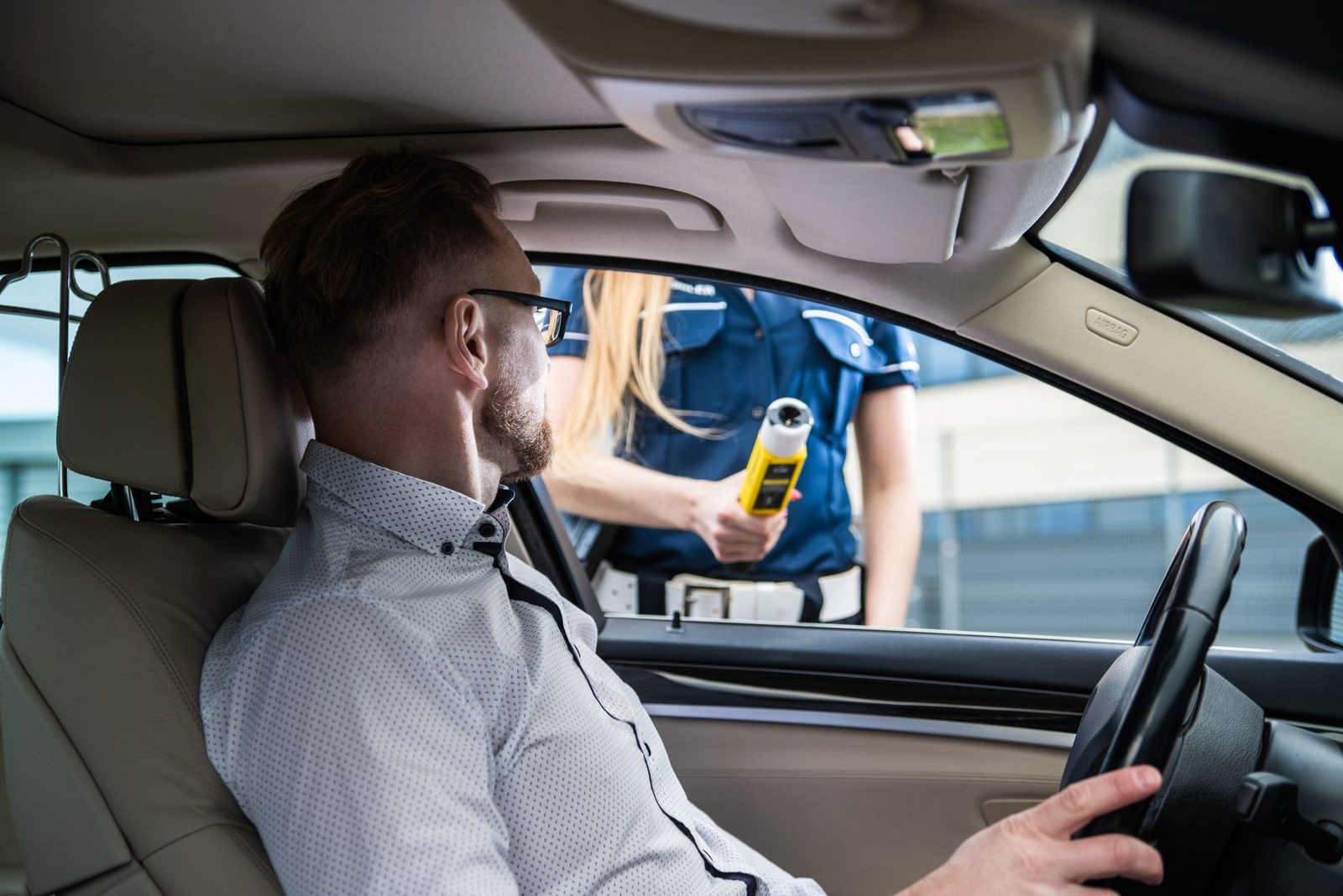
Evidence of impairment may be relevant to a claim, depending on the facts of the case.
- Police report and arrest records
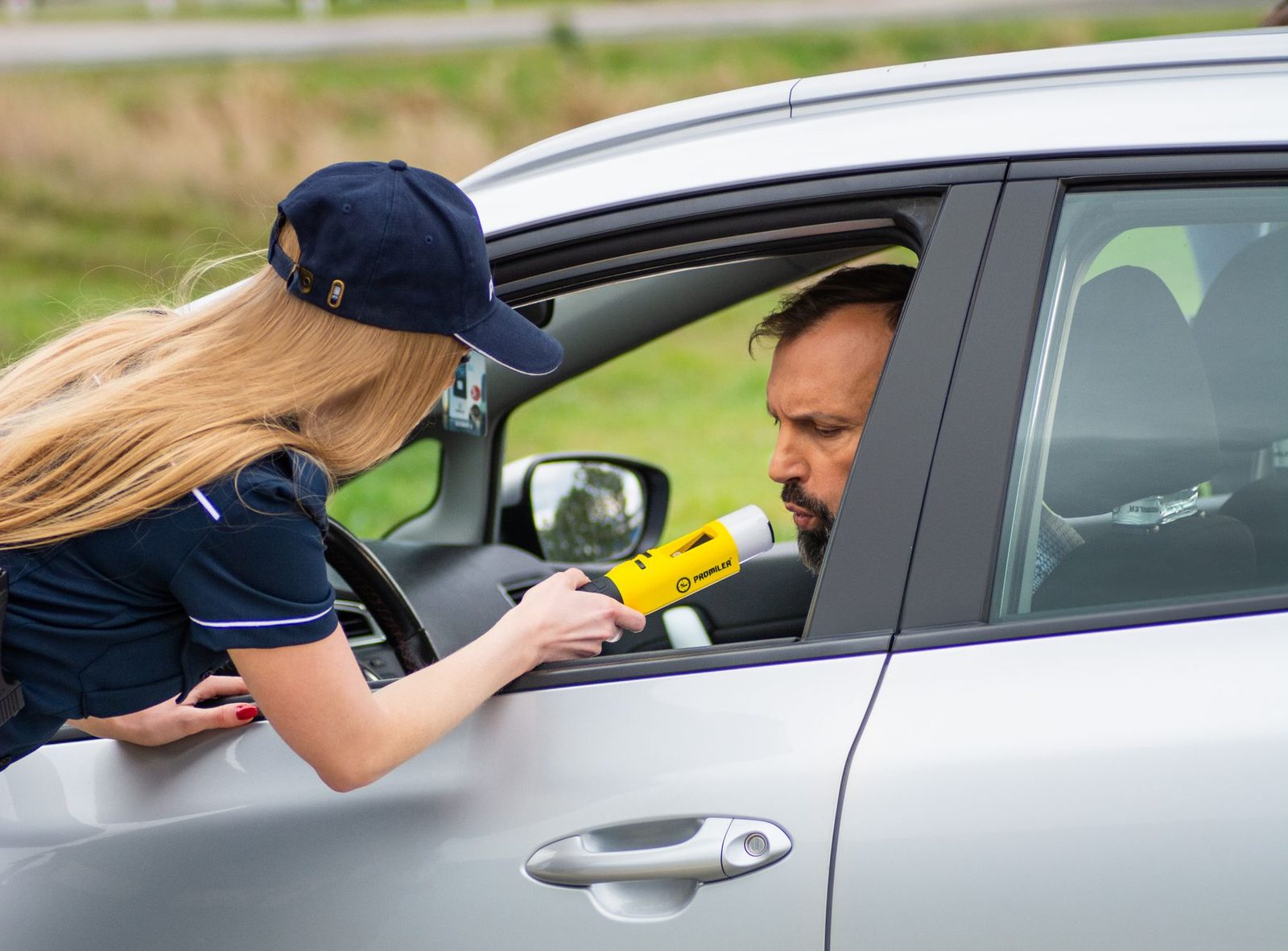
- Breathalyzer or blood-alcohol test results
- Field sobriety test results
- Witness statements describing the driver’s behavior (slurred speech, unsteady gait, erratic driving)
- Toxicology reports
- A DUI or DWI conviction
Your attorney can obtain and analyze all available evidence to build a strong case.
How Long Do You Have to Sue a Drunk Driver?
Time limits are strict and vary by claim type.
In Florida, the statute of limitations for most personal injury claims is generally two years from the date of injury. Missing a filing deadline may affect your claim. Whether it does depends on the facts of your case and on any applicable exceptions, such as tolling rules.
Contact an attorney as soon as possible to ensure your rights are protected and your claim is filed in time.
Have questions about what happened?
Ask our team directly. The first conversation is free, confidential, and there is no obligation to continue.
Frequently Asked Questions
Can you sue a drunk driver’s family if the driver has no assets?
Who may be a proper party to a civil claim depends on the facts of each case. However, the driver’s auto insurance is typically available regardless of personal assets. If the driver is uninsured, your own uninsured motorist coverage may apply.
What is the difference between a criminal DUI case and a civil lawsuit?
Every crash involving a driver suspected of impairment is different, and the details of what happened may matter when you consider your next steps. A civil lawsuit is brought by the injured person and seeks money damages. Both can proceed separately.
Can you recover punitive damages in every drunk driving case?
No. Punitive damages require clear and convincing evidence of gross negligence or intentional misconduct. Under Fla. Stat. § 768.72, whether a drunk-driving case meets the standard for punitive damages depends on the facts of each case, and the party seeking punitive damages must make the required showing to the court.
If I was partially at fault for the accident, can I still recover?
Florida’s comparative fault rule may affect your recovery if you were partially at fault, and how it applies depends on the facts of each case (Fla. Stat. § 768.81(6)). Under Fla. Stat. § 768.81(6), for negligence actions filed after March 24, 2023, a plaintiff found more than 50% at fault generally may not recover damages, subject to exceptions.
If you or a loved one was injured or killed by a drunk driver, the path forward may feel overwhelming. You may have a claim for compensation, and you don’t have to navigate it alone. Reach out to discuss what happened and what your options are.
Questions Families Often Ask
Civil claims are separate from criminal cases
The two can proceed on different paths.
Insurance is often the first question
Auto insurance coverage may be relevant to who can pay a claim. Whether coverage applies, and how much is available, depends on the policies involved and the facts of the crash.
Your family's losses matter
Each case is different, and results are not guaranteed.
Every Case Is Different
Whether a family member or other party can be held responsible depends on the specific facts of the crash, the parties involved, and applicable Florida law. Please do not assume a claim is or is not available until the facts have been reviewed.
How We Can Help
Review the facts
We look at the crash, the available insurance, and any information about how the driver came to be impaired and who may have been involved.
Protect your rights
Acting early can help preserve evidence and important information. Contact us as soon as you can to discuss your situation.