
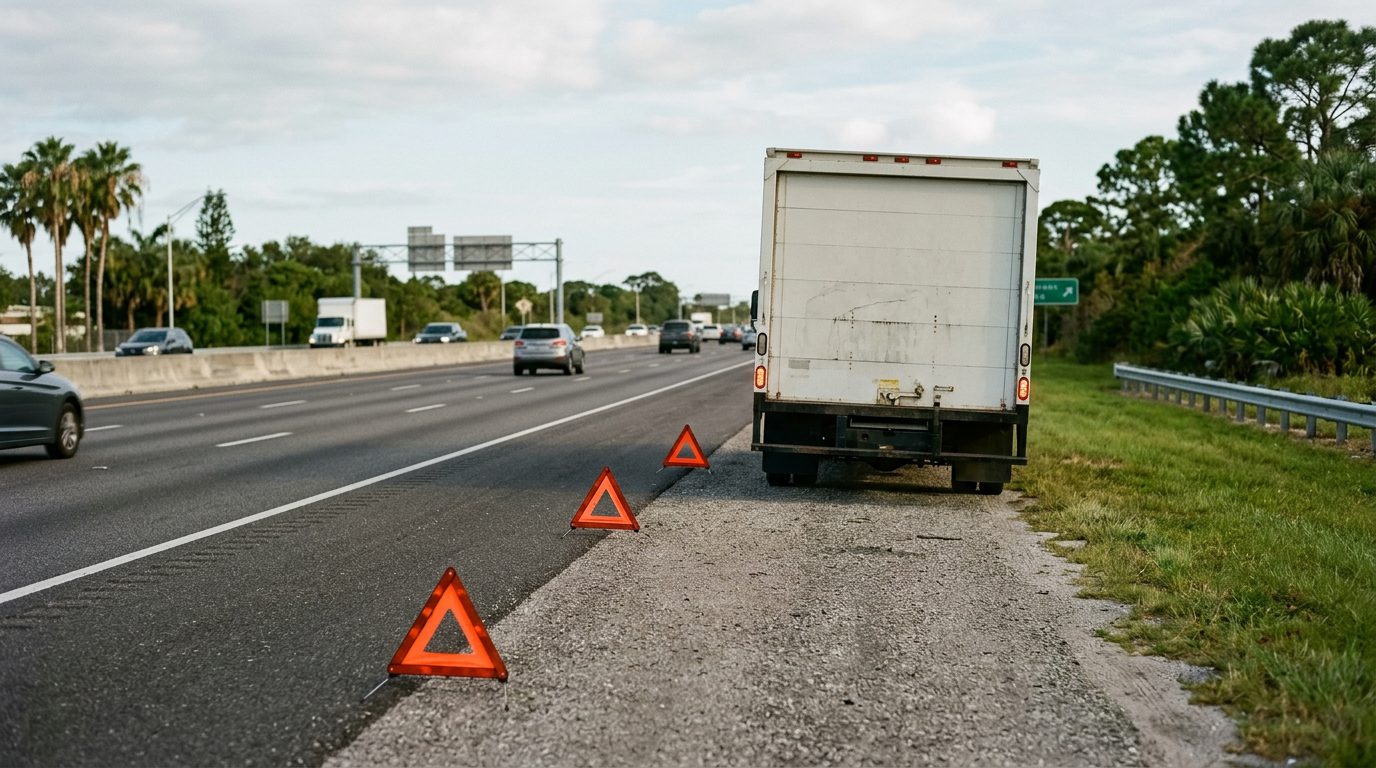
Florida FedEx Truck Accident Claims
Rear-Ended by a FedEx Truck in Florida? You Don't Have to Handle the Claim Alone
A rear-end crash with a large delivery truck can leave you with serious injuries, mounting bills and a lot of questions. CHG Personal Injury Lawyers helps Florida families understand their options, starting with a free, confidential consultation with no obligation to continue.
Why Floridians Call CHG
Florida
Florida-based firm serving clients throughout the state
Free
Confidential first consultation, no obligation to continue
Licensed
Attorneys admitted to The Florida Bar
By CHG Lawyers · Published November 5, 2026
What Happens When a FedEx Truck Rear-Ends You in Florida
If a FedEx truck rear-ends your car, SUV, motorcycle or work vehicle in Florida, you may have a claim against the people responsible. A truck is far heavier than the vehicle it hits, so even a moderate-speed crash can cause serious harm.
Stop-and-go traffic on busy roads like Interstate 4 and Florida’s Turnpike is one setting where these crashes happen. This page is for the injured driver or passenger. It’s also for the spouse, parent, adult child or friend helping them decide what comes next.
Many readers are still hurting. Others are fielding calls from insurance companies or caring for someone they love. Injuries from this kind of impact can include neck and back injuries, head injuries and, in severe cases, paralysis or death. Follow your doctors’ care plan. This page doesn’t offer medical advice.
If a FedEx truck hit you from behind, you may have a claim, and you don't have to sort out the insurance calls alone. Talk it through with our team — the first consultation is free, confidential, and carries no obligation.

Who May Be Responsible for a Rear-End Crash With a FedEx Truck
Several people or companies may share responsibility after a FedEx truck rear-ends a vehicle. Every case depends on its own facts, and the details of what happened matter.
- The operating company. Many FedEx routes are run by contractors or subcontractors. The company that runs the truck can differ from the name on its side, so identifying it early matters.
- Other parties. If a defective part or a poor repair played a role, the maker or repair provider may be relevant.
Florida divides fault by percentage. Under Fla. Stat. § 768.81, a court enters judgment against each liable party based on that party’s share of fault. The law doesn’t make one party pay the whole amount.
What a Claim Can Cover After a Rear-End Truck Crash
A claim can seek compensation for the losses the crash caused, from medical bills to lost income. Florida’s no-fault insurance rules also shape what you can claim in a lawsuit.
- Medical bills, including emergency care, imaging, surgery, rehabilitation, medication and future care your doctors recommend. PIP medical benefits cover eighty percent of all reasonable expenses for medically necessary medical, surgical, X-ray, dental, and rehabilitative services if the individual receives initial services and care within 14 days after the motor vehicle accident, with medical and disability benefits together limited to $10,000.
- Lost income, and lost ability to earn later if injuries limit your work.
- Property damage to your vehicle and personal belongings.
- Pain and suffering, meaning physical and emotional harm. Florida limits this for car and truck crashes. Under Fla. Stat. § 627.737, it’s recoverable only if the injury includes significant and permanent loss of an important bodily function, permanent injury within a reasonable degree of medical probability (other than scarring or disfigurement), significant and permanent scarring or disfigurement, or death.
Personal injury protection (PIP) pays early bills. Under Florida’s personal injury protection (PIP) law, Fla. Stat. § 627.736 provides medical benefits of eighty percent of all reasonable expenses for medically necessary services when the individual receives initial services and care within 14 days after the motor vehicle accident, within a limit of $10,000 in medical and disability benefits.
If a crash kills someone, Florida’s wrongful death law lets survivors bring a claim. A surviving spouse may recover for lost companionship and mental pain and suffering. Minor children may recover for lost parental guidance.
Why Truck Rear-End Claims Often Take More Work
Truck claims usually involve more records and more parties than an ordinary car crash. Federal trucking rules set record-keeping and testing steps that can matter a great deal. Florida Highway Patrol’s commercial vehicle safety enforcement covers truck-specific safety rules, inspections and enforcement.
- Duty-status and electronic logging records. Federal rules require drivers to record duty status for each 24-hour period. They also bar anyone from tampering with an electronic logging device so it stops recording accurately. See 49 C.F.R. § 395.8.
- Drug and alcohol testing. After a crash involving a loss of human life, the employer must test each surviving driver for alcohol. Some injury and tow-away crashes also trigger testing. Alcohol tests should be given as soon as practicable after the crash. If a test is not administered within two hours, the employer must prepare and keep a record stating the reasons. If a test is not administered within eight hours, the employer must stop trying to give it, and the record must be kept. See 49 C.F.R. § 382.303.
- See 49 C.F.R. § 379.3. Early requests help make sure key records still exist.
- Insurance contact. Insurers may reach out quickly. Talk with a lawyer before giving a recorded statement or accepting an offer.
- Reconstruction. Accident reconstruction professionals can analyze speed, braking and following distance. Medical reviews can explain how injuries occurred.
Florida Rules That Shape a Rear-End Truck Claim
Florida’s filing deadline and its fault rules are two of the most important rules to know early. Both can decide whether a claim moves forward.
- Two-year deadline. For negligence claims that accrued after March 24, 2023, Florida law sets a two-year period to file suit.
- The 50 percent rule. Under Fla. Stat. § 768.81, a party found more than 50 percent at fault for their own harm may not recover any damages.
Deadlines apply to every claim. The sooner you speak with a lawyer, the more time there is to gather proof.
How the Claim Process Works, Step by Step
A claim usually moves from medical care to evidence gathering, a settlement demand, and then either a settlement or a lawsuit. Timelines vary with the injury and the parties involved.
- Get medical care and follow your doctors’ plan. Early treatment also matters for PIP benefits.
- Keep your records. Save the police report, photos, witness names, medical bills, pay stubs and a simple daily note about your pain and limits.
- Be careful with the insurer. Talk with a lawyer before accepting any offer or giving a recorded statement to the trucking company’s insurer.
- Investigate and preserve evidence. The firm reviews the crash, requests truck and company records, and identifies every party that may be responsible.
- Document your losses. Medical bills, lost income and other damages are gathered, and a settlement demand is prepared.
- Resolve the claim. Some claims settle. Others go to court in Florida. You decide whether to accept any offer.
Not sure what your next step is?
Talk it through with our team — the first consultation is free, confidential, and carries no obligation.
Common Questions About Rear-End FedEx Truck Claims in Florida
Most rear-end truck claims turn on evidence, fault and timing. Here are short answers to common questions.
Can I still have a claim if the driver says I stopped suddenly?
Yes. The driver’s first account doesn’t decide fault, and photos, records and witness statements help show what happened.
Do I need a police report?
A police report is useful evidence. If none was made, gather photos and witness names as early as you can.
What if I was partly at fault?
Florida law bars recovery only when you’re found more than 50 percent at fault for your own harm.
Can a family bring a claim if someone died?
Yes. Florida’s wrongful death law lets survivors seek damages, and the family’s needs come first when deciding next steps.
How long do I have to file?
Florida generally allows two years for negligence claims, so contact a lawyer promptly.
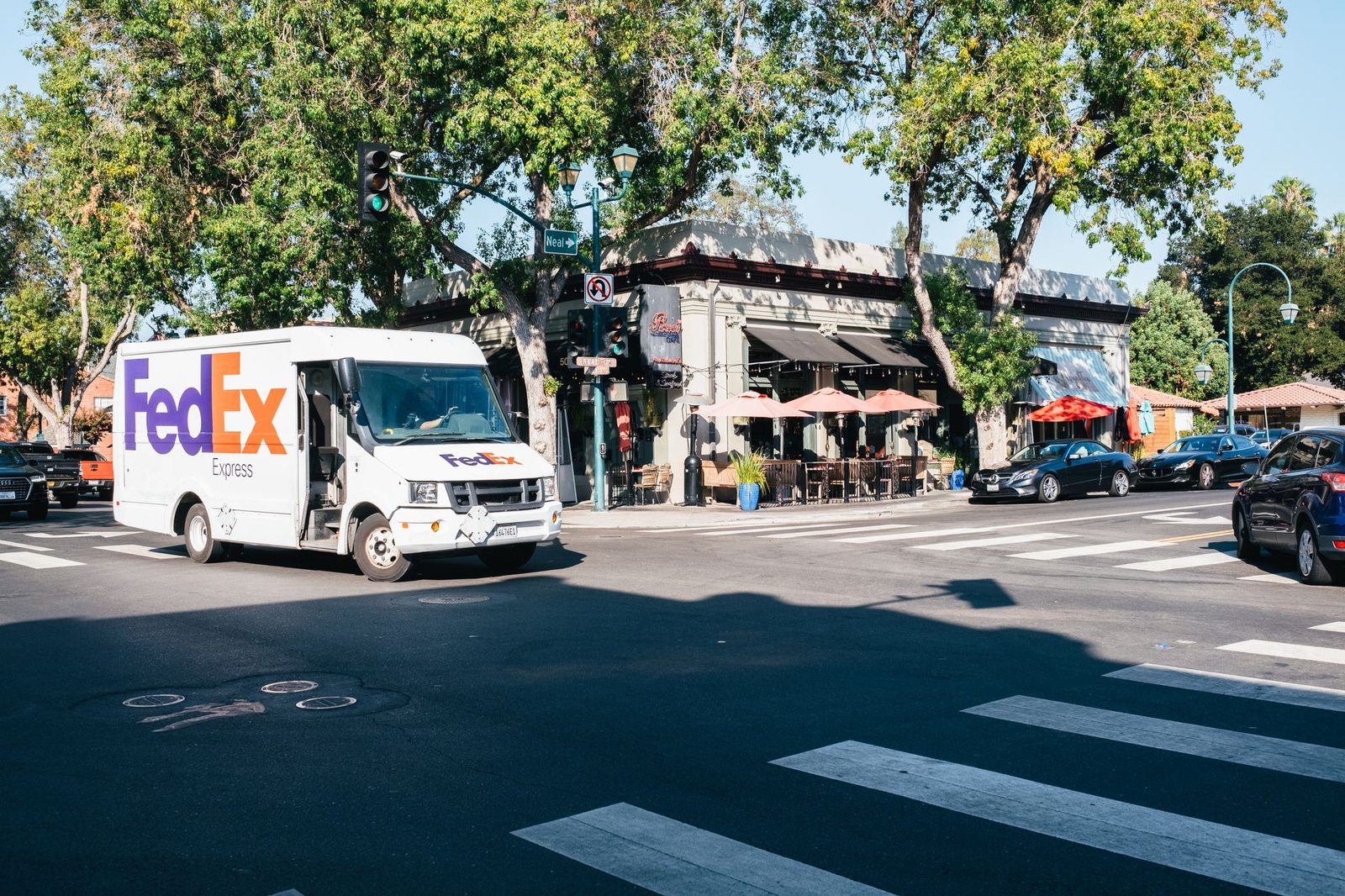
Talk With CHG Personal Injury Lawyers About Your FedEx Truck Crash
If a FedEx truck hit you from behind, you may still be hurting or dealing with insurance calls. You may also be wondering whether a claim is worth pursuing. You don’t need to be ready to hire anyone to ask questions.
CHG Personal Injury Lawyers is a Florida-based personal injury firm. Our attorneys are admitted to The Florida Bar. Igor Hernandez is the responsible attorney for this page. The firm represents people hurt in car, truck and other accidents throughout Florida, including Miami, Orlando, Tampa and Jacksonville.
CHG charges no attorney’s fees and no case costs unless there is a recovery. Our first consultation is free, confidential and comes with no obligation to continue.
If a FedEx truck rear-ended you, you may have a claim, and you don’t have to face the next steps alone. Request your free case evaluation.
How CHG Can Help After a FedEx Truck Crash
Building the Record
We help gather police reports, photos, dashcam footage, vehicle damage records and witness names before they are lost.
Dealing With the Insurer
We handle communications with FedEx and its insurance representatives so you can focus on recovering.
Understanding the Full Impact
Our team takes time to look at medical treatment, lost income and the daily challenges your family faces.
Clear Updates
We explain each step in plain language so you always know where your case stands.
Important: Be Careful Before You Speak to the Trucking Company
Insurance representatives may call soon after a crash and ask for a recorded statement. Before you give one, or sign any form, talk with a lawyer. Seek medical care right away and follow your doctor's instructions.
What to Do Right After a Rear-End Crash
Get Medical Care
Some injuries, including neck, back and head injuries, may not show symptoms right away. Keep every appointment and follow your doctor's care plan.
Document the Scene
If you can do so safely, photograph the vehicles, the damage, the road and any visible injuries. Write down the time, weather and what you remember.
Collect Names and Reports
Get the names and phone numbers of witnesses, the FedEx driver's details and the police report number if an officer responded.
Call a Florida Lawyer
Share what happened with the CHG team. We will review your situation and answer your questions at no cost to you during the free consultation.