
Car Accidents | Serving Florida
Back Pain After a Car Crash? Get It Checked, and Know Your Options
Pain that appears hours or days after a collision is common, and it deserves attention from the start. Here is how to protect your health and your claim while you recover.
Why Florida Clients Call CHG
Florida
Florida-based personal injury firm
Licensed
Attorneys admitted to The Florida Bar
Free
Confidential first consultation
By CHG Lawyers · Published November 15, 2026
Why does my back hurt after a car crash?
Why does my back hurt after a car crash? Back pain does not always appear at the moment of impact, and understanding that timing is a useful first step. Back pain after a car crash often comes from the force of the impact on muscles, joints, and spinal discs, and it can take hours or days to appear.
This guide explains the common causes, the warning signs that need prompt medical care, and the Florida rules that can matter if you bring a claim. It is written for injured drivers, passengers, and pedestrians, and for family members helping someone they love.
Not sure what your next step is?
Talk it through with our team — the first consultation is free, confidential, and carries no obligation.
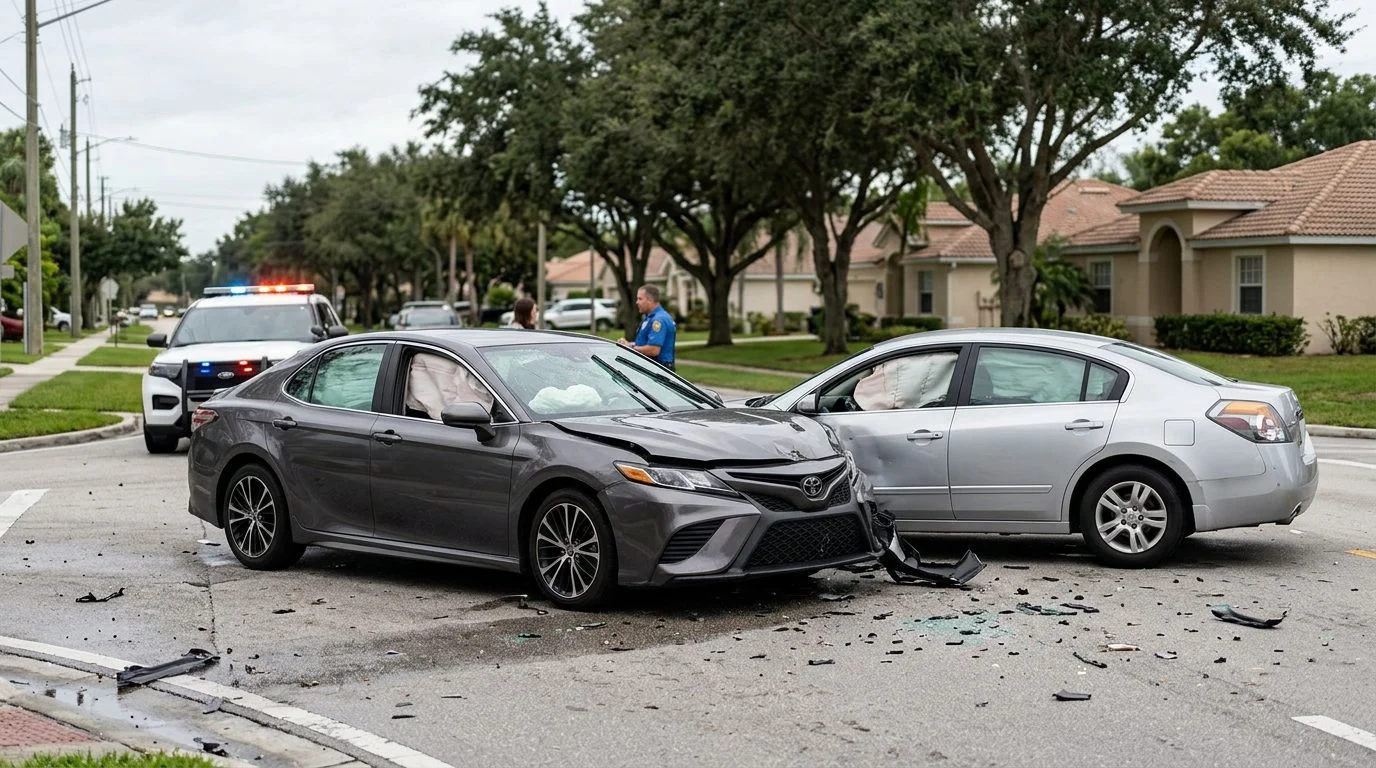
Why does my back hurt after a car crash, hours or days later?
Back pain often starts later because adrenaline and muscle bracing can hide pain at the scene. Many people feel shaken but believe they are fine. As the body settles, muscles tighten, swelling builds, and stiffness sets in.
That is why a person may wake up the next morning unable to bend, sit, or turn comfortably. Delayed pain does not mean the crash was minor. Even a low-speed impact can jolt the spine.
The biggest mistake is waiting to see whether the pain fades on its own. Tell a doctor about every new symptom, and describe the crash in detail. The medical record is what links your symptoms to the crash.
What are the common causes of back pain after a car accident?
Most back pain after a crash comes from strains, sprains, or damage to the structures of the spine. These are the injuries people ask about most.
- Muscle and ligament strains. Sudden stopping, bracing, or being pushed against a seatbelt can overstretch soft tissue.
- Facet joint irritation. The small joints along the spine can become irritated by a sudden twist or jolt.
- Bulging or herniated discs. A disc can press on a nerve, which may cause pain that spreads into a leg or arm.
- Vertebral fractures. High-force impacts can break a bone in the spine. Older adults and people with bone-thinning conditions can be hurt more easily.
- Sacroiliac joint and hip pain. These can feel like lower back pain, so a doctor needs to find the true source.
A doctor identifies the cause. Follow your doctor’s care plan, even if the pain seems to be improving.
Can neck and back pain together mean whiplash?
Yes, neck and back pain often show up together after a rear-end or side impact. Doctors often call the neck part of this pattern whiplash.
Whiplash is a neck injury caused by a rapid back-and-forth movement of the head. Symptoms can include neck stiffness, headaches, and back pain. Whether a whiplash-type injury can support a claim depends on the facts, including the medical records and how the injury affects daily life. Report stiffness, headaches, or reduced motion to a doctor, even when they seem small.
Which back pain symptoms need urgent medical attention?
Numbness, tingling, or weakness in a leg or arm needs prompt medical care. So do loss of bladder or bowel control and severe or worsening pain.
Seek emergency care right away if these symptoms appear. Pain after a head injury or any loss of consciousness also needs immediate evaluation. These signs can point to a serious spinal injury, so they should not wait for a routine appointment.
Under Fla. Stat. § 316.027, Florida law uses the term “serious bodily injury” for injuries that create a substantial risk of death, serious personal disfigurement, or protracted loss or impairment of the function of a bodily member or organ. Follow your doctors’ instructions, and when in doubt, get emergency help.
What should I do in the days after a car crash?
Get checked by a medical provider soon, even if the pain seems mild. Then keep careful records of everything that follows.
- Follow the treatment plan. Gaps in care can be questioned by insurers, so keep your appointments.
- Keep your records. Save visit notes, prescriptions, receipts, photos, and a log of time missed from work.
- Get the crash report. Florida requires a Florida Traffic Crash Report, Long Form, for crashes that involve injury or complaints of pain. Under Fla. Stat. § 316.066, crash reports can be made available to the parties involved and their legal representatives.
- Ask about insurance. Under Fla. Stat. § 627.4137, an insurer that may provide liability coverage must provide a sworn statement within 30 days of your written request. That statement lists the insurer, the insureds, the coverage limits, a statement of any policy or coverage defense which such insurer reasonably believes is available to such insurer at the time of filing such statement, and a copy of the policy.
- Pause before recorded statements. Many people find it helpful to talk with a lawyer before giving a recorded statement to an insurer.
Not sure what your next step is?
Talk it through with our team — the first consultation is free, confidential, and carries no obligation.
How do doctors identify back and spine injuries?
A doctor finds a back or spine injury through your history, a physical exam, and imaging tests the doctor chooses. Describe exactly how the crash happened, where it hurts, and what makes the pain better or worse.
The exam may check movement, strength, feeling, and reflexes. Imaging can include X-rays, CT scans, or MRI scans. Some injuries, such as small disc tears, may not show on the first scan, so follow-up visits matter.
The medical record is the link between the crash and the injury. Doctors make the diagnoses and treatment decisions, not you and not a lawyer.
What Florida deadlines and rules affect back injury claims?
Florida law generally allows two years to file a negligence claim, under Fla. Stat. § 95.11. Under Fla. Stat. § 95.11, an action founded on negligence must be filed within two years (Chapter 2023-15, Laws of Florida). Deadlines apply, so contact a lawyer promptly.
Florida uses modified comparative fault. Under Fla. Stat. § 768.81, in a negligence action a claimant found more than 50 percent at fault for his or her own harm recovers nothing, except in an action for personal injury or wrongful death arising out of medical negligence under chapter 766. At 50 percent or less, damages are reduced by that share of fault.
Whether someone’s carelessness contributed to the injury is often a central question in these cases.
For pain and suffering in a motor vehicle crash, Fla. Stat. § 627.737 limits recovery.
Common challenges include insurers disputing the cause of an injury, pre-existing conditions, and gaps in treatment. A clear medical record and consistent care help address these issues.

Talk with CHG about your back pain and the crash
If you are reading this for a family member, you may be looking for answers on someone else’s behalf. You may still be deciding what to do next after a hard crash.
CHG Personal Injury Lawyers is a Florida-based firm. Igor Hernandez is the responsible lawyer for this page. Our team handles car and truck crash claims, including back and spine injury cases, for people throughout Florida. Our FedEx truck accidents page covers related crash claims.
Frequently asked questions
Is back pain after a car crash normal?
Yes, back pain after a crash is common. Tell a doctor about any pain, because a medical record helps document what happened.
How long do I have to file a car accident claim in Florida?
For most negligence claims that accrued after March 24, 2023, the general period is two years.
A claimant found more than 50 percent at fault for their own harm may not recover any damages in a negligence action to which Fla. Stat. § 768.81 applies. This rule does not apply to personal injury or wrongful death actions arising out of medical negligence under chapter 766.
A free, confidential first consultation, with no obligation to continue, is available through our contact page. CHG charges no attorney’s fees and no case costs unless there is a recovery.
Steps That Protect Your Health and Your Claim
See a doctor promptly
Even if the pain seems mild, have a medical professional examine your back. Follow the care plan your doctors give you.
Keep every record
Save medical bills, imaging results, prescriptions, and notes about missed work or daily tasks you can no longer do.
Describe all your symptoms
Tell your doctor about pain in your neck, arms, legs, or hips, plus numbness, tingling, or weakness, so your full condition is recorded.
Act without delay
Legal deadlines apply to injury claims in Florida. Contact a firm promptly so the time-sensitive steps are not missed.
Seek Emergency Care Right Away If You Notice
Numbness or weakness in the arms or legs, loss of bladder or bowel control, severe or worsening back pain, trouble walking, or confusion after a crash. Call 911 or go to the nearest emergency room immediately.
Common Back Injuries After a Crash
Soft tissue strains
Muscles and ligaments in the back can be stretched or torn when a vehicle stops or jolts suddenly. Pain may build over several days.
Herniated or bulging discs
The force of a collision can push spinal discs out of place, which may press on nearby nerves and cause pain that spreads to the legs.
Fractures and spinal injuries
Vertebrae can be cracked or broken in a serious impact. These injuries call for immediate medical evaluation and may require long-term care.
Nerve and neck-related pain
Injuries to the neck and upper spine can cause pain, tingling, or weakness in the arms and hands, even when the back seems less affected.