
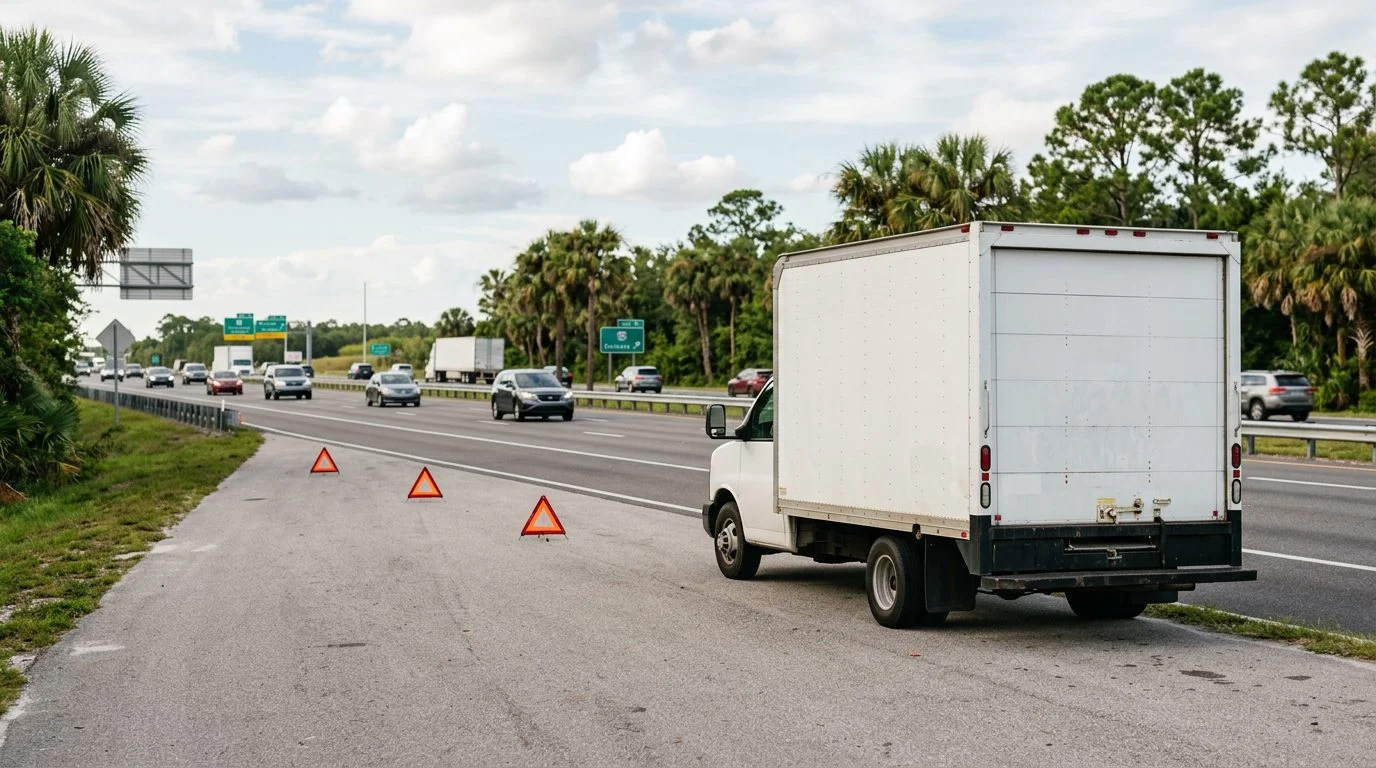
Delivery Van Accidents in Florida
Hurt in a Delivery Van Crash? You Don't Have to Sort It Out Alone
Our Florida-based team helps injured people and their families understand what happened, who may be involved, and what steps to take next.
By CHG Lawyers · Published November 28, 2026
Delivery Van Accident Lawyer in Florida: Who Can Be Held Liable?
Not sure what your next step is?
Talk it through with our team — the first consultation is free, confidential, and carries no obligation.
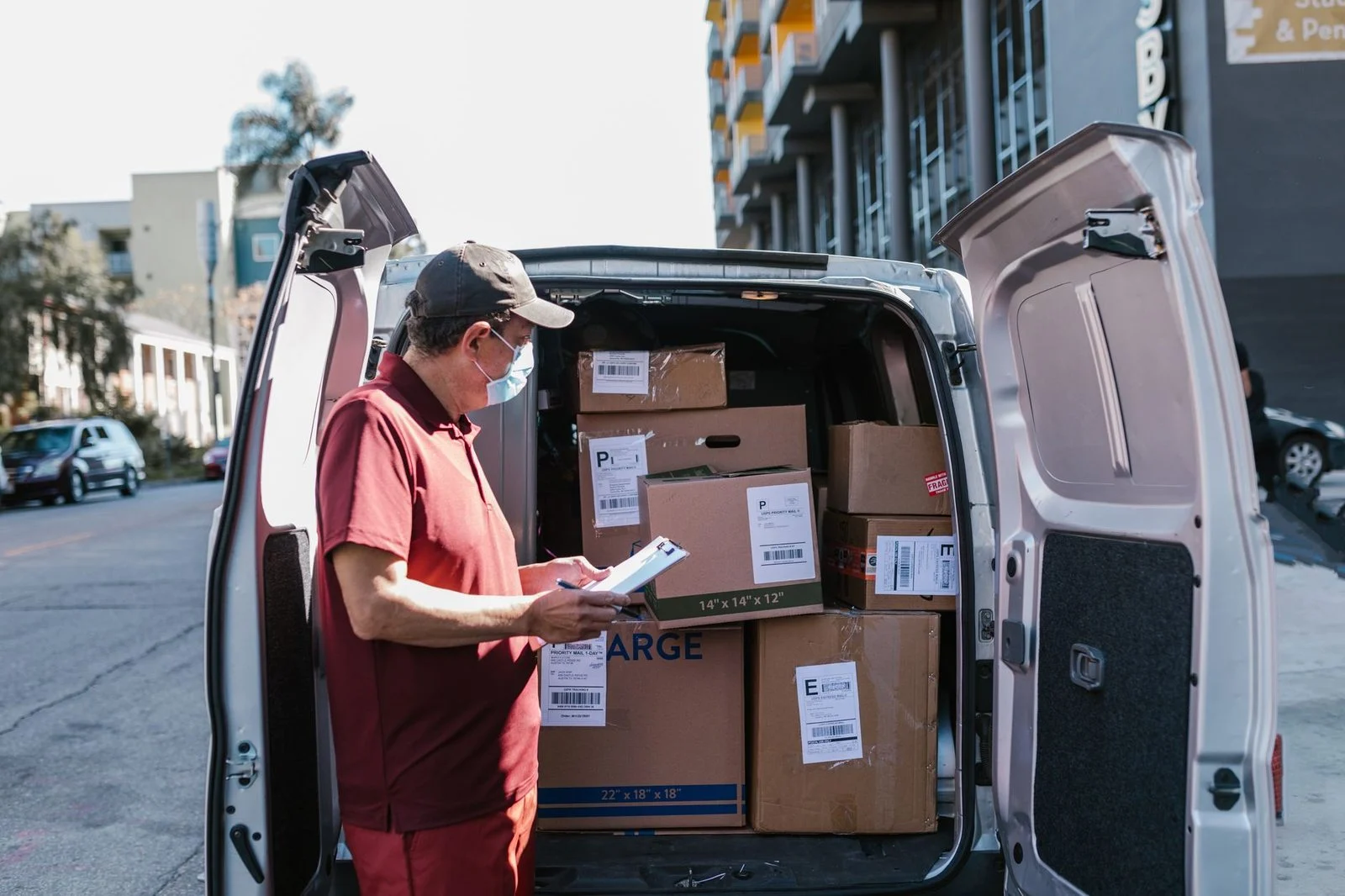
Delivery Van Accident Claims in Florida: Who Can Be Held Liable?
A delivery van accident in Florida can leave you with hospital bills, lost pay, and a damaged car. Some crashes involve a box truck. Many people then ask whether anyone besides the driver can be held responsible.
Often, yes.
When a Box Truck or Delivery Van Hits You on a Florida Road
A car-to-car crash usually involves two drivers and one vehicle owner. A box truck or delivery van crash is often more complicated.
- The driver may work for a delivery company.
- The van may be leased.
- Someone else may have set the route.
- A different business may have loaded the cargo.
Each of these roles can matter. Crashes in Miami, Orlando, Tampa, or Jacksonville can raise the same questions. The paperwork and the parties often differ from one crash to the next.
This page answers one question: who can be held responsible? It also explains what each party’s role could mean for a claim. It covers:
- the driver
- the employer or delivery company
- the vehicle owner
- repair providers
- cargo loaders
- parts makers
It also explains Florida fault rules, federal trucking rules, deadlines, and what to expect if Medicare has paid for your care.
Common Causes of Box Truck and Delivery Van Crashes
Box trucks and delivery vans are heavy and tall. They often drive in dense neighborhoods with frequent stops. Crashes like these often trace back to a few common problems:
- Distraction: Looking at a phone, a handheld navigation device, or a dispatch screen while driving.
- Speeding and following too closely: This is especially risky on busy city streets and highways. Stopping distance matters.
- Driver fatigue: Long shifts and tight schedules.
- Shifting or falling cargo: Loads that were not properly secured.
- Poor maintenance: Worn brakes, bad tires, faulty steering, or broken lights.
- Failure to yield or unsafe turns: Turning across traffic or merging without enough room.
Identifying which of these, if any, played a part in your crash is one of the first steps in evaluating a claim.
The Driver: Is the Person Behind the Wheel the Only Responsible Party?
The driver is the first party people look at. Common examples include distracted driving, speeding, following too closely, and failing to yield.
Delivery work adds pressure. Drivers often follow tight routes with many stops in one day. Some claims allege that rushed schedules pushed drivers to speed or skip rest. These allegations must be proven. Evidence can include:
- GPS data
- dispatch logs
- electronic logging records
- phone records
A driver’s own carelessness does not end the question. Other parties may share responsibility for the same crash. Florida’s fault rules, covered below, explain how fault is divided. Still, the driver’s conduct is a central piece of most of these claims.
The Employer or Delivery Company: When the Company May Be Responsible
Many delivery vans are run by contractor drivers or delivery service partners. Several facts can matter:
- who employed the driver
- who owned the van
- who set the route
- who trained the driver
The answers change who may be a possible defendant.
Some claims also allege direct fault by the company.
Federal trucking rules also place duties on motor carriers. These duties can matter when deciding who was responsible for how a vehicle was operated.
Not sure what your next step is?
Talk it through with our team — the first consultation is free, confidential, and carries no obligation.
The Vehicle Owner, Lessor, and Maintenance Provider
The company that owns or leases a box truck or van may share responsibility in some cases. A repair shop may also be considered if its work contributed to a crash.
Federal law treats owners who rent or lease vehicles differently from owners who use vehicles for their own business. 49 U.S.C. § 30106 says an owner that rents or leases a vehicle is not liable under state law just for being the owner. This applies to harm from the vehicle’s use during the rental or lease. The protection applies only if the owner is in the trade or business of renting or leasing vehicles. It also requires that the owner has no negligence or criminal wrongdoing.
The same section does not override state laws. Those laws impose financial responsibility or insurance standards on vehicle owners who register and operate a motor vehicle. It also does not override state laws that hold rental businesses liable when they fail to meet financial responsibility or liability insurance requirements.
A business that owns box trucks or vans for its own deliveries is not in the position of a rental company. A person who lends a vehicle without being in the business of renting or leasing vehicles is also outside that federal protection. In every case, the owner’s own carelessness still counts.
Brake, tire, steering, and lighting problems come up in many maintenance claims. These are allegations, not conclusions.
Cargo Loaders and Load Securement
A party that loaded or secured cargo poorly may be responsible. The driver, the company, or a third-party loading service may do the loading. Who did the work matters.
The Federal Motor Carrier Safety Regulations, 49 C.F.R. Part 393, Subpart I, set standards for securing cargo on commercial vehicles. These standards focus on keeping loads from falling, spilling, or shifting in ways that affect the vehicle’s stability.
Cargo claims are usually proven with:
- loading records
- photographs
- weight information
- the vehicle’s condition after the crash
Early photos of the load and the scene can be very valuable. If you can, ask that the vehicle and its cargo area be kept as they are.
Equipment Makers and Crashworthiness Questions
A parts maker or vehicle manufacturer may face a claim. This can happen when a part or design is alleged to have made injuries worse. Lawyers call this a crashworthiness claim.
This type of claim does not say the part caused the crash. It asks whether the part made the injuries worse.
The Florida Supreme Court has recognized this idea. In D’Amario v. Ford Motor Co., the Florida Supreme Court held that a manufacturer of automobiles may be held liable under certain conditions. That decision addressed a design or manufacturing defect that causes injury but is not the cause of the primary collision. The Florida Legislature later enacted ch. 2011-215, which was intended to overrule D’Amario on how fault is apportioned in these cases under Fla. Stat. § 768.81.
Fault sharing works differently in these cases. In a products liability action, Florida law requires the jury to consider the fault of all persons who contributed to the accident when injuries are alleged to have been made worse by a defective product. Early steps matter. Identifying the failed part and keeping it can matter to the claim.
How Florida Law Divides Fault Among Several Parties
Florida’s comparative fault statute, Fla. Stat. § 768.81, governs how fault is divided among persons who contributed to an accident. For that reason, identifying every party who may have contributed to a crash can matter.
Several factors affect how a claim is evaluated:
- insurance coverage
- the number of defendants
- the facts of the crash
Federal Trucking Rules and How They Can Apply
Federal trucking rules can show what a company or driver was required to do.
Hours-of-service rules are among the most important. These rules limit how long commercial drivers may work and drive. Logbooks and records of driving time can show whether those limits were followed before a crash.
Other records can also be important:
- logbooks
- electronic logging records
- inspection reports
- maintenance files
Ask that these records be preserved. They show what the company and driver were required to do before the crash.
Not sure what your next step is?
Talk it through with our team — the first consultation is free, confidential, and carries no obligation.
Florida Deadlines and Early Insurance Steps
Florida sets filing deadlines for lawsuits in Fla. Stat. § 95.11. The time limit depends on the type of claim.
Other timing rules may also apply to your claim. Some claims have different deadlines, so do not wait to speak with a lawyer. Deadlines apply to every claim. Missing one can end a case.
Insurance companies may contact you early. Many people talk with a lawyer first. In the meantime:
- Follow your doctors’ care.
- Keep every medical bill and receipt.
- Write down what you remember about the crash while it is fresh.
Medicare Beneficiaries: What to Expect Before Any Settlement
If you or a family member has Medicare, the crash can affect how medical bills are paid. It can also affect how any settlement is handled. Tell your lawyer about Medicare coverage early.
Who pays first. When a Medicare beneficiary is in an accident where no-fault or liability insurance is involved, that insurance pays first. This applies to accident-related health care services. CMS describes this order of payment.
Conditional payments. If the insurance company does not pay promptly, Medicare may make a conditional payment. Under 42 U.S.C. § 1395y(b)(2), Medicare may later recover a conditional payment from a primary plan, but an action must be filed not later than 3 years after the date of the receipt of notice of a settlement, judgment, award, or other payment. A primary plan, and an entity that receives payment from a primary plan, must reimburse Medicare for a payment the primary plan was responsible for making. CMS also explains that this rule can apply even when an entity believes it is the secondary payer under state law or its own policy.
Why this matters. Medicare repayment questions can affect how much a family keeps from a settlement or judgment. Ask your lawyer how Medicare’s rights will be handled in your case.
Follow your doctors’ care. Medical decisions belong to you and your providers, not to your lawyer or this page.
When a Box Truck or Delivery Van Crash Is Fatal: Wrongful Death and the Family Left Behind
A fatal crash changes a household. Families often face grief, daily responsibilities, and hard financial questions all at once.
Florida’s wrongful death laws govern these claims. These laws set out which family members may bring the claim and what they may recover. Our lawyers can explain how those rules apply to your family.
Marriage can also raise questions of its own. Families in these situations should raise the question with a lawyer.
The same fault questions discussed above apply to a fatal crash. Families who want to understand how a claim is evaluated can discuss the facts of their loss with a lawyer. Deadlines apply to wrongful death claims too. Families should speak with a lawyer promptly.
What to Do Next and How the Firm Can Help
Start by getting medical care and following your doctors’ instructions. Keep:
- photos
- witness names
- the other vehicle’s company information
CHG Personal Injury Lawyers is a Florida-based personal injury firm. It handles truck accidents, car accidents, and wrongful death claims for people throughout Florida. Our team can review who may be responsible for your crash under Florida law.
CHG charges no attorney’s fees and no case costs unless there is a recovery.
The initial consultation is free, confidential, and comes with no obligation to continue.
Frequently Asked Questions
Can someone besides the driver be held responsible?
Yes. An employer, vehicle owner, repair shop, cargo loader, or parts maker may share responsibility, depending on the facts.
How long do I have to file a lawsuit?
Florida sets filing deadlines in Fla. Stat. § 95.11. The time limit depends on the type of claim. Speak with a lawyer promptly.
What if I was partly at fault?
Under Fla. Stat. § 768.81, in a negligence case covered by that law, a person found to be more than 50 percent responsible for his or her own harm cannot recover damages; the statute lists exceptions, including claims based on an intentional tort and certain other claims it names, so how the rule applies depends on the facts of each case. A lawyer can explain how it applies to your facts.
Does Medicare affect my case?
It can. If you are a Medicare beneficiary, Medicare may have made conditional payments. Those payments may need to be repaid from a settlement or judgment under federal Medicare recovery rules. Tell your lawyer about Medicare coverage early.
If a delivery van crash has you unsure who is responsible, speak with our lawyers. They can help you figure out whether the driver, a company, or another party may have a claim under Florida law.
How Our Firm Can Help
Florida-Based Representation
CHG Personal Injury Lawyers represents people throughout Florida, from Miami and Fort Lauderdale to Orlando, Tampa, and Jacksonville.
Licensed Attorneys
Our lawyers are licensed to practice law and admitted to The Florida Bar.
No Fees Unless There Is a Recovery
We charge no attorney's fees and no case costs unless there is a recovery.
Plain-Language Guidance
We explain each step of your claim clearly, in terms you can follow, and keep you informed as your case moves forward.
Before You Speak With an Insurer
Delivery companies and their insurers may contact you soon after a crash. Speaking with a lawyer before you give a recorded statement or sign any paperwork can help protect your interests.
Delivery Van Crashes We Handle
Collisions With Passenger Vehicles
Crashes where a delivery van strikes or is struck by a car, SUV, or pickup on Florida roads and highways.
Pedestrian and Bicycle Crashes
Incidents in which a delivery van hits someone walking or riding a bicycle, including in busy neighborhoods and commercial areas.
Amazon and FedEx Vehicle Crashes
Accidents involving Amazon and FedEx delivery vehicles, which often carry packages through residential and urban streets.
Rollovers and Lane Change Crashes
Collisions that happen during turns, lane changes, or sudden maneuvers by a loaded delivery vehicle.