

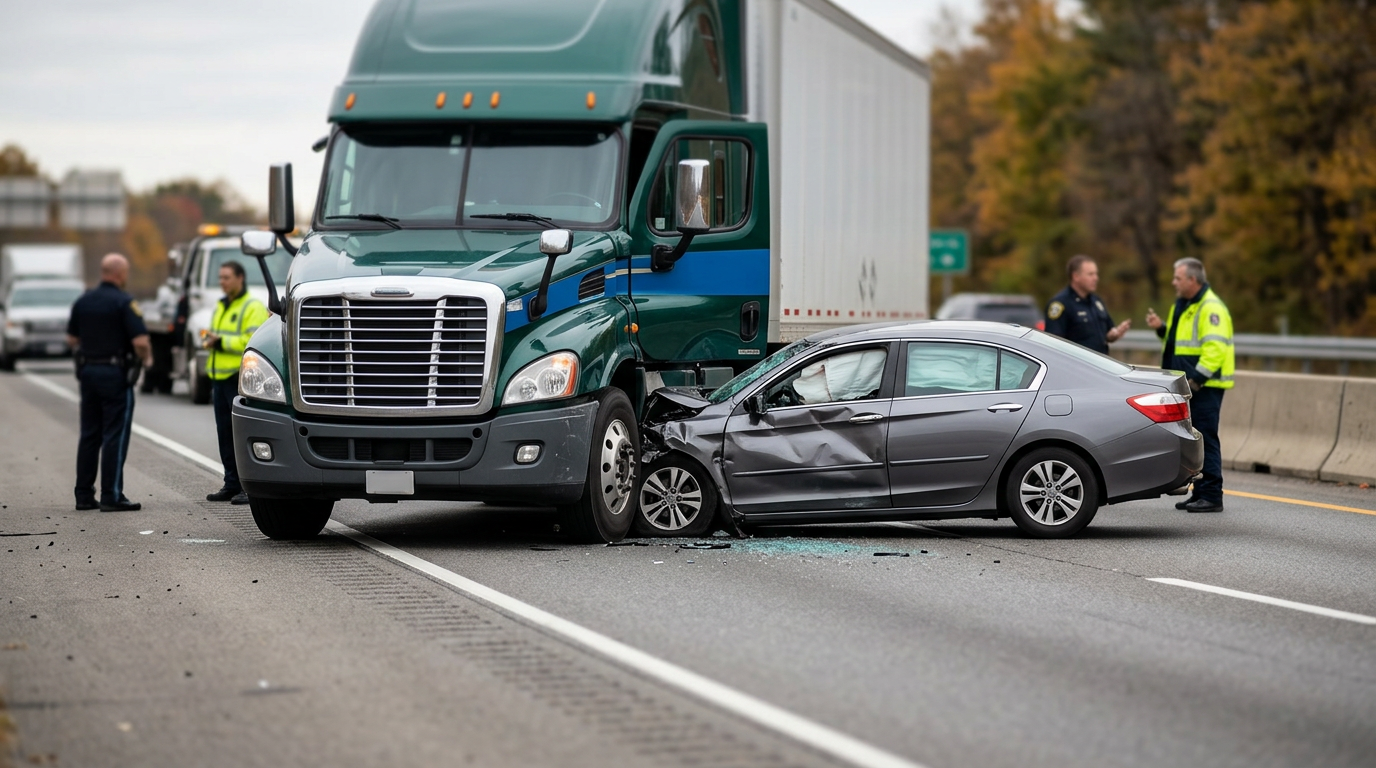
Truck Accidents · Permanent Injury
What Is a Truck Accident Case Worth When the Injury Is Permanent?
A life-altering injury changes everything — and its value can't be reduced to an internet 'average.' Here's what actually drives the number, and how a careful case review estimates a responsible range.
Focused on Catastrophic Injury Claims
Nationwide
Cases accepted across the U.S.
Bilingual
English & Spanish support
FL Bar
Licensed, admitted attorneys
$0
Free case evaluation
By CHG Lawyers · Published July 30, 2026
What Is a Truck Accident Case Worth When Injuries Are Permanent?
Type “average truck accident settlement” into a search engine. You’ll see confident dollar ranges. “$100,000 to $300,000.” “$1 million or more.” Here’s what those pages won’t tell you. No one can honestly quote you an average for a permanent injury.
The lawyers who tie you to a number are either guessing or breaking the rules. Florida Bar advertising rules flatly forbid promising a specific result.
We won’t do that here. Instead, this page shows you how a serious truck-injury case is really valued. We’ll cover the types of loss, the experts who calculate them, and the Florida laws that shape your recovery. That way, you can understand your own situation. You won’t have to compare it to someone else’s number.
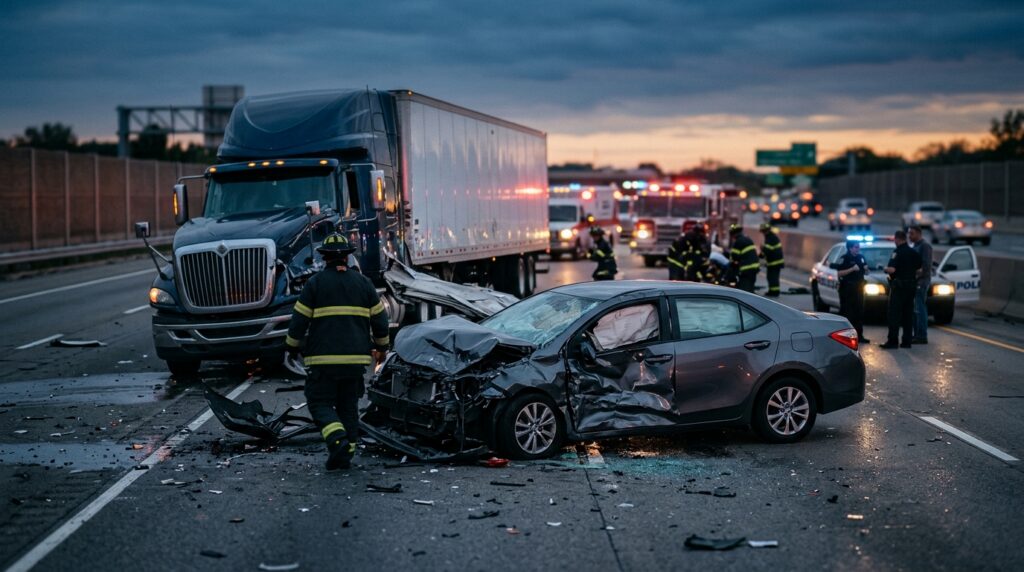
Not sure what your next step is?
Talk it through with our team — the first consultation is free, confidential, and carries no obligation.
Why “Average” Is the Wrong Question for a Permanent Injury
The dollar ranges online mix every truck claim together. A sprained wrist that healed in six weeks sits in the same data as a crash that left someone on a ventilator for life. Blend those, and the “average” describes no real person. It certainly doesn’t describe someone whose injury will never heal.
Catastrophic injuries aren’t valued on averages. These include spinal cord injury and paralysis, traumatic brain injury, amputation, severe burns, and serious back and neck injuries. They’re valued on your lifetime losses. That means your future surgeries, your job and earning history, and the specific ways the injury changes each day of the rest of your life.
There’s also a legal reason we won’t quote you a figure. Florida Bar Rule 4-7.13 forbids lawyer ads that mislead or create false hope about results. A lawyer who “guarantees” a number on a website isn’t giving you honest information. Neither is one who promises an “average you can expect.” A case’s real value comes from evidence, available insurance, and the facts. Anyone selling certainty before reviewing those things is selling something.
What Makes an Injury “Permanent” — and Why It Changes the Math
A permanent injury is one that doesn’t fully heal. It affects your body, your work, or your daily life for good. That’s why a catastrophic case is valued differently from an ordinary one. A short-term injury heals, and the bills stop. A permanent injury creates needs that never stop.
Truck crashes commonly cause these lasting injuries:
- Spinal cord injury and paralysis. The Mayo Clinic explains that spinal cord damage can cause permanent changes in strength, feeling, and body function below the injury.
- Traumatic brain injury (TBI). A serious TBI can affect memory, mood, decision-making, and the ability to hold a job.
- Amputation or limb loss.
- Severe burns, which often require years of surgeries and skin grafts.
- Catastrophic back and neck injuries that don’t get better with treatment.
Doctors don’t just call an injury “serious.” They classify it. Spinal cord injuries are graded using the ISNCSCI scale from the American Spinal Injury Association. This gives an ASIA A through E grade. The grade describes exactly how complete the injury is. It becomes concrete evidence of how severe and lasting the harm is. You can learn more on our catastrophic injury claims page.
The Losses That Grow When an Injury Is Permanent
When harm is permanent, certain types of compensation grow much larger. That’s because they stretch across decades, not months.
Lifetime and future medical care
This is often the single largest number in the case. It can include future surgeries, inpatient rehab, physical and occupational therapy, medications, in-home nursing, and replacing medical equipment over a lifetime.
The federally funded National Spinal Cord Injury Statistical Center keeps the country’s main long-term spinal-injury database. It shows that many survivors need ongoing attendant care and repeat hospital stays for life. Those needs don’t end when a settlement check clears.
Lost income and lost earning capacity
This is more than the paychecks you’ve already missed. Say you can’t return to your old job — or can’t work at all. Florida law lets you recover lost earning capacity. That’s the income you reasonably would have earned across your working life. It’s adjusted for your age, skills, and career path.
Home, vehicle, and personal-care needs
Paralysis or limb loss can require a wheelchair-accessible home — ramps, wider doors, a roll-in shower. You may also need an adapted vehicle, assistive technology, and daily personal-care help. These are real, ongoing costs, not one-time purchases.
Pain, suffering, and loss of enjoyment
You can seek compensation for physical pain, emotional harm, and the loss of activities you can no longer do. Many crash survivors also live with post-traumatic stress, anxiety, or depression after the event. That psychological harm is a real part of the claim, not a footnote.
When a truck crash takes a life
The most catastrophic outcome is death. When a family loses someone in a truck crash, Florida’s Wrongful Death Act (Fla. Stat. §§768.16–768.26) lets the personal representative of the estate bring a claim for surviving family members.
Depending on the case, recovery may include lost support and services, funeral and medical expenses, and survivors’ own loss of companionship and guidance. We handle these claims with dignity. We keep the focus where it belongs — on the family left behind. You can read more on our truck accidents page.
How a Life-Care Plan Puts a Real Number on a Lifetime of Need
One thing replaces the fake “average” with something honest: the life-care plan. This is a formal, itemized list of every future medical and support cost a person will face over their expected lifetime. It’s often the biggest driver of value in a permanent-injury case.
Professionals build it. No one guesses it on a napkin:
- A physician or certified life-care planner projects the treatments, equipment, and care you’ll need year by year.
- A forensic economist converts those future costs into today’s dollars. They account for medical inflation and life expectancy.
- A vocational expert measures how the injury reduces your ability to work and earn.
Together, they turn “lifetime losses” into documented, defensible numbers. This matters because insurers attack anything vague. A well-built life-care plan replaces argument with evidence. In the catastrophic cases our attorneys handle, that kind of documentation is central to showing what a lifelong injury really costs.
What Raises or Lowers the Value of a Truck Case
Fault and liability. Who was negligent? It may be the driver, the trucking company, a maintenance contractor, a cargo loader, or a parts maker. Federal safety rules help pin down responsibility. So does evidence like electronic logging device data and hours-of-service records. More than one party can share blame. Learn who may be responsible on our truck accidents page.
Severity and permanence. The more serious and lasting the injury, the higher the potential value — and the stronger the medical evidence must be.
Available insurance. Recovery is limited by the coverage in place and the number of responsible parties. Under federal rules (49 C.F.R. §387.9), interstate commercial trucks generally must carry at least $750,000 in liability coverage — and often far more. That’s a big difference from a private car’s minimum policy.
Comparative fault. Florida follows a modified comparative-negligence rule under Fla. Stat. §768.81. If you’re found partly at fault, your recovery drops by your percentage. As amended in March 2023, if you’re found more than 50% at fault, you generally recover nothing.
Documentation. Complete records build value — medical bills, imaging, expert opinions, and wage records. Gaps and inconsistencies drag it down.
Have questions about what happened?
Ask our team directly. The first conversation is free, confidential, and there is no obligation to continue.
Why Trucking Insurers Rarely Offer Full Value Early
A fast, low offer protects the insurer’s bottom line, not your future. With a permanent injury, there’s a deeper problem. Your future costs aren’t fully known yet. If you settle before your doctors understand your long-term needs, later costs come out of your pocket. A signed release generally can’t be reopened.
A few plain-language cautions:
- Be careful about giving a recorded statement to the other side’s insurer. Casual answers get used later to shrink your claim.
- Don’t let a quick check pressure you. Once you sign, the case is almost always over for good.
- Get consistent medical care and follow your treatment plan. Gaps in treatment are used to argue you “weren’t really hurt.”
This is general information, not a prediction about your case. But it reflects a pattern we see constantly. The early offer and the true lifetime cost of the injury rarely match.
How Long Does a Permanent-Injury Truck Case Take?
Timelines vary. Catastrophic cases often take longer — on purpose. Your future losses must be understood before your case can be valued. That usually means waiting until your medical condition reaches maximum medical improvement. That’s the point where doctors can reliably predict your long-term needs. Rushing a lifelong injury almost always undervalues it.
Some things add time. Liability disputes, multiple responsible parties, and a case headed toward trial all slow things down. Do most truck cases go to court? Many settle. But building the case as if it will go to trial is what supports a fair number. Insurers respond to a case that’s fully prepared.
Watch the deadline. In Florida, most negligence claims for injuries on or after March 24, 2023 carry a two-year statute of limitations (filing deadline) under Fla. Stat. §95.11(5)(a). Older claims may fall under a four-year rule. Wrongful-death claims also run two years. Miss the deadline, and the claim is usually gone — no matter how strong it was.
Are Truck Accident Settlements Taxable?
Generally, money you receive for a physical injury is treated differently from other income. The IRS addresses this in IRC §104(a)(2). But the details get complicated. Certain interest or punitive damages can be treated differently. Your situation is specific to you. So talk to a qualified tax professional before filing. We won’t offer tax advice on a general page. That’s a job for a tax expert.
Understanding the Value of Your Situation
The value of a permanent-injury truck case comes from lifetime, individual losses. You prove them with a life-care plan, expert testimony, and complete records — not an internet “average.” Your future medical care, your lost earning capacity, and the way the injury reshapes your daily life set the number.
We know this is a frightening, exhausting time for you and your family. None of it was your choice. The honest next step is simple. Get the specific facts of your situation reviewed by a licensed attorney — without pressure and without a canned figure.
Our attorneys are admitted to the Florida Bar and handle catastrophic truck accident cases nationwide. A free case evaluation costs you nothing.
To learn more, visit our main truck accidents resource and our catastrophic injury claims page.

Want to know where you stand?
Tell us what happened and our team will walk you through the options available to you, at no cost.
Frequently Asked Questions
How much is a truck accident case worth when the injury is permanent?
There’s no reliable “average.” Any page that quotes one for a permanent injury is guessing. Value depends on your lifetime medical care, lost earning capacity, and how the injury affects your life. Only a review of your specific facts can responsibly estimate a range.
Why won’t a lawyer just tell me an average?
Because it would be misleading. Florida Bar advertising rules (Rule 4-7.13) forbid statements that create false hope about results. Blended online “averages” don’t reflect a lifelong injury.
What is a life-care plan?
It’s an itemized expert projection of all future medical and support costs a person will need over their lifetime. A medical planner, an economist, and a vocational expert build it. It’s often the biggest factor in a permanent-injury case’s value.
How does fault affect my recovery in Florida?
Under Fla. Stat. §768.81, your recovery drops by your share of fault. If you’re found more than 50% at fault, you generally recover nothing.
How long do I have to file a truck accident claim in Florida?
Most injury claims for events on or after March 24, 2023 have a two-year deadline under Fla. Stat. §95.11(5)(a). Wrongful-death claims also run two years. Confirm your deadline with an attorney quickly.
Is the emotional trauma after a crash part of the claim?
Yes. Compensation can include pain, suffering, and diagnosed conditions like PTSD, anxiety, or depression that follow a catastrophic crash. They’re a real part of the harm, not an afterthought.
What Really Drives the Value of a Permanent-Injury Truck Case
Lifetime Medical Care
Surgeries, rehabilitation, assistive equipment, home modifications, and ongoing care for injuries like spinal cord damage, TBI, amputation, or severe burns can span decades.
Lost Earning Capacity
When a catastrophic injury ends or limits your ability to work, the loss isn't one paycheck — it's the income you would have earned over a lifetime.
Impact on Daily Life
Permanent paralysis, limb loss, or brain injury affects independence, family roles, and quality of life. These human losses matter and are part of the claim.
Available Coverage & Fault
Truck cases can involve multiple responsible parties and layers of insurance. Identifying every source of coverage affects what a recovery can realistically reach.
Be Wary of 'Average Settlement' Numbers
No honest lawyer can quote an accurate 'average' for a permanent injury, and no page can promise a specific dollar result. Anyone who does is guessing. A responsible estimate comes only from reviewing your medical records, your losses, and the facts of your crash.
Common Questions About Permanent-Injury Value
How much is my case worth?
There is no reliable 'average.' Value turns on your lifetime medical needs, lost earning capacity, and how the injury changes your life. Only a review of your specific facts can responsibly estimate a range.
Why won't a lawyer just give me a number?
Because a real number requires real facts — your prognosis, your care plan, your economic losses, and the available insurance. A quick guess would mislead you, and Florida's ethics rules don't allow us to promise outcomes.
What if a loved one died in the crash?
A death is the most catastrophic outcome of all. Families may bring a wrongful-death claim, and we handle these matters with the same care and dignity as any other life-altering injury.
How long do I have to act?
Deadlines vary by state and situation, and evidence from a truck crash can disappear fast. The sooner your case is reviewed, the more can often be done to protect it.