


Motorcycle Accidents
Catastrophic Motorcycle Accident Injuries: Types, Causes & Your Legal Options
Motorcycle crashes cause life-altering spinal cord injuries, traumatic brain injuries, amputations, and severe burns at rates far higher than other vehicles. If you or a loved one suffered a catastrophic injury in a crash, you may have a claim for compensation.
By CHG Lawyers · Published August 30, 2026
Catastrophic Motorcycle Accident Injuries: Understanding Life-Altering Trauma and Your Legal Rights
Motorcycle crashes cause some of the most severe and permanent injuries on the road. Unlike drivers in enclosed vehicles, riders have no protective cage, airbags, or crumple zones—only protective gear and the physics of impact. When a motorcycle hits another vehicle, a fixed object, or pavement at speed, the result is often catastrophic: spinal cord damage causing paralysis, traumatic brain injury that alters thinking and personality, amputation of limbs, severe burns, or fatal trauma that leaves families grieving.
This guide explains the types of catastrophic injuries that occur in motorcycle crashes, what families face, and what comes next when a crash changes everything.
If you or a loved one suffered a catastrophic injury in a crash, you may have a claim for compensation. Talk it through with our team — the first consultation is free, confidential, and carries no obligation.
Understanding Catastrophic Motorcycle Accident Injuries
A catastrophic injury causes permanent, life-altering impairment. It’s not a broken bone that heals or a sprain that fades. Catastrophic injuries require ongoing medical care, rehabilitation, assistive devices, and often lifelong support. They reshape a person’s ability to work, move, think, and live independently.
Motorcycle accidents carry a uniquely high risk of catastrophic injury because riders are exposed to direct impact, crush forces, and friction with the road. Speed, impact angle, and the absence of protective barriers determine whether an injury is serious or catastrophic. A collision at 30 mph can cause severe injury. A crash at 50+ mph often results in multiple catastrophic injuries affecting the head, spine, chest, and limbs at once—what trauma surgeons call polytrauma (damage to multiple body systems).
The distinction matters legally and medically. Routine fractures or soft-tissue injuries don’t qualify as catastrophic. But spinal cord damage causing paralysis, traumatic brain injury with lasting cognitive effects, amputation, severe burns, or fatal injuries do. These injuries demand specialized legal representation because the damages—medical costs, lost earning capacity, pain and suffering, and family impact—are enormous and long-lasting.
What Is a Major Cause of Death in a Motorcycle Accident?
Head injury is the leading fatal injury in motorcycle crashes. According to the National Safety Council, motorcycle fatalities in the U.S. stand at 6,228 annually, with a fatality rate of 28.00 per 100 million vehicle miles traveled—roughly 28 times higher than for passenger cars. This shows why a motorcycle crash is fundamentally different from a car accident: the rider faces direct, unprotected impact.
Traumatic brain injury (TBI) occurs when the head strikes another vehicle, pavement, or an object with force. Even helmeted riders can suffer severe TBI if the impact is violent enough. The brain moves inside the skull, tearing nerve fibers and blood vessels. Bleeding inside the skull, swelling of brain tissue, and oxygen deprivation can cause death within minutes or hours. A rider may appear conscious immediately after impact but deteriorate rapidly as pressure builds inside the skull.
Spinal cord injury is the second leading fatal mechanism. A high-impact collision can compress, tear, or sever the spinal cord at the neck or mid-back. Riders may suffer internal bleeding, organ damage, or chest trauma that collapses a lung or ruptures the heart. Multiple injuries occurring together—head trauma plus spinal injury plus internal bleeding—often prove fatal because the body cannot survive the combined shock and blood loss.
Helmet use and protective gear reduce but do not eliminate fatal injury risk. A helmet protects the skull and brain from some impacts, but it cannot prevent internal injuries, spinal trauma, or polytrauma. Riders without helmets face dramatically higher fatality rates. Even with a helmet, a rider struck by a truck at highway speed faces life-threatening injury.
Common Catastrophic Injuries in Motorcycle Crashes
Spinal Cord Injuries and Paralysis
Impact and compression of the spine cause spinal cord damage. A rider thrown from a motorcycle or crushed against another vehicle may suffer fractures, dislocations, or direct cord trauma. The result can be paraplegia (paralysis of the lower body and legs) or quadriplegia (paralysis of all four limbs and the trunk).
Spinal cord injuries are classified using the American Spinal Injury Association (ASIA) Impairment Scale. This scale grades severity from complete loss of all function below the injury site (ASIA A) to incomplete injury with some preserved sensation or movement (ASIA B, C, D, or E). Even incomplete injuries often result in permanent disability. The ASIA classification determines prognosis and guides rehabilitation planning.
Immediate treatment includes surgery to stabilize the spine, prevent further damage, and sometimes relieve pressure on the cord. Long-term care involves physical therapy, occupational therapy, assistive devices (wheelchairs, braces, walkers), and home modifications. Many people with spinal cord injuries require ongoing medical management for pain, muscle spasticity, bowel and bladder function, and pressure ulcer prevention.
According to the National Spinal Cord Injury Statistical Center, lifetime care costs can exceed $1.3 million for quadriplegia and $500,000 for paraplegia, depending on age at injury and life expectancy.
Traumatic Brain Injury
Traumatic brain injury results from direct impact to the head, acceleration-deceleration forces that shake the brain inside the skull, or penetrating injury from an object. Mild TBI (concussion) may cause temporary confusion, headache, and dizziness. Moderate to severe TBI causes loss of consciousness, memory loss, cognitive impairment, behavioral changes, and physical disability.
Long-term effects include difficulty concentrating, mood swings, depression, anxiety, sleep disturbance, and loss of executive function (planning, decision-making, impulse control). Some riders never return to work. Others require years of neurological rehabilitation and ongoing specialist care.
The invisible nature of TBI—no cast, no visible wound—often means families and employers underestimate the severity and the rider’s need for support. A rider may appear physically recovered but struggle with memory, judgment, or emotional regulation for years.
Amputation and Limb Loss
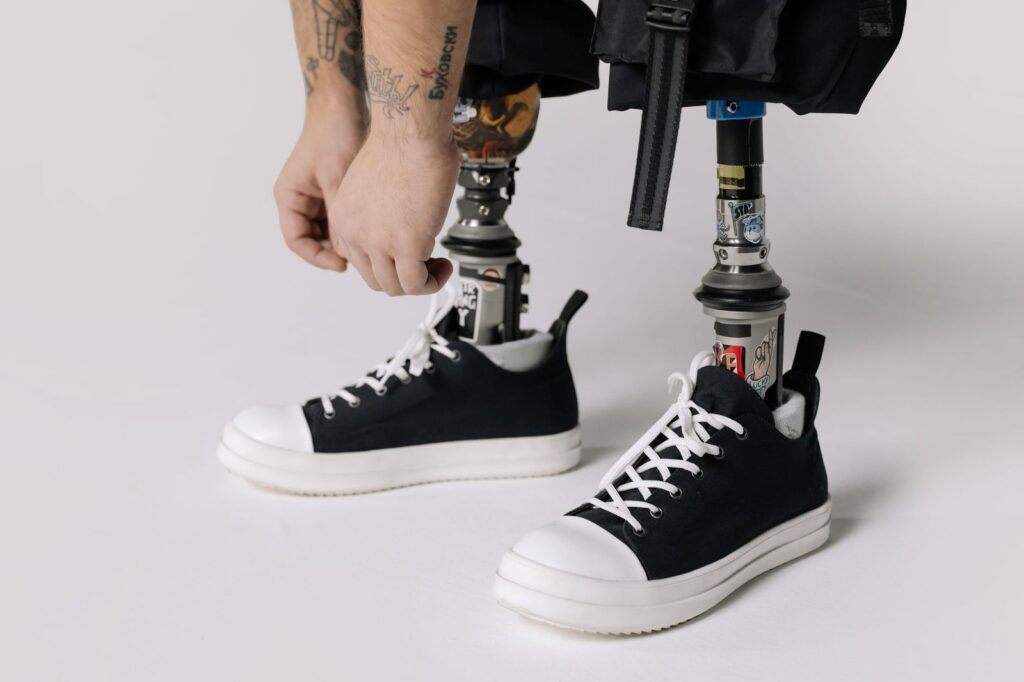
Motorcycle crashes cause traumatic amputation through crush injuries (limbs trapped between the motorcycle and another vehicle or object) or direct road contact at high speed (a limb striking pavement or a fixed object with enough force to sever it). Immediate surgical intervention focuses on stopping bleeding and preserving as much limb length as possible to improve prosthetic fitting.
Recovery involves pain management, wound healing, phantom limb sensation (the feeling that the missing limb still exists), and psychological adjustment to limb loss. Prosthetic technology has advanced significantly, but prosthetics require regular replacement (typically every 3–5 years), ongoing physical therapy, and vocational retraining.
A rider who loses a leg may no longer be able to operate a motorcycle or perform their previous job. The lifetime cost of prosthetic care, rehabilitation, and vocational support is substantial—often exceeding $500,000 over a lifetime.
Severe Burn Injuries
Motorcycle fuel tanks can rupture and ignite on impact, engulfing the rider in flames. Alternatively, a rider’s skin may contact hot pavement or metal at high speed, causing friction burns. Burns are classified by depth: first-degree (surface redness), second-degree (blistering and partial skin loss), third-degree (full-thickness skin destruction), and fourth-degree (damage to muscle and bone).
Severe burns require immediate emergency care, often including skin grafting, infection prevention, and pain management. Recovery is prolonged and painful. Scarring, contractures (permanent tightening of skin and muscle), and loss of function are common. Reconstructive surgery may be needed over years.
Psychological trauma—grief over disfigurement, PTSD from the accident and hospitalization—often accompanies physical recovery. A rider with severe burns to the hands or face faces both functional disability and the emotional burden of visible injury.
Catastrophic Back and Neck Injuries
High-impact collisions can injure the spine without causing complete spinal cord damage. Severe fractures, disc ruptures, or ligament tears may cause chronic pain, instability, and progressive neurological decline. Some riders undergo multiple spinal surgeries and never regain full function.
Chronic pain management, physical therapy, and assistive devices become lifelong necessities. A rider with a severe cervical (neck) injury may live with chronic pain and limited neck mobility for decades.
Where Do Most Fatal Motorcycle Accidents Occur?
Fatal motorcycle crashes often occur on high-speed roadways and highways where impact forces are greatest. Intersection crashes—particularly left-turn collisions where an oncoming car turns left in front of a motorcycle—are a common fatal scenario. The motorcycle rider has little time to brake or swerve. The driver of the turning vehicle often does not see the motorcycle until impact.
Urban areas see higher absolute numbers of motorcycle crashes, but rural highways often have higher fatality rates because riders travel at higher speeds and emergency medical response times are longer. Time of day matters: nighttime crashes have higher fatality rates, partly because visibility is reduced and impairment (alcohol or fatigue) is more common.
In Florida, motorcycle fatalities cluster on busy urban corridors (I-95, I-4, US-1) and coastal highways where tourism and year-round riding increase exposure. However, catastrophic injuries occur on any road—even low-speed crashes can cause spinal or brain injury if the impact angle is wrong or if the rider is thrown from the motorcycle.
What Kind of Trauma Would Someone in a Fatal Motorcycle Accident Have?
Fatal motorcycle crashes typically involve polytrauma: simultaneous injury to the head, spine, chest, abdomen, and extremities. A rider may suffer a severe head injury, a fractured spine, a collapsed lung, internal bleeding from a ruptured organ, and broken bones—all at once. The body cannot survive this cascade of injuries.
In the catastrophic-injury cases our firm handles, we often see families asking why their loved one died when the ambulance arrived so quickly. The answer is that some injuries are simply not survivable. A severe head injury with brain stem damage, massive internal bleeding that cannot be stopped in an operating room, or a spinal injury that severs the connection between the brain and the lungs—these injuries kill within minutes or hours, regardless of medical intervention.
Families who lose a loved one in a motorcycle crash can bring a wrongful death claim if another driver’s negligence, a property owner’s failure to maintain safe conditions, or a manufacturer’s defective product caused the crash. Wrongful death damages include funeral and burial costs, lost financial support the deceased would have provided, loss of companionship, and the family’s pain and suffering. The law recognizes that the death of a loved one is the most catastrophic outcome, and surviving family members have the right to seek compensation.
Not sure what your next step is?
Talk it through with our team — the first consultation is free, confidential, and carries no obligation.
The Long-Term Impact of Catastrophic Motorcycle Injuries
Catastrophic motorcycle injuries reshape every aspect of a survivor’s life. Paralysis means loss of independence: a rider who once commuted on a motorcycle now relies on others for mobility, personal care, and daily activities. Traumatic brain injury may mean the person you knew—your personality, your sense of humor, your ability to recognize loved ones—is altered or gone.
Ongoing medical care includes specialist visits (neurology, physiatry, orthopedics, psychology), physical and occupational therapy, pain management, and management of complications like pressure ulcers, urinary tract infections, and muscle spasticity. Medical bills accumulate rapidly. A single hospitalization for a spinal cord injury can cost $100,000 to $200,000. Lifetime medical expenses often exceed $1 million.
Employment and income are often lost. A rider who cannot walk cannot return to their previous job. Retraining for a new career takes time and money. Many catastrophically injured people never work again, creating permanent financial hardship.
Psychological effects are profound. Depression, anxiety, post-traumatic stress disorder (PTSD), and grief are common. The rider grieves the loss of their former life, their independence, their dreams. Loved ones grieve alongside them, often becoming full-time caregivers while managing their own emotional toll and financial strain.
Liability and Legal Responsibility in Motorcycle Accidents
Most motorcycle crashes result from another driver’s negligence: failing to see the motorcycle, turning left in front of the rider, following too closely, or driving impaired. A property owner may be liable if a pothole, debris, or poor road maintenance caused the crash. A motorcycle manufacturer may be liable if a defect (brake failure, steering defect, fuel tank design) contributed to the crash or the severity of injury.
Under Florida Statute §768.81 (comparative fault), a claimant who is less than 50% at fault can recover damages reduced by their percentage of fault. If you were 20% at fault and the other driver was 80% at fault, you can recover 80% of your damages. If you were more than 50% at fault, you generally cannot recover.
The statute of limitations for filing a personal-injury negligence claim in Florida is 2 years from the date the cause of action accrues. If you wait longer, your claim is barred and you lose the right to sue. For wrongful death claims, the statute of limitations is also 2 years from the date of death. This deadline is strict and non-negotiable.
Compensation for Catastrophic Motorcycle Injuries
Damages in a catastrophic motorcycle injury case include economic damages (quantifiable financial losses) and non-economic damages (losses that don’t have a dollar price tag).
Economic damages include: – Past and future medical expenses (surgery, hospitalization, therapy, medications, assistive devices) – Past and future lost wages and earning capacity – Home and vehicle modifications to accommodate disability – Prosthetic devices and replacements – Caregiver and personal care costs
Non-economic damages include: – Pain and suffering – Loss of enjoyment of life (inability to pursue hobbies, sports, or activities you loved) – Disfigurement and scarring – Loss of consortium (impact on relationships and intimacy) – Emotional distress and PTSD
In wrongful death cases, surviving family members can recover funeral and burial costs, the financial support the deceased would have provided, and damages for loss of companionship and society.
Settlements and judgments are calculated based on the severity of injury, the clarity of liability, available insurance coverage, and comparable verdicts in similar cases. A catastrophic spinal cord injury with permanent paralysis, ongoing medical needs, and lost earning capacity typically results in a higher settlement or judgment than a moderate injury.
What Is the 12-Second Rule on a Motorcycle?
The 12-second rule is a safety guideline for following distance on a motorcycle. At highway speeds, a motorcycle rider should maintain at least 12 seconds of distance behind the vehicle ahead. This means: when the vehicle ahead passes a fixed point (a sign, a tree), you should not reach that same point for at least 12 seconds.
Why? Motorcycles have shorter braking distances than cars at low speeds, but at high speeds, they require significant distance to stop. A 12-second following distance gives the rider time to perceive a hazard, react, and brake without colliding. If another driver follows too closely behind a motorcycle and the motorcycle brakes suddenly, a rear-end collision is likely—and a rear-end collision with a motorcycle often results in catastrophic injury or death.
In liability cases, inadequate following distance by another driver is evidence of negligence. If a car rear-ends a motorcycle because the driver was following too closely, the driver is likely liable for the crash and the rider’s injuries. Dashcam footage or witness testimony showing the other vehicle tailgating the motorcycle strengthens a negligence claim.
Have questions about what happened?
Ask our team directly. The first conversation is free, confidential, and there is no obligation to continue.
Next Steps After a Catastrophic Motorcycle Injury
If you or a loved one has suffered a catastrophic injury in a motorcycle crash:
-
Seek immediate medical care. Call 911 if emergency services haven’t arrived. Catastrophic injuries require rapid hospital treatment to prevent death and minimize long-term disability.
-
Document the scene. If you’re able, take photos of the crash scene, vehicle damage, road conditions, and the other vehicle’s license plate. Get contact information from witnesses.
-
Report to law enforcement and insurance. File a police report and notify your insurance company. Provide factual information but do not admit fault or apologize for the crash.
-
Preserve evidence. Keep medical records, hospital bills, photographs, and any correspondence related to the crash and your injuries.
-
Understand your legal rights. In Florida, you have a limited time to file a claim. Consulting with an attorney early protects your rights and ensures you don’t miss critical deadlines.

Frequently Asked Questions
How common are catastrophic injuries in motorcycle crashes?
Head injury is the most common type of trauma in motorcycle accidents. Spinal cord injuries, amputations, and severe burns occur in a significant percentage of serious crashes, particularly those involving high speeds or multiple-vehicle collisions. The NSC data showing a 28 times higher fatality rate for motorcycles than cars reflects the severity of these crashes.
Can you recover from paralysis caused by a motorcycle accident?
Recovery depends on the severity and location of the spinal cord injury, as classified on the ASIA Impairment Scale. Some incomplete injuries allow partial recovery of function through intensive rehabilitation. Complete spinal cord injuries result in permanent paralysis, though medical advances in assistive technology and rehabilitation continue to improve quality of life and independence.
What is the average cost of treating a catastrophic motorcycle injury?
Lifetime costs vary widely. Spinal cord injury care can exceed $1.3 million over a lifetime when including medical expenses, assistive devices, home modifications, and lost earning capacity. Traumatic brain injury, amputation, and severe burns also incur substantial lifetime costs. Early consultation with an attorney helps ensure these costs are accounted for in a claim.
Who is liable in a motorcycle accident caused by another driver’s negligence?
The other driver is liable if their negligence (failure to see the motorcycle, improper turning, following too closely, or impaired driving) caused the crash. You may also have claims against a property owner (if a road defect caused the crash) or a manufacturer (if a vehicle defect contributed to the crash or injury severity). Florida’s comparative fault statute allows recovery even if you bear some responsibility, as long as you are 50% or less at fault.
What damages can I recover in a motorcycle accident wrongful death claim?
Surviving family members can recover funeral and burial costs, the financial support the deceased would have provided, and damages for loss of companionship, society, and the family’s pain and suffering. The law recognizes that wrongful death is the most catastrophic outcome and provides a remedy for the family left behind.
If you or a loved one has suffered a catastrophic injury in a motorcycle crash—spinal cord damage, paralysis, traumatic brain injury, amputation, severe burns, or fatal loss—you may have a legal claim against the driver, property owner, or manufacturer responsible. People in your situation reach out regularly, and our firm focuses exclusively on catastrophic injuries to help you understand your options and navigate the medical, financial, and legal path forward. Contact us for a free case evaluation.
Common Catastrophic Injuries in Motorcycle Crashes
Spinal Cord Injuries & Paralysis
High-impact motorcycle crashes frequently cause spinal cord damage resulting in paraplegia (lower-body paralysis) or quadriplegia (all-four-limb paralysis). These injuries often require lifelong medical care, adaptive equipment, and home modifications.
Traumatic Brain Injuries
Head trauma from motorcycle accidents can cause permanent cognitive, physical, and behavioral changes. Even with a helmet, riders face significant risk of TBI in high-speed or multi-vehicle collisions.
Amputation & Limb Loss
Crush injuries, road rash, and impact trauma can result in the loss of fingers, hands, arms, legs, or feet. Amputation requires surgical intervention, prosthetics, rehabilitation, and lifelong adaptation.
Severe Burn Injuries
Fuel leaks, fires, and friction burns during motorcycle crashes cause severe thermal injuries requiring emergency care, skin grafts, and extensive rehabilitation over months or years.
Why Motorcycle Crashes Are So Severe
Motorcycles offer no protective shell, airbags, or crumple zones. Riders are exposed to direct impact, road friction, and crushing forces. The National Safety Council reports that motorcyclists face a fatality rate 28 times higher than car occupants—a stark reminder of the catastrophic nature of these crashes.
What Sets Our Approach Apart
Focused on Catastrophic Cases
We focus exclusively on life-altering injuries—spinal cord damage, paralysis, traumatic brain injury, amputations, and severe burns. We understand the permanent impact these injuries have on your life and your family.
Thorough Investigation & Evidence
We work with accident reconstructionists, medical experts, and engineers to build a complete picture of how the crash happened and who is liable for your injuries.
Compassionate, Plain-Language Guidance
We explain your legal options clearly, without jargon. You'll understand what happened, what your claim is worth, and what to expect at every step.
No Attorney’s Fees Unless There Is a Recovery
We take cases on contingency. You pay nothing upfront, and we only collect a fee if we recover compensation for you.
Who May Be Liable for Your Motorcycle Crash
Negligent Drivers
A car, truck, or another vehicle that struck your motorcycle due to reckless driving, distraction, impairment, or failure to yield may be liable for your injuries.
Defective Motorcycles or Parts
A manufacturer defect in the bike, brakes, tires, or other components that contributed to the crash may create liability against the manufacturer or seller.
Unsafe Road Conditions
A government agency or property owner responsible for road maintenance may be liable if poor conditions—potholes, debris, inadequate signage, or failed guardrails—caused or worsened the crash.
Multiple Parties
Many catastrophic crashes involve more than one responsible party. We investigate all potential sources of liability to maximize your recovery.
Act Quickly
Evidence disappears, memories fade, and legal deadlines apply. The sooner you contact us, the sooner we can preserve critical evidence and protect your rights.