


Catastrophic Motorcycle Injuries
Life-Altering Motorcycle Crash Injuries: What You Need to Know
Motorcycle accidents cause some of the most severe, permanent injuries. If you or a loved one suffered a catastrophic injury in a crash, understand your options.
By CHG Lawyers · Published September 03, 2026
Catastrophic Motorcycle Injuries: Spinal Cord Damage, Paralysis, and Brain Injury—What Families Face
When a motorcycle crashes, the rider has no metal frame, no airbags, no crumple zones—nothing between their body and the pavement or the other vehicle. The impact force that a car’s structure absorbs hits the rider directly. That’s why motorcycle crashes produce catastrophic injuries: spinal cord damage leading to paralysis, severe traumatic brain injury, amputation, severe burns, and catastrophic back and neck injuries. These are not injuries that heal in weeks. They cause permanent impairment and reshape a person’s entire life.
If you or someone you care for has just been injured in a motorcycle crash, or if you’re supporting a family member through recovery, this page explains what’s happening in plain language—not medical jargon or legal terminology. Understanding the injury, why it occurred, and what comes next can help you make decisions about medical care, family support, and your legal options.
Not sure what your next step is?
Talk it through with our team — the first consultation is free, confidential, and carries no obligation.
Why Motorcycle Crashes Cause Catastrophic Injuries: The Physics of Impact
A motorcycle rider sits exposed on top of the machine. In a crash—whether from a left-turn collision, a high-speed impact, or loss of control—the rider’s body travels at the speed of the motorcycle until it hits something solid: the road, another vehicle, a fixed object, or the motorcycle itself.
A car’s frame, airbags, and crumple zones are engineered to absorb and distribute that impact energy over time and distance, slowing the deceleration. A motorcycle rider has no such protection. The body absorbs the full force of impact in a fraction of a second.
This is why even moderate-speed crashes can cause severe injury. High-speed collisions, head-on impacts, and crashes involving larger vehicles (trucks, SUVs) create conditions for catastrophic, permanent harm. The injuries that result don’t heal in weeks or months like a broken arm. Catastrophic injuries cause permanent impairment: paralysis, brain damage, limb loss, severe scarring, or death. They require lifelong medical care, adaptive equipment, home modifications, and often full-time assistance from family or paid caregivers.
Spinal Cord Injuries and Paralysis: Permanent Loss of Movement and Sensation
Impact to the spine—whether from the rider hitting the ground, being struck by another vehicle, or being crushed under the motorcycle—can sever or severely bruise the spinal cord. The spinal cord is a bundle of nerve fibers that carries signals between the brain and the rest of the body. When it is damaged, those signals cannot travel to and from the limbs, resulting in loss of sensation and movement below the level of injury.
Paraplegia affects the lower body: the legs and lower trunk. It typically results from injury to the mid- or lower spine (the thoracic or lumbar spine). Quadriplegia affects all four limbs and the trunk; it usually follows injury to the upper spine or neck (the cervical spine). Both are permanent. There is no cure. Recovery focuses on adaptation, rehabilitation, mobility aids (wheelchairs, braces, specialized walkers), and lifelong care.
Survivors of spinal cord injury face years of rehabilitation in specialized centers, home modifications (ramps, accessible bathrooms, roll-in showers, specialized beds), and ongoing medical care to prevent complications like pressure sores, blood clots, and urinary tract infections. Many cannot return to their previous work or activities. The financial and emotional burden extends across decades, affecting the injured person, their spouse or partner, children, and extended family.
In the catastrophic-injury cases our attorneys handle, spinal cord injuries from motorcycle crashes often involve complex questions about long-term care costs (which can exceed $1 million over a lifetime for quadriplegia), lost earning capacity, vocational rehabilitation, and who bears responsibility for the crash. Families often pursue legal claims to recover damages that will fund this lifelong care.
Traumatic Brain Injury: Hidden Damage That Emerges Over Time
Head trauma from motorcycle crashes can cause mild to severe traumatic brain injury (TBI), even when a helmet is worn. The brain is delicate tissue; violent impact can cause bruising, bleeding, swelling, and tearing of nerve fibers. Severe TBI results in loss of consciousness, cognitive impairment, memory loss, personality changes, and permanent disability.
The brain injury may not be immediately obvious. A rider who seems alert at the scene may deteriorate over the following hours or days as swelling increases or bleeding continues. Symptoms can emerge or worsen over weeks after the crash. Long-term effects include difficulty with speech, reasoning, balance, emotional regulation, attention, and independence. Survivors often require ongoing neurological care, cognitive therapy, and supervision—sometimes for the rest of their lives.
According to research published by the National Center for Biotechnology Information (NCBI), head injuries are the most commonly injured site in motorcycle crashes, accounting for 85.4% of total deaths among hospitalized motorcyclist trauma patients. Among unhelmeted riders younger than 40, head injury is the most serious injury in 34% of cases, followed by lower-extremity injuries at 31%.
Amputation and Limb Loss: Permanent Change to Mobility and Identity
Motorcycle crashes can crush, sever, or damage limbs so severely that amputation becomes necessary. Limbs may be lost at the scene of the crash or amputated later due to infection, tissue death, or irreparable damage. Amputation is permanent and changes every aspect of daily life—mobility, work, self-image, and independence.
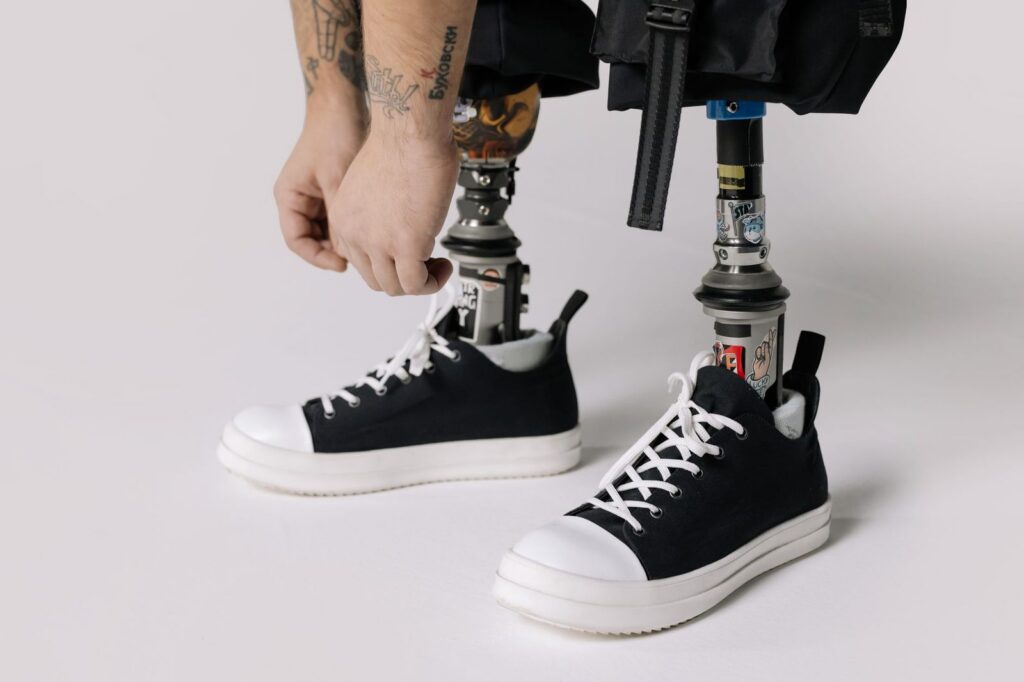
Prosthetic limbs require ongoing fitting, maintenance, and replacement as the body changes over time and as prosthetic technology evolves. They are expensive; a high-quality prosthetic leg can cost $5,000 to $15,000 or more, and insurance often does not cover the full cost or does not cover replacement as frequently as needed. Phantom limb pain—the sensation of pain in the missing limb—is a common long-term challenge that can persist for years or a lifetime.
Psychological adjustment to limb loss is profound. Many survivors experience depression, grief, and identity struggles. Vocational rehabilitation may allow return to work, but many jobs become impossible. Families often provide unpaid caregiving, and the injured person may face years of therapy and adaptation.
Severe Burn Injuries: Destruction of Skin and Tissue
Motorcycle crashes involving fire, friction burns, or fuel ignition can cause severe burns across large areas of the body. When a motorcycle catches fire or a rider slides across hot pavement at high speed, skin and underlying tissue are destroyed. Deep burns (third- and fourth-degree burns) destroy the full thickness of skin, muscle, and underlying tissue, requiring skin grafts and extensive surgery.
Severe burn survivors face permanent scarring, contractures (tight scar tissue that limits movement and function), and disfigurement. Recovery involves months or years of wound care, multiple surgeries, physical therapy, and psychological support. Infection and complications are common; some survivors do not survive the initial injury or its aftermath. Those who do survive often face a lifetime of medical appointments, additional surgeries, and emotional trauma related to pain, appearance, and loss of function.
Have questions about what happened?
Ask our team directly. The first conversation is free, confidential, and there is no obligation to continue.
Catastrophic Back and Neck Injuries: Chronic Pain and Permanent Disability
High-impact motorcycle crashes can fracture or dislocate vertebrae, causing severe back and neck injuries. These injuries may or may not result in paralysis, but they cause chronic pain, loss of function, and permanent disability. Survivors may require spinal fusion surgery (surgical joining of vertebrae), ongoing pain management (including opioid medications, nerve blocks, or spinal cord stimulation), and mobility aids.
Even without paralysis, these injuries can prevent return to work and normal activities, leaving survivors dependent on disability benefits and family support. Chronic pain affects sleep, mood, relationships, and quality of life. Many survivors struggle with depression and anxiety related to their injury and loss of function.
Head Injuries as the Leading Cause of Death in Motorcycle Crashes
Head injuries are the leading cause of death in motorcycle crashes, even among helmeted riders. Severe traumatic brain injury can be fatal immediately or lead to death in the days or weeks following the crash. Spinal cord injuries affecting the upper spine can damage the nerves controlling breathing (the phrenic nerve), leading to fatal respiratory failure. Multiple catastrophic injuries—combined head, spinal, and internal injuries—often prove fatal.
According to the National Highway Traffic Safety Administration (NHTSA), motorcyclists are 28 times more likely to die in a crash than passenger-vehicle occupants, and 5 times more likely to be injured. In 2022, the NHTSA reported 6,218 motorcyclist deaths in the United States. These statistics reflect the severe nature of injuries in motorcycle accidents and the lack of protective structure around the rider.
When a motorcyclist dies in a crash, the family left behind faces not only grief but also complex legal and financial questions. Wrongful-death claims brought by surviving family members can recover damages for the loss of the deceased’s income, companionship, and guidance, as well as funeral and medical expenses. If the crash resulted from another driver’s negligence or recklessness, the family may have a legal claim against that driver or their insurance.
Motorcycle Accident Statistics: When and How Catastrophic Crashes Occur
Research from the National Safety Council and the National Center for Biotechnology Information shows clear patterns in motorcycle injury severity.
Head and spine injuries account for the majority of catastrophic outcomes. Left-turn crashes—where an oncoming vehicle turns left in front of a motorcycle—are among the most severe, often resulting in head-on impact at high speed. Single-vehicle crashes (where a rider loses control due to road hazards, excessive speed, or impairment) and collisions with larger vehicles (trucks, SUVs) produce the most severe injuries.
Crashes occur most often in good weather (94%), during daytime (49%), and on urban roads (65%). This means that protective gear and weather conditions alone do not prevent catastrophic injury. The severity of the injury depends on the speed, angle of impact, and the size and weight of the other vehicle involved. A motorcycle hitting a stationary object at 30 mph can cause catastrophic injury; a motorcycle hit by a truck at any speed is likely to result in severe harm.
The Difference Between Catastrophic and Minor Injuries
Not all motorcycle injuries are the same. Minor injuries—soft-tissue damage, simple fractures, minor lacerations—heal within weeks or months with no lasting effect. You return to work, resume normal activities, and move forward.
Catastrophic injuries are fundamentally different. They cause permanent impairment: paralysis, brain damage, limb loss, severe scarring, chronic pain, or death. They require lifelong medical care, adaptive equipment, home modifications, and often full-time assistance. The financial, emotional, and physical burden extends across decades, affecting not only the injured person but their entire family. A catastrophic injury changes the trajectory of a life.
Want to know where you stand?
Tell us what happened and our team will walk you through the options available to you, at no cost.
What Happens After a Catastrophic Motorcycle Injury: Medical Care and Family Decisions
Immediate medical care focuses on stabilizing the injury and preventing further damage. Acute hospitalization and emergency surgery are followed by weeks or months of inpatient rehabilitation in a specialized center. Long-term care includes ongoing medical appointments, therapy, adaptive equipment, home care, and vocational rehabilitation (retraining for work the person can still do).
Families often face decisions about liability, insurance coverage, and how to pay for lifelong care. Medical bills mount quickly. A single day in a trauma ICU can cost $10,000 to $15,000 or more. Many insurance policies have caps on coverage. Families may face bankruptcy or lose their home trying to pay for care.
Many catastrophic injury survivors and their families pursue legal claims against at-fault drivers or negligent parties to recover damages for medical care, lost income, pain and suffering, and the cost of lifelong support. These claims can take months or years to resolve, but they often provide the financial foundation for long-term care and adaptation.
Frequently Asked Questions
Can a helmet prevent all head injuries in a motorcycle crash?
No. While helmets reduce the risk of head injury and death, they cannot prevent all traumatic brain injuries, especially in high-speed or high-impact crashes. A helmet protects against skull fracture and some types of brain injury, but the force of impact can still cause bruising, bleeding, and tearing of nerve fibers inside the brain.
Is spinal cord injury from a motorcycle crash always permanent?
Yes. Spinal cord injury is permanent; there is currently no cure. Recovery focuses on adaptation, rehabilitation, and lifelong care. Research into spinal cord regeneration is ongoing, but no treatment has yet restored function after severe spinal cord injury.
What is the difference between paraplegia and quadriplegia?
Paraplegia affects the lower body (legs and lower trunk) and usually results from mid- or lower-spine injury. Quadriplegia affects all four limbs and the trunk and usually results from upper-spine or neck injury. Quadriplegia is more severe and requires more extensive lifelong care.
How long does recovery from severe traumatic brain injury take?
Recovery varies widely and can take months to years. Some effects are permanent. Many survivors require ongoing neurological care and supervision. The brain can form new neural pathways (neuroplasticity), which allows some recovery, but severe injuries often result in permanent cognitive, physical, or emotional changes.
What should I do if I or a family member suffered a catastrophic injury in a motorcycle accident?
Seek immediate medical care at a trauma center if possible. Once stabilized, preserve evidence of the crash (photos, police reports, witness contact information) and consider consulting with an attorney who focuses exclusively on catastrophic injury claims. An attorney can help you understand your legal options, what damages you may be able to recover, and how to fund lifelong care.
Your Next Step: Understanding Your Legal Options
If you or someone you care for has suffered a life-altering injury in a motorcycle crash, you may have a legal claim against the at-fault driver or another responsible party. Many people in this situation—facing months of recovery, mounting medical bills, and uncertainty about the future—need to understand what happened, who is responsible, and how to pay for care.
Our firm handles catastrophic injury claims, including motorcycle crashes that cause spinal cord injury, paralysis, traumatic brain injury, amputation, severe burns, and other permanent, life-altering harm. We work with families throughout Florida to pursue damages that fund medical care, adaptive equipment, home modifications, lost income, and the cost of lifelong support.
Contact us for a free case evaluation. Tell us what happened, and we’ll explain your options and what comes next.
Why Motorcycle Injuries Are So Severe
Minimal Protection
Unlike cars, motorcycles offer no frame, airbags, or crumple zones. Riders absorb the full force of impact directly.
High-Speed Exposure
Motorcycle crashes often occur at highway speeds with the rider exposed to the road, other vehicles, and fixed objects.
Permanent Consequences
Injuries from motorcycle crashes frequently result in permanent disability, requiring lifelong medical care and support.
Common Catastrophic Motorcycle Injuries
Spinal Cord Injuries & Paralysis
Impact to the spine can cause partial or complete paralysis (paraplegia or quadriplegia). These injuries often result in permanent loss of function and require ongoing specialized care.
Traumatic Brain Injuries
Even helmeted riders can suffer severe brain injuries from the force of a crash. Bleeding, bruising, and nerve damage can cause cognitive, physical, and emotional impairment.
Amputation & Limb Loss
Limbs can be crushed, severed, or damaged beyond repair in motorcycle collisions. Amputation changes every aspect of a person's life and independence.
Severe Burns & Road Rash
High-speed slides across pavement cause deep tissue damage and severe burns. Catastrophic burns require extensive surgery, skin grafts, and long-term rehabilitation.
Helmets Save Lives—But Don't Prevent All Injuries
While helmets significantly reduce the risk of death and skull fracture, they cannot prevent all traumatic brain injuries, especially in high-speed or high-impact crashes. The force of impact can still cause bruising, bleeding, and nerve damage inside the brain. Similarly, helmets do not protect against spinal cord injuries, amputations, or severe burns—the most catastrophic outcomes of motorcycle crashes.
What We Focus On
Comprehensive Case Investigation
We investigate every detail: road conditions, vehicle maintenance, driver negligence, and insurance coverage to build a complete picture of how the crash happened.
Medical & Expert Collaboration
We work with medical specialists, life-care planners, and accident reconstruction experts to document the full scope of your injury and its lifetime impact.
Plain-Language Guidance
We explain your legal options and the claims process in straightforward terms—no jargon, no pressure, just honest counsel about your path forward.
Florida-Based, Serving Florida Communities
Based in Florida and licensed to practice there, we handle catastrophic motorcycle injury cases for clients throughout Florida.
Steps to Take After a Catastrophic Motorcycle Crash
Seek Immediate Medical Care
Even if you feel okay, go to an emergency room. Many serious injuries—especially brain and spinal cord injuries—develop or worsen over hours or days. Document everything the medical team finds.
Preserve Evidence
If safe, photograph the crash scene, vehicle damage, road conditions, and any debris. Get names and contact information from witnesses. Do not admit fault or sign anything from the other driver's insurance.
Report the Crash
File a police report and obtain a copy. Report the incident to your own insurance company. Keep records of all medical visits, prescriptions, and expenses.
Contact a Lawyer Early
The sooner you speak with an attorney, the sooner we can investigate, preserve evidence, and protect your right to fair compensation. Early action matters in catastrophic injury cases.
Time Matters in Catastrophic Injury Claims
Motorcycle crash investigations require immediate action. Evidence can disappear, witnesses' memories fade, and the insurance company is already working to minimize your claim. The sooner you have legal representation, the sooner we can secure evidence, consult medical experts, and build the strongest possible case for your recovery.