

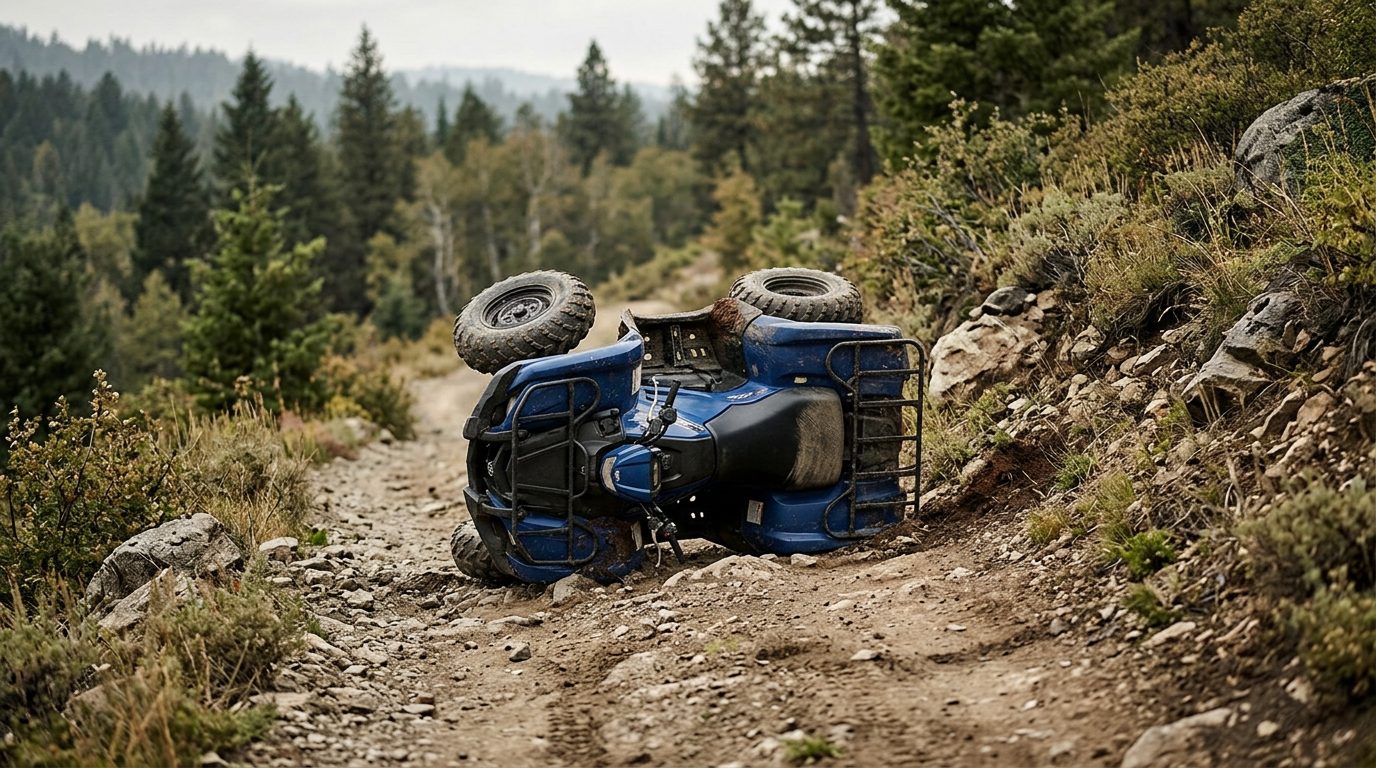
Catastrophic Injury
Catastrophic ATV Accident Injuries: Legal Help for Life-Altering Harm
ATV accidents can cause spinal cord injuries, paralysis, traumatic brain injuries, amputations, and severe burns. If you or a family member has suffered a catastrophic injury in an ATV accident, CHG Personal Injury Lawyers can help you understand your legal options.
By CHG Lawyers · Published September 27, 2026
Catastrophic ATV Accident Injuries: Spinal Cord, Brain, Amputation & Burn Claims
Catastrophic ATV accident injuries are permanent, life-altering conditions. They are not minor sprains or fractures that heal with time. These injuries include spinal cord damage causing paralysis, severe traumatic brain injuries, amputations, catastrophic burns, and fatal outcomes. If you or someone you care about has suffered a catastrophic ATV accident injury, understanding what happened—and who may be responsible—is the first step toward recovery and legal action.
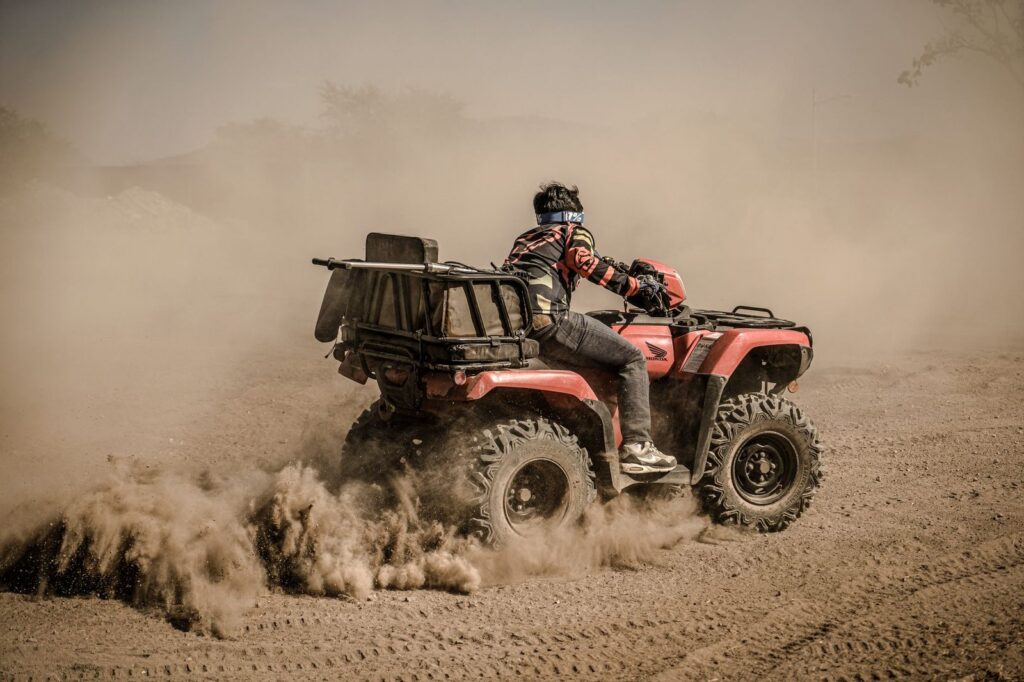
If you have a valid claim, you may recover both economic and non-economic damages. Talk it through with our team — the first consultation is free, confidential, and carries no obligation.
What Is a Catastrophic Injury?
A catastrophic injury is a permanent condition that causes lasting disability, loss of function, or death. It differs fundamentally from injuries that heal completely.
A catastrophic injury:
- Causes permanent impairment or loss of function that will not resolve with time or standard treatment
- Requires ongoing medical care, rehabilitation, or adaptive equipment for life
- Prevents the injured person from returning to their prior work, activities, or lifestyle
- Affects multiple body systems or causes total loss of a limb or sensory function
Why ATV Accidents Are Uniquely Dangerous
All-terrain vehicles offer no structural protection like a car’s frame or airbags. Riders sit exposed on top of the machine. At high speeds—often 40+ mph on uneven terrain—a rollover, collision, or entanglement causes catastrophic trauma. The lack of protection means injuries are often severe and permanent.
This guide focuses exclusively on catastrophic injuries from ATV accidents: spinal cord injuries and paralysis, traumatic brain injuries, amputations and limb loss, severe burn injuries, catastrophic back and neck injuries, and fatal outcomes.
Most Common Catastrophic ATV Accident Injuries
According to research from the National Institutes of Health, extremity and head trauma are the most common injuries in ATV accidents, with more than 50% of the injured being children. Here are the catastrophic injuries that change lives:
Spinal Cord Injuries and Paralysis
Rollovers and high-speed impacts can crush or sever the spinal cord. This results in paraplegia (lower-body paralysis) or quadriplegia (full-body paralysis). The injured person loses sensation, mobility, and control of bowel and bladder function. Many require lifelong attendant care, adaptive equipment, and home modifications.
Immediate and lifelong consequences: – Loss of sensation and voluntary movement below the injury level – Loss of bowel and bladder control – Loss of sexual function – Respiratory failure (if the injury is high in the neck) – Chronic pain and muscle spasticity
Lifetime care costs: The Christopher & Dana Reeve Foundation documents that lifetime costs for spinal cord injury care can exceed $1 million. This includes rehabilitation, adaptive equipment, attendant care, and ongoing medical management.
Learn more in our guide to spinal cord injury compensation.
Traumatic Brain Injuries
Head strikes during a rollover or collision cause the brain to move inside the skull. This tears nerve fibers and damages brain tissue. Symptoms include memory loss, difficulty concentrating, balance problems, seizures, and personality changes. Many TBI survivors face years of cognitive rehabilitation.
The invisible injury: TBI symptoms may not appear for hours or days after the accident. Many survivors and families don’t realize the full extent of the injury until weeks or months later, when cognitive or behavioral changes become apparent.
Long-term rehabilitation: Recovery from severe TBI often takes years and may be incomplete. Many survivors require cognitive therapy, speech therapy, occupational therapy, and ongoing neurological care.
See our detailed resource on traumatic brain injury damages.
Amputation and Limb Loss
Limbs can be caught and crushed under the ATV, entangled in wheels or the engine, or severed by the impact. Amputation is a medical emergency requiring rapid blood loss control and surgical intervention.
Lifelong impact: Survivors face phantom limb pain (a real neurological phenomenon that can persist for years), prosthetic fitting, and lifelong adaptation. Depending on which limb is lost and the person’s prior occupation, amputation may end a career. It may require retraining, home modifications, and lifelong adaptive equipment.
Severe Burn Injuries
When a fuel tank ruptures and ignites or the rider contacts hot engine components, severe burns result. Burns are classified by the percentage of body surface area (BSA) affected and depth of tissue damage. Severe burns cover more than 15–20% of BSA.
Emergency and long-term care: Severe burns require emergency airway management, fluid resuscitation to prevent shock, and pain management at a specialized burn center. Long-term consequences include scarring, contractures (permanent tightening of skin and muscle), loss of function, infection risk, and severe psychological trauma. Many severe burn survivors require reconstructive surgery, skin grafting, and years of wound care.
Catastrophic Back and Neck Injuries
Compression, hyperextension, or lateral flexion of the spine during a rollover or collision can cause permanent nerve damage. Unlike a simple fracture that heals, catastrophic spinal injury results in loss of sensation, weakness, chronic pain, and loss of bowel or bladder control.
Fatal ATV Accidents and Wrongful Death
Head and spinal cord injuries cause the majority of ATV fatalities. Traumatic brain injury and severe spinal trauma often result in death at the scene or within hours of the accident. Death occurs due to brain swelling, internal bleeding, or respiratory failure.
Risk factors that increase fatality: – High speed – Lack of helmet use – Rider inexperience or impairment – Terrain hazards (cliffs, water, obstacles) – Vehicle defects or design flaws
Children face disproportionate risk: Smaller body size, less developed judgment, and less physical strength make children more vulnerable to fatal injury in ATV accidents.
Wrongful death claims: When an ATV accident results in death, surviving family members may pursue a wrongful-death claim against a negligent operator, property owner, or manufacturer. Damages may include funeral expenses, lost wages the deceased would have earned, and compensation for the family’s loss.
Who Is Liable for a Catastrophic ATV Accident?
Liability in ATV accidents is often complex and may involve multiple defendants.
Operator negligence: Reckless riding, excessive speed, riding under the influence of alcohol or drugs, or failure to wear protective gear.
Property owner liability: Inadequate warnings of hazards, unsafe terrain, failure to maintain property, or allowing unqualified riders on dangerous land.
Manufacturer liability: Defective design, failure to warn of hazards, or crashworthiness defects that worsen injury in a foreseeable accident.
Rental company liability: Failure to maintain the vehicle, inadequate safety briefing, or renting to unqualified or underage riders.
Third-party liability: Negligent supervision of children, negligent instruction, or negligent entrustment of a vehicle to an unqualified driver.
In the catastrophic-injury cases we handle, we often identify multiple responsible parties and pursue claims against all of them.
Defective ATV Design and Crashworthiness
Some ATV accidents result from defects in the vehicle’s design or manufacture.
Design defects include unstable frame geometry that increases rollover risk, inadequate rollover protection, poor brake performance, or fuel tank placement that increases burn risk.
Failure to warn occurs when the manufacturer omits or minimizes safety labels and instructions.
Crashworthiness refers to the vehicle’s ability to protect occupants in a foreseeable accident. Manufacturers have a duty to design vehicles to minimize injury in crashes that are reasonably foreseeable.
If a defect directly caused or worsened your catastrophic ATV accident injury, you may have a product liability claim against the manufacturer.
Not sure what your next step is?
Talk it through with our team — the first consultation is free, confidential, and carries no obligation.
Rented ATV and Tour Accident Liability
Many catastrophic ATV accidents involve rented vehicles or organized tours.
Rental company duties: Maintain the vehicle in safe condition, provide adequate safety briefing, and screen renters for experience and age.
Tour operator negligence: Inadequate supervision of riders, unsafe routes, failure to match riders to terrain difficulty, or failure to require helmets and protective gear.
Liability waivers: Waivers signed at rental shops or tour companies may limit liability in minor accidents. However, they do not protect against gross negligence or reckless conduct. When a catastrophic injury results, courts often find waivers unenforceable.
What to Do After a Catastrophic ATV Accident
Immediate steps:
- Call 911 and request emergency medical care.
- Do not move the injured person unless there is immediate danger.
- Preserve the accident scene if possible—photograph the vehicle, terrain, and any hazards.
- Collect names and contact information from witnesses.
- Obtain a copy of the police report.
Medical care:
Seek emergency treatment immediately, even if injuries seem minor. Many catastrophic injuries (especially TBI) develop or worsen over hours or days. Follow all medical recommendations for specialist care, rehabilitation, and imaging.
Evidence preservation:
Photograph your injuries, the damaged ATV, the accident scene, and any hazards. Collect medical records, imaging (CT, MRI), and specialist reports. Keep records of all medical expenses and lost wages.
Do not sign waivers or settlement offers without legal review. Insurance companies often pressure injured people to settle quickly for less than their claim is worth.
Statute of limitations: In Florida, you have two years from the date of the accident to file a personal-injury lawsuit. Do not wait. Evidence can be lost, witnesses’ memories fade, and insurance companies may deny claims after the deadline passes. Learn more in our guide to the statute of limitations for injury claims.
Compensation and Damages in Catastrophic ATV Accident Cases
If you have a valid claim, you may recover both economic and non-economic damages.
Economic damages include: – All past and future medical expenses (emergency care, surgery, rehabilitation, adaptive equipment, home modifications, attendant care) – Lost wages and lost earning capacity – Cost of prosthetics, wheelchairs, and other adaptive equipment – Home and vehicle modifications
Non-economic damages include: – Pain and suffering – Loss of enjoyment of life – Emotional distress and depression – Loss of consortium (loss of companionship and intimacy with a spouse)
Punitive damages: If the defendant’s conduct was reckless or intentional, a court may award punitive damages to punish the defendant and deter similar conduct.
Wrongful death damages: If the accident resulted in death, surviving family members may recover funeral expenses, lost wages the deceased would have earned, and compensation for their loss.
Catastrophic injuries often require decades of medical and personal care. Lifetime costs can exceed $1 million.
Children and ATV Accident Risk
Children face disproportionate risk of catastrophic injury in ATV accidents.
Why children are at higher risk: – Smaller body size means less ability to absorb impact – Developing judgment and impulse control – Less physical strength to control the vehicle – Inexperience and overconfidence
Age-appropriate vehicle sizing: A child should ride a vehicle sized to their height and weight. An oversized ATV is difficult to control and increases rollover and injury risk.
Helmet and protective gear: Helmets reduce head injury risk by up to 37%, according to Mayo Clinic research. Protective gear (goggles, gloves, boots, long sleeves and pants) reduces lacerations and abrasions.
Parental liability: Parents who negligently supervise a child or allow an unqualified child to ride may face liability if the child is injured or injures someone else.
Lifelong impact: Catastrophic injuries in childhood affect development, education, independence, and quality of life for decades.
Have questions about what happened?
Ask our team directly. The first conversation is free, confidential, and there is no obligation to continue.
Frequently Asked Questions
What is the difference between a catastrophic injury and a serious injury?
A catastrophic injury causes permanent, life-altering disability or loss of function. A serious injury may heal completely or leave minor residual effects. Catastrophic injuries include spinal cord injury, paralysis, severe TBI, amputation, and severe burns. Uncomplicated fractures, soft-tissue injuries, and minor burns are not catastrophic.
Can I sue if I was partly at fault for the ATV accident?
Yes, under Florida’s comparative negligence rule (Fla. Stat. § 768.81(6)). If you are 50% or less at fault, you can recover damages reduced by your percentage of fault. If you are more than 50% at fault, you cannot recover.
How long do I have to file a lawsuit after a catastrophic ATV accident?
In Florida, you have two years from the date of the accident to file a personal-injury lawsuit. Do not wait—evidence can be lost, witnesses’ memories fade, and insurance companies may deny claims after the statute of limitations expires.
Are ATV rental companies liable for catastrophic injuries?
Yes, if the rental company failed to maintain the vehicle, provide adequate safety briefing, or screen renters for experience. Liability waivers may not protect the rental company if the injury resulted from gross negligence or reckless conduct.
What if the ATV was defectively designed?
If a design defect caused or worsened your injury, you may have a product liability claim against the manufacturer. Design defects include unstable frame geometry, inadequate rollover protection, or fuel tank placement that increases burn risk.
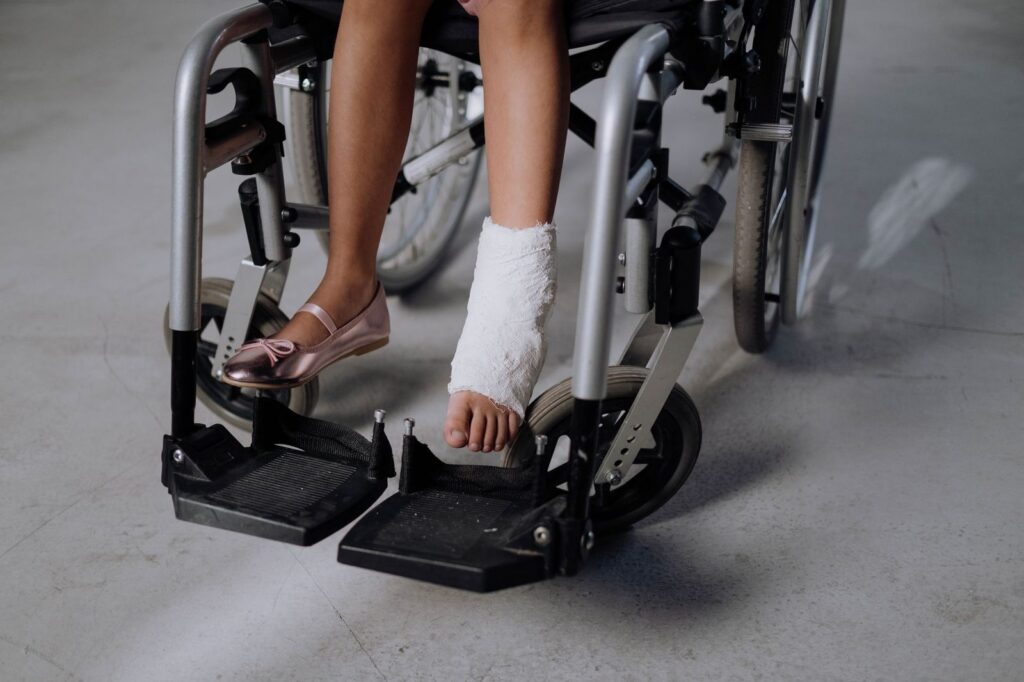
Getting Help After a Catastrophic ATV Accident Injury
Catastrophic ATV accident injuries are complex, and liability often involves multiple defendants. An attorney can investigate the accident, identify all responsible parties, gather evidence, negotiate with insurers, and pursue litigation if needed.
Our firm focuses exclusively on catastrophic injuries—spinal cord injuries, paralysis, traumatic brain injuries, amputations, severe burns, and fatal outcomes. We handle ATV accident cases throughout Florida, including Miami, Orlando, Tampa, and Jacksonville, and we take cases nationwide.
We offer a free case evaluation. There is no cost to discuss your situation, and you are under no obligation. If you or a family member has suffered permanent paralysis, brain injury, amputation, or severe burns in a catastrophic ATV accident injury, contact us today.
Types of Catastrophic ATV Injuries We Handle
Spinal Cord Injuries & Paralysis
ATV rollovers and collisions can damage the spine, resulting in paraplegia (lower-body paralysis) or quadriplegia (full-body paralysis). These injuries often require lifelong medical care, mobility aids, and home modifications.
Traumatic Brain Injuries
Head trauma from ATV accidents can cause permanent cognitive, physical, and emotional impairment. Survivors may face memory loss, difficulty concentrating, personality changes, and reduced earning capacity.
Amputation & Limb Loss
Crush injuries, entanglement, or severe lacerations from ATV accidents can result in the loss of fingers, hands, feet, or limbs. Amputation changes every aspect of daily life and requires prosthetics, rehabilitation, and ongoing care.
Severe Burn Injuries
Fuel leaks, fires, or contact with hot engine parts during or after an ATV accident can cause severe burns requiring emergency treatment, skin grafts, and years of recovery and rehabilitation.
Act Quickly
Evidence from an ATV accident—including the vehicle itself, maintenance records, witness statements, and medical records—can disappear or degrade over time. The sooner you contact a lawyer, the sooner we can preserve critical evidence and begin building your case.
Why CHG Personal Injury Lawyers
Focused on Catastrophic Injury
We focus exclusively on cases involving permanent, life-altering injuries. We understand the medical, financial, and emotional toll of catastrophic harm and know how to build cases that reflect the full scope of your damages.
Thorough Investigation
We investigate every angle: the ATV's design and maintenance, the accident scene, the other parties involved, and liability. We work with accident reconstructionists and medical professionals to build a strong case.
National Reach, Local Knowledge
Compassionate Advocacy
We treat you and your family with dignity and respect. We listen to your story, answer your questions, and fight for fair compensation so you can focus on recovery and rebuilding.
Common Causes of Catastrophic ATV Accidents
Operator Error & Inexperience
Lack of training, speeding, riding on unsafe terrain, or riding under the influence can lead to loss of control, rollovers, and collisions. Young and inexperienced riders are at particular risk.
Defective Design or Maintenance
Faulty brakes, steering, fuel systems, or frames can fail during operation. Improper maintenance or failure to repair known defects can make an ATV unsafe and lead to catastrophic accidents.
Unsafe Terrain & Conditions
Riding on steep slopes, in poor visibility, on wet or icy surfaces, or in areas with hidden hazards increases the risk of accidents. Property owners may be liable if they fail to warn of dangers or allow unsafe riding.
Rental or Third-Party Negligence
ATV rental companies may fail to inspect vehicles, provide safety instruction, or warn renters of risks. Guides or property owners may negligently allow unsafe riding or fail to maintain safe conditions.
What to Do After a Catastrophic ATV Accident
Seek Emergency Medical Care
Your health and safety come first. Call 911 immediately if anyone is injured. Get a full medical evaluation and follow all treatment recommendations, even if injuries seem minor at first.
Document the Scene
If you are able, take photos and video of the accident scene, the ATV, road or terrain conditions, weather, and any hazards. Note the date, time, and location. Get names and contact information from witnesses.
Report the Accident
File a report with local law enforcement or the property owner. Keep a copy for your records. Report the incident to your insurance company, but do not admit fault or sign anything without legal advice.
Preserve Evidence
Do not repair or discard the ATV or any equipment. Keep all medical records, bills, photos, and communications. Contact a lawyer as soon as possible to ensure evidence is properly preserved and your rights are protected.