

Jet Ski Accidents & Spinal Cord Injury
Jet Ski Spinal Cord Injury & Paralysis: What Families Need to Know
A spinal cord injury from a jet ski accident is one of the most catastrophic outcomes possible. It's a sudden, permanent change that affects every part of your life. Learn what happens next—and what legal options may be available.
By CHG Lawyers · Published September 01, 2026
Jet Ski Spinal Cord Injury & Paralysis: What Families Need to Know
A spinal cord injury from a jet ski accident is one of the most catastrophic outcomes possible. It’s a sudden, permanent change that affects every part of your life. The high-speed impact, collision, or ejection damages the bundle of nerves that carries signals between your brain and body. The result is often paralysis of the legs, arms, or both. This page explains how jet ski accidents cause spinal cord damage, what paralysis means, what recovery realistically looks like, and what legal options may be available to your family.
Not sure what your next step is?
Talk it through with our team — the first consultation is free, confidential, and carries no obligation.
How Jet Ski Accidents Cause Spinal Cord Injuries
High-speed collisions and sudden stops place enormous stress on the spine. Jet ski accidents make catastrophic spinal cord injury especially likely.
When a jet ski hits another vessel, a dock, or debris at speed, the rider’s body experiences violent deceleration. The machine stops or changes direction suddenly, but the rider’s spine continues forward. Ejection from the jet ski compounds this danger: the rider may strike the water, the jet ski itself, or nearby objects at high velocity. The head and neck absorb tremendous force.
Common causes include:
- Operator error, inexperience, and reckless behavior—excessive speed, failure to maintain control, impaired operation
- Defective equipment or poor maintenance of the jet ski
- Collisions caused by another operator’s negligence
The spine is particularly vulnerable in water-based accidents because there’s no protective surface to absorb impact gradually. The collision is direct and unforgiving.
The cervical spine (neck region) bears the brunt of injury in most jet ski accidents. The head and neck are exposed during impact and ejection. This is why jet ski accidents so often result in quadriplegia (paralysis of all four limbs) rather than paraplegia (lower-body paralysis alone).
What Is a Spinal Cord Injury?
A spinal cord injury occurs when trauma damages the bundle of nerves—the spinal cord itself—that carries signals between your brain and the rest of your body. These signals control movement, sensation, and vital functions like breathing and heart rate.
Doctors classify spinal cord injuries as complete or incomplete.
- Complete injury: The spinal cord is severed or so severely damaged that no signals cross the injury site. The result is total loss of function below the injury level.
- Incomplete injury: Some nerve fibers remain intact, and some signals can still pass through. Recovery of partial function is possible, though it varies widely.
The location of the injury determines which body parts are affected. The spine has three main regions:
- Cervical spine (C1–C8, the neck): Injury here affects the arms, hands, and legs. This typically results in quadriplegia.
- Thoracic spine (T1–T12, the mid-back): Injury here affects the trunk and legs. This typically results in paraplegia.
- Lumbar spine (L1–L5, the lower back): Injury here affects the legs and lower body. This also results in paraplegia.
Symptoms may appear immediately after the accident—loss of sensation, inability to move, pain. Or they may develop over hours or days as swelling (edema) around the spinal cord worsens. Early medical intervention is critical to minimize damage.
Paraplegia and Quadriplegia: Understanding Paralysis From Jet Ski Accidents
Paraplegia is paralysis of the lower body. The legs and lower trunk lose function and sensation. A person with paraplegia typically retains full use of the arms and upper body.
Quadriplegia (also called tetraplegia) is paralysis of all four limbs and the trunk. A person with quadriplegia may lose the ability to walk, use their hands, or control their core muscles. If the injury is high enough in the cervical spine, it may also affect breathing, requiring a ventilator.
Jet ski accidents disproportionately cause cervical injuries because of how the accident unfolds. The head and neck strike the water or the jet ski at high speed, compressing the cervical vertebrae. This is why quadriplegia is more common in jet ski accident survivors than paraplegia.
Paralysis is not the same as loss of sensation. Some people retain feeling in paralyzed limbs but cannot move them. Others lose both movement and sensation. The specific pattern depends on which nerve fibers were damaged.
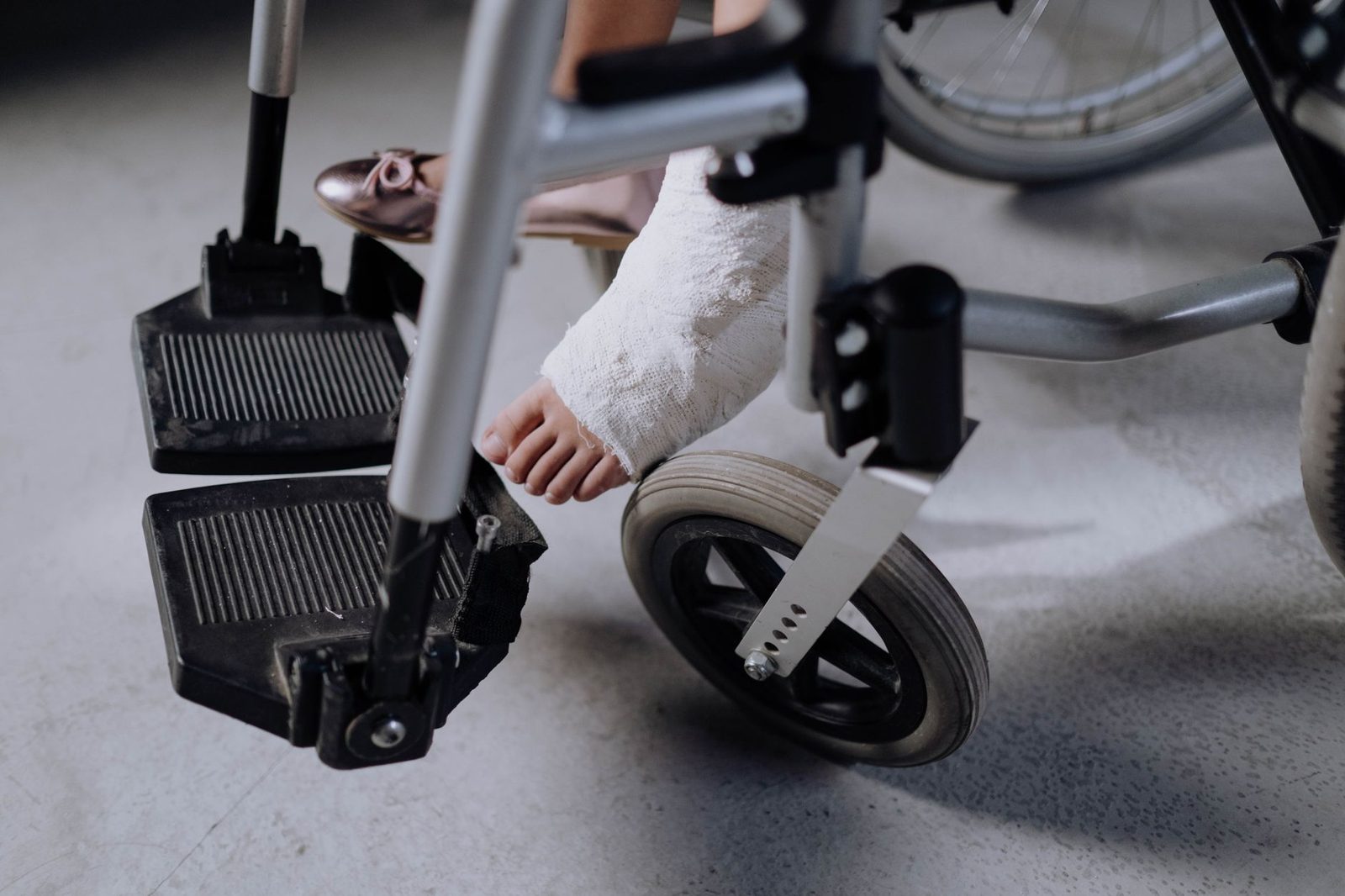
The immediate life changes are profound. A person with quadriplegia or paraplegia may need a wheelchair for mobility. They may require assistance with daily activities like bathing and dressing. They may depend on others for personal care. The emotional and psychological impact on the injured person and their family is enormous.
Can You Recover From a Complete Spinal Cord Injury?
This is the question every family asks, and the answer is difficult: complete spinal cord injuries are typically permanent. Once the spinal cord is severed, current medical science cannot repair it. The nerve fibers do not regenerate on their own.
That said, the field is evolving. Researchers are exploring approaches such as stem cell therapy and spinal cord stimulation, an electrical device that may help the brain communicate with the body in new ways. But these treatments are still experimental and not widely available. They may offer hope for the future, but they are not a reliable path to recovery today.
What does happen is rehabilitation and adaptation. In the months and years after a spinal cord injury, people work with physical therapists, occupational therapists, and rehabilitation specialists. They maximize the function they retain and develop new strategies for independence. Someone with paraplegia may regain enough upper-body strength to transfer from a wheelchair to a bed or car. Someone with quadriplegia may learn to operate a motorized wheelchair using eye-gaze technology or voice commands. These adaptations are real and meaningful, but they are not a “cure.”
Early medical intervention—surgery to stabilize the spine, medications to reduce swelling, intensive rehabilitation—can minimize additional damage and maximize recovery potential. This is why the first hours and days after a jet ski accident are critical.
The Most Common Injuries in Jet Ski Accidents
Spinal cord injuries rank among the most severe and permanent outcomes of jet ski accidents. The high-speed, high-impact nature of these accidents—combined with the vulnerability of the human body in water—creates conditions for catastrophic injury.
Neck and back injuries are frequent because the spine absorbs the force of collision or ejection. But spinal cord injuries rarely occur in isolation. In the catastrophic-injury cases our attorneys handle, we see spinal cord injury alongside traumatic brain injury (from impact to the head), internal injuries (ruptured organs, severe bleeding), fractures, and severe lacerations. These injuries compound one another, making medical recovery more complex and long-term care more demanding.
Does Riding a Jet Ski Hurt Your Back?
Routine operation of a jet ski can cause minor back strain—the vibration, the posture, the repetitive motion. That kind of discomfort is not what this page addresses, and it’s not the focus of catastrophic-injury law.
A catastrophic spinal cord injury is fundamentally different. It results from high-speed trauma—a collision, an ejection, a violent impact—that damages the spinal cord itself. The injury is permanent and life-altering. If you or a loved one experienced sudden loss of movement or sensation after a jet ski accident, that is a serious injury requiring emergency medical care and legal evaluation.
Have questions about what happened?
Ask our team directly. The first conversation is free, confidential, and there is no obligation to continue.
Jet Ski Accidents and Traumatic Brain Injury
Spinal cord injuries and traumatic brain injury (TBI) often occur together in jet ski crashes. When a rider is ejected or struck during a collision, the head may impact the water, the jet ski, or another object. This impact can cause a concussion, bruising of the brain, bleeding inside the skull, or diffuse axonal injury (damage to the brain’s nerve fibers).
The combination of spinal cord injury and brain injury is especially challenging. A person recovering from a spinal cord injury already faces immense physical and emotional demands. Add cognitive impairment—difficulty concentrating, memory loss, mood changes—and the path to rehabilitation becomes far more complex. For more information on how jet ski accidents cause traumatic brain injury, see our detailed guide on traumatic brain injury from jet ski accidents.
The Immediate and Long-Term Impact on Your Family
A spinal cord injury from a jet ski accident transforms your family’s life overnight. The financial and emotional burden is staggering.
Medical costs begin immediately: emergency care, surgery to stabilize the spine, hospitalization, imaging (MRI, CT scans), medications, and intensive rehabilitation. These costs often reach hundreds of thousands of dollars in the first year alone.
Ongoing care includes regular doctor visits, physical and occupational therapy, medications, and adaptive equipment—wheelchairs, lifts, specialized beds, bathroom modifications. Many people require personal care attendants to help with daily activities. These costs accumulate over a lifetime.
Lost income is devastating. The injured person may never work again. If they were the primary earner, the family loses not only their salary but also their earning capacity over the rest of their life.
Emotional and psychological impact is profound. Depression, anxiety, and post-traumatic stress are common. Relationships change. The injured person grieves the loss of their former life. Family members become caregivers, often sacrificing their own careers and well-being.
Lifestyle changes are permanent. Travel, recreation, and simple activities like going to the grocery store require planning and adaptation. Independence is lost or severely limited.
This is why families need legal guidance. You may have a claim against the operator, the rental company, the manufacturer, or others whose negligence caused the accident. Compensation can help cover these costs and provide some measure of financial security.
Who Is Responsible for a Jet Ski Spinal Cord Injury?
Liability depends on the facts of your accident. Here are the most common scenarios:
Operator negligence: The person operating the jet ski was reckless—speeding, operating while impaired, failing to follow safety rules, or simply lacking the skill to control the machine safely. If their negligence caused the accident, they are liable.
Rental company liability: If you rented the jet ski, the rental company may be liable for inadequate safety briefing, failure to inspect the machine for defects, negligent maintenance, or failure to warn of known hazards. Rental companies have a duty of care to their customers.
Manufacturer defects: If the jet ski had a design flaw or failed to warn of a known danger, the manufacturer may be liable under product liability law.
Third-party liability: If another operator’s negligence caused a collision that injured you, that operator is liable. If a property owner failed to maintain safe conditions (a dock in disrepair, inadequate lighting), they may be liable.
Determining liability is essential because it identifies who must pay your claim. This is why early legal consultation matters.
What Compensation May Be Available
Compensation in a spinal cord injury case typically includes:
- Medical expenses: Emergency care, surgery, hospitalization, rehabilitation, ongoing treatment, medications, and future medical care.
- Lost wages and earning capacity: Your salary from the time of the accident forward, plus the income you would have earned over your lifetime if you had not been injured.
- Pain and suffering: Compensation for the physical pain, emotional distress, and loss of enjoyment of life.
- Home modifications and adaptive equipment: The cost of wheelchair ramps, accessible bathrooms, specialized beds, lifts, and other equipment necessary for daily living.
- Personal care and attendant services: The cost of hiring caregivers to assist with daily activities.
The amount of compensation depends on the severity of your injury, your age, your pre-injury income, the cost of your future care, and other factors. An attorney who focuses exclusively on catastrophic injuries can evaluate your specific situation and help you understand what your claim may be worth.
Jet Ski Waivers and Liability Limits
Many jet ski rental companies ask customers to sign liability waivers—agreements that attempt to shield the company from legal responsibility if you are injured.
Under Florida law, a signed waiver is generally enforceable if its terms are unambiguous, unless the waiver contravenes public policy. (source) An attorney can challenge an invalid or overly broad waiver and pursue your claim despite the agreement you signed.
This is another reason to consult an attorney before accepting any settlement offer or signing any additional documents.
Maritime Law and Jet Ski Accident Claims
Jet ski accidents may fall under maritime law—the body of law governing accidents and injuries on navigable waters. Maritime law differs significantly from ordinary personal injury law and can provide additional remedies and protections.
For example, maritime law may allow a claim under general maritime law. The Jones Act, by contrast, allows a seaman injured in the course of employment to bring a civil action against the employer. These can provide different standards of liability and different damage calculations than state law. An attorney experienced in maritime claims can identify which laws apply to your accident and pursue all available remedies.
Want to know where you stand?
Tell us what happened and our team will walk you through the options available to you, at no cost.
What to Do If You or a Loved One Suffered a Spinal Cord Injury in a Jet Ski Accident
Seek immediate medical attention. Spinal cord injuries are medical emergencies. Do not move the injured person unnecessarily. Call 911 and let paramedics stabilize the spine before transport to a hospital.
Report the accident to local authorities and to the property owner or rental company. Request a written incident report.
Preserve evidence. Take photos of the jet ski, the accident scene, the water conditions, and any visible injuries. Get the names and contact information of all witnesses. Keep records of all medical treatment and expenses.
Do not sign waivers or settlement offers without legal review. Rental companies and insurers may pressure you to sign documents that limit your rights. An attorney can review these documents and advise you.
Contact an attorney who focuses exclusively on catastrophic injuries. The statute of limitations for a Florida personal injury claim is two years from the date of the accident. After two years, your right to sue expires. Early legal consultation preserves your right to file a claim and allows your attorney to gather evidence while it’s fresh.
Under Florida’s comparative negligence law, you may still recover compensation even if you were partly at fault, unless you were found to be more than 50% at fault. You can recover as long as you were 50% or less responsible for the accident. An attorney can explain how this law applies to your case.
If you’ve lost a loved one in a fatal jet ski accident, or if you’re facing the reality of permanent paralysis after a jet ski crash, the path forward is overwhelming. Medical decisions, financial uncertainty, and questions about who is responsible all demand answers at once. Many people ask whether the operator, the rental company, the manufacturer, or someone else may be held responsible for what happened. A conversation with an attorney who focuses exclusively on catastrophic injuries can help clarify what you’re facing and what may be possible next.
Why Jet Ski Spinal Cord Injuries Demand Immediate Action
Permanent, Life-Altering Damage
A spinal cord injury from high-speed impact, collision, or ejection can result in partial or complete paralysis of the legs, arms, or both. Recovery is limited; the focus shifts to lifelong care, mobility aids, and adaptation.
Massive, Long-Term Costs
Medical bills, rehabilitation, home modifications, ongoing nursing care, adaptive equipment, and lost income add up to hundreds of thousands or millions of dollars over a lifetime. Early legal action protects your family's financial future.
Time Matters
Evidence—witness statements, water conditions, operator negligence, equipment failure, and property records—fades quickly. Acting fast preserves the facts and strengthens your claim.
Compassionate, Focused Representation
CHG focuses exclusively on catastrophic injury cases. We understand the medical, emotional, and financial toll. Our approach centers on your family's needs and long-term recovery.
What Happens After a Jet Ski Spinal Cord Injury
Immediate Medical Crisis
Spinal cord injuries require emergency stabilization and specialized trauma care. Paralysis may develop within hours. Your focus is survival and preventing further damage. Medical teams will assess the level and severity of the injury.
Rehabilitation & Adaptation
Recovery involves intensive physical therapy, occupational therapy, and psychological support. Many people regain some function; others face permanent paralysis. The goal is maximizing independence and quality of life within the new reality.
Lifelong Care & Costs
Paralysis requires ongoing medical care, home modifications, mobility equipment, attendant care, and accessibility adaptations. These costs—often $1–5 million over a lifetime—must be planned for and funded.
Legal Accountability
Jet ski accidents often involve operator negligence, unsafe conditions, defective equipment, or failure to warn. A legal claim can recover damages for medical care, lost income, pain, and the cost of lifetime support.
Act Quickly—Evidence Fades
Witness memories, water and weather conditions, operator records, and equipment details are easiest to preserve immediately after an accident. Delays make it harder to build a strong claim. Contact CHG as soon as possible to protect your family's rights.
Common Causes of Jet Ski Spinal Cord Injuries
High-Speed Collisions
Jet skis can reach 60+ mph. A collision with another watercraft, dock, or object can cause severe spinal trauma and ejection, resulting in paralysis.
Operator Negligence
Reckless driving, speeding, operating under the influence, or failure to maintain control increases the risk of catastrophic impact and spinal cord damage.
Defective Equipment
Faulty steering, brake failure, or structural defects can cause loss of control and violent crashes. Manufacturers may be liable for design or manufacturing flaws.
Unsafe Conditions & Lack of Warning
Hidden obstacles, shallow water, debris, or unmarked hazards can cause sudden impact. Failure to warn users or maintain safe conditions may create liability.
How CHG Can Help Your Family
Investigation & Evidence Preservation
We immediately secure witness statements, operator records, water conditions, equipment inspection reports, and any video or photographic evidence before it disappears.
Medical & Expert Coordination
We work with spinal cord injury specialists, life-care planners, and economists to document the full scope of your injury, lifetime care needs, and financial impact.
Liability & Accountability
We identify all responsible parties—the operator, equipment manufacturer, rental company, or property owner—and pursue claims for negligence, product defect, or failure to warn.
Compassionate Guidance
We explain your options in plain language, answer your questions, and handle the legal work so your family can focus on recovery and adaptation.