
Florida Car Accidents | Serving Florida
Hurt in a Minor Car Accident? Know When to Get Legal Advice.
Many small crashes end with a quick repair and no lasting problems. Others bring pain that shows up later, or an insurance company that suddenly has many questions. Here is how to tell the difference.
By CHG Lawyers · Published November 9, 2026
A minor car accident can still cause real injuries, even when the cars look fine. This guide explains the main points many injured people consider after an accident, in plain language, so you can decide your next step.
What Counts as a Minor Car Accident?
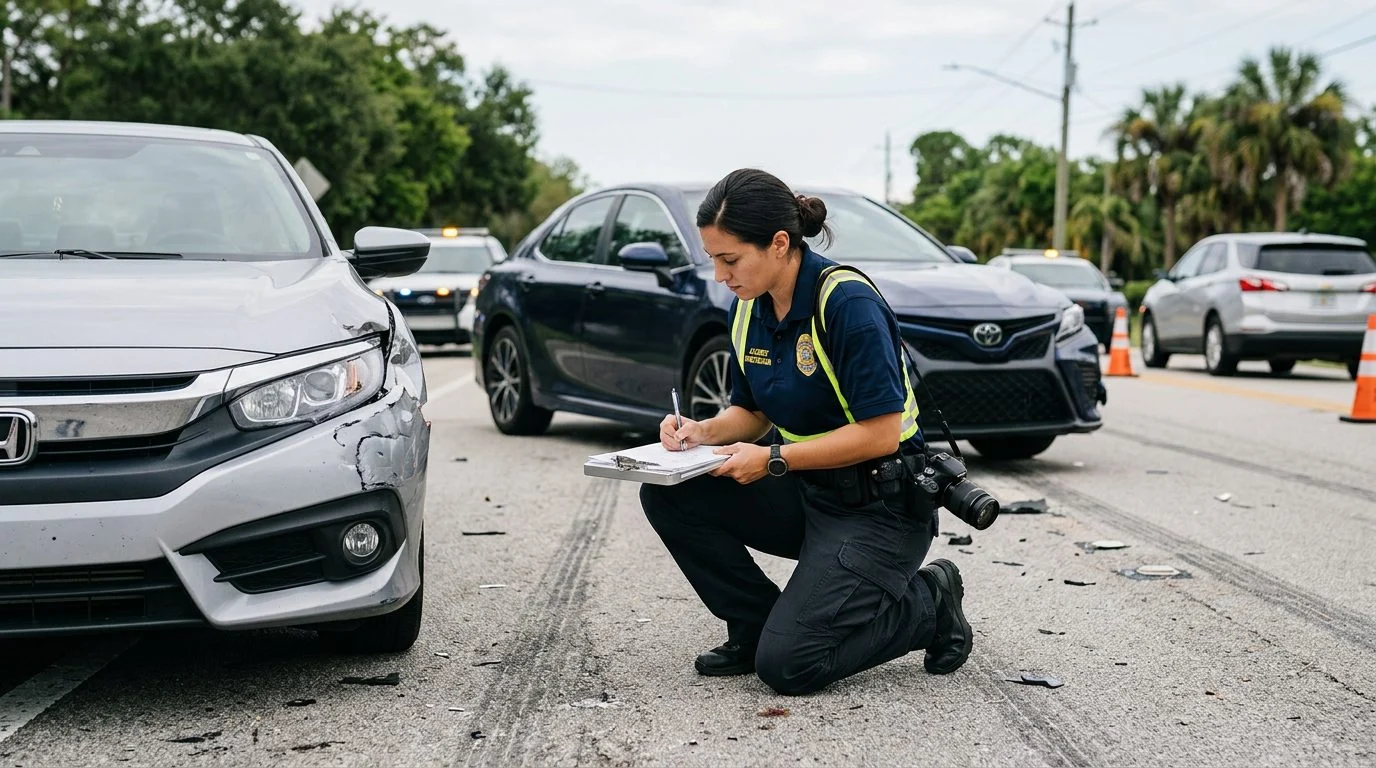
A minor car accident is usually a low-speed crash with little visible damage to the vehicles. Many people call it a fender bender.
“Minor” describes the cars, not the person. A bumper that only scratches can still come with a sore neck or a strained back. Damage level does not decide whether an injury is real.
The facts matter more than the label. How fast were you going? Where were the cars when they hit? Did airbags deploy? Did anyone feel hurt, even a little? These details shape what you should do next. If you were a passenger, a family member in the car, or a rideshare rider, the same questions still apply.
If your crash looked minor but you're still hurting or unsure how to answer the insurance company, our team can talk with you, with no obligation. Talk it through with our team — the first consultation is free, confidential, and carries no obligation.
What to Do Right After a Minor Car Accident
The first step is to check everyone for injuries, then move to safety if you can. Call 911 if anyone is hurt or the road is unsafe.
Next, document the scene while it is fresh. Take photos of both vehicles, the license plates, the road, and the lighting. Write down the names and phone numbers of any witnesses.
Exchange names, insurance details, and phone numbers with the other driver. Stay polite, but don’t admit fault or guess about what happened. Keep copies of everything you sign or receive.
See a doctor, even if the pain seems small. Some symptoms are not felt right away. Tell the doctor about every new ache, and keep notes of each visit.
How a Minor Accident May Affect Your Insurance
A minor accident may affect your insurance, but the result depends on your insurer, your policy, and your driving history. No single rule fits every driver.
Reporting the crash to your own insurer is a separate step from the other driver’s claim. Ask your insurer what it needs from you and what records you should keep.
You may receive a request for a recorded statement from an insurance company. You do not have to answer on the spot. You may ask what the call is about, and you may ask to speak with a lawyer first.
Florida law also gives you tools to request information. Under Fla. Stat. § 627.4137, a liability insurer generally must provide a sworn statement of its policy limits and a copy of the policy within 30 days of a written request. Under Fla. Stat. § 627.4136, a person who is not insured under the other driver’s policy generally must first obtain a settlement or verdict against that driver before suing the insurer. The other driver’s insurer is not usually a direct target at the start of a claim.
When Injuries May Show Up Later
Some injuries, such as neck or back pain, may not be noticed right away. Symptoms that appear days later can still be real. Raise them with a doctor as soon as you notice them.
Keep your own record. Write down the date of each medical visit, what you told the doctor, and any new symptom. Note work you missed, activities you could not do, and any prescriptions you received.
These notes are your own documentation. They may be relevant to a claim, depending on the facts. A gap in treatment may also be relevant, depending on the facts of your case. Follow your doctor’s advice about care, even if a claim seems far away.
Florida Rules That May Affect a Minor Car Accident Claim
Florida’s car insurance rules can change what a claim may include. Each case differs, and no result is promised.
Personal injury protection (PIP). Florida’s no-fault system uses personal injury protection, described in Fla. Stat. § 627.736. PIP may help pay certain medical and income-loss costs under your own policy, depending on your coverage and the facts.
Shared fault. Under Fla. Stat. § 768.81(6), a party found greater than 50 percent at fault for their own harm may not recover any damages. That subsection does not apply to medical negligence actions under chapter 766. How fault is divided depends on the facts.
Deadlines. Under Fla. Stat. § 95.11(5)(a), an action founded on negligence falls within a two-year period. When that period starts, and whether any exception applies, depends on the facts. Do not assume you have more time than the statute allows.
Signs It May Be Worth Talking With a Lawyer
A consultation may be worth considering when injuries appear later, fault is disputed, or an insurer asks for a recorded statement. These are considerations, not a test. You decide whether to seek advice.
Other situations that may call for a conversation include:
- Medical bills or lost wages you did not expect.
- A passenger, family member, or rideshare rider who was hurt.
- Questions about rental cars, repairs, or who pays for them.
- Conflicting accounts of how the crash happened.
CHG charges no attorney’s fees and no case costs unless there is a recovery. In Spanish, the approved statement reads: CHG no cobra honorarios de abogado ni costos del caso si no hay recuperación.
If a matter may be referred to another lawyer or firm, we will tell you so.
Common Questions
Do I need a lawyer after a minor car accident in Florida?
Not every minor crash needs a lawyer. Injuries, disputed fault, or insurance requests can make a conversation useful.
Can I still have a claim if I was hurt in a minor crash?
You may. Whether a claim exists depends on the facts, the injury, and the rules above.
Not sure what your next step is?
Talk it through with our team — the first consultation is free, confidential, and carries no obligation.
Talk With Igor Hernandez About Your Accident
Igor Hernandez is the responsible lawyer for this page. He is admitted in Florida as a member of The Florida Bar. CHG Personal Injury Lawyers is a Florida-based practice that focuses on personal injury cases for people across Florida.
If your crash looked minor but you’re still hurting, or you’re unsure how to answer an insurance company, you don’t have to sort it out alone. You can contact CHG Personal Injury Lawyers for a free, confidential first consultation, with no obligation to continue.
Signs a Conversation with a Lawyer May Help
You are hurting, even a little
Neck, back, or headache pain often appears hours or days after a crash. If something feels wrong, follow your doctor's care and keep track of your symptoms.
Fault is being disputed
When the other driver or their insurer says the crash was your fault, or the police report does not match what you remember, the details matter.
The insurance company is calling
Adjusters may ask for recorded statements or quick settlements. Talking with a lawyer first can help you understand what you are being asked to say.
The crash involved a commercial or rideshare vehicle
Work trucks, delivery vans, and rideshare cars can involve more than one insurance policy, which makes the claim more complicated.
Do Not Ignore Symptoms
Some injuries do not show up right away. If you have pain, dizziness, numbness, or any symptom that worries you after a crash, get medical care promptly. Your health comes first.
Questions People Often Ask Us
Is my crash too minor to matter?
Minor damage to a car does not always mean minor injuries. A free consultation can help you look at your specific situation.
I feel fine right now. Should I wait?
Waiting can make it harder to connect an injury to the crash. Speaking with a lawyer early can help you protect your options.
Should I give a recorded statement?
Our lawyers can explain the process.
What should I keep after a crash?
Photos, the police report number, medical records, receipts, and notes about your symptoms and time missed from work can all be useful.