


Florida Car Accident Injuries
Neck and Back Pain After a Florida Car Accident: What to Know Next
Neck and back pain after a crash can be hard to sort out on your own. Learn how Florida law may apply to your injuries, and how CHG Personal Injury Lawyers can help you understand your options.
By CHG Lawyers · Published October 14, 2026
If neck or back pain started after a Florida car accident, writing things down is one of the most useful steps you can take. A clear record of your care, symptoms and daily limits helps show what happened and how the crash has affected your life. This page explains how to build that record. It does not estimate what any case may be worth, and no result is promised. You may have searched for neck and back pain after car accident settlement amounts. Those figures depend on facts this page cannot know, so we start with the steps that come first.
Why a Written Record of Neck and Back Pain Matters After a Florida Crash
A written record helps you remember what happened, when symptoms began, and how they changed your daily life. Pain after a crash does not always show up right away. Some people feel shaken but fine at the scene. Then stiffness or pain shows up later that day or in the days after. Notes made at the time can fill that gap. Memory of details fades, especially during a busy stretch of doctor visits, bills and missed work. Records made close to the event are easier to rely on than recollections written months later. If the crash happened in Miami, Orlando, Tampa, Jacksonville or another Florida community, the steps are the same. The rules discussed here are Florida law. Every case is different, and no result is promised.
If neck or back pain followed a crash and you are not sure what to do next, our team is glad to talk it through with you in a free, confidential, no-obligation consultation. Talk it through with our team — the first consultation is free, confidential, and carries no obligation.
Get Medical Evaluation Early and Follow Your Provider’s Advice
Get a medical evaluation as soon as you can after a crash, and describe every symptom you have. Tell the provider about neck pain, back pain, headaches, numbness, tingling and weakness, even if a symptom seems minor. Provider notes become part of your medical record. A symptom left out of those notes may be missing from later reports, and insurers may question the gap. Keep every follow-up appointment. If you miss one, write down the reason. Tell your provider when pain changes, spreads, or starts to affect your arms or legs. Ask for a written list of restrictions, such as lifting limits or time off work. Florida’s rules on personal injury protection (PIP) benefits in Fla. Stat. § 627.736 involve medical bills and whether treatment was reasonable and necessary. Clear notes help with both.
Common Neck and Back Injuries Doctors May Evaluate
After a crash, a doctor may evaluate soft-tissue strains, disc problems and nerve irritation. Only a physician can make a diagnosis. Soft-tissue injuries involve the muscles, tendons and ligaments around the spine. Disc problems involve the cushions between the bones of the spine. Nerve irritation happens when a nerve root in the neck or back is irritated or pinched. It can cause pain, numbness or tingling that travels into an arm or leg. In the neck, doctors may call this cervical radiculopathy. Doctors use the physical exam, the patient’s history and tests such as imaging to reach a diagnosis. Imaging results and symptoms may not always match, so the doctor’s full assessment matters. Ask your provider to write the diagnosis and any restrictions in plain words you understand. Keep a copy. If a term is unclear, ask what it means for you.
Keep a Symptom and Daily-Activity Journal
A daily journal records your pain and your limits. Write each entry at the time, not later from memory. Include the date, where you felt pain, what kind of pain it was, and how severe it felt on a scale you choose. Note what made it better or worse, such as sitting, driving or a long walk. List medicines you took and when, and note how you slept. Then write down what the injury now keeps you from doing. Examples include lifting a child, driving to work, doing laundry, cooking, exercising or handling job duties. Record any missed work and the hours lost. Keep the journal honest. Do not add details you do not remember, and do not overstate or understate what you feel. A journal can help you and your doctor recall details over time. It supports your medical record and does not replace it.
Collect Medical Records, Imaging, Prescriptions, and Bills
Gather your medical records, imaging reports, prescription history and bills, and keep copies organized by date. Start with emergency room or urgent care notes. Then add visits to your regular doctor, imaging reports and image files, physical therapy notes, and work-restriction forms. Each clinic keeps its own file, so request records from every office. Keep itemized bills that list each service and its charge. Keep insurance letters, including PIP statements and denials, in a separate folder. Some care may be given under a letter of protection, which is a promise to be paid from any settlement or judgment. Florida sets specific disclosure rules for that situation.
Florida Rules That Can Shape How Neck and Back Injuries Are Presented
Several Florida rules may affect how a neck or back injury claim is presented. These include PIP, a permanency threshold, comparative fault and a filing deadline. Each rule has limits, and how it applies depends on your facts. In a Florida motor-vehicle claim, pain, suffering and mental anguish damages may be recoverable only in limited circumstances, such as when the injury meets a statutory permanency threshold, and results depend on the facts of each case. Those include significant and permanent loss of an important bodily function, or permanent injury within a reasonable degree of medical probability, other than scarring or disfigurement. Whether a neck or back injury meets that test depends on medical evidence. Comparative fault (shared fault) can also limit recovery. Under Fla. Stat. § 768.81, a person found more than 50 percent at fault for their own harm may be barred from recovering damages in certain negligence actions. Under § 768.81(6), this generally applies to negligence actions filed after March 24, 2023, does not apply to medical negligence actions, and depends on the facts of each case. Filing deadlines depend on the type of claim, when it accrued and the exceptions that may apply, so each case should be reviewed promptly. When a claim accrues depends on Fla. Stat. § 95.031. These rules are general. Do not treat them as advice about your own case.
Not sure what your next step is?
Talk it through with our team — the first consultation is free, confidential, and carries no obligation.
Preserve Crash Evidence: Photos, Vehicle Damage, Witnesses, and the Crash Report
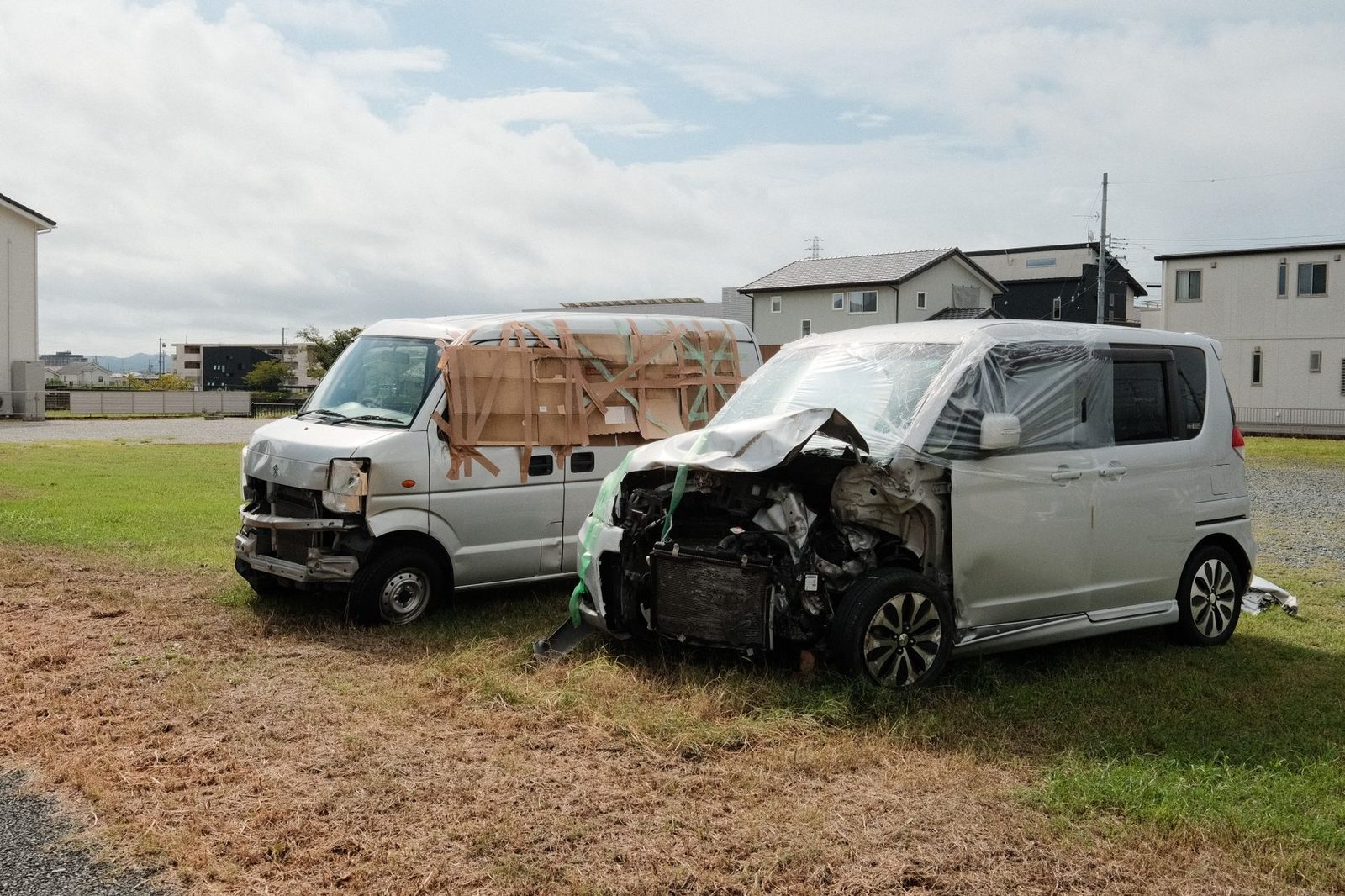
Preserve crash evidence as early as you safely can. Start with photos, witness names and the crash report number. Photograph the scene, both vehicles, the damage, road conditions and any visible injuries. Take wide shots and close-ups. Write down the other driver’s name, insurance details, license plate and contact information. Collect names and phone numbers for any witnesses, and note what each person saw. Keep the Florida crash report number. Save repair estimates, damage photos and rental or ride receipts. Vehicle damage and scene conditions may help show how a crash happened, though they do not settle fault on their own. Before you give a recorded statement to an insurer, ask what it is for and who will use it. Under Fla. Stat. § 627.4137, an insurer that may provide liability coverage generally must answer a claimant’s written request for policy information within 30 days.

When to Talk With a Florida Personal Injury Lawyer
You may want to talk with a Florida personal injury lawyer if neck or back pain followed a crash and you are unsure about bills, records or deadlines. Many questions can come up at once. You do not have to sort them out alone. CHG charges no attorney’s fees and no case costs unless there is a recovery. In Spanish, that reads: CHG no cobra honorarios de abogado ni costos del caso si no hay recuperación. Your first consultation is free, confidential and comes with no obligation to continue. For a broader overview, see the Florida car accident claims guide. Results depend on the facts of each case, and no outcome is promised. Attorney advertising.
Frequently Asked Questions
Does Florida limit pain and suffering claims after a car accident?
Florida generally limits these damages in motor-vehicle cases. The limits depend on whether the injury meets the statute’s permanency requirements.
What is the Florida deadline to file a negligence lawsuit?
For most negligence claims accruing after March 24, 2023, the general deadline is two years under Florida law, with exceptions. Talk with a lawyer about your specific dates.
Do I need to disclose a letter of protection in Florida?
Yes, if you seek medical expenses for treatment given under one. Florida requires specific disclosures before those expenses can be claimed.
Why Florida Drivers and Passengers Contact CHG
Serving Florida
CHG Personal Injury Lawyers focuses on personal injury matters for people across Florida, from Miami and Fort Lauderdale to Orlando, Tampa and Jacksonville.
Florida Bar Admitted
Igor Hernandez is a licensed attorney and a member of The Florida Bar.
Plain-Language Guidance
Confidential First Consultation
Your free initial consultation is confidential and carries no obligation to continue.
CHG charges no attorney's fees and no case costs unless there is a recovery.
Do Not Ignore Neck or Back Pain
Getting medical evaluation and keeping records of your care can help document your condition. Talk with a lawyer about how Florida rules may apply to your situation, because every case depends on its own facts.
Steps to Consider After a Florida Car Accident
Seek Medical Care
Tell your doctor about all neck, back, or other pain, even if it seems minor. Follow the treatment plan your providers recommend.
Document the Scene
If you are able, note the location, the other vehicles involved, and the names and contact details of any witnesses.
Keep Your Records
Save medical bills, appointment notes, prescriptions, photos, and any correspondence about the crash and your injuries.
Talk With a Florida Attorney
A lawyer can review the facts of your crash and explain how Florida law may apply. Contact CHG for a free, confidential first consultation.
Talk With Igor Hernandez About Your Florida Car Accident Injuries
Related practice areas
- Car Accident Settlements in Florida: What Your Case May Be Worth
- Paralysis After Car Accident in Florida: First Steps