

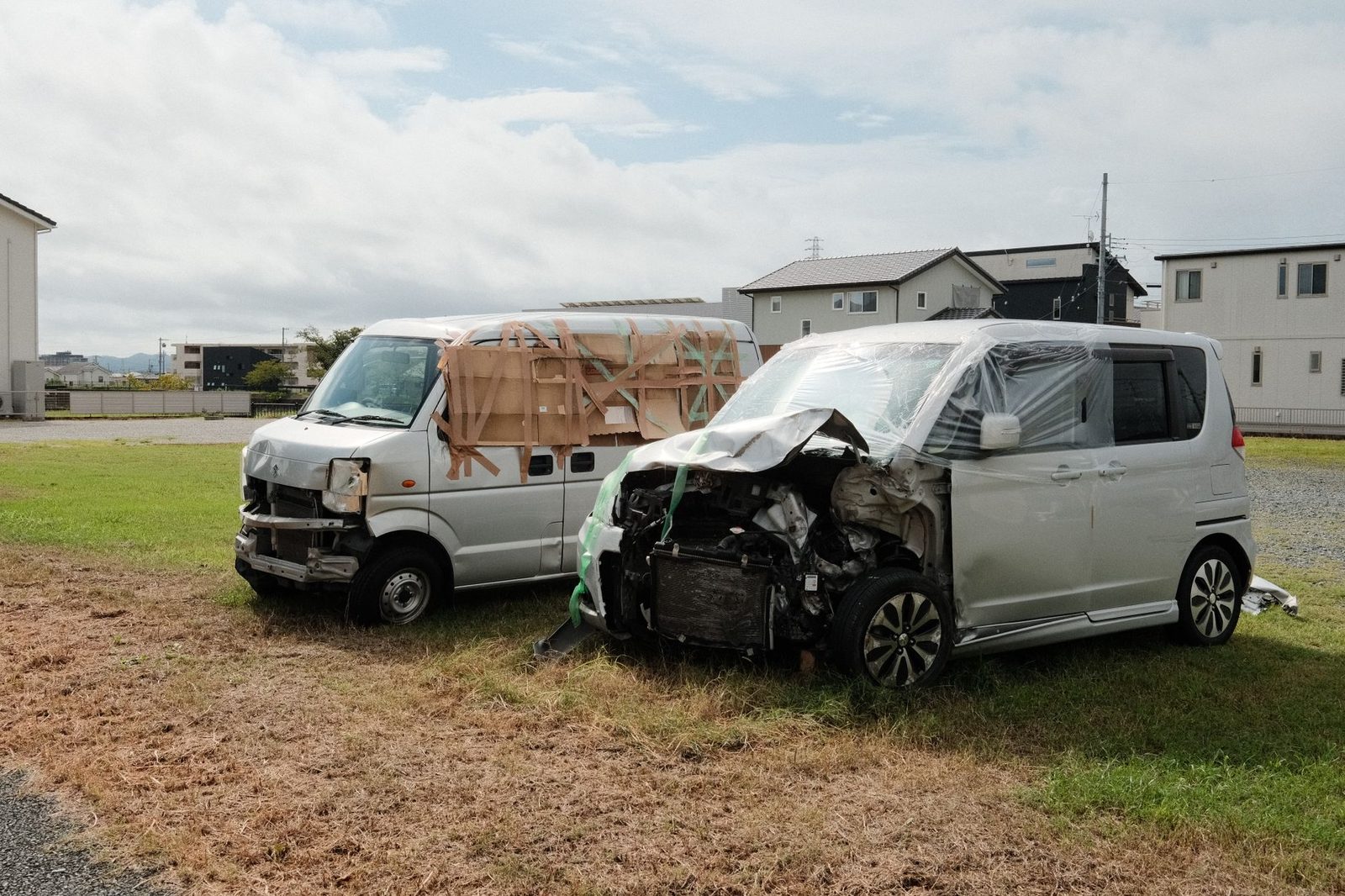
Florida Car Accident Records
How to Find Local Car Accident Reports in Florida
Access public crash data, request your own report, and understand what information is available to you.
By CHG Lawyers · Published September 27, 2026
How to Find Florida Car Accident Public Records & Crash Reports
Police departments and state agencies document every crash. You can find information about local car accidents free or for a small fee.
If you were injured in a car accident, finding the crash report is your first step. The report shows what happened and who was at fault. It also supports any car accident claim you pursue.
Not sure what your next step is?
Talk it through with our team — the first consultation is free, confidential, and carries no obligation.
Why You May Need Car Accident Public Records
You might search for car accident information for several reasons:
- A loved one was in an accident.
- You want to understand traffic safety in your area.
- You’re researching a specific incident.
If you or someone close to you was hurt, the crash report matters. That information helps you understand the facts and decide your next steps.
Are Car Accidents Public Record in Florida?
Yes. Traffic crash reports are public records in Florida. Police and highway patrol agencies document accidents as part of their official duties.
Public access to crash data serves important purposes:
- It promotes transparency in law enforcement.
- It helps the public understand local traffic safety.
- It gives accident victims the facts they need.
How to Access Florida Car Accident Public Records for Free
The Florida Department of Highway Safety and Motor Vehicles (FLHSMV) maintains traffic incident data. You can access current and recent incidents on their website. The data includes location, time, and basic crash details.
Local police departments and sheriff’s offices also keep accident reports. Call your local police non-emergency line. Ask about a specific accident. Many municipalities post traffic summaries online.
For real-time information, traffic apps and GPS services show crash locations and road delays.
Have questions about what happened?
Ask our team directly. The first conversation is free, confidential, and there is no obligation to continue.
What Information Is in Florida Car Accident Public Records?
Public crash reports contain substantial detail:
- Date, time, and exact location
- Names and contact information of drivers and witnesses
- Vehicle information (make, model, license plate, VIN)
- Description of how the accident happened
- Citations or violations issued
- Whether injuries were reported
- Sometimes insurance information
This information is crucial if you need to file a car accident claim. It establishes the facts and helps identify who was at fault.
How to View a Crash Report in Florida
To get an official crash report, request it from the responding agency. This is usually the local police department, sheriff’s office, or Florida Highway Patrol.
Here’s what to expect:
- Provide identifying information: Have the date, location, or case number ready.
- Choose your method: Some agencies allow online requests. Others require in-person or mail requests.
- Expect a small fee: Most agencies charge $5–$15 for a copy.
- Allow time for processing: Requests typically take 5–10 business days.
Contact the agency directly if you’re unsure where to send your request.
Accessing Car Accident Public Records in Other States
The firm handles cases nationwide. Each state maintains its own system:
- Virginia Department of Motor Vehicles provides statewide crash data reports.
- North Carolina State Highway Patrol maintains searchable crash reports.
- Pennsylvania Department of Transportation offers an online crash information tool.
- Ohio Department of Public Safety provides crash data access.
- Illinois State Police and Missouri State Highway Patrol publish crash information.
The process varies by state, but all maintain public records. Contact that state’s highway patrol or DMV directly.
What to Do If You Were Injured in a Car Accident
Gathering information about the accident is your first priority. Understanding what happened, where, and who was involved creates a factual foundation.
In Florida, you have a limited time to pursue a claim. Under Florida Statute §95.11, you generally have two years from the date of the accident to file a negligence claim. Missing this deadline means losing your right to recover.
Florida also applies comparative fault rules. Under Florida Statute §768.81, if you’re found more than 50% at fault, you cannot recover damages. Even if you’re partially at fault, you may still have a claim. But the rules are strict.
An attorney can help you obtain and interpret crash reports. They can determine fault and explain what you might recover. They can also handle communication with insurance companies. They protect your rights while you heal.
Want to know where you stand?
Tell us what happened and our team will walk you through the options available to you, at no cost.
FAQ
Can I get a copy of a crash report online in Florida?
Some Florida agencies allow online requests through their websites. Others require in-person visits or mail requests. Contact the responding agency to find out their process.
How long does it take to get a crash report?
Most agencies fulfill requests within 5–10 business days. Expedited requests may be available for an additional fee.
What if I don’t know the case number or exact location?
Provide as much detail as you can: the date, the city or neighborhood, and the names of the drivers involved. The agency can usually locate the report with this information.
Are all details in a crash report public?
Most information is public. Some personal details (like Social Security numbers or certain witness information) may be redacted for privacy.
What should I do with the crash report if I was injured?
Keep it in a safe place and share it with your attorney. It’s a key document for any claim you pursue.
If you or someone you care about was hurt in a car accident, the crash report is just the beginning. Many people in your situation reach out after gathering the police report. They realize they need guidance on whether they have a claim and what it’s worth.
Understanding Florida car accident laws and your rights is essential. An attorney can review your crash report and explain your options.
Contact us today for a free case evaluation. We can review your crash report, explain your rights, and help you understand your next steps.
Ways to Access Florida Crash Reports
Request From the Responding Agency
The police or highway patrol officer who responded to the crash files the official report. Contact the agency that handled your accident—local police, county sheriff, or Florida Highway Patrol—to request a copy. Most agencies accept requests online, by mail, or in person.
Check Online Portals
Many Florida law enforcement agencies now offer online crash report requests through their websites. You'll typically need details like the date, location, and names of those involved. Processing times vary, but most requests are fulfilled within 5–10 business days.
Visit in Person
You can visit the police department or sheriff's office that responded to your crash and request a report directly. Bring your driver's license and information about the accident. Some agencies provide copies on the spot; others mail them within a few days.
Use Mail or Phone
Contact the responding agency by phone or mail to ask about their process. You may need to provide a written request, a small fee, and proof of your involvement in the crash. Ask about expedited options if you need the report quickly.
What You Need to Know About Crash Reports
What's in a Crash Report
An official crash report includes the date, time, and location of the accident; names and contact information of all parties and witnesses; vehicle details; insurance information; a description of how the crash happened; and the officer's observations about fault, injuries, and damage.
Public Records Access
Crash reports are public records in Florida. You have the right to request a copy if you were involved in the accident. Third parties (like attorneys or insurance adjusters) may also request reports, though some agencies have specific procedures for non-involved parties.
Timing and Fees
Reports are usually available within a few days to two weeks after the crash. Agencies typically charge a small fee (often $5–$15) for copies. Expedited requests may be available for an additional fee. Ask about your agency's specific timeline and costs.
Using Your Report
Your crash report is essential for insurance claims, personal injury cases, and legal disputes. It provides an official, neutral account of the accident and can support your claim if you were injured or your vehicle was damaged.
Don't Wait to Get Your Report
If you were injured in a car accident, obtaining your crash report early is important. It documents the facts of the accident and can be critical if you need to pursue a claim for your injuries or damages. The sooner you have this official record, the better.
Common Questions About Florida Crash Reports
Can I get a copy online?
Many Florida agencies allow online requests through their websites. Others require in-person visits or mail requests. Contact the responding agency to find out their specific process and whether they offer digital access.
How long does it take?
Most agencies fulfill requests within 5–10 business days. Some provide copies immediately if you visit in person. Expedited requests may be available for an additional fee if you need the report quickly.
What if I wasn't the driver?
If you were a passenger or witness, you can still request the report. Provide your name and details about your involvement. Some agencies may ask for additional information to verify your connection to the accident.
What if the report has errors?
If you believe the crash report contains inaccurate information, contact the responding agency to discuss corrections. You may be able to file a written statement or request an amendment, though the original report will remain on file.
Injured in a Florida Car Accident?
If you or a family member was hurt in a car crash, a crash report is just the first step. Understanding your legal options and protecting your rights requires guidance. CHG Personal Injury Lawyers focuses exclusively on helping people who have been seriously injured in car accidents and other incidents across Florida and nationwide.