

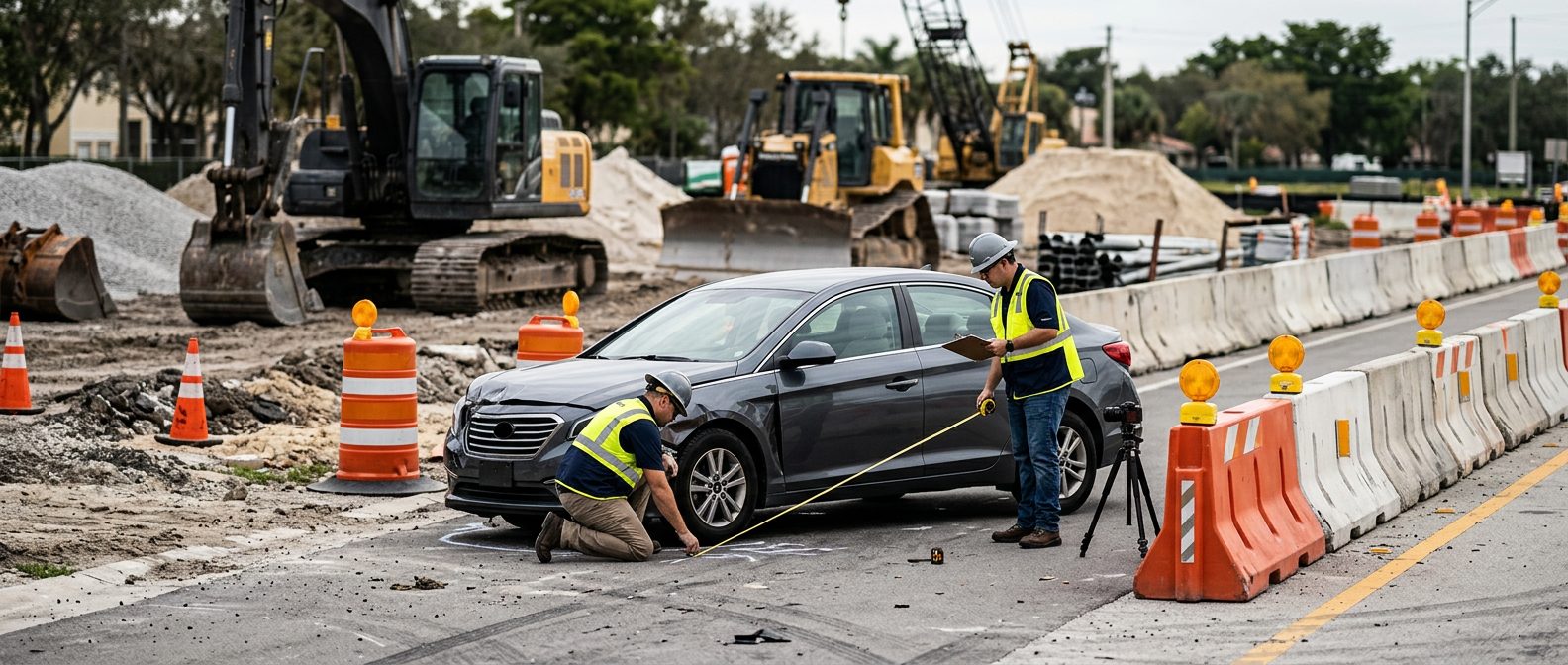
Car Accidents in Coral Springs
What to Do After a Car Crash: Your Next Steps Matter
Immediate actions after an accident can protect your health, your claim, and your future. Here's what you need to know.
By CHG Lawyers · Published September 13, 2026
Car Accidents in Coral Springs: What to Do After a Crash & How to Protect Your Claim
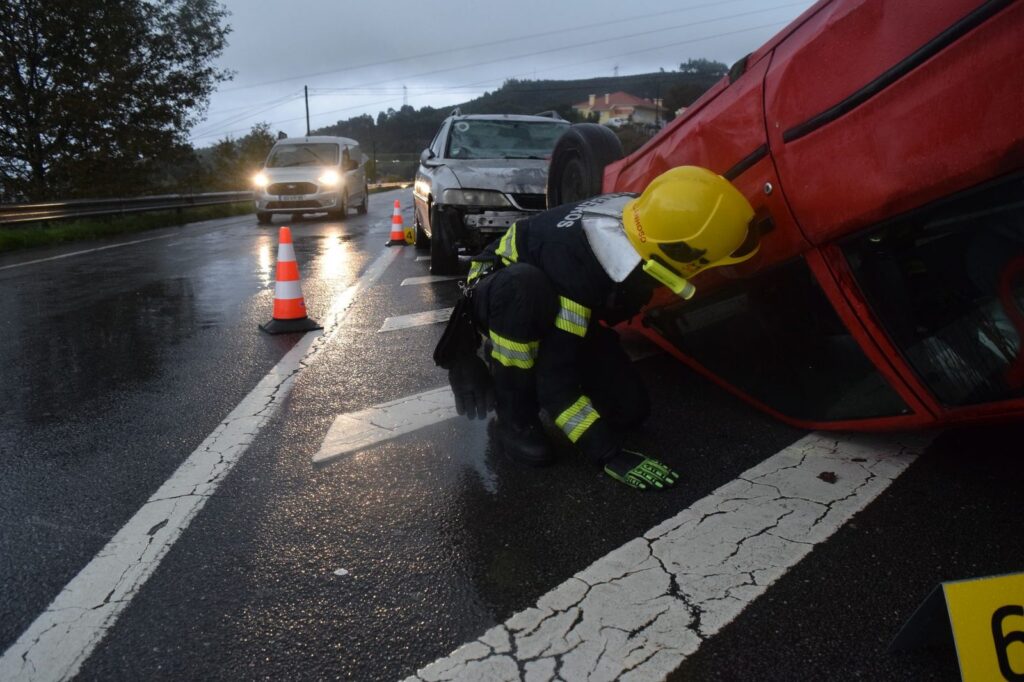
Car accidents happen on Coral Springs roads every day. Whether you’re on Sample Road during rush hour, Wiles Road, or merging onto I-95, busy traffic creates conditions where crashes occur. They range from minor fender-benders to serious collisions that leave people injured and unsure what to do next.
If you’ve been hurt in a car accident, the immediate aftermath is overwhelming. You may feel pain, shock, confusion, and worry about medical bills and lost income. This guide walks you through the critical steps to protect yourself and your claim, and explains when to contact an attorney.
If you have been injured in a car accident in Coral Springs, you do not have to navigate this alone. Talk it through with our team — the first consultation is free, confidential, and carries no obligation.
Car Accidents Happen on Coral Springs Roads Every Day
Coral Springs has heavy traffic on Sample Road, Wiles Road, Coral Ridge Parkway, and Atlantic Boulevard. Commuters, delivery drivers, and local traffic create conditions where crashes happen regularly.
When you’re hurt in a car accident, the first hours and days matter most. What you do—and don’t do—can protect or harm your legal claim.
What to Do Immediately After a Car Accident in Coral Springs
Check for injuries first. Then move to safety and call for help if needed.
Here’s what to do right now:
1. Check for injuries—yours and anyone else’s. Call 911 if anyone is hurt or if there is significant damage.
2. Move to safety if possible. Turn on your hazard lights. If you can’t move your vehicle and traffic is heavy, stay inside with your seatbelt on until help arrives.
3. Call the Coral Springs Police Department to file a report, especially if there are injuries or significant property damage. The non-emergency number is 954-344-1100. A police report creates an official record that matters for your claim.
4. Exchange information with the other driver(s): name, phone number, address, driver’s license number, vehicle make, model, year, license plate, and insurance details. Write it down or take a photo.
5. Take photos and video of the accident scene before vehicles are moved, if safe. Photograph vehicle damage, road conditions, traffic signals, skid marks, and any visible injuries. Photos are powerful evidence.
6. Get contact information from any witnesses. Ask for their names and phone numbers. Witnesses are often crucial to proving what happened.
7. Do not admit fault or apologize for the accident. Stick to the facts when speaking with the other driver and police. Under Florida law, an expression of sympathy such as “I’m sorry” is inadmissible as evidence in a civil action, but a statement of fault can be admitted (Fla. Stat. § 90.4026).
8. Seek medical attention promptly, even if you feel okay. Some injuries—whiplash, internal injuries, traumatic brain injury—show up hours or days later. A medical record created soon after the crash strengthens your claim.
Protecting Your Claim After a Coral Springs Car Accident
What you do in the days after a crash can make or break your legal claim.
Report the accident to your insurance company as soon as possible. However, do not give a recorded statement to the other driver’s insurance company without legal advice first. Insurance adjusters are trained to minimize what they pay.
Keep detailed records of everything related to your injury:
- All medical records, bills, and receipts (emergency room, doctor visits, physical therapy, medications, medical equipment, home care)
- Written confirmation from your employer of time missed and income lost
- A journal of your pain, limitations, and how the injury affects your daily life, work, and relationships
Do not post about the accident or your injury on social media. Insurance companies and opposing counsel monitor social media and will use your posts against you.
Do not sign anything from an insurance company without understanding what it says. Some documents can limit your rights or release your claim prematurely.
Preserve all evidence: the damaged vehicle, photos, the police report, dashcam footage, traffic camera video, and any business security footage from nearby properties.
Common Types of Car Accidents in Coral Springs
Different accident types cause different injuries and legal challenges.
Rear-end collisions are often caused by distracted driving, speeding, or following too closely. These frequently result in whiplash and neck and back injuries. Liability is usually clear: the driver who hit you from behind is at fault.
Intersection crashes happen when drivers run red lights, fail to yield, or misjudge traffic. These tend to be high-impact and cause serious injuries. Liability can be more complex if both drivers claim the light was green.
Multi-vehicle pile-ups on I-95 and the Turnpike during rush hour or bad weather can involve catastrophic injuries. These cases often involve multiple at-fault drivers and complex insurance coverage.
Sideswipe accidents occur during lane changes, often caused by blind spots or failure to signal. Liability depends on which driver changed lanes and whether they checked for other vehicles.
Parking lot and low-speed collisions may seem minor, but even slow-speed crashes can cause injury. Do not assume low speed means no injury.
Motorcycle and bicycle accidents involve riders who are especially vulnerable to serious injury in collisions with cars. These cases often result in catastrophic injuries.
If you've been hurt in a car accident in Coral Springs and aren't sure what comes next, reach out for a free case evaluation. Talk it through with our team — the first consultation is free, confidential, and carries no obligation.
When Should You Contact a Personal-Injury Attorney?
You don’t have to wait to see how serious your injury is before reaching out for legal advice.
Contact an attorney if:
- You have been injured and the other driver was clearly at fault
- Your medical bills, lost wages, or pain and suffering are significant
- The other driver is uninsured or underinsured
- Liability is unclear or disputed
- The insurance company is offering a settlement that seems too low or is denying your claim
- You have suffered a serious or permanent injury (broken bones, spinal cord injury, traumatic brain injury, amputation, severe burns, or other life-altering harm)
- The accident involved a commercial vehicle (truck, delivery van, rideshare vehicle) or a government vehicle
- You are unsure of your rights or what your claim is worth
An attorney can investigate the accident, gather evidence, negotiate with insurance companies, and represent you if a lawsuit becomes necessary. Most personal-injury attorneys work on a contingency fee—you pay nothing unless they recover money for you.
Understanding Car Accident Settlements in Florida
Florida’s no-fault insurance system and serious injury threshold determine what damages you can pursue.
Florida is a “no-fault” state for car accidents. Your own insurance (Personal Injury Protection, or PIP) pays 80% of reasonable medical expenses and 60% of lost income, up to your policy limit, regardless of who caused the accident (Fla. Stat. § 627.736). To receive these benefits, you must get initial care within 14 days of the crash (Fla. Stat. § 627.736). However, if your injuries are serious enough, you can step outside no-fault and sue the at-fault driver for additional damages.
Under Florida Statute §768.81, Florida applies “comparative fault” (shared responsibility). If you are found more than 50% at fault for the accident, you generally cannot recover damages. If you are 50% or less at fault, you can recover, but your award is reduced by your percentage of fault.
Under Fla. Stat. § 627.737(2), the serious injury threshold includes a significant and permanent loss of an important bodily function, a permanent injury within a reasonable degree of medical probability (other than scarring or disfigurement), significant and permanent scarring or disfigurement, or death. If your injury meets this threshold, you can pursue a claim against the at-fault driver beyond your PIP coverage.
Settlements typically cover: medical expenses (past and future), lost wages, pain and suffering, loss of enjoyment of life, and in serious cases, permanent disability or disfigurement.
You have two years from the date of the accident to file a personal-injury lawsuit. Under Florida Statute §95.11, missing this deadline bars your claim forever. This deadline is one reason to contact an attorney sooner rather than later.
Catastrophic Injuries from Car Accidents
Some car accidents cause permanent, life-altering injuries that require lifelong care and support.
Spinal cord injuries and paralysis, traumatic brain injuries, amputations, severe burns, and catastrophic back and neck injuries require ongoing medical care, rehabilitation, assistive devices, home modifications, and long-term support.
Catastrophic injury cases can involve a wide range of damages. They may include lifetime medical care, lost earning capacity, pain and suffering, and loss of quality of life. If you or a family member has suffered a catastrophic injury in a Coral Springs car accident, the stakes are high and the legal process is complex. An attorney can help you evaluate your claim and pursue the damages available under Florida law.
How Florida Car Accident Attorneys Can Help Your Claim
Attorneys who handle Florida car accident claims know how state insurance and court rules apply to a case. They can investigate the accident scene and gather evidence while details are fresh and can navigate settlement negotiations effectively.
Not sure what your next step is?
Talk it through with our team — the first consultation is free, confidential, and carries no obligation.
Next Steps: Get Help After Your Coral Springs Car Accident
If you have been injured in a car accident in Coral Springs, you do not have to navigate this alone. A free case evaluation can help you understand your rights, what your claim may be worth, and what to do next. There is no cost to talk to an attorney, and no obligation to hire one.
FAQ
How long do I have to file a car accident claim in Florida?
You have two years from the date of the accident to file a personal-injury lawsuit under Florida Statute §95.11. Missing this deadline bars your claim.
What is Personal Injury Protection (PIP) in Florida?
PIP is no-fault insurance that pays 80% of reasonable medical expenses and 60% of lost income, up to your policy limit, regardless of who caused the accident.
What is the serious injury threshold in Florida?
Under Florida Statute §627.737(2), the serious injury threshold is met by a significant and permanent loss of an important bodily function, a permanent injury within a reasonable degree of medical probability (other than scarring or disfigurement), significant and permanent scarring or disfigurement, or death. Meeting this threshold allows you to sue the at-fault driver for damages beyond PIP.
What if I was partially at fault for the accident?
Under Florida Statute §768.81, if you are 50% or less at fault, you can still recover damages. Your award is reduced by your percentage of fault.
What damages can I recover in a car accident claim?
You can recover medical expenses, lost wages, pain and suffering, loss of enjoyment of life, and in serious cases, permanent disability or disfigurement.
How much does it cost to hire a personal-injury attorney?
Most personal-injury attorneys work on a contingency fee—you pay nothing unless they recover money for you.
If you’ve been hurt in a car accident in Coral Springs and aren’t sure what comes next, reach out for a free case evaluation. People in your situation can contact us, and we’re here to help you understand your rights and protect your claim.
What to Do Right After the Crash
Check for Injuries & Call 911
Your safety comes first. If anyone is hurt or the accident caused significant damage, call emergency services immediately. Even if you feel fine, some injuries appear hours or days later.
Move to Safety & Document the Scene
If it's safe and your vehicle is drivable, move out of traffic. Take photos of vehicle damage, the accident scene, road conditions, traffic signs, and the other driver's vehicle and license plate.
Exchange Information & Get Witnesses
Get the other driver's name, phone number, address, insurance company, policy number, and vehicle details. Ask any witnesses for their contact information—their account can be crucial later.
Report to Police & Your Insurer
File a police report (required in Florida for accidents with injury or significant damage). Notify your insurance company promptly, but do not admit fault or sign anything before speaking with an attorney.
Don't Delay—Seek Medical Care
Even minor-seeming injuries can worsen. See a doctor as soon as possible and keep all medical records. Insurance companies and courts use medical documentation to evaluate your claim.
Why Your Choices Matter After a Crash
Evidence Disappears Fast
Skid marks fade, witnesses move away, and memories blur. Documenting the scene and gathering contact information immediately protects your ability to prove what happened.
Deadlines Are Real
Florida law sets strict time limits for filing claims. Acting quickly ensures you don't miss critical windows to preserve your rights.
Insurance Companies Aren't on Your Side
Adjusters work to minimize payouts. An attorney can help you guard against low-ball offers and pressure to settle before you understand the full extent of your injuries.
Your Recovery Is the Priority
While you focus on healing, an experienced attorney handles the legal and financial complexities—so you don't have to.
Common Questions After a Car Accident
How long do I have to file a claim?
You have two years from the date of the accident to file a personal-injury lawsuit in Florida (Fla. Stat. § 95.11(5)(a)). Missing this deadline bars your claim, so don't wait.
What is Personal Injury Protection (PIP)?
PIP is no-fault insurance that pays 80% of reasonable medical expenses and 60% of lost income, up to your policy limit, regardless of who caused the crash. It's a first step, but it may not cover all your losses.
Can I recover damages beyond my insurance?
If the other driver was at fault and their insurance is insufficient, you may pursue a claim for additional damages. If your injuries meet Florida’s serious injury threshold, you may also pursue damages for pain and suffering (Fla. Stat. § 627.737).
What if I'm partially at fault?
Florida follows comparative negligence rules (Fla. Stat. § 768.81(6)). You may still recover damages even if you're partially responsible, though your award is reduced by your percentage of fault.