

Lost a Limb in an Attack on Someone Else’s Property | Negligent Security
Attacked on Someone Else's Property and Lost a Limb
When a violent assault on poorly secured property results in amputation, the property owner may be held liable. We help families pursue claims and rebuild.
By CHG Lawyers · Published September 23, 2026
Amputation Injury From Attack on Property: Legal Options After Losing a Limb
An amputation injury from an assault often happens in an ordinary place. It might be the parking garage at your apartment. It could be the lot behind a bar. It could be a dark stairwell at a motel. Someone was shot, stabbed, or beaten. Doctors fought to save the arm or leg. In the end, they could not.
Now your family is learning new words. Words like “residual limb” (the part of the limb that remains) and “prosthetic socket.” And you’re wondering how you’ll pay for any of it.
Say a violent attack on someone else’s property cost you or a loved one a limb. The attacker is not the only one the law may hold responsible. The business or landlord who let the property stay dangerous can share the blame.
We handle personal injury cases, including cases involving catastrophic, permanent injuries. We represent clients in Florida. We work with families in English and Spanish.
Request a free, confidential case evaluation.
Not sure what your next step is?
Talk it through with our team — the first consultation is free, confidential, and carries no obligation.
Why the Property Owner Can Be Responsible for an Amputation Injury From Attack
Property owners and managers have a legal duty to maintain reasonable security. This duty exists independently of whether a crime occurs. It arises the moment someone is invited onto the property—whether as a tenant, guest, customer, or visitor.
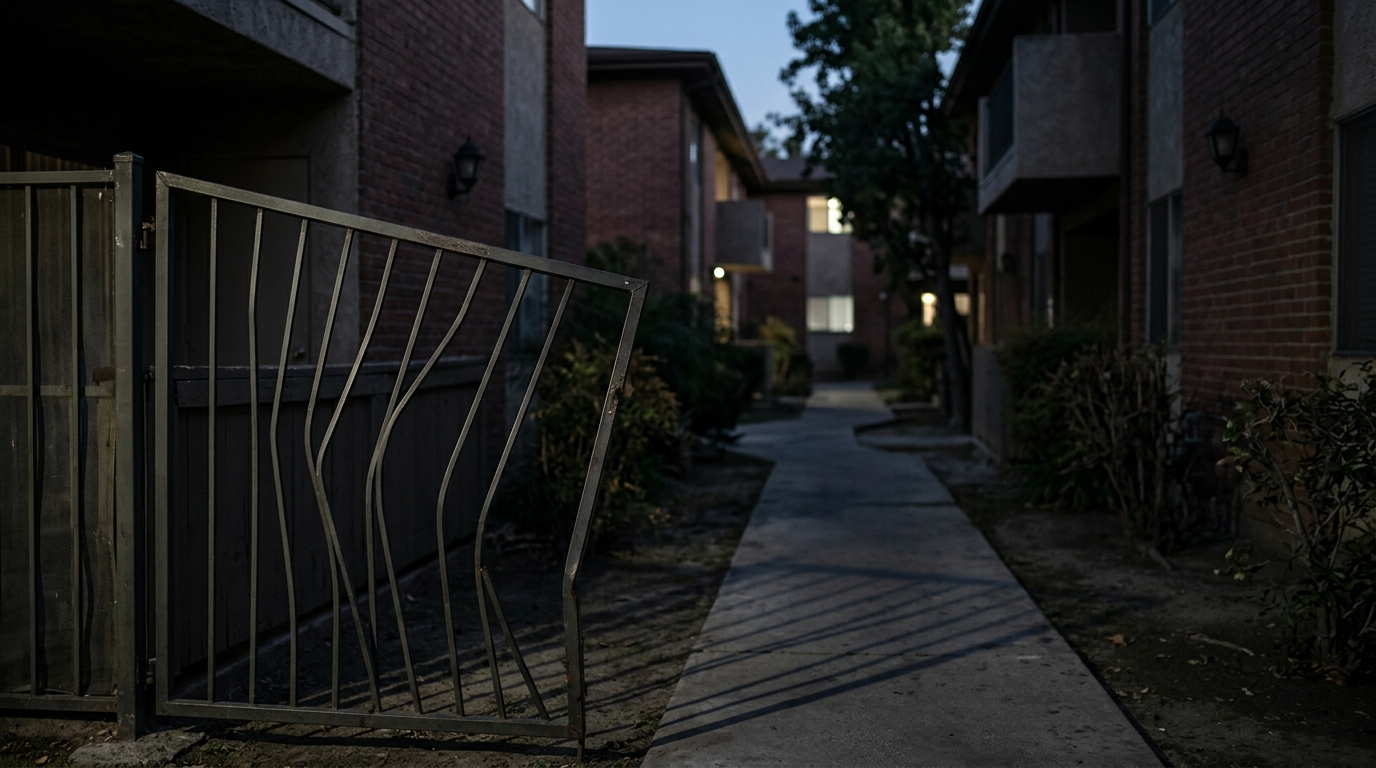
The foreseeability standard is the key. It is not about whether the owner could predict which crime would happen, or when. It is about whether a reasonable property owner should have known that violent crime was a real risk at that location. If the answer is yes, the owner may be expected to take basic security steps, and whether any step was reasonable depends on the facts of each case. These include a working gate, functioning lights, operational cameras, or security patrols.
Signs that security failed often include:
- Broken or propped-open gates and doors, or locks that never worked
- Burned-out or missing lighting in a lot, garage, or breezeway
- No cameras—or fake cameras, or cameras not recording—where crimes had happened before
- No guards or patrols, even with a known history of violence nearby
- Safety complaints from tenants or guests that management ignored
- Prior police reports or incident logs showing assaults, robberies, or other violent crimes at or near the address
A criminal case may not pay for a prosthetic
If the attacker is arrested, the state may prosecute them. That criminal case is about punishment. Even a conviction rarely produces the money a limb-loss survivor needs. An individual attacker may not have the money or assets to pay a judgment.
A civil negligent-security claim is separate. It seeks money from the property owner and their insurer. This covers medical care, prosthetics, and lost pay. You can pursue it even if the attacker is never found, arrested, or convicted.
Who This Page Is For
- A person who lost a limb—from a gunshot, a crush wound, or a blade—during an attack on someone else’s property
- A person who needed a surgical amputation because of injuries from that attack
- Families of a loved one who lost a limb, or who died from injuries in the attack
- People who aren’t sure they “have a case” and never planned to call a lawyer
- Spanish-speaking families who want to be understood in their own language
What an Amputation Injury Claim Can Cover
A limb-loss claim looks at your whole life ahead, not just today’s hospital bills. No lawyer can promise a specific amount. The value depends on the facts and the evidence. A claim may seek money for:
- Medical care: emergency treatment, follow-up surgeries, and ongoing care
- Prosthetics over a lifetime: A modern prosthetic limb can cost $30,000 to $100,000+ per limb, depending on technology and customization. Over a 50-year lifespan, that adds up to hundreds of thousands of dollars.
- Rehabilitation: physical and occupational therapy, plus mental-health support
- Lost income and lost earning ability: pay missed now, and the work a person can no longer do
- Accessibility needs: home modifications (ramps, wider doorways, roll-in showers), an adapted vehicle, and in-home care
- Human losses: pain, disfigurement, and the loss of activities and independence
Sometimes an attack is fatal. Then Florida’s Wrongful Death Act allows a claim to be brought for the benefit of surviving family members. It can cover losses like funeral costs, lost support, and lost companionship. A death is the most catastrophic outcome there is. The law gives families a path to accountability.
Have questions about what happened?
Ask our team directly. The first conversation is free, confidential, and there is no obligation to continue.
How These Cases Actually Get Built
A strong negligent-security claim rests on three things: evidence gathered before it disappears, proof the attack was foreseeable, and a clear picture of your lifetime losses. Here is what that work looks like.
Step 1 — Free case evaluation. We listen to what happened at no cost and no obligation. Call us or use the online form.
Step 2 — Racing to preserve evidence. Security video may be overwritten or erased on a routine schedule, so early preservation matters. Early on, we send legal preservation letters. These demand that the owner keep the video, incident reports, guard logs, maintenance records, and tenant complaints. We photograph the real condition of the lights, gates, locks, and cameras before anything is repaired. This evidence can be important, and once it is overwritten or erased, it may not be recoverable.
Step 3 — Proving the attack was foreseeable. This is the heart of a negligent-security claim. We pull the property’s own history and public data. That includes:
- Police calls and crime reports filed at and near the address
- Prior assaults, robberies, or violent incidents at the property
- Complaints from tenants or guests about safety
- The neighborhood’s crime rate and history
- Whether the owner knew of prior dangerous conditions
The question is straightforward: Should a reasonable owner have known violence was likely? Could cheap, obvious steps—a working gate, a light, a camera, or a guard—have changed the outcome?
Step 4 — Documenting a lifetime of loss. We work with your medical team, prosthetists, vocational rehabilitation experts, and life-care planners. A life-care plan is a detailed, year-by-year projection of the care, prosthetic replacements, therapy, equipment, and support the injury will require over your lifetime. It sets out the expected costs of the injury in one document. Medical specialists and vocational rehabilitation professionals may be asked to address the reasonableness and necessity of these costs, depending on the facts of each case.
Step 5 — Demand, negotiation, and trial if needed. Many claims settle through negotiation once the evidence and life-care plan are on the table. If the owner or insurer refuses to offer fair value, we prepare to file suit and try the case.
A note on shared fault. Owners often argue the victim was partly to blame. Under Florida’s comparative-fault law (Fla. Stat. § 768.81), your recovery can be reduced in proportion to your share of fault, subject to the statute’s limits. That is exactly why the foreseeability evidence in Step 3 matters so much. A strong foreseeability case puts the blame squarely on the owner.
Fees. We handle these cases on a contingency fee. Our fee is a percentage of any recovery. There is generally no fee unless we recover money for you.
Talk to us today about your case.
Why Families Choose CHG Personal Injury Lawyers
We focus exclusively on catastrophic, permanent injuries—not routine claims. These include spinal cord injuries and paralysis, traumatic brain injury, amputation and limb loss, severe burns, and catastrophic back and neck injuries.
- Licensed attorneys admitted to the Florida Bar
- A Florida-based firm that takes cases nationwide
- Bilingual service in English and Spanish, so you understand every step
- Experience coordinating the medical specialists, prosthetists, vocational rehabilitation experts, life-care planners, and economists a limb-loss case requires
- An empathetic, plain-language approach during a medical and emotional crisis
Every case is different, and we never promise a specific outcome.
Your Questions Answered
Can I sue a property owner if I was attacked by someone else?
Potentially, yes. If the owner failed to provide reasonable security against a foreseeable crime, and you were hurt, you may have a negligent-security claim against the owner. This is separate from any case against the attacker.
How is the value of losing a leg or arm decided?
There is no fixed figure. The value depends on medical costs, lifetime prosthetic and care needs, lost pay and earning ability, your age and life expectancy, and the injury’s impact on your life. We build these numbers with medical and economic experts.
The attacker was never caught. Do I still have a claim?
Often, yes. A civil claim against the property owner does not require the attacker to be found, arrested, or convicted.
Do I have to go to court?
Not always. Many claims settle through negotiation. A case goes to court when the owner or insurer refuses to offer fair pay.
How long do I have to file in Florida?
In Florida, negligence claims—including negligent-security claims—must generally be filed within two years under Florida Statute § 95.11. This deadline applies to claims arising after March 24, 2023. Contact us promptly. Waiting can cost you both evidence and your rights.
What if my loved one died from the attack?
Surviving family may be able to bring a wrongful-death claim against the property owner under Florida’s Wrongful Death Act. We can explain your options with care.
Want to know where you stand?
Tell us what happened and our team will walk you through the options available to you, at no cost.
Talk to Us — Free, Confidential Case Evaluation
Did a preventable attack on unsafe property cost your family a limb? We are here to help. Reach out early. Surveillance video is often erased within weeks, and legal deadlines apply.
Your case evaluation is free and confidential. It is available in English and Spanish.
Contact CHG Personal Injury Lawyers for your free case evaluation.
Time Matters
Claims arising from attacks on property are subject to strict deadlines. The sooner you contact an attorney, the sooner we can preserve evidence, interview witnesses, and protect your rights.
Why CHG Personal Injury Lawyers
Negligent Security Focus
We handle cases where property owners failed to provide reasonable security—working locks, lighting, cameras, or guards—and someone was hurt as a result.
Catastrophic Injury Experience
Amputation injuries demand attorneys who understand the medical, financial, and emotional reality of permanent limb loss and lifelong prosthetic care.
No Attorney’s Fees Unless There Is a Recovery
We work on contingency. You pay nothing upfront, and we only collect a fee if your case results in a settlement or judgment in your favor.
Nationwide Reach
While based in Florida, we handle amputation and negligent security cases across the country—wherever the attack occurred.
What Happens After an Amputation From an Attack
Immediate Medical & Financial Crisis
Emergency surgery, hospital stays, infection management, and pain medication pile up fast. Prosthetic limbs, physical therapy, home modifications, and ongoing care cost tens of thousands of dollars—often for the rest of your life.
The Property Owner's Duty
Property owners have a legal duty to maintain reasonable security to prevent foreseeable violent crime. If they failed—broken locks, no lighting, no cameras, no guards—and that failure allowed an attacker to harm you, they may be liable for your injuries.
Building Your Claim
We investigate the property's security history, interview witnesses, obtain police reports and surveillance footage, and work with medical professionals to document the full scope of your injury and its lifelong impact.
Pursuing Compensation
Damages may include medical expenses, lost wages, pain and suffering, loss of enjoyment of life, and the cost of prosthetic care and rehabilitation for years to come.
Common Scenarios
Apartment Complex Assault
You're attacked in a parking garage or stairwell. The complex had no working security cameras, broken gate locks, or inadequate lighting. The attacker was never caught or was a known problem the management ignored.
Bar or Nightclub Attack
A fight breaks out. Security staff are absent or untrained. You're stabbed or shot and lose a limb. The venue failed to provide adequate security despite a history of violence.
Parking Lot or Garage Shooting
You're shot in a poorly lit, unmonitored lot behind a business or restaurant. No security guard was present. Cameras were broken or nonexistent.
Hotel or Motel Assault
An intruder enters your room because locks were broken or security was lax. You're attacked and lose a limb. The property owner knew of security problems but did nothing.
We're Here to Help You Rebuild
Related practice areas
- Amputation & Limb Loss Injury Claims: A Guide for Victims and Families
- Levels of Amputation Explained: From Fingertip to Full Limb
- Workplace & Machinery Amputation Injury Claims
- Fatal Amputation & Limb-Loss Wrongful Death Attorney (Florida)
- The Lifetime Cost of Limb Loss: Prosthetics, Care & Future Damages Explained
- Bar Nightclub Assault Injury Claim
- Spinal Cord Injuries: A Guide for Victims and Families Facing Paralysis