

Negligent Security | Bar & Nightclub Assault
Attacked at a Bar or Nightclub? You May Have a Claim Against the Venue
When a bar, nightclub, or similar venue fails to provide reasonable security, injuries from assault or violence can be prevented. If you were hurt because the property owner did not maintain adequate locks, lighting, cameras, or security staff, you may have the right to pursue a claim for compensation.
By CHG Lawyers · Published August 20, 2026
Bar & Nightclub Assault Injury Claim: Hold the Venue Accountable for Negligent Security
You were assaulted or attacked at a bar or nightclub. The venue owner may be legally responsible. This isn’t about suing the person who attacked you. It’s about holding the property owner accountable for failing to provide reasonable security—working locks, adequate lighting, trained staff, or security personnel—that could have prevented the attack.
The legal term is negligent security or premises liability. What matters most is your injury and what the venue should have done to prevent it.
If you were attacked, robbed, sexually assaulted, or beaten at a bar, nightclub, tavern, or similar venue, you may have a claim. Talk it through with our team — the first consultation is free, confidential, and carries no obligation.
You Were Assaulted at a Bar or Nightclub—the Venue May Be Liable
If you were attacked, robbed, sexually assaulted, or beaten at a bar, nightclub, tavern, or similar venue, you may have a claim. The venue owner may be responsible if they failed to provide reasonable security.
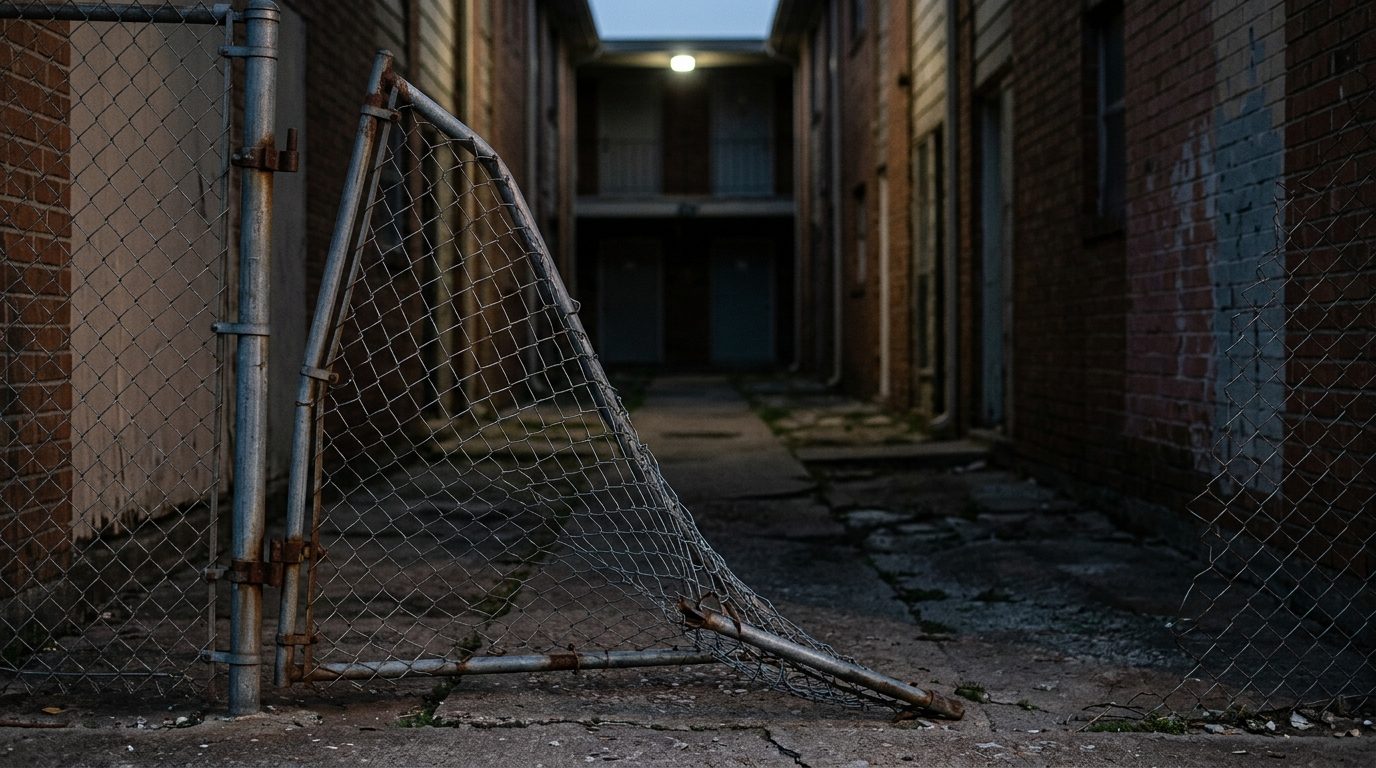
Venues with poor lighting, broken locks, no cameras, untrained staff, or no security create conditions where violent crime becomes foreseeable. When a venue owner knows (or should know) that assaults have happened before at that location or in that neighborhood, and does nothing to improve security, the owner’s negligence puts patrons at risk.
The attacker’s criminal act does not automatically shield the venue owner from liability. The owner’s duty to provide reasonable security is separate and independent.
What a Bar or Nightclub Assault Injury Claim Covers
A negligent security claim can recover compensation for:
- Medical expenses: emergency care, surgery, hospitalization, ongoing treatment, rehabilitation, mental health counseling, and future medical needs tied to your injury.
- Lost income: wages you missed while recovering, and reduced earning capacity if the injury affects your ability to work long-term.
- Pain and suffering: compensation for physical pain, emotional trauma, PTSD, anxiety, depression, and loss of enjoyment of life.
- Permanent disability or disfigurement: if the attack caused lasting physical or psychological harm.
- Wrongful death: if a loved one was killed in the assault, the family may recover funeral costs, lost financial support, and damages for the loss itself.
- Punitive damages: in some cases, to punish the venue owner for gross negligence or reckless disregard for patron safety.
When Is a Nightclub or Bar Liable for an Assault?
A venue owner is liable for negligent security when:
- The owner knew or should have known that assaults or violent crime were foreseeable at that location (prior incidents, high-crime area, history of violence).
- The owner failed to provide reasonable security measures: no working locks or gates, poor lighting, no cameras, no security staff, or inadequate employee training.
- The lack of security made it easier for the attacker to harm you or made it harder for staff to respond or protect you.
- Your injury was a direct result of that failure.
Under Florida law, a property owner has a duty to exercise reasonable care to protect patrons from foreseeable harm. The standard is not whether the attack was 100% preventable, but whether the owner acted reasonably given the circumstances and the known risks.
Can I Sue a Nightclub for Assault?
Yes. You can sue the property owner for negligent security. This is a civil claim separate from any criminal prosecution of the attacker.
Common concerns that do not block your claim:
- “I was drinking.” Your own alcohol consumption does not prevent you from suing the venue for negligent security. The venue’s duty to provide reasonable security is separate from your own conduct.
- “The attacker was never caught.” You do not need to identify or prosecute the attacker to sue the venue for negligent security. Your claim is based on the venue’s failure to prevent a foreseeable attack, not on the attacker’s identity.
- “There are pending criminal charges.” A pending criminal case does not prevent you from filing a civil claim. The criminal case and the civil case are separate. You can pursue both.
Under Fla. Stat. §768.81, Florida follows a modified comparative-negligence rule. Even if you were partially at fault (for example, because you were drinking), you can still recover damages as long as you are 50% or less at fault. Your recovery will be reduced by your percentage of fault.
Not sure what your next step is?
Talk it through with our team — the first consultation is free, confidential, and carries no obligation.
What Proof Matters Most in a Bar Assault Claim
The strongest evidence includes:
- Documentation of the assault: police report, incident report filed with the venue, photos of injuries, medical records.
- Evidence of prior incidents: prior assaults, robberies, or violent crimes at the same venue (public records, police reports, news reports). This proves the venue owner knew or should have known that violence was foreseeable.
- Security failures: lack of cameras, broken locks, poor lighting, no security staff, or inadequate employee training (site inspection, witness testimony, venue records).
- Witness statements: from other patrons, bar staff, or security who saw the attack or the venue’s failure to respond.
- Medical evidence: photographs of injuries, medical records, expert testimony about the severity and permanence of harm.
- Expert testimony: security experts who can testify that the venue’s security measures fell below industry standards.
What To Do After Being Assaulted in a Bar or Nightclub—Act Now
Evidence fades fast. Witnesses move away. Memories become unclear. The first 48 hours are critical.
1. Seek medical attention immediately.
Go to an emergency room or urgent care, even if injuries seem minor. Insist on a written medical record. Ask for photographs of visible injuries to be documented in your chart. Keep every receipt, discharge summary, and follow-up appointment notice.
2. Report the assault to police.
File a police report and request a copy immediately. Get the report number, the officer’s name, and badge number. This creates an official record.
3. Report the incident to the venue in writing.
Send an email or letter to bar or nightclub management describing what happened, when, and where. Request a copy of their incident report. Keep a copy of your message and any response.
4. Preserve physical evidence.
Take photographs immediately: – Your injuries (close-up and full-body) – The venue’s lighting (entrances, exits, parking areas, interior) – Security cameras (or lack thereof) – Exits and locks – The specific area where the assault occurred
Timestamp each photo with date and time.
5. Gather witness information.
Collect full names, phone numbers, and email addresses from anyone who saw the assault or can testify about the venue’s security. Ask them to write down what they saw while it is fresh. Do not rely on memory alone.
6. Preserve all records.
Keep: – Medical records and bills – Receipts for medications, therapy, or treatment – Documentation of lost wages (pay stubs, emails from your employer) – Text messages, emails, or notes about your injuries and recovery – Any communication with the venue or its insurance company
7. Do not sign any waivers or settlement offers from the venue without legal advice.
Venues and their insurers often try to settle quickly and cheaply before you understand the full scope of your injury.
8. Contact a lawyer who focuses exclusively on catastrophic injury claims as soon as possible.
The sooner you act, the better your evidence will be and the stronger your claim.
How Much Money Can You Recover?
There is no fixed formula or average settlement. Every case is unique and depends on the severity of your injury, the strength of the evidence, the venue’s insurance coverage, and local law.
Factors that affect the value of your claim include:
- The permanence and severity of your injury.
- Your age and earning capacity.
- The clarity of the venue’s negligence.
- The availability of insurance coverage.
- Whether a jury would be sympathetic to your case.
Do not accept a quick settlement offer from the venue or its insurance company without understanding the full scope of your injury and future needs. A lawyer who focuses exclusively on catastrophic injury claims can help you understand what your claim is worth and negotiate on your behalf.
How a Bar or Nightclub Assault Injury Claim Works: Step by Step
Step 1 – Free Case Evaluation.
You meet with a lawyer to discuss what happened, your injuries, and the venue’s security failures. The lawyer reviews your medical records and police report.
Step 2 – Investigation.
The lawyer’s team gathers evidence: prior incidents at the venue, security records, witness statements, expert reports on security standards, and medical evidence of your injury. We hire investigators and security experts if needed.
Step 3 – Demand Letter.
The lawyer sends a detailed letter to the venue’s insurance company explaining the negligence, your injuries, and the damages you are claiming.
Step 4 – Negotiation.
The insurance company may offer a settlement. Your lawyer negotiates on your behalf to maximize your recovery.
Step 5 – Lawsuit (if necessary).
If settlement negotiations fail, your lawyer files a lawsuit and prepares your case for trial. We are prepared to litigate fully and take your case to court if the insurance company refuses a fair offer.
Step 6 – Resolution.
Once a settlement is reached or a judgment is awarded, you receive compensation for your medical expenses, lost income, pain and suffering, and other damages.
Timeline: Most claims take 6 months to 2 years, depending on the complexity of the case and whether it goes to trial.
Have questions about what happened?
Ask our team directly. The first conversation is free, confidential, and there is no obligation to continue.
Why Choose a Lawyer Who Focuses Exclusively on Catastrophic Injury Claims
- Deep experience in premises liability and negligent security law. A lawyer who focuses exclusively on catastrophic injuries understands bar and nightclub assault claims and knows how to prove the venue’s liability.
- Experience with severe, permanent injuries. We understand the long-term medical, financial, and emotional impact of assault injuries. We know how to value your claim accordingly—not just immediate costs, but lifetime care, lost earning potential, and psychological harm.
- Relationships with medical experts and investigators. We have established relationships with doctors, surgeons, mental health professionals, security experts, and investigators who can testify about the severity and permanence of your harm and the venue’s security failures.
- Resources to investigate thoroughly. Our dedicated team conducts full investigations, including site inspections, prior-incident research, security-standard analysis, and expert reports.
- Willingness to litigate. We are prepared to take your case to trial if the insurance company refuses a fair settlement. We do not pressure clients into low offers.
- Contingency fee model. You pay no attorney’s fee unless we win or settle your case. Our fee comes out of your recovery, so we are financially invested in maximizing your compensation.
- No conflicts of interest. We focus exclusively on catastrophic injuries, not volume. Your case receives the attention it deserves.
Frequently Asked Questions
Q: Can I sue the bar if I was drinking?
A: Yes. Your alcohol consumption does not prevent you from suing the venue for negligent security. The venue’s duty to provide reasonable security is separate from your own conduct.
Q: What if the attacker was never caught?
A: You do not need to identify or prosecute the attacker to sue the venue for negligent security. Your claim is based on the venue’s failure to prevent a foreseeable attack.
Q: What if there are pending criminal charges?
A: A pending criminal case does not prevent you from filing a civil claim. The criminal case and civil case are separate. You can pursue both.
Q: How long do I have to file a claim?
A: In Florida, under Fla. Stat. §95.11, the statute of limitations for a personal injury claim is generally two years from the date of the assault. Do not wait. Evidence fades and witnesses move away. Contact a lawyer as soon as possible.
Q: Will I have to go to court?
A: Most cases settle before trial, but we will be prepared to take your case to court if necessary. You will not be forced to accept a low settlement offer.
Q: How much does it cost to hire a lawyer?
A: We work on a contingency fee basis. You pay nothing unless we win or settle. The lawyer’s fee comes out of your recovery.
Contact CHG Personal Injury Lawyers for a Free Case Evaluation
If you were assaulted, attacked, or injured at a bar, nightclub, tavern, or similar venue because the owner failed to provide reasonable security, you have the right to pursue a claim for damages.
CHG Personal Injury Lawyers focuses exclusively on catastrophic injury claims, including bar and nightclub assault injuries caused by negligent security.
Your first consultation is free, and we work on a contingency fee basis. You pay nothing unless we win or settle your case.
People in your situation can contact us. Reach out today.
What Negligent Security Means at Bars & Nightclubs
The Venue's Duty to Protect
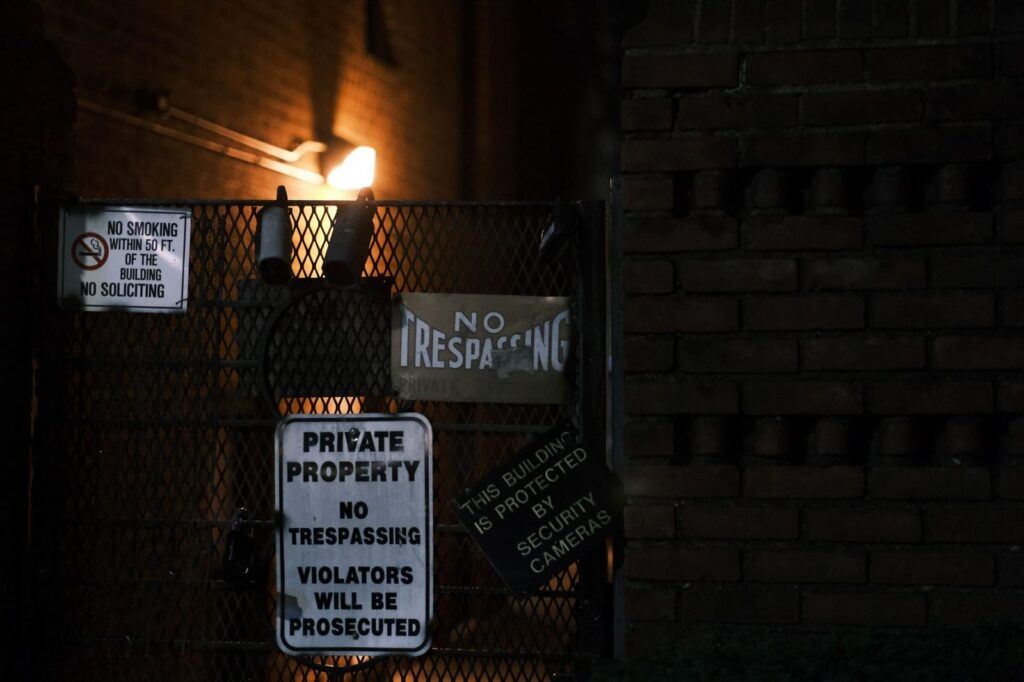
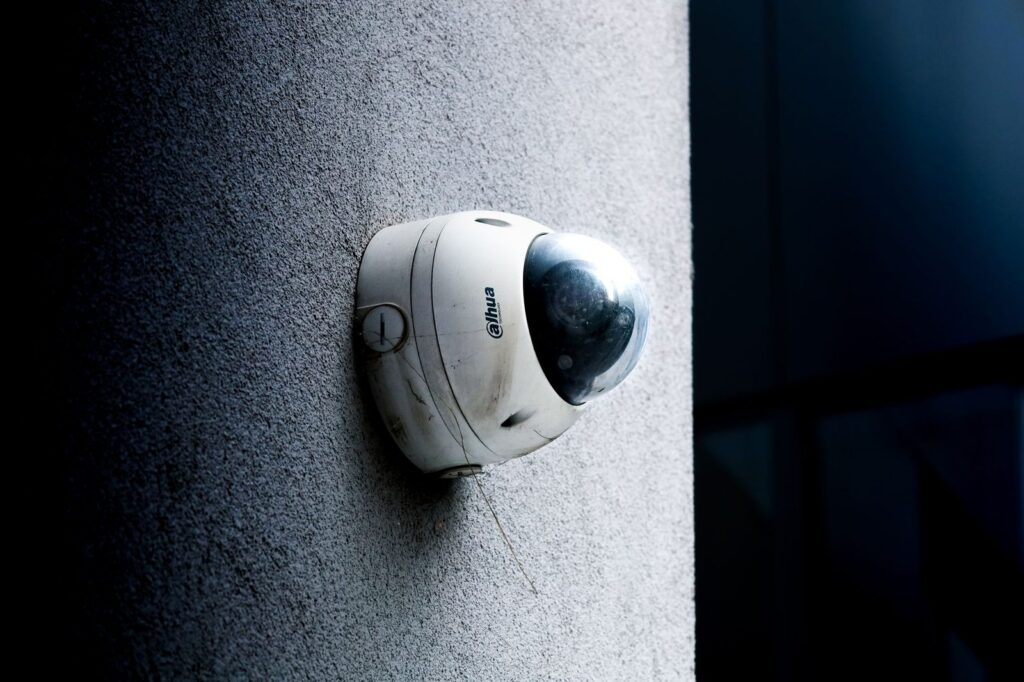
Property owners—including bars, nightclubs, and similar venues—have a legal duty to maintain reasonable security measures to protect guests from foreseeable harm. This includes working locks and gates, adequate lighting in parking areas and entrances, functioning security cameras, and trained security staff when appropriate.
When Security Fails
If a venue fails to provide these basic protections and an assault, robbery, shooting, or other violent crime occurs as a result, the property owner may be held liable. The owner's negligence in maintaining security—not the attacker's actions alone—is the basis for your claim.
Your Right to Compensation
If you suffered serious injuries from an assault at a bar or nightclub due to inadequate security, you may be entitled to compensation for medical expenses, ongoing care, lost income, pain and suffering, and other damages related to your injury.
Your Conduct Does Not Bar Your Claim
You may worry that being intoxicated or 'being in the wrong place' will prevent you from suing. It will not. Your own conduct—including alcohol consumption—does not eliminate the venue's duty to provide reasonable security. Similarly, you do not need to identify, catch, or prosecute the attacker to hold the property owner accountable for negligent security.
Why These Cases Matter
Accountability for Property Owners
Venues that cut corners on security—removing lights, disabling cameras, or failing to hire adequate staff—create dangerous conditions. Holding them accountable encourages safer practices that protect other guests.
Support for Serious Injuries
Assault injuries at bars and nightclubs often result in catastrophic harm: traumatic brain injuries, spinal cord damage, severe lacerations, and psychological trauma. Compensation helps cover the real costs of recovery and long-term care.
Separate from Criminal Justice
A civil claim against the venue is independent of any criminal case against the attacker. You do not need a criminal conviction—or even an arrest—to pursue a negligent security claim.
Time Matters
Florida law sets strict deadlines for filing injury claims. The sooner you act, the sooner evidence can be preserved and your case can move forward.
Common Questions About Bar & Nightclub Assault Claims
Can I sue the bar if I was drinking?
Yes. Your alcohol consumption does not prevent you from suing the venue for negligent security. The venue's duty to provide reasonable security is separate from your own conduct.
What if the attacker was never caught?
You do not need to identify or prosecute the attacker to sue the venue for negligent security. Your claim focuses on the property owner's failure to maintain adequate security—not on the attacker's identity or criminal prosecution.
What counts as negligent security?
Examples include broken locks or gates, inadequate or burned-out lighting, non-functional security cameras, failure to hire security staff when needed, and ignoring prior incidents of violence at the venue.
What damages can I recover?
Compensation may cover medical and rehabilitation costs, lost wages, ongoing care needs, pain and suffering, emotional distress, and other losses directly tied to your injury.