
Florida Wrongful Death Claims
After a Loss, Evidence Helps Tell Your Family's Story
Here is what Florida families can gather, why each piece matters, and how the firm can help you protect it while you grieve.
By CHG Lawyers · Published November 26, 2026
If you’re gathering papers after a loved one died, you’re probably asking what a wrongful death claim actually needs. Many families ask this question while they’re still grieving.
The answer is more practical than most people expect. This guide walks through the records that usually matter, who holds them, and when to ask for them.
What evidence is needed to prove a wrongful death claim, such as autopsy reports, police reports, and medical records?
A wrongful death claim needs proof that someone’s wrongful act or negligence caused the death. Families usually build that proof from death records, investigation reports, medical records, evidence of fault, and financial and family losses.
Florida law allows this kind of claim even though the injured person has died. Under Fla. Stat. § 768.19, the person who would have been liable if the injured person had lived can be held liable for damages after the death.
No single document settles a claim. The right mix depends on how the death happened. A highway crash calls for different records than a shooting in a parking garage or a fall at a store. Florida’s wrongful death law is known as the Florida Wrongful Death Act, and Fla. Stat. §§ 768.16 through 768.26 may be cited by that name.
If you are gathering records after a loved one's death, our team can talk through what your family's evidence may show, and you don't have to face it alone. Talk it through with our team — the first consultation is free, confidential, and carries no obligation.
Death Certificate and Autopsy Reports
The death certificate, and the autopsy report when one is done, are the official medical record of how a person died. They are often the first documents a family needs to confirm the cause of death.
A death certificate records the date, place, and cause of death. The Florida Department of Health explains how families obtain certified copies and cause-of-death information. Ask for more than one certified copy so you have spares.
When a death is investigated, the medical examiner or coroner may order an autopsy. The autopsy report describes the injuries and the findings behind the cause and manner of death. It can be hard to read. Families can ask the medical examiner’s office how to request a copy, and many choose to read it with someone they trust.
These records tie the incident to the death. They don’t prove who was at fault. That proof comes from the other records in this guide.
Police and Crash Reports
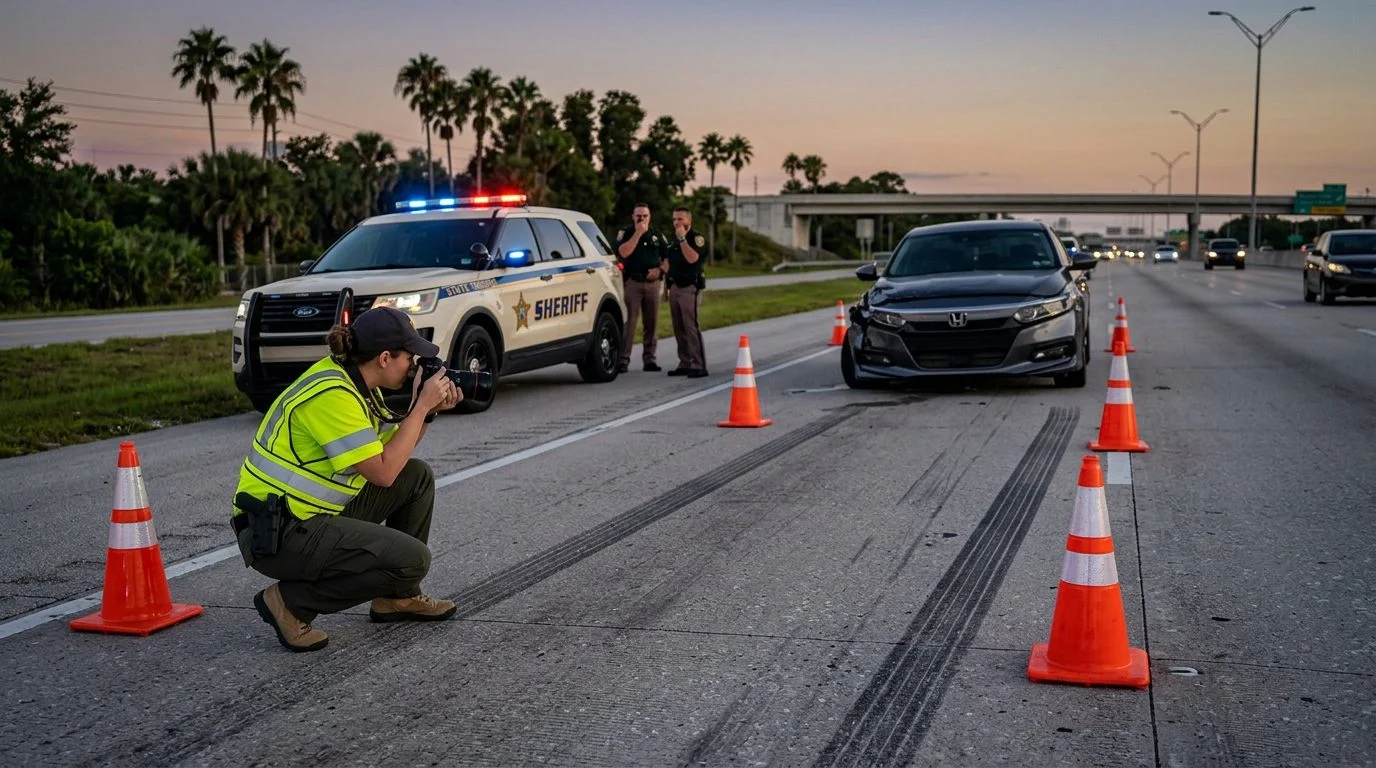
A police or crash report is usually the first official account of what happened at the scene. For a crash on Florida roads, it’s often the first document a family asks for.
Under Fla. Stat. § 316.066, a Florida Traffic Crash Report, Long Form, must be completed and submitted within 10 days after the investigating officer finishes an investigation of a crash that resulted in death, personal injury, or any indication of complaints of pain or discomfort, or that involved a commercial motor vehicle. The same statute lets the parties to the crash, their legal representatives, and their insurers get the report.
A police report can include diagrams, witness names, citations, and the officer’s notes. It records what officers saw and heard at the scene, and what people told them. It is one piece of evidence. It is reviewed alongside medical, financial, and physical records.
Ask the agency about related evidence too. That includes 911 call recordings, body-worn camera footage, and dispatch logs, where they exist. Ask early, because these items can be hard to get later.
Medical Records and Bills
Medical records show the injuries, the treatment, and how much time passed between the incident and the death. They are central to linking what happened to the death.
Gather records from emergency departments, hospitals, ambulance services, and treating doctors. Key items include ER and hospital charts, imaging reports, lab results, and records of any surgery or life support. Ask each provider for complete copies, since a summary may leave out detail.
Medical bills show what care cost before the death. Under Fla. Stat. § 768.21, a survivor who paid medical or funeral expenses caused by the injury or death may recover them. Keep every bill and every payment receipt.
Follow the care your doctors recommend, and bring any questions to them. This guide is not a substitute for their advice.
Proving Negligence: Duty, Breach, and Cause
Did the person owe a duty of care? Did they break that duty? Did that break cause the death and the family’s losses?
In a crash, useful records include speed data, vehicle maintenance records, phone records, driver logs for commercial trucks, and photos or video of the scene. In a premises case, useful records include maintenance logs, prior complaints, lighting and lock records, and surveillance footage. In a violent crime case, the key question is often whether the property had reasonable security, such as working locks, lighting, cameras, or guards.
Accident reconstruction professionals can study physical evidence, such as vehicle damage and roadway marks. Their opinions are weighed with the rest of the record.
Florida also looks at the deceased person’s own share of fault. Under Fla. Stat. § 768.81, in a negligence action to which the section applies, a party found more than 50 percent at fault for his or her own harm may not recover any damages; this does not apply to an action for personal injury or wrongful death arising out of medical negligence pursuant to chapter 766. Section 768.81 does not apply to any action brought to recover actual economic damages resulting from pollution, to any action based upon an intentional tort, or to any cause of action as to which application of the doctrine of joint and several liability is specifically provided by chapter 403, chapter 498, chapter 517, chapter 542, or chapter 895, and it does not set a filing-date rule for Chapter 2023-15, Laws of Florida.
Financial Records, Lost Earnings, and Funeral Costs
Financial records show what the deceased person earned and what the family lost. Useful items include pay stubs, tax returns, employment records, and benefit statements.
Under Fla. Stat. § 768.21, survivors may recover the value of lost support and services. A surviving spouse may also recover for lost companionship and protection, and for mental pain and suffering. Minor children may recover for lost parental companionship, instruction, and guidance.
The decedent’s personal representative may recover for the estate the deceased person’s lost earnings from the date of injury to the date of death, less lost support of survivors excluding contributions in kind, with interest. Keep receipts and invoices for funeral, burial, cremation, and memorial costs. Keep receipts and invoices for funeral, burial, cremation, and memorial costs.
Some cases use outside economists to project lost income and benefits over time. Start a simple, dated folder now. Put bills, receipts, pay records, and letters from insurers in it, in date order.
Not sure what your next step is?
Talk it through with our team — the first consultation is free, confidential, and carries no obligation.
Who Brings the Claim and Who Holds the Evidence
Under Fla. Stat. § 768.20, the action is brought by the decedent’s personal representative. That person recovers for the survivors and the estate.
Under Fla. Stat. § 768.18, survivors include the spouse, children, and parents. Under Fla. Stat. § 768.18, blood relatives and adoptive brothers and sisters can also count when they are partly or wholly dependent on the decedent for support or services. For this purpose, minor children are children under 25.
Different people hold different records. Medical examiners hold autopsy reports. Police and crash agencies hold incident and crash reports. Hospitals hold medical charts. Employers hold work records. Vehicle owners and insurers hold vehicle data, and property owners hold maintenance logs and video.
Some records need a formal request or a court order. You don’t have to collect everything alone. A lawyer can help make those requests.
Why Timing Matters for Evidence and Deadlines
Under Fla. Stat. § 95.11, an action for wrongful death shall be commenced within two years, subject to the exceptions the statute provides.
Evidence can disappear sooner. Surveillance video is often overwritten. Vehicles get repaired or sold. Physical evidence changes over time. Early requests help preserve proof.
Claims involving a government agency can follow different rules. Ask about them early.
Missing a deadline can end a claim. Don’t assume there is time. Ask a lawyer promptly about the deadlines in your family’s case. Results depend on the facts of each case, so no one can predict an amount in advance.
Talk With Our Lawyers About Your Family’s Evidence
Many people reading this page are family members gathering records while grieving a loss they did not expect or choose. You may be deciding whether to request the autopsy and police reports now, or how to track bills and your loved one’s work records.
CHG Personal Injury Lawyers is Florida-based and serves families throughout Florida, including Miami, Orlando, Tampa, and Jacksonville. Igor Hernandez is the responsible lawyer for this page. Our team can walk through the evidence in your family’s situation with you.
The initial consultation is free, confidential, and carries no obligation to continue. CHG charges no attorney’s fees and no case costs unless there is a recovery.
If you’re ready to talk through what your family may need to prove, reach out to our team here.
Frequently Asked Questions
What evidence is most important in a wrongful death claim?
Useful evidence often includes the police or crash report, the death certificate and medical records, photos and video, surveillance footage, and witness names and statements. Records that show the family’s losses, such as income, household contributions, and funeral bills, also matter.
Where can a family get the records needed for a wrongful death claim?
Families can often request crash reports from the law enforcement agency involved, medical records from hospitals and doctors, and the death certificate from the county or state vital records office. Some evidence, like security video, can be overwritten quickly, so it is important to ask for it early.
Should the family keep the deceased person’s phone, vehicle, or belongings?
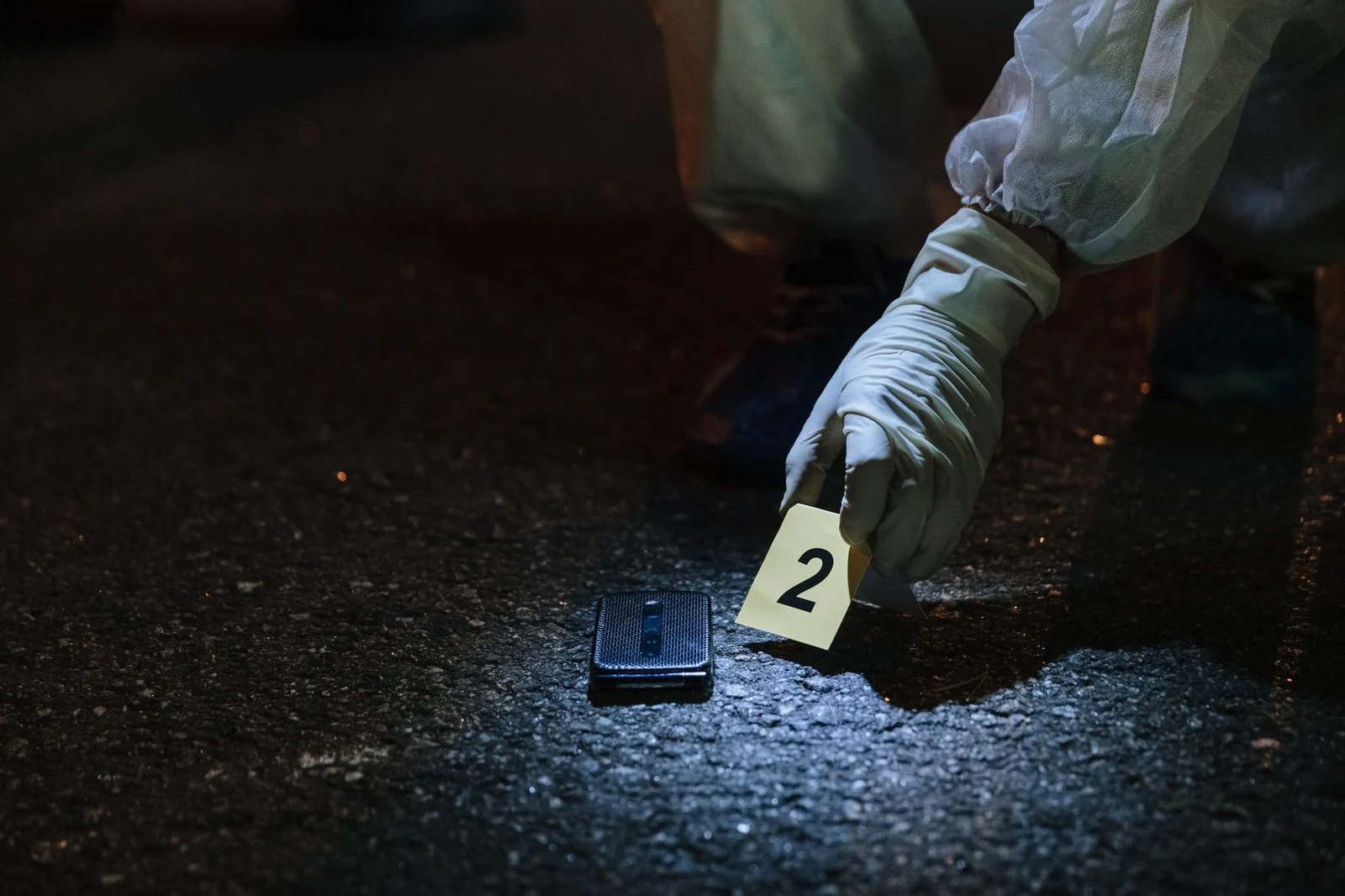
Yes, if possible, families should keep the phone, vehicle, clothing, and other items connected to the incident and avoid repairing or disposing of them. These items can hold data or physical evidence that helps show what happened.
How long does a family have to file a wrongful death claim in Florida?
Florida law generally gives the family two years to file a wrongful death lawsuit, though other deadlines can apply depending on the facts. Because deadlines apply, families should contact CHG Personal Injury Lawyers promptly. The initial consultation is free, confidential, and carries no obligation to continue.
Evidence That Often Matters Most
Police and crash reports
Official reports record the scene, the parties involved and the initial findings, and they often serve as the starting point for the investigation.
Death certificate and medical records
These documents show the cause and timing of death and the treatment that came before it. Follow your doctors' care and ask providers for copies of records.
Photos, video and surveillance footage
Images of the scene, vehicles, property and injuries can disappear quickly, so save any footage you can find.
Witness names and statements
Names, phone numbers and what each person saw can be essential, especially while memories are still fresh.
Records of your family's losses
Income records, household contributions, funeral bills and other costs help show the financial and personal impact of the loss on those left behind.
Act Promptly
Evidence can be lost, overwritten or discarded over time, and legal deadlines apply to wrongful death claims. Do not wait to gather or preserve what you have. Contact the firm promptly so we can advise you on what to save.
How to Start Protecting the Evidence
Keep originals safe
Store paper records, letters, bills and reports in one place. Keep copies of anything you receive from hospitals, insurers or agencies.
Save digital material
Back up phone photos, messages, voicemails, social media posts and video. Do not delete or edit anything, even if it seems unimportant.
Write down what you remember
Record names, dates, times and details of conversations while they are clear. Notes made early can help your legal team later.
Limit statements to insurers
Insurance companies may contact you quickly. Refer them to the firm before giving recorded statements or signing documents.