
Wrongful Death | Jacksonville, Florida
Losing a Loved One to Someone Else's Wrongdoing? Your Family Does Not Have to Face It Alone.
Clear, plain-language answers for Jacksonville families, from attorneys who take the time to listen before anything else.
Why Families Start With Us
Florida
Florida-based firm serving families throughout the state
Free
Confidential first consultation with no obligation to continue
No fee
No attorney's fees or case costs unless there is a recovery
By CHG Lawyers · Published November 16, 2026
Wrongful Death Attorney in Jacksonville, FL
Losing someone you love is painful. A crash, an attack, or a preventable accident can leave your family with grief and many questions. If you need a wrongful death attorney in Jacksonville, FL, you do not have to face them alone.
Here is the short answer. When someone dies because of another party’s negligence or wrongful act, Florida law may allow the family to bring a wrongful death law suit. This page explains how that works. It also explains what your family can do next.
If you need a wrongful death attorney in Jacksonville, FL, you do not have to face them alone. Talk it through with our team — the first consultation is free, confidential, and carries no obligation.
When a Loss of Life Is Caused by Someone Else’s Wrongdoing
A wrongful death lawsuit is a civil claim. A family files it to seek money damages. Damages are money paid to make up for the harm. The family files after someone else’s wrongful conduct causes a death. This kind of lawsuit is separate from any criminal case.
Florida law says this. When a wrongful act, negligence, default, or breach of contract or warranty causes a death, the party who would have been liable if the injured person had lived can be held liable for damages.
- “Default” means failing to do something you were required to do.
- A “warranty” is a promise about a product or service.
Florida’s rules for these claims appear in the Florida Wrongful Death Act, sections 768.16 to 768.26.
The claim is brought by the decedent’s personal representative under § 768.20. The decedent is the person who died. The personal representative is the person who manages that person’s estate. This person sues for the survivors and the estate, as § 768.20 provides.
Cause also matters. A court looks at whether the wrongdoing actually led to the death.
Grief comes first, and the questions arrive fast. Funeral plans, insurance calls, and paperwork are hard enough. New legal terms make them harder. You do not have to sort through all of it on your own.
Common Situations That Lead to Wrongful Death Claims in Jacksonville
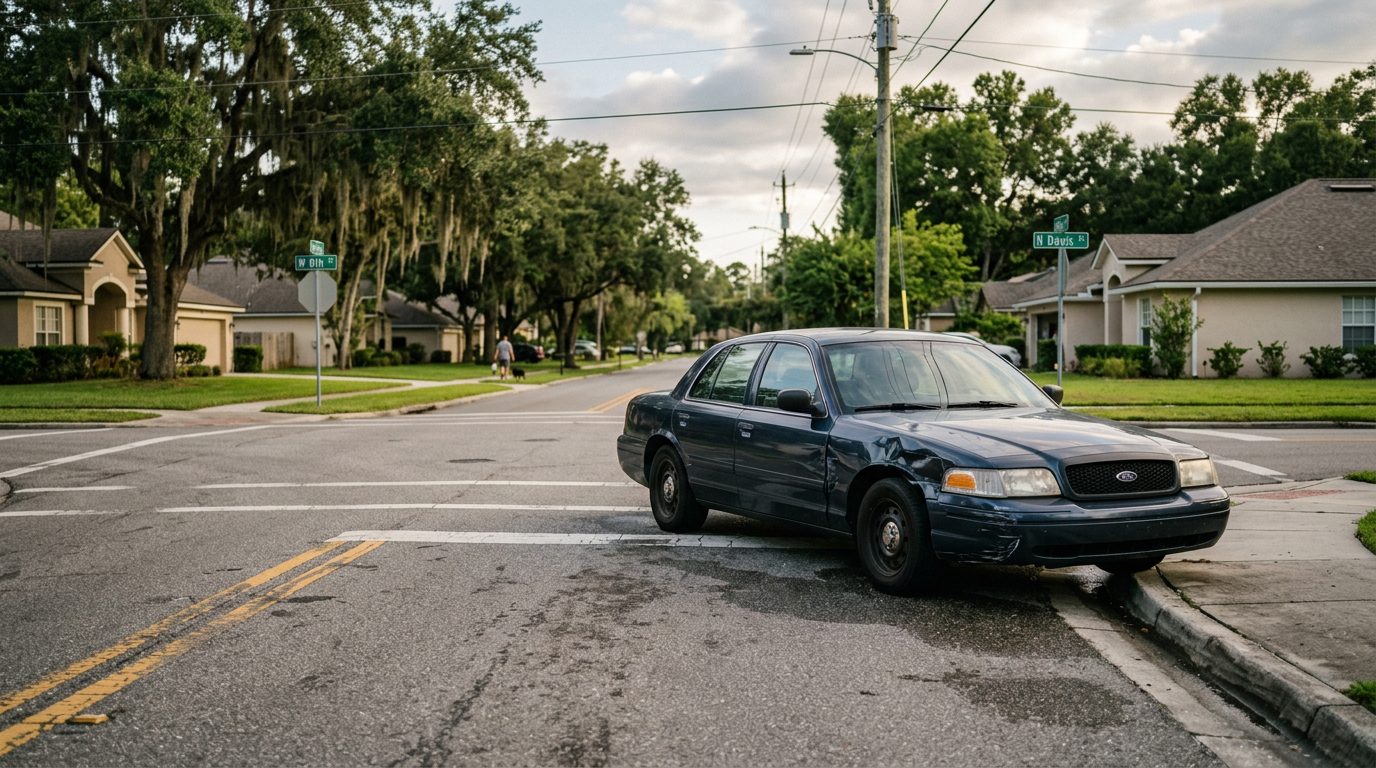
Wrongful death claims can follow many kinds of fatal accidents and violent acts. Families in Jacksonville and Duval County may face situations like these:
- Fatal car and truck crashes on local roads, including crashes involving commercial trucks.
- Deaths involving motorcycles, ATVs, bicycles, and pedestrians.
- Deaths in construction zones, boating and Jet ski incidents, drownings, and airplane crashes.
- Fatal slip-and-fall or electrocution incidents caused by unsafe conditions.
Some families lose someone who was attacked or shot in a place that should have been safer. Picture an apartment complex with broken gates. Or a parking garage with dark stairwells. Or a hotel with unreliable locks. Or a store with no working cameras or guards.
When a property owner fails to provide reasonable security, the family may have a claim against that owner. Lawyers call this kind of case negligent security. A claim like this can look at more than the person who committed the crime. It can also look at the property owner’s failures that contributed to the harm.
The Two-Year Deadline Under Florida Law
Under Florida law, an action founded on negligence must be commenced within two years (Fla. Stat. § 95.11(5)(a)). This is the time limit to file a lawsuit. It applies to a negligence action and to a wrongful death action. See § 95.11(5)(a) and § 95.11(5)(e).
Under Fla. Stat. § 95.11(11), a wrongful death action against a natural person for an intentional tort resulting in death from acts described in s. 782.04 or s. 782.07 may be commenced at any time, and no arrest, formal criminal charge, or conviction is required to file it. See § 95.11(11).
The right rule depends on the facts of each death. Deadlines are strict. Do not try to estimate the time on your own. Contact our team promptly. We can review the timing while the facts are fresh.
What Florida Families May Pursue in a Wrongful Death Case
Florida law lets different family members and the estate seek different kinds of damages. Under § 768.21, the general categories include:
- Survivors may recover the value of lost support and services. This covers the period from the injury to the death and into the future.
- A surviving spouse may recover for loss of the decedent’s companionship and protection. The spouse may also recover for mental pain and suffering.
- Minor children may recover for lost parental companionship, instruction, and guidance. They may also recover for mental pain and suffering.
- Each parent of a deceased minor child may recover for mental pain and suffering.
- A survivor who paid medical or funeral expenses may recover them.
- The estate, through the decedent’s personal representative, may recover the decedent’s lost earnings from the injury to the death, less lost support of survivors excluding contributions in kind.
Under § 768.18, “minor children” means children under 25.
A spouse’s losses follow a special path. In Ripple v. CBS Corp. (Fla. May 9, 2024), the Supreme Court of Florida held that a surviving spouse does not bring a separate loss of consortium claim. Loss of consortium is a claim for the loss of a spouse’s companionship.
Instead, the spouse’s losses are recovered inside the wrongful death action. The court also held that the “marriage before injury” rule does not bar that recovery. This rule looks at when the marriage took place compared with the injury.
Every claim is different. No amount can be promised in advance.
First Steps Families Can Take After a Fatal Accident or Attack
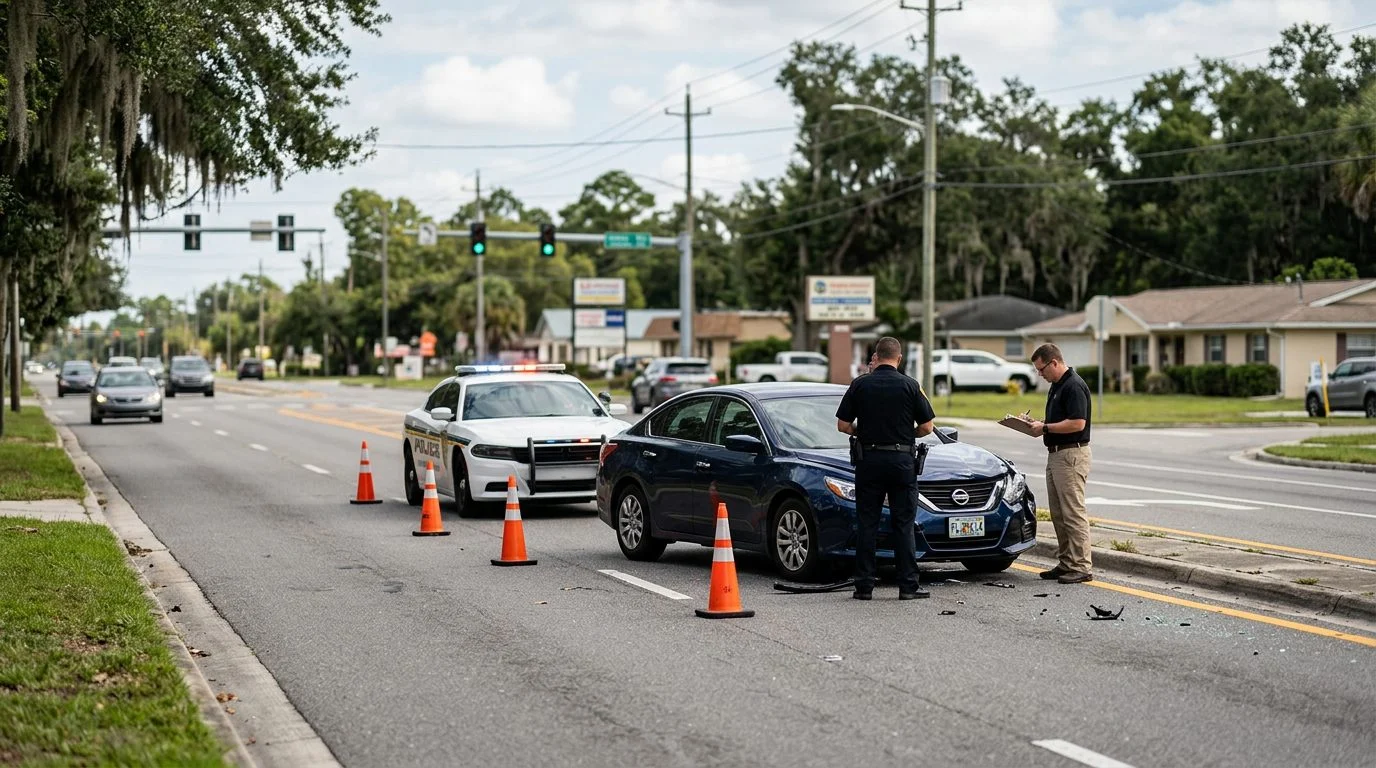
The most useful first steps are to gather records, keep evidence, and be careful with insurance calls.
- Get the police or incident report. Write down the report number.
- Write down the names and contact details of any witnesses.
- Keep the death certificate, hospital and medical records, bills, and receipts.
- Save photos, videos, texts, and surveillance footage.
- Ask the property owner or business in writing to keep its footage. Recordings may be overwritten, meaning they can be erased.
- Write a timeline of dates, times, places, and what happened. Do it while memories are fresh.
- Think before giving a recorded statement to an insurance adjuster. Talk with a lawyer first.
- For medical questions about a loved one’s care, follow the guidance of their doctors.
Not sure what your next step is?
Talk it through with our team — the first consultation is free, confidential, and carries no obligation.
How a Wrongful Death Case Typically Moves Forward
A typical case starts with a free consultation. Next comes an investigation. Then the claim is made against the responsible parties. The case ends in either a settlement or a lawsuit in court.
- Free, confidential consultation. The lawyer reviews the facts, the timeline, and your questions. You have no obligation to continue.
- Investigation. Records are requested and evidence is gathered. When needed, accident reconstruction professionals may review the scene or vehicles.
- Identifying responsible parties. The team looks at who may be at fault. It also looks at what insurance coverage may apply.
- Demand and negotiation. A claim is presented to the insurer or responsible party. If it does not resolve, a lawsuit may be filed in the proper Florida court.
- Resolution. A case may end in a settlement or at trial. Timelines vary.
- A survivor objects.
- The settlement affects a survivor who is a minor or an incompetent (a person not legally able to manage their own affairs), while a wrongful death action is pending.
Why Jacksonville Families Turn to CHG for a Wrongful Death Attorney
CHG Personal Injury Lawyers is a Florida-based personal injury firm. Families who need a wrongful death attorney in Jacksonville, FL can reach the firm. The firm represents clients throughout Florida.
- The firm represents clients throughout Florida, including Jacksonville and Duval County.
- Igor Hernandez is the responsible lawyer for this page. The firm’s attorneys are licensed and admitted to The Florida Bar.
- The practice focuses on catastrophic injuries, wrongful death, truck accidents, negligent security, and other personal injury matters.
- The firm offers bilingual (English and Spanish) educational content for prospective clients.
- The firm charges no attorney’s fees and no case costs unless there is a recovery. The first consultation is free, confidential, and without obligation.
Frequently Asked Questions About Wrongful Death Lawsuits in Jacksonville
Who can file a wrongful death lawsuit in Florida?
Generally, the decedent’s personal representative files it. The personal representative files for the surviving family members and the estate.
How long do families have to file?
Florida sets filing deadlines by statute, which means by law. For actions founded on negligence, the period is two years (Fla. Stat. § 95.11(5)(a)). Contact our team promptly so the rule for your family’s case can be reviewed.
Can a surviving spouse recover damages?
Yes. Under Florida law, a surviving spouse is one of the decedent’s “survivors” under § 768.18, and survivors’ losses are recovered in the wrongful death action under § 768.21. The Florida Supreme Court explained this in Ripple.
Do all cases go to trial?
No. A case can end in a settlement or at trial.
Talk With a Wrongful Death Attorney in Jacksonville, FL About Your Family’s Next Step
If you are asking whether someone else’s wrongdoing played a part in a loved one’s death in Jacksonville, you do not have to decide alone. Contact CHG Personal Injury Lawyers for a free, confidential consultation with no obligation. Talk with Igor Hernandez and our team about the facts, the deadlines, and your family’s options.
What Families Can Expect From Our Team
Compassion First
We understand that a wrongful death claim comes in the middle of grief. We move at a pace that respects your family's loss.
Plain-Language Guidance
We explain the legal process in everyday terms, so you know what to expect at each step and can make informed decisions.
Attention to the Whole Family
Our attorneys keep the family informed and consider the people left behind, not only the facts of the accident.
Careful Case Review
We look closely at how the death happened, the records that describe it, and the parties who may be responsible.
Time Matters in Florida
Florida sets filing deadlines by law, and they apply to wrongful death claims. Contact our office promptly so we can review which deadlines may apply to your family's situation.
Questions Families Often Ask Us
Who can bring a claim?
Florida law determines who may file a wrongful death claim on behalf of the person who died. Our attorneys can explain how these rules apply to your family.
What kinds of deaths do we review?
We review deaths caused by truck and car crashes, motorcycle and bicycle accidents, drowning, negligent security, and other incidents where someone else's conduct may be responsible.
How do we begin?
Your first conversation is free and confidential. We listen to your story, answer your questions, and explain what options may be available.
How are fees handled?
We charge no attorney's fees and no case costs unless there is a recovery. We will explain every part of our fee arrangement before you decide anything.