

Wrongful Death | Sunny Isles Beach, Florida
When a Loved One Dies, Sunny Isles Beach Families Do Not Have to Face the Legal Questions Alone
CHG Personal Injury Lawyers helps Florida families understand their options after a fatal accident or injury, with compassion and clear answers from the first conversation.
Why Families Contact CHG
Florida
Florida-based firm serving families across the state
Licensed
Attorneys admitted to The Florida Bar
Free
Confidential first consultation with no obligation to continue
By CHG Lawyers · Published November 17, 2026
Wrongful Death in Sunny Isles Beach: A Florida Family’s Guide
Wrongful death is painful to face. When a family loses someone suddenly, grief often brings hard legal questions. In Florida, a wrongful death claim is a civil case. It helps a family seek compensation for the losses a death causes.
The claim is brought by the decedent’s personal representative. This is the person who manages the deceased person’s estate. The claim is for the survivors and the estate. It is separate from any criminal case.
Dealing with an insurance company alone can feel overwhelming. This guide explains who can file, what a claim can cover, why timing matters, and what to do first.
Not sure what your next step is?
Talk it through with our team — the first consultation is free, confidential, and carries no obligation.
When a Loss Is Sudden: What Wrongful Death Means in Florida
A wrongful death claim is a civil claim. It can be brought when someone’s wrongful act, negligence, or default causes a person’s death. Negligence means carelessness. It is a failure to act the way a reasonable person would.
Florida’s rules for these claims are in the Florida Wrongful Death Act. Under § 768.26, attorneys’ fees and other litigation expenses are paid by the personal representative and deducted from the awards to the survivors and the estate in proportion to the amounts awarded to them, but expenses incurred for the benefit of a particular survivor or the estate are paid from that party’s award.
The law also looks past the moment of the accident. Under § 768.19, when a death is caused by a wrongful act, negligence, default, or breach of contract or warranty, and the event would have entitled the person injured to maintain an action and recover damages if death had not ensued, a person who would have been liable in damages if death had not ensued is still liable for damages as specified in this act. This is true even when the death happened in circumstances that also count as a felony.
Under § 768.20, the injured person’s own claim for that injury does not survive death.
A criminal case asks whether the law was broken and what punishment follows. A wrongful death claim asks who must compensate the family. Keep the two separate in your mind. They answer different questions.
Who Can Bring a Wrongful Death Claim in Florida
Florida law generally has the decedent’s personal representative bring the claim. This is the person appointed to manage the deceased person’s estate. Under § 768.20, that person files for the benefit of the survivors and the estate.
The statute also defines who counts as a survivor. Under § 768.18, survivors include the decedent’s spouse, children, and parents.
Blood relatives and adoptive brothers and sisters count only when they were partly or wholly dependent on the decedent. Dependence means they relied on the decedent for support or services. “Minor children” means children under 25, even if the law already treats them as adults.
Family situations are rarely simple. A spouse, a grown child, and a parent may each hold different rights. Support and dependence can change the answer. Do not assume one relative makes all the decisions. Identifying the right people early helps a family move forward on time.
Timing of a marriage can matter too. In Ripple v. CBS Corp., the Supreme Court of Florida held that the “marriage before injury” rule does not bar a surviving spouse’s recovery of damages under § 768.21(2). Loss of consortium means loss of marital companionship.
What a Family Can Pursue: Economic and Non-Economic Losses
Families facing a wrongful death often have questions about what a claim may cover, and our team can explain how Florida law applies to their situation. The first is money the family lost. The second is the personal losses a death leaves behind.
Under § 768.21(1), each survivor may recover the value of lost support and services. Support includes money and contributions in kind, such as goods or help the family received. Services are household tasks the deceased regularly performed. Examples include school pickups, meal preparation, or home repairs.
A surviving spouse may also recover for loss of the decedent’s companionship and protection. They may also recover for mental pain and suffering, under subsection (2).
Minor children, and all children if there is no surviving spouse, may recover for lost parental companionship, instruction, and guidance. This is under subsection (3). Each parent of a deceased minor child may recover for mental pain and suffering, under subsection (4).
The statute also covers money already spent. Under § 768.21(5), a survivor who paid medical or funeral expenses may recover them. Under subsection (6)(b), the decedent’s personal representative may recover for the estate medical or funeral expenses that have become a charge against the estate or were paid by or on behalf of the decedent. This excludes amounts recoverable under subsection (5). The estate may recover the deceased’s lost earnings from injury to death, less lost support of survivors.
Settlements have their own safeguards. Under § 768.25, a settlement is not effective while the action is pending unless the court approves it. This applies if a survivor objects. It also applies if the settlement affects a minor or an incompetent survivor. An incompetent survivor is someone legally unable to make decisions.
No one can promise an amount, because every case is different.
Why Time Matters: Florida Deadlines and Evidence
Florida sets time limits for these claims. The basic period for a negligence action is two years. Under § 95.11(5)(a), an action founded on negligence has a two-year limit.
Deadlines apply. The sooner a family reaches out, the more room there is to act.
Some intentional killings follow a different rule. Under § 95.11(11), a wrongful death action against a natural person for an intentional tort may be started at any time. This applies when the death results from acts described in s. 782.04 or s. 782.07. Whether that rule fits a given case is a question to review with a lawyer right away.
Evidence fades, too. Crash reports, 911 records, and other official documents can be time-sensitive. Ask for them early.
Surveillance video and property maintenance logs may not be kept forever. Ask for them early.
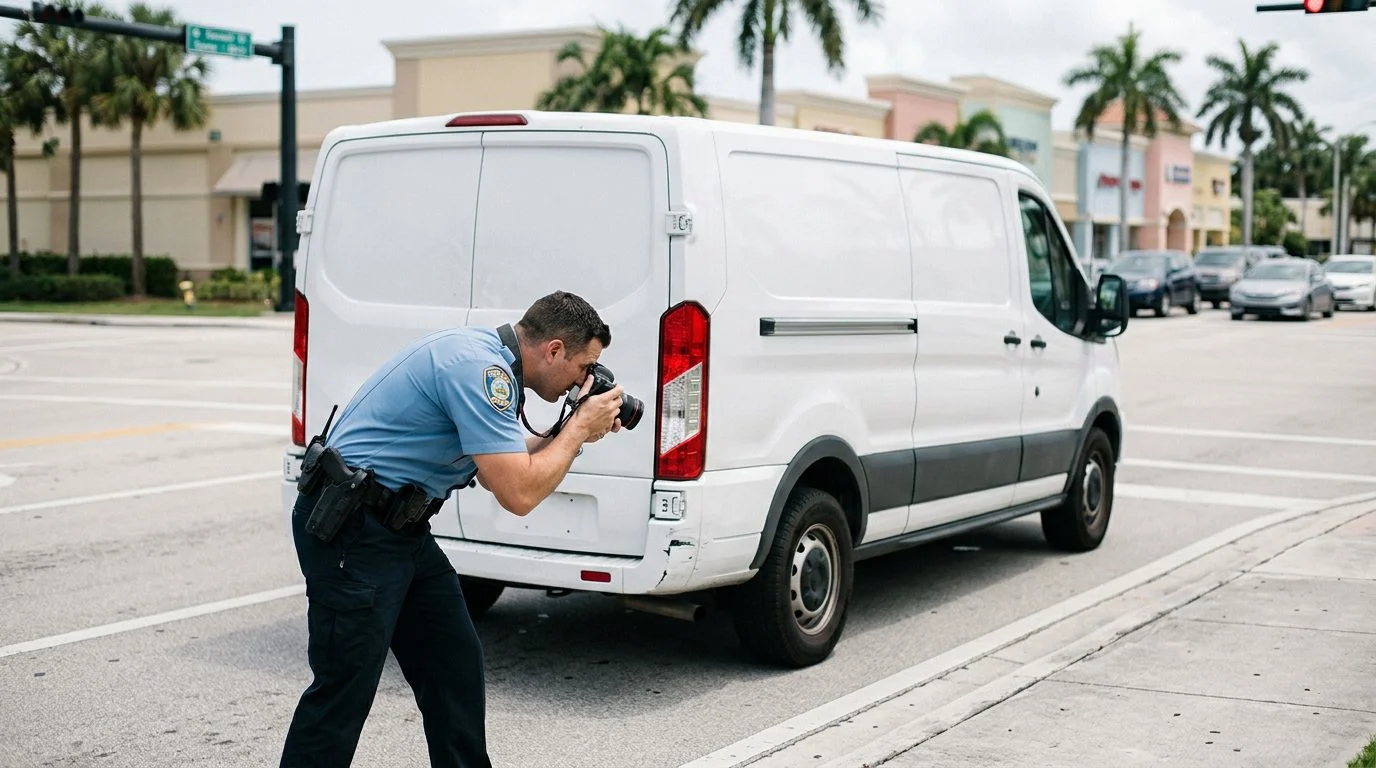
Wrongful Death in Sunny Isles Beach: How Accidents Happen
Fatal harm in Sunny Isles Beach often happens where people move fastest. This includes busy roads, the beach, and areas near high-rise buildings. These settings can lead to a claim when someone else’s carelessness played a part.
Crashes are the most common setting. A car, truck, motorcycle, or bicycle death on a busy road such as Collins Avenue can start a claim. Pedestrians struck at crosswalks or on major roads face the same risk. Rideshare trips and construction-zone accidents can raise their own questions about who is responsible.
Water is another setting. Drowning can happen in the ocean, in pools, and in waterways. Jet ski and boating incidents can also lead to claims.
Pool and balcony safety often come up at condominiums, hotels, and short-term rentals.
Some families face a different kind of loss. Someone may have been assaulted, shot, or robbed on another person’s property. If the owner did not provide reasonable security, that person may have a claim against the owner. This could happen at an apartment complex, parking garage, hotel, bar, or store. Reasonable security can include working locks and gates, lighting, cameras, or guards. Lawyers call this type of claim negligent security.
Who maintained security, and what measures were in place, are central questions in these cases. A lawyer can review the facts of a specific property. A lawyer can also explain what those facts may mean for your family.
Not sure what your next step is?
Talk it through with our team — the first consultation is free, confidential, and carries no obligation.
Florida and Miami-Dade Traffic Fatality Data
Traffic deaths are recorded in official records every year. Those records show how common these losses are. The CDC’s impaired-driving facts page presents information on traffic deaths involving alcohol-impaired drivers in the United States.
Numbers can make a loss sound like a statistic. Each figure is a family asking the same questions. Who is responsible? What can we do? How will we pay the bills?
Statistics describe patterns across many cases. They cannot predict what happens in any one claim, including yours.
First Steps for a Family in Sunny Isles Beach
The first steps are practical. Families can start them right away.
- Ask the responding agency for the crash or police report.
- Write down the names and phone numbers of witnesses while memories are fresh.
- Keep records of medical, funeral, and other bills, along with receipts.
- Write down what your family remembers about the person and the events.
- Keep the deceased person’s phone, belongings, photos, and messages. Do not delete anything.
- Follow the care your doctors recommend and the guidance of your funeral provider.
- Avoid recorded statements to insurers without legal guidance.
If a child, teen, or young adult in your family is struggling, or anyone is thinking about self-harm, call or text 988, the Suicide & Crisis Lifeline.
Talk With Our Florida Attorneys About Your Family’s Next Step
CHG Personal Injury Lawyers is a Florida personal injury firm. We serve families throughout Florida. Igor Hernandez is the responsible lawyer for this page.
Our lawyers focus on personal injury cases of every kind, including wrongful death. Our team can explain your family’s options.
The initial consultation is free, confidential, and without obligation to continue. CHG charges no attorney’s fees and no case costs unless there is a recovery.
Who can file a wrongful death claim in Florida?
The personal representative of the deceased person’s estate generally files the claim for the survivors.
How long does a family have to file in Florida?
Florida’s basic limit for negligence actions is two years under § 95.11(5)(a). Contact a lawyer promptly.
Is a wrongful death claim the same as a criminal case?
No. A criminal case is separate. A wrongful death claim is a civil claim for the family’s losses.
If someone else’s carelessness may have caused your family’s loss in Sunny Isles Beach, you do not have to face the questions alone. Contact our team for a free case evaluation.
What You Can Expect When You Reach Out
Compassion first
We begin by listening to your family's story and the questions weighing on you, at a pace that respects your grief.
Plain-language answers
Our lawyers explain the wrongful death process in everyday terms, so you know what to expect at each step.
Careful investigation
We work to gather the records, reports, and evidence that help show what happened and who may be responsible.
Support for your family
We keep you informed and make room for the people who are grieving, so the legal work does not overwhelm them.
No fees unless there is a recovery
The firm charges no attorney's fees and no case costs unless there is a recovery. Your first consultation is free and confidential.
Time Matters After a Death
Evidence can be lost and deadlines apply to wrongful death claims.
How We Help Families Move Forward
Understanding the claim
We explain who may bring a wrongful death claim and what it can address, so your family can make informed decisions.
Building the case
We look into the accident or wrongdoing behind the death, including the reports and records that tell the full story.
Handling the legal work
Our team manages communication with insurers and other parties so you can focus on your family.
Pursuing fair compensation
We work toward the compensation that reflects the loss your family has suffered, whether through settlement or the courtroom.