

Catastrophic Work Zone Crash Injuries: Your Legal Rights
When negligence on the road leaves you permanently changed, we're here to help. Free case evaluation.
By CHG Lawyers · Published August 27, 2026
Work Zone & Road Construction Crashes: Catastrophic Injury, Liability & Your Rights in Florida
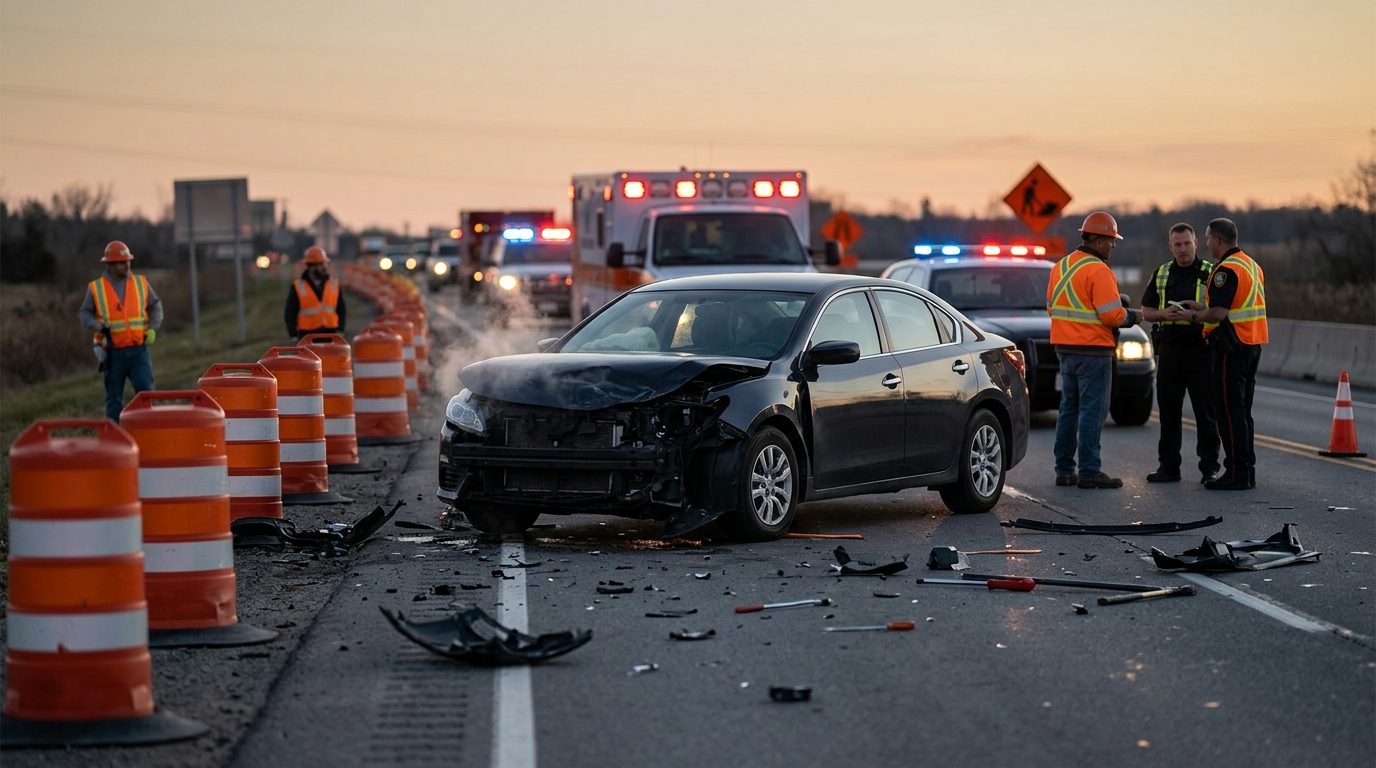
A work zone crash is a collision in an active road construction, maintenance, or utility work zone—where workers, heavy equipment, lane closures, and sudden hazards concentrate the forces that cause catastrophic, permanent injury. Unlike routine traffic accidents, work zone collisions frequently result in spinal cord injury and paralysis, traumatic brain injury, amputation, severe burns, and death.
The scale is sobering. According to the National Safety Council, work zone crashes killed 850 people and injured 42,084 in 2024. More troubling: work zone fatalities have risen 45% since 2010, a trend reflecting both increased construction activity and persistent hazards that contractors and government agencies fail to control. Behind each statistic is a family facing permanent disability, loss of independence, and lifelong medical and financial burden.
If you or a loved one suffered catastrophic injury in a work zone crash, understanding what happened, who bears responsibility, and what your legal rights are is the first step toward recovery and justice.
Not sure what your next step is?
Talk it through with our team — the first consultation is free, confidential, and carries no obligation.
What Distinguishes a Work Zone Crash from an Ordinary Accident
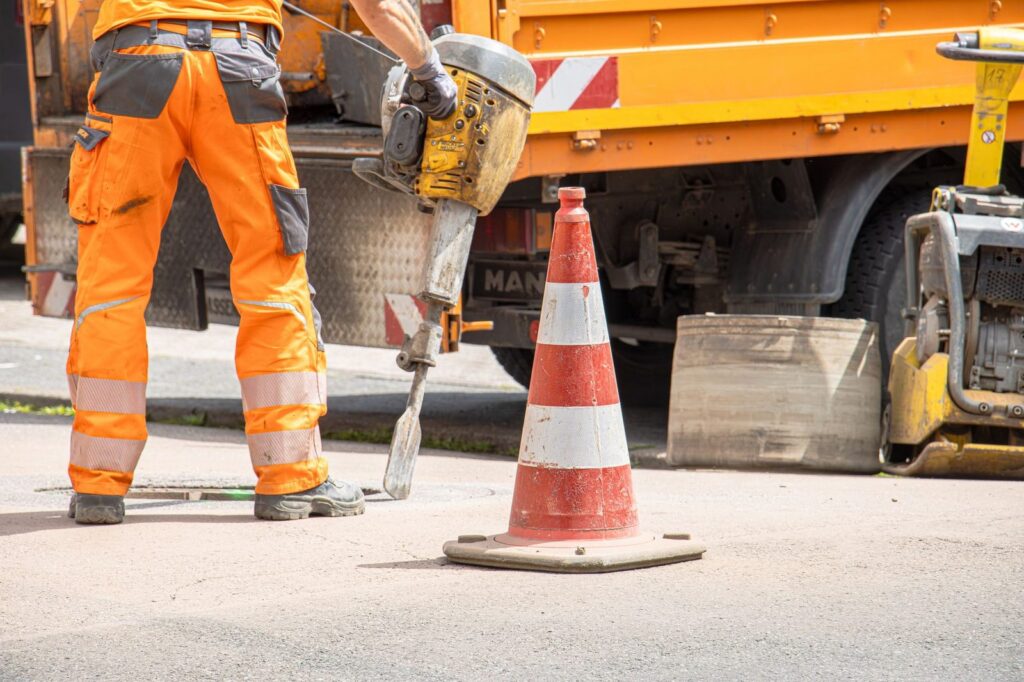
A work zone crash occurs where road construction, maintenance, repair, or utility work is actively underway—highway resurfacing, bridge work, utility line installation, or emergency roadside operations. What makes these collisions uniquely dangerous is the concentration of hazards: workers and heavy equipment occupy the roadway, lanes are narrowed or closed, barriers and signage direct traffic, visibility is reduced, and drivers must navigate sudden obstacles at reduced stopping distances.
High-speed traffic meets confined space and unexpected hazards. The result is far more severe injury than crashes on open highway.
Why Work Zone Crashes Cause Catastrophic Injury
Multiple hazards converge in work zones, making severe injury inevitable. Drivers often fail to slow down or merge safely when entering a work zone—distracted, fatigued, or simply unprepared for the sudden change in road conditions. When a vehicle traveling at highway speed strikes another vehicle, work equipment, a barrier, or a worker, the impact force is enormous.
Rear-end collisions are the most common type. A driver fails to notice slowed or stopped traffic ahead and strikes the vehicle in front at full speed. The violent deceleration causes acceleration-deceleration injury and can rupture internal organs, fracture the spine, and cause traumatic brain injury from head impact or violent motion.
Struck-by incidents—where a vehicle leaves the roadway or strikes work equipment or barriers—often involve crushing forces that cause amputation, severe fractures, and massive internal bleeding.
Fuel spills or fires in work zones cause severe burns. A vehicle may strike a fuel tanker, rupturing the tank. Fuel ignites, and occupants of nearby vehicles are engulfed in flame.
Multi-vehicle pile-ups create chain-reaction collisions where occupants of middle or rear vehicles experience multiple impacts, compounding injury.
Truck crashes in work zones pose heightened danger. Large commercial vehicles have greater mass and longer stopping distances. When a truck collides with another vehicle or equipment, the impact force vastly exceeds a passenger-car collision. Truck drivers often fail to slow down adequately or may be fatigued.
In the catastrophic-injury cases we handle, work zone crashes consistently produce the most severe outcomes: spinal cord injury with permanent paralysis, devastating brain injury, limb loss, severe burns requiring years of surgery and rehabilitation, and fatal injuries that leave families grieving.
Spinal Cord Injury and Paralysis from Work Zone Crashes
High-speed collisions in work zones frequently cause spinal cord damage. The sudden impact and violent acceleration-deceleration motion can fracture vertebrae, rupture discs, or tear the spinal cord itself. The result is often permanent paralysis.
Paraplegia is paralysis of the lower body—the legs and lower trunk. A person with paraplegia loses sensation and motor control below the level of injury. They require a wheelchair for mobility and face lifelong dependence on medical care, home modification, and assistive devices.
Quadriplegia (also called tetraplegia) is paralysis of all four limbs and the trunk. A person with quadriplegia may require a ventilator to breathe, cannot move independently, and requires 24-hour care. The loss of independence and the medical, emotional, and financial burden are profound.
Spinal cord injury is permanent. There is no cure. Recovery is limited to rehabilitation and adaptation. Many survivors face chronic pain, loss of bowel and bladder control, sexual dysfunction, and increased risk of secondary complications like pressure ulcers and infections.
Traumatic Brain Injury (TBI) from Work Zone Crashes
Sudden impact or violent head trauma in a work zone crash causes traumatic brain injury. The brain strikes the inside of the skull, and the sudden motion causes diffuse axonal injury—tearing of nerve fibers throughout the brain.
TBI symptoms may be immediate or delayed. Immediate symptoms include loss of consciousness, confusion, headache, and nausea. Delayed symptoms—appearing hours or days after the crash—include cognitive impairment, memory loss, difficulty concentrating, personality changes, mood swings, seizures, and chronic pain.
Severity ranges from mild concussion (brief loss of consciousness, full recovery expected) to severe TBI (prolonged unconsciousness, permanent cognitive and physical disability). Many survivors of severe TBI face lifelong challenges: inability to return to work, difficulty with relationships, chronic headaches, and increased risk of depression and post-traumatic stress.
Recovery from TBI is often incomplete. The brain’s plasticity allows some recovery, but many survivors plateau and live with permanent impairment.
Amputation and Limb Loss from Work Zone Crashes
Crush injuries from heavy equipment, vehicles, or barriers in a work zone can result in partial or total amputation of a limb. A motorist whose vehicle is crushed may lose an arm, leg, hand, or foot.
Amputation is permanent. Prosthetics can restore some function and mobility, but they are never a perfect replacement for a natural limb. Rehabilitation is intensive and ongoing. Many amputees experience phantom pain—the sensation that the lost limb still exists and is in pain—which can be severe and persistent.
Beyond the physical loss, amputation causes profound psychological trauma. Loss of a limb means loss of independence, loss of the ability to perform familiar tasks, and often loss of the ability to work in the same occupation.
Have questions about what happened?
Ask our team directly. The first conversation is free, confidential, and there is no obligation to continue.
Severe Burns from Work Zone Crashes
Fuel spills, fires, or explosions in work zones cause severe, life-threatening burns. A vehicle may strike a fuel tanker or other hazardous-material vehicle, rupturing the tank. Fuel ignites, and occupants of nearby vehicles are engulfed in flame. The result is severe thermal injury affecting large areas of the body.
Severe burns require emergency medical care, often including airway management, fluid resuscitation, and transfer to a specialized burn center. Survivors face multiple surgeries, skin grafts, and years of rehabilitation. Scarring and contractures (permanent tightening of skin and underlying tissue) are common, limiting movement and causing chronic pain.
Many severe-burn survivors face permanent disfigurement, chronic itching and pain, and psychological trauma from the injury and its visible consequences.
Who Is Liable for a Work Zone Crash?
Liability in a work zone crash depends on the cause and the parties involved. Multiple defendants may share responsibility.
The contractor or construction company may be liable if the work zone was set up improperly, signage was inadequate or missing, barriers were placed incorrectly, traffic control was negligent, or work practices were unsafe. Contractors have a duty to design and maintain a safe work zone that protects both workers and passing traffic.
The government agency (state DOT, county, or municipality) may be liable if it negligently designed, maintained, or operated the work zone. However, sovereign immunity—a legal doctrine that shields government entities from certain lawsuits—may limit liability. Exceptions exist, particularly for negligent traffic control or failure to warn of known hazards. Pursuing a claim against a government entity requires strict compliance with notice requirements and procedural rules.
Other drivers may be liable if their negligence (speeding, distraction, reckless driving) caused the crash. However, driver negligence does not eliminate contractor or government liability if the work zone itself was unsafe.
Equipment manufacturers may be liable if defective equipment (a work vehicle, barrier, or traffic-control device) caused or contributed to the crash.
Determining liability requires investigation: reviewing the work zone design and setup, examining signage and barriers, interviewing witnesses, analyzing the crash dynamics, and consulting safety experts.
Fatal Work Zone Crashes and Wrongful-Death Claims
Fatal work zone crashes are the most catastrophic outcome. A family loses a loved one. The grief is profound and permanent.
Families of victims in fatal work zone crashes may pursue a wrongful-death claim against the responsible party or parties. Wrongful-death damages may include funeral and medical expenses, the victim’s lost income (had the victim lived), loss of companionship and society, and pain and suffering experienced by the family.
The statute of limitations for wrongful-death claims in Florida is two years from the date of death. This deadline is strict; missing it may bar the claim forever. Families should consult an attorney promptly.
Work Zone Crash Statute of Limitations in Florida
Time limits for filing a claim are strict and vary by claim type.
In Florida, the statute of limitations for personal injury claims is generally two years from the date of injury. For wrongful-death claims, the statute of limitations is two years from the date of death.
Claims against government entities (state DOT, county, or municipality) have different rules.
Missing a deadline may eliminate your right to recover compensation forever. If you’ve been injured in a work zone crash, consult an attorney promptly.
Suing a Government Agency for a Work Zone Crash
Government agencies often operate or oversee work zones. They may be liable for negligent design, maintenance, or operation. However, sovereign immunity may limit liability.
Exceptions to sovereign immunity exist. A government agency may be liable if it was negligent in traffic control, failed to warn of a known hazard, or operated the work zone in violation of safety standards. Pursuing a claim against a government entity requires strict compliance with notice requirements and procedural rules. Notice periods are often very short—sometimes just 30 days. Failure to comply may bar the claim.
Damage caps may also apply to government defendants in some circumstances. An attorney experienced in government liability can navigate these complex rules.
Want to know where you stand?
Tell us what happened and our team will walk you through the options available to you, at no cost.
What Should You Do Immediately After a Work Zone Crash
Immediate actions after a work zone crash are critical to your health, safety, and legal rights.
Seek immediate medical attention. Call 911 or have someone take you to an emergency room, even if injuries seem minor. Some catastrophic injuries—traumatic brain injury, internal bleeding, spinal cord injury—may not be immediately obvious. A medical evaluation creates a record of your injuries and begins treatment.
Call 911 and report the crash to police. Obtain the police report number. The police report is a key piece of evidence.
Document the scene. If you are able, take photographs of the work zone setup, signage, barriers, lighting, lane markings, vehicle damage, and the location of the crash. Photos preserve evidence that may be altered or removed later.
Collect witness contact information. Ask anyone who saw the crash for their name, phone number, and email. Witness statements are valuable evidence.
Preserve evidence. Do not allow the work zone to be altered, cleaned up, or restored before investigation. Ask the contractor or government agency to preserve the scene.
Do not admit fault or sign anything without legal advice. Statements you make at the scene can be used against you later. Do not discuss the crash with the other driver, the contractor, or government representatives except to provide basic information to police.
Report the crash to your insurance company. Provide factual information but do not speculate about fault or accept blame.
Consult an attorney who focuses exclusively on catastrophic injury claims. Do not give a recorded statement to an insurance company or accept a settlement offer without legal advice. Insurance companies often make low initial offers. An attorney can investigate the crash, identify all liable parties, and pursue fair compensation.
Work Zone Crash Compensation: What Is Your Claim Worth?
Compensation for a work zone accident injury depends on multiple factors: the severity of injury, whether the injury is permanent, medical costs (past and future), lost wages and earning capacity, and the strength of liability.
Catastrophic injuries—paralysis, traumatic brain injury, amputation, severe burns—typically result in substantial claims because of lifelong care needs. A person with paraplegia may require home modification, a wheelchair, accessible vehicle, and 24-hour attendant care. The cost of care over a lifetime can exceed $1 million.
Damages in a personal injury claim include:
- Medical expenses (emergency care, surgery, hospitalization, rehabilitation, ongoing treatment)
- Lost wages and earning capacity (income lost to date and future lost income)
- Pain and suffering (compensation for physical pain and emotional distress)
- Loss of enjoyment of life (compensation for inability to engage in activities you once enjoyed)
- In wrongful-death cases, loss of companionship and society
Insurance coverage, defendant assets, and jurisdiction affect settlement and verdict amounts. An experienced attorney can evaluate your claim and pursue fair compensation.
Frequently Asked Questions
What is the most common type of work zone crash?
Rear-end collisions are the most frequent type of work zone crash, occurring when a driver fails to notice slowed or stopped traffic ahead and strikes the vehicle in front at highway speed.
What injuries are most common in work zone crashes?
Catastrophic injuries including spinal cord injury and paralysis, traumatic brain injury, amputation, severe burns, and fatal injuries are common in work zone crashes due to high-speed impacts and concentrated hazards.
Who is liable for a work zone crash?
Liability may fall on the contractor or construction company (for improper work zone setup or negligent traffic control), the government agency (for negligent design or maintenance), other drivers (for negligent driving), or equipment manufacturers (for defective equipment).
What is the statute of limitations for a work zone crash claim in Florida?
The statute of limitations for personal injury claims in Florida is generally two years from the date of injury (Fla. Stat. § 95.11(5)(a)). For wrongful-death claims, it is two years from the date of death. Claims against government entities may have shorter notice periods.
Can I sue a government agency for a work zone crash?
Yes, but sovereign immunity may limit liability. Exceptions exist for negligent traffic control or failure to warn of known hazards. Notice requirements and procedural rules are strict.
What compensation can I recover for a work zone injury?
Compensation includes medical expenses, lost wages and earning capacity, pain and suffering, and loss of enjoyment of life. In wrongful-death cases, damages include loss of companionship and funeral expenses.
What should I do immediately after a work zone crash?
Seek medical attention, call 911, obtain a police report, document the scene with photos, collect witness information, preserve evidence, and consult an attorney before giving a statement or accepting a settlement offer.
If you or a loved one suffered paralysis, brain injury, amputation, or severe burns in a work zone crash in Florida, you may have a claim against the contractor, government agency, or driver responsible. Contact us for a free case evaluation to learn more about your rights and what compensation may be available.
Common Work Zone Crash Injuries
Spinal Cord Injury & Paralysis
Rear-end collisions and multi-vehicle pileups in work zones often cause spinal cord damage, resulting in paraplegia or quadriplegia. These injuries permanently alter mobility, independence, and quality of life.
Traumatic Brain Injury (TBI)
High-speed impacts in construction zones can cause severe head trauma, leading to cognitive impairment, memory loss, personality changes, and long-term disability.
Amputation & Limb Loss
Crashes involving heavy equipment or vehicles in active work zones can result in catastrophic limb loss, requiring lifelong prosthetic care and rehabilitation.
Severe Burn Injuries
Collisions involving fuel trucks or hazardous materials in work zones can cause life-altering burns requiring extensive medical treatment and reconstruction.
Why Work Zone Crashes Are So Dangerous
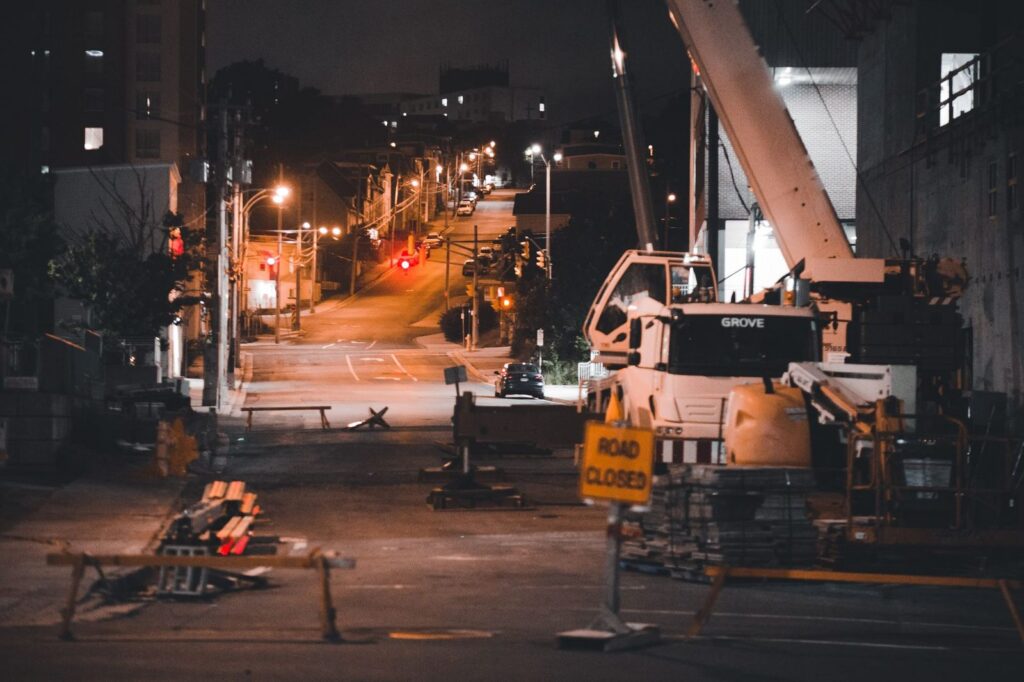
Construction zones involve reduced lanes, heavy equipment, stopped or slow-moving traffic, and workers in or near the roadway. Drivers who fail to slow down, merge safely, or stay alert cause catastrophic collisions. Property owners, contractors, and government agencies have a legal duty to maintain safe work zones—and when they fail, injured people and families deserve compensation.
Why Choose CHG Personal Injury Lawyers
Catastrophic Injury Focus
We focus exclusively on the most serious, life-altering injuries—spinal cord damage, paralysis, brain injury, amputation, and severe burns. We understand the permanent impact and fight for the resources you need.
Thorough Investigation
We investigate every angle: traffic patterns, work zone safety protocols, equipment maintenance, driver records, and whether negligence caused your crash. Evidence matters.
Florida Bar Licensed Attorneys
No Attorney’s Fees Unless There Is a Recovery
We take cases on contingency. You pay nothing upfront, and we only collect a fee if we recover compensation for you.
What Happens After a Work Zone Crash
Seek Immediate Medical Care
Catastrophic injuries may not be obvious at first. Get a full medical evaluation, even if you feel okay. Document all injuries and treatment.
Report the Crash
File a police report and notify the work zone contractor or property owner. Obtain the incident report number and gather contact information from witnesses.
Preserve Evidence
Take photos of the crash scene, work zone signage, road conditions, and your injuries. Keep all medical records, bills, and communications.
Contact Our Firm
Call us for a free case evaluation. We'll review what happened, explain your rights, and discuss next steps—no obligation.
Act Quickly
Time matters in catastrophic injury cases. Evidence can disappear, witnesses' memories fade, and legal deadlines apply. The sooner you reach out, the sooner we can protect your rights and begin building your claim.