

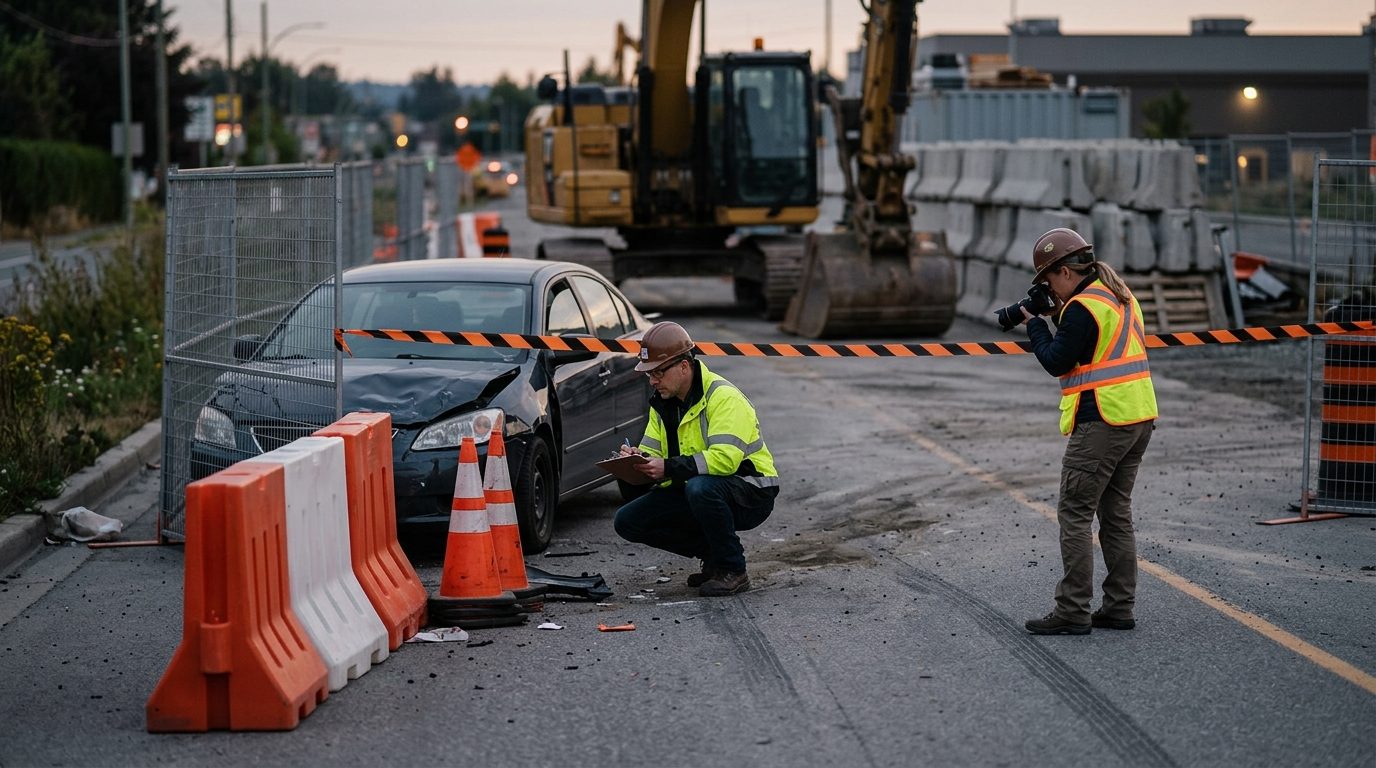
Construction Zone Accidents
Catastrophic Construction Zone Crash Injuries: Know Your Rights
When negligence on the roadway leaves you with spinal cord injury, paralysis, traumatic brain injury, or amputation, you deserve answers. CHG Personal Injury Lawyers focuses exclusively on catastrophic injuries caused by construction zone crashes.
By CHG Lawyers · Published August 23, 2026
Catastrophic Construction Zone Crash Injuries: What You Need to Know
A catastrophic construction zone accident injury is permanent, life-altering harm caused by a crash in a work zone. It includes spinal cord injury, paralysis (paraplegia or quadriplegia), traumatic brain injury, amputation, severe burns, or death. These are not minor fender-benders or soft-tissue injuries.
Construction zone crashes happen at high speeds in confined spaces. Heavy vehicles, poor visibility, and multiple hazards are present. They leave lasting physical, emotional, and financial scars.
If you or someone you love has been catastrophically injured—or killed—in a construction zone crash, you likely have questions. What went wrong? Who is responsible? What comes next? This guide explains the types of injuries that arise from work zone collisions, how liability works, and the steps you should take to protect your rights.
Not sure what your next step is?
Talk it through with our team — the first consultation is free, confidential, and carries no obligation.
What Are Catastrophic Construction Zone Crash Injuries?
Catastrophic construction zone crash injuries are severe, permanent harms. They fundamentally change a person’s life and independence. These are not routine injuries that heal with time and therapy.
Construction zones concentrate multiple hazards: lane shifts, heavy trucks, stopped vehicles, workers, equipment, reduced visibility, and often inadequate signage or barriers. Drivers often maintain highway speeds in these narrowed, hazardous spaces. When a collision happens, the result is frequently catastrophic.
The injuries that arise from construction zone crashes include:
-
Spinal cord injury and paralysis: Impact to the spine can sever or severely damage nerve tissue. This results in paraplegia (paralysis of the lower body) or quadriplegia (paralysis of all four limbs). These injuries are permanent. They require lifelong medical care, adaptive equipment, and often attendant care for daily activities.
-
Traumatic brain injury (TBI): A blow to the head can cause bleeding, swelling, or diffuse axonal injury inside the brain. TBI may not be visible on the surface. But it can cause permanent cognitive, behavioral, and physical changes—memory loss, difficulty concentrating, mood changes, headaches, and loss of coordination.
-
Amputation and limb loss: Crush injuries, contact with machinery, or severe trauma can result in the loss of a limb. Amputation means permanent loss of function, mobility challenges, phantom pain, and the need for prosthetics and ongoing rehabilitation.
-
Severe burn injuries: Vehicle fires, contact with hot surfaces, or exposure to chemicals in construction zones can cause deep tissue burns. These require surgery, skin grafts, and long-term wound care and pain management.
-
Catastrophic back and neck injuries: Whiplash or direct impact can damage discs, vertebrae, or nerve roots. This causes permanent nerve damage, chronic pain, and loss of function.
-
Wrongful death: When a construction zone crash kills a driver, passenger, or worker, the family is left to grieve and cope. They lose financial support, companionship, and the need for legal accountability.
Common Types of Catastrophic Injuries in Work Zone Crashes
In the catastrophic-injury cases our attorneys handle, we see a consistent pattern. Construction zone crashes produce severe, not minor, harm because of the speed, confinement, and hazard concentration involved.
Spinal cord injuries leave people unable to walk. They require wheelchairs, accessible housing, and accessible transportation. They require round-the-clock care. According to the National Spinal Cord Injury Statistical Center (NSCISC), spinal cord injuries result in permanent paralysis and lifelong medical, rehabilitation, and adaptive equipment needs.
Traumatic brain injury is often called the “invisible injury.” The damage isn’t always visible from the outside. Yet the consequences are profound: cognitive impairment, behavioral changes, difficulty with balance and coordination, chronic headaches, and emotional dysregulation. Many TBI survivors cannot return to work or live independently.
Amputation and limb loss mean immediate and permanent loss of function. A person loses not only physical capability but also independence, employment prospects, and psychological well-being. Prosthetics are expensive. They require ongoing replacement and adjustment. They don’t fully restore function.
Severe burn injuries can require months of hospitalization, multiple surgeries, skin grafts, and years of pain management and scar revision. Burn survivors often face permanent disfigurement, reduced mobility, and psychological trauma.
Catastrophic back and neck injuries can cause permanent nerve damage, chronic pain, and loss of sensation or motor control. Some people lose the ability to work, stand for long periods, or care for themselves.
Wrongful death is the most catastrophic outcome. The Christopher & Dana Reeve Foundation reports that approximately 5.4 million Americans live with paralysis. Many are from traumatic accidents. But those who die leave grieving families behind. Surviving spouses, children, and parents must cope with sudden loss, financial hardship, and the need to pursue legal accountability.
How Construction Zone Crashes Happen
Construction zone crashes arise from a combination of driver error, unsafe work zone design, and hazardous conditions.
Driver error is common: speeding, distracted driving, lane changes without warning, or failure to adjust to reduced visibility. Many drivers are unfamiliar with the work zone layout and react too slowly to sudden changes.
Unsafe work zone design and maintenance is a major culprit. Inadequate or missing signage leaves drivers unaware of lane shifts or hazards. Poor lighting makes it hard to see stopped vehicles or workers. Barriers and cones may be missing, damaged, or ineffectively placed. Lane configurations may be confusing or change abruptly.
Truck and heavy vehicle involvement amplifies risk. Large trucks have longer stopping distances, reduced visibility, and greater impact force. Truck drivers may be fatigued, pressured to meet schedules, or operating defective vehicles with failed brakes or steering.
Inadequate traffic control means too few flaggers, malfunctioning signals, or poor coordination with traffic flow. Workers may be exposed to traffic without adequate barriers or warning systems.
Visibility and weather challenges compound the problem. Reduced sight lines, glare, rain, fog, or night work make it harder for drivers to see hazards and react in time.
Rideshare and passenger vehicle collisions occur when Uber or Lyft drivers unfamiliar with work zones make sudden moves or fail to slow down. Passengers in smaller vehicles face disproportionate harm in collisions with trucks or heavy equipment.
Who Can Be Liable in a Construction Zone Crash?
Liability in a construction zone crash often involves multiple parties, not just the driver who hit you.
The at-fault driver is liable if they were speeding, distracted, reckless, or violated traffic laws. But the driver is rarely the only responsible party.
Trucking companies can be liable for negligent hiring, inadequate training, failure to maintain vehicles, or pressure to meet schedules that leads to speeding or fatigue. If a truck was involved, the trucking company’s practices and policies may have contributed to the crash.
Construction companies and contractors bear responsibility for designing safe work zones, posting adequate signage, maintaining barriers and protective equipment, providing sufficient traffic control, and ensuring worker safety. Failure in any of these areas can make the construction company liable.
Government agencies responsible for road maintenance and work zone setup can be liable for negligent design, inadequate traffic management, or failure to warn of hazards. However, government liability is subject to sovereign immunity limits and notice requirements that vary by state.
Equipment and vehicle manufacturers may be liable if a defective brake system, steering component, or safety feature contributed to the crash or worsened the injury.
Under Florida Statute §768.81, Florida applies a modified comparative-negligence rule. If you are more than 50% at fault, you recover nothing. If you are 50% or less at fault, you may recover damages reduced by your percentage of fault. This means even if you bear some responsibility, you may still have a claim against other negligent parties.
Unsafe Work Zone Conditions That Lead to Catastrophic Crashes
Many construction zone crashes are preventable. Unsafe conditions that contribute to crashes include:
- Poor visibility: inadequate lighting, glare from the sun, weather like rain or fog, or sight-line obstruction by equipment or barriers.
- Inadequate or missing signage: drivers unaware of lane shifts, speed reductions, or hazards ahead.
- Defective barriers and protective equipment: failed guardrails, missing or damaged cones, or ineffective impact attenuators that fail to absorb collision force.
- Confusing lane configurations: abrupt shifts, narrow lanes, or contradictory markings that disorient drivers.
- Insufficient traffic control: too few flaggers, malfunctioning signals, or lack of coordination with traffic flow.
- Worker exposure: workers in zones without adequate barriers or warning systems, increasing their risk of being struck.
- Night work without adequate lighting: increased risk of collisions and reduced emergency response visibility.
These conditions are often the result of negligent design, maintenance, or management by construction companies, contractors, or government agencies. Documenting these conditions immediately after a crash is critical to establishing liability.
Have questions about what happened?
Ask our team directly. The first conversation is free, confidential, and there is no obligation to continue.
The Immediate and Long-Term Impact of Catastrophic Work Zone Injuries
A catastrophic construction zone injury doesn’t end when you leave the hospital. The impact extends across every aspect of life.
Immediate medical needs include emergency care, surgery, intensive care, and stabilization. Spinal cord injuries require imaging, neurosurgery, and weeks or months of hospitalization. TBI may require surgery to relieve swelling or bleeding. Amputations require emergency surgery and infection prevention. Severe burns require specialized burn care, often at regional burn centers.
Permanent disability follows. A person with paraplegia cannot walk and requires a wheelchair, accessible housing, and accessible transportation. Quadriplegia means loss of arm and hand function, requiring even more extensive modifications and attendant care. TBI survivors may be unable to work, manage finances, or live independently. Amputees face mobility challenges and phantom pain. These are lifelong conditions.
Lifelong medical care includes ongoing treatment, rehabilitation, adaptive equipment (wheelchairs, prosthetics, orthotics), home modifications (ramps, accessible bathrooms, lifts), and attendant care for personal hygiene, meals, and mobility. These costs are substantial and continue for decades.
Psychological and emotional trauma is real. PTSD, depression, anxiety, and the grief of losing independence are common. Many catastrophically injured people struggle with identity, purpose, and adjustment to permanent change.
Financial devastation follows. Lost wages, medical debt, inability to work, and the cost of lifelong care create financial crisis for the injured person and their family. Many lose homes, savings, and financial security.
Family impact is profound. Spouses, children, and parents become caregivers, facing emotional strain, lost income, and the burden of managing complex medical and rehabilitation needs.
Wrongful death leaves surviving family members to grieve sudden loss, cope with financial hardship from lost income, and pursue legal accountability against those responsible.
Your Rights After a Catastrophic Construction Zone Crash
You have legal rights after a catastrophic construction zone crash.
Right to pursue a personal injury claim against the at-fault driver, their employer, the construction company, contractors, government agencies, or manufacturers whose negligence caused or contributed to the crash.
Right to seek damages including medical expenses (past and future), lost wages, pain and suffering, loss of enjoyment of life, permanent disability, and the cost of lifelong care, rehabilitation, and adaptive equipment.
Right to a wrongful death claim if a family member was killed. Surviving spouses, children, and parents may recover for loss of financial support, companionship, and the right to pursue accountability.
Right to investigate the crash thoroughly, gather evidence, obtain accident reconstruction, and secure expert testimony to establish liability and damages.
Right to time: Under Florida Statute §95.11, you generally have 2 years from the date of the crash to file a personal injury negligence claim. This deadline is critical; missing it bars your claim.
Right to insurance recovery from the at-fault party’s liability insurance, your own uninsured or underinsured motorist coverage, or workers’ compensation if you were a construction worker.
What to Do After a Catastrophic Work Zone Crash
Immediate action protects your rights and evidence.
Seek medical attention immediately. Even if you don’t feel pain, get evaluated. Some injuries (like TBI or internal bleeding) aren’t immediately obvious. Document all treatment and keep records.
Report the crash to police, construction site management, and relevant authorities. A police report creates an official record.
Preserve evidence. Take photos and video of the crash scene, vehicle damage, work zone conditions, signage, barriers, lighting, and weather. Get contact information for all witnesses. Note the time of day, traffic conditions, and any statements made by the other driver or work zone personnel.
Document everything. Keep medical records, bills, receipts, pay stubs showing lost wages, and notes about how the injury affects your daily life, work, and relationships.
Avoid statements to insurers. Do not admit fault, discuss details of the crash, or agree to a recorded statement without legal guidance. Insurance adjusters work for the other side.
Consult an attorney early. An attorney protects your rights, ensures evidence is preserved, investigates liability, and files claims within the statute of limitations. Early consultation is critical.
Work Zone Crash Statistics and the Scope of the Problem
Work zone crashes are a significant public health and safety problem.
The National Highway Traffic Safety Administration (NHTSA) and Federal Highway Administration (FHWA) track work zone fatalities and injuries as a distinct category. Work zone crashes account for a significant portion of highway deaths annually. The FHWA maintains detailed work zone safety data showing trends in fatalities, injuries, and contributing factors.
Construction zone crashes kill workers and motorists. Families left behind face wrongful death claims and lasting grief. Many crashes are preventable through better design, traffic control, and driver awareness.
Work zone crashes disproportionately result in catastrophic, not minor, harm due to high speeds, confined spaces, heavy vehicles, and hazard concentration. Florida and other high-traffic corridors see elevated work zone crash rates.
Why Construction Zone Crashes Often Result in Catastrophic Injury
Construction zone crashes produce catastrophic injuries because of the unique hazards and conditions involved.
High speeds in confined spaces mean drivers often maintain highway speeds in narrowed, hazardous zones. A collision at 55 mph in a narrow work zone creates far more impact force than a low-speed parking lot collision.
Reduced reaction time is critical. Unexpected lane shifts, stopped vehicles, or workers create surprise collisions. Drivers don’t have time to brake or swerve.
Heavy vehicle involvement amplifies injury severity. A truck weighing 80,000 pounds striking a passenger vehicle creates massive impact force and catastrophic injury.
Compounding hazards multiply risk. Traffic, equipment, workers, poor visibility, and confusing lane configurations create multiple dangers. They increase both crash likelihood and severity.
Vulnerable victims include workers in zones and passengers in smaller vehicles. They face disproportionate harm in collisions with trucks or heavy equipment.
Emergency response delays can worsen outcomes. Congestion and access issues in work zones can delay medical care, increasing the risk of permanent disability or death.
Frequently Asked Questions
What is the statute of limitations for a construction zone crash claim in Florida?
Under Florida Statute §95.11, you generally have 2 years from the date of the crash to file a personal injury negligence claim. Missing this deadline bars your claim.
Can I recover damages if I was partially at fault for the crash?
Yes, under Florida’s comparative-negligence rule. If you are 50% or less at fault, you may recover damages reduced by your percentage of fault (Fla. Stat. § 768.81(6)). If you are more than 50% at fault, you recover nothing.
Who can be held liable in a construction zone crash?
The at-fault driver, trucking companies, construction contractors, government agencies, equipment manufacturers, and other parties whose negligence caused or contributed to the crash may all be liable.
What damages can I recover?
Medical expenses, lost wages, pain and suffering, loss of enjoyment of life, permanent disability, future care costs, and in wrongful death cases, loss of financial support and companionship.
What should I do immediately after a catastrophic construction zone crash?
Seek medical attention, report the crash to police, preserve evidence (photos, witness information), document everything, avoid statements to insurers, and consult an attorney as soon as possible.
Can I pursue a wrongful death claim if a family member was killed?
Yes. Surviving spouses, children, and parents may pursue a wrongful death claim to recover for loss of financial support, companionship, and the right to pursue accountability against negligent parties.
If you or a family member has suffered a catastrophic injury—spinal cord damage, paralysis, traumatic brain injury, amputation, severe burns, or loss of a loved one—in a construction zone crash, you’re facing permanent change and difficult decisions about accountability and compensation. People in your situation reach out regularly to understand what went wrong, who bears responsibility, and what their claim may be worth. Our team can help you investigate the crash, identify liable parties, and pursue the compensation your family deserves. Contact us for a free case evaluation.
Time Matters
Under Florida law, you have a limited window to pursue a claim for injuries from a construction zone crash. Waiting too long can cost you your right to recover. Contact us immediately to protect your claim.
What Causes Catastrophic Construction Zone Crashes?
Inadequate Warnings or Signage
Construction zones must be clearly marked with proper signage, lighting, and barriers. When these are missing or poorly maintained, drivers cannot react in time, leading to high-speed collisions.
Unsafe Lane Configurations
Sudden lane shifts, narrow passages, or confusing detours can cause drivers to lose control. Poor design or failure to maintain safe transitions puts everyone at risk.
Negligent Work Practices
Equipment left in travel lanes, workers in unsafe positions, or failure to close roads during dangerous work create hazardous conditions that lead to severe crashes.
Defective or Poorly Maintained Equipment
Construction vehicles and equipment that are not properly inspected or maintained can fail suddenly, causing collisions and catastrophic injuries.
Want to know where you stand?
Tell us what happened and our team will walk you through the options available to you, at no cost.
Why Construction Zone Crashes Are So Severe
High-Speed Impact
Drivers often cannot slow down in time when warnings are inadequate. The resulting collisions involve tremendous force, causing spinal cord injuries, paralysis, and traumatic brain injuries.
Multiple Hazards
Construction zones combine moving vehicles, heavy equipment, and unpredictable conditions. This creates a perfect storm for catastrophic injury.
Life-Altering Consequences
Injuries from construction zone crashes often result in permanent disability, requiring lifelong medical care, rehabilitation, and support.
Types of Catastrophic Injuries We Handle
Spinal Cord Injuries & Paralysis
Damage to the spinal cord can result in partial or complete paralysis (paraplegia or quadriplegia). These injuries require extensive medical care and lifelong accommodation.
Traumatic Brain Injuries (TBI)
Head trauma from construction zone crashes can cause cognitive impairment, memory loss, personality changes, and permanent disability.
Amputation & Limb Loss
Crush injuries from heavy equipment or vehicles can result in the loss of limbs, requiring prosthetics, rehabilitation, and ongoing medical support.
Severe Burns
Contact with hot equipment, fuel spills, or fires in construction zones can cause severe burns requiring emergency care and extensive recovery.
What You Need to Know About Your Claim
Establishing Negligence
To recover damages, you must show that the property owner, contractor, or government entity failed to maintain safe conditions and that this failure caused your injury. This requires investigation and expert evidence.
Comparative Negligence
Florida law allows recovery even if you were partially at fault. Your compensation may be reduced by your percentage of fault, but you can still pursue a claim.
Damages You May Recover
Catastrophic injuries often result in substantial damages, including medical expenses, lost wages, disability accommodations, pain and suffering, and long-term care costs.
Government Immunity Considerations
If a government entity is responsible, special rules and notice requirements may apply. These claims require careful handling and prompt action.
How CHG Personal Injury Lawyers Can Help
Thorough Investigation
We investigate construction zone conditions, maintenance records, safety protocols, and witness accounts to establish how negligence led to your injury.
Expert Collaboration
We work with medical specialists, accident reconstructionists, and engineers to build a strong case showing the extent of your injury and the defendant's liability.
Aggressive Advocacy
We fight for fair compensation that reflects the true cost of your catastrophic injury—past and future medical care, lost income, and the impact on your quality of life.
No Attorney’s Fees Unless There Is a Recovery
We handle catastrophic injury cases on a contingent-fee basis, so you pay nothing upfront and no attorney fees unless we secure a recovery for you.