

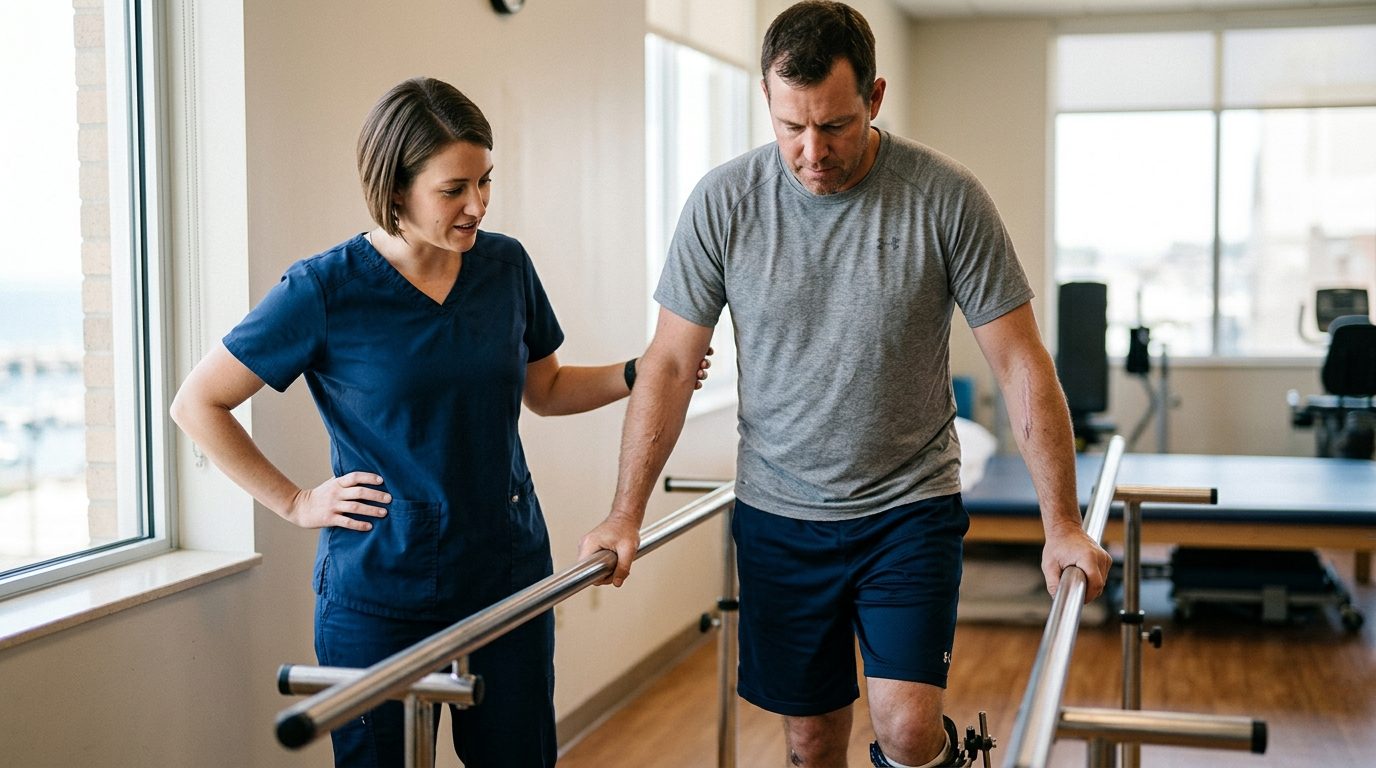
Construction Zone Accidents
Catastrophic Work Zone Accident Injuries & Claims
If you or a loved one suffered a life-altering injury in a construction zone—spinal cord damage, paralysis, traumatic brain injury, amputation, or severe burns—you may have a claim against negligent contractors, property owners, or government entities. We focus exclusively on catastrophic injury cases and help families nationwide pursue the compensation they deserve.
By CHG Lawyers · Published August 22, 2026
Work Zone Accidents: Catastrophic Injuries, Wrongful Death, and Legal Claims
A work zone accident is a crash that happens in an active road construction, maintenance, or repair area where workers and equipment are present. Unlike routine traffic crashes, work zone accidents often involve high speeds, heavy equipment, narrow lanes, and sudden obstacles. These conditions create serious, life-altering injuries and death.
In 2024, work zone crashes killed 850 people and injured 42,084 in the United States, according to the National Safety Council. Since 2010, work zone deaths have risen 45%—driven by inadequate safety measures, contractor negligence, and driver inattention. These are not just numbers. They represent destroyed families, workers who will never walk again, and loved ones who will never come home.
If you or someone you care about was seriously injured or killed in a work zone crash, you need to understand what happened, who is responsible, and what legal options exist to recover compensation and hold negligent parties accountable.
Not sure what your next step is?
Talk it through with our team — the first consultation is free, confidential, and carries no obligation.
What Is a Work Zone Accident?
A work zone accident occurs when a vehicle hits another vehicle, a worker, equipment, or a barrier within an active construction or maintenance zone on a roadway.
Work zone accidents differ from ordinary traffic collisions. In a work zone, drivers face reduced lanes, sudden traffic changes, heavy equipment, and workers nearby. Speeds often stay high despite construction activity. When a crash happens in these confined, hazardous conditions, the force and injury severity multiply. A rear-end collision at 45 miles per hour in a work zone—where lanes are narrow and escape routes don’t exist—causes far more damage than the same collision on an open highway.
Work zone accidents involve passenger vehicles, trucks, motorcycles, rideshare vehicles, and heavy equipment. They may injure motorists, workers, or both. The consequences are often permanent and catastrophic: spinal cord injuries, paralysis, traumatic brain injuries, amputations, severe burns, and wrongful death.
What Causes Work Zone Crashes?
Speeding and driver inattention are the leading causes of work zone crashes.
Drivers fail to slow down when entering construction zones or don’t adjust quickly enough to reduced lanes, sudden lane changes, and stopped or slowed traffic ahead. The Federal Highway Administration (FHWA) identifies these additional major causes:
- Inadequate warning and signage. Missing, poorly placed, or obscured signs and barriers fail to alert drivers in time to brake or change lanes.
- Defective or missing barriers. Lack of proper concrete barriers, lane separators, or traffic control devices allows vehicles to drift into work areas or hit equipment.
- Poor visibility. Inadequate lighting, dust, debris, or weather conditions obscure hazards and make it harder for drivers to see stopped traffic or workers.
- Driver fatigue and distraction. Long hours on the road combined with complex work zone layouts increase crash risk.
- Contractor negligence. Construction companies may fail to follow safety protocols, provide adequate traffic control, or position equipment safely away from traffic.
- Government negligence. The government agency responsible for the work zone may fail to maintain safe conditions, inspect barriers, enforce speed limits, or provide adequate warning.
In the catastrophic-injury cases we handle, multiple failures often combine to create a crash that destroys lives: poor signage, missing barriers, high speeds, and inadequate traffic control working together to produce a collision that leaves survivors paralyzed or dead.
The Most Common Type of Work Zone Crash
Rear-end collisions are the most frequent type of work zone crash.
A rear-end collision occurs when a driver fails to notice slowed or stopped traffic and strikes the vehicle ahead. In a work zone, confined lanes and heavy equipment nearby amplify injury severity. A driver traveling at highway speed may have only seconds to react before impact. Occupants of the struck vehicle may suffer spinal cord injuries, head trauma, or crush injuries from the force of collision.
Secondary collisions also occur: the initial crash triggers additional impacts involving multiple vehicles in rapid succession. Sideswipe and lane-drift crashes happen when vehicles drift into adjacent lanes or work areas due to unclear lane markings or missing barriers. Struck-by incidents involve vehicles hitting stationary equipment, barriers, or workers—often with fatal results.
Why Work Zone Crashes Cause Catastrophic Injuries
Work zone accidents produce catastrophic injuries because of the unique hazards present.
Confined spaces leave no room to escape. Drivers cannot swerve or brake effectively when lanes are narrow and obstacles surround them. A vehicle trapped between a concrete barrier and oncoming traffic has nowhere to go.
High speeds multiply the force of collision. A 45-mile-per-hour impact delivers roughly nine times the energy of a 15-mile-per-hour crash. The human body cannot withstand this force without severe injury.
Heavy equipment and barriers transfer enormous force. Concrete blocks, steel barriers, and construction vehicles weigh thousands of pounds. When a passenger vehicle hits or is hit by this equipment, the occupants absorb catastrophic trauma.
Delayed emergency response is common in work zones. Congestion, difficult access, and debris can slow paramedic arrival by minutes. In catastrophic injury cases, every minute matters. A spinal cord injury victim who receives emergency care within hours may preserve more function than one who waits longer.
The result is severe, permanent harm. Survivors of work zone crashes often suffer spinal cord injuries and paralysis—paraplegia (paralysis of the lower body) or quadriplegia (paralysis of all four limbs). Traumatic brain injuries (TBI) from head trauma cause cognitive, physical, and emotional impairment that may last a lifetime. Amputations and limb loss occur from crush injuries or entrapment. Severe burns result from fuel leaks or fires in work zones and can be life-threatening. Catastrophic back and neck injuries can cause permanent spinal damage and chronic pain. Many survivors face lifelong disability, ongoing medical care, and lost earning capacity.
Wrongful Death in Work Zones: The Most Catastrophic Outcome
Wrongful death is the most catastrophic outcome a work zone crash can produce.
Struck-by incidents carry the highest fatal risk in work zones. Workers or motorists struck by vehicles or equipment face severe trauma with minimal protection. High-speed rear-end collisions in confined zones often result in fatalities, especially when occupants are trapped in crushed or burning vehicles. Rollovers of heavy vehicles or trucks—triggered by sudden lane changes or obstacles—can be fatal. Entrapment, where occupants are pinned in wreckage with delayed rescue, often leads to death.
These deaths are not statistics. They are spouses who lose their partners, children who lose a parent, and parents who lose a son or daughter. Families face not only grief but also financial hardship: lost income, unpaid medical bills, and funeral costs.
Families of those killed in work zone accidents may pursue wrongful death claims against negligent contractors, government agencies, drivers, or other responsible parties.
The statute of limitations is strict: under Fla. Stat. §95.11, a wrongful death claim must be filed within two years of the death. Delays can bar recovery entirely.
Workers and Flaggers in Work Zones
Flaggers and work zone workers face extreme risk from oncoming traffic.
Flaggers stand at the edge of roadways holding signs to direct traffic and warn drivers of hazards ahead. They are exposed to vehicles with minimal protection. Common scenarios include drivers who ignore flagger signals, fail to slow down, or become distracted and hit workers. Injuries to flaggers range from serious to fatal and include struck-by trauma, crush injuries, and death.
Employers and contractors that fail to provide adequate training, safety equipment, or traffic control may be liable for worker injuries. If a negligent driver hits a flagger, the driver’s insurance and the property owner or contractor may also bear responsibility. In many cases, multiple parties share liability.
Workers injured in work zones may be entitled to workers’ compensation benefits. However, injured workers can often sue negligent third parties (such as a negligent driver or a contractor other than their own employer) in addition to workers’ comp.
Who Is Liable in a Work Zone Accident?
Multiple parties may be responsible for a work zone accident.
The negligent driver bears liability if they were speeding, distracted, reckless, or failed to adjust to work zone conditions.
The contractor or construction company is liable if they failed to provide adequate signage, barriers, lighting, or traffic control. Contractors must follow OSHA standards and state safety regulations when designing and maintaining work zones.
The government agency responsible for the work zone may be liable if it failed to maintain safe conditions, enforce speed limits, or provide adequate warning. This may include the Florida Department of Transportation (FDOT), county transportation departments, or city public works agencies.
Equipment manufacturers may be liable if defective barriers or traffic control devices contributed to the crash.
Property owners may be liable if they allowed unsafe work zone conditions on their land.
Under Florida law, comparative negligence (shared fault) rules apply. Injured parties may recover from all responsible parties, even if they bear some fault themselves—as long as they are not more than 50% at fault. Under Fla. Stat. §768.81, a claimant who is more than 50% at fault generally recovers nothing.
Have questions about what happened?
Ask our team directly. The first conversation is free, confidential, and there is no obligation to continue.
Work Zone Accident Claims and Legal Options
Injured motorists and workers have several legal pathways to recovery.
Personal injury claims allow injured parties to sue for medical expenses, lost wages, pain and suffering, and permanent disability. Damages can be substantial: a single spinal cord injury resulting in paralysis can cost over $1 million in the first year alone and hundreds of thousands annually for life.
Wrongful death claims enable families to pursue recovery for loss of companionship, funeral costs, and lost financial support.
Workers’ compensation provides benefits to employees injured in work zones, though this may limit other claims against the employer. However, injured workers can often sue negligent third parties (such as a negligent driver or contractor) in addition to workers’ comp.
Third-party liability claims are separate from workers’ comp. If a negligent driver or contractor caused your injury, you may have a claim against them even if you received workers’ comp benefits.
Government immunity considerations apply when the defendant is a government agency. Claims against government entities may face sovereign immunity defenses, which shield the government from certain lawsuits. Florida law imposes strict notice and filing requirements for claims against government agencies. An attorney familiar with these rules is essential.
The statute of limitations is critical: under Fla. Stat. §95.11, the statute of limitations for personal injury claims in Florida is two years from the date the cause of action accrues. Delays can bar recovery entirely. If a loved one died in a work zone crash, the wrongful death claim must also be filed within two years.
Truck Accidents in Work Zones
Truck crashes in work zones are especially dangerous because of the enormous mass and momentum of commercial vehicles.
Heavy trucks carry 20 to 30 times the mass of a passenger vehicle. Braking distance is long; blind spots are large. Common scenarios include trucks that fail to slow for work zones, jackknife in confined lanes, or hit workers or equipment. Occupants of smaller vehicles struck by trucks often suffer severe or fatal injuries.
Liability in truck work zone crashes involves the trucking company, the driver, and contractors. Recoverable damages can be substantial: medical costs, lost income, disability care, and pain and suffering. Trucking companies may be liable for negligent hiring, inadequate driver training, or failure to maintain safe equipment.
Rideshare Accidents in Work Zones
Rideshare drivers face unique hazards in work zones.
Drivers may be unfamiliar with local roads, distracted by navigation apps, or fatigued from long shifts. Passengers in Uber or Lyft vehicles hit in work zones may suffer catastrophic harm. The rideshare company, the driver, and other responsible parties may be liable.
Rideshare insurance policies have specific limits and conditions. Injured passengers should understand their coverage and consult an attorney before accepting settlement offers.
Motorcycle and ATV Accidents in Work Zones
Riders are especially vulnerable in work zones because they have no protective shell.
Even moderate-speed crashes cause severe injuries. Common scenarios include riders losing control on debris, potholes, or uneven surfaces; being struck by vehicles; or hitting barriers. Spinal cord injuries, traumatic brain injuries, and amputations are common outcomes.
Contractors, government agencies, and negligent drivers may all be responsible. While helmets and safety gear provide some protection, they cannot prevent catastrophic injury in high-impact work zone crashes.
Steps to Take After a Work Zone Accident
If you are injured in a work zone crash, take these immediate steps:
- Seek medical attention immediately. Even injuries that seem minor may worsen. Document all treatment and keep records.
- Report the crash. File a police report and obtain a copy. This creates an official record.
- Document the scene. If safe, take photos of work zone conditions, signage, barriers, lighting, and vehicle damage.
- Gather witness information. Collect names and contact details from anyone who saw the crash.
- Preserve evidence. Keep medical records, repair estimates, and communications with contractors or government agencies.
- Do not admit fault or settle quickly. Consult an attorney before speaking with insurance companies.
- Contact an attorney. A lawyer can investigate liability, identify all responsible parties, and pursue full compensation.
How an Attorney Can Help
An experienced work zone accident attorney can guide you through every step of recovery.
Attorneys retain accident reconstructionists and engineers to determine how the crash occurred and who was negligent. They identify all responsible parties—drivers, contractors, government agencies, equipment manufacturers—and their insurance coverage. They quantify damages: medical costs, lost wages, disability care, pain and suffering, and other losses.
Lawyers negotiate with insurers and, if necessary, file suit to recover full compensation. They navigate sovereign immunity and notice requirements for claims against government agencies. For families, attorneys help pursue wrongful death claims and obtain justice for loved ones killed in work zone crashes.
Want to know where you stand?
Tell us what happened and our team will walk you through the options available to you, at no cost.
Frequently Asked Questions
What should I do immediately after a work zone accident?
Seek medical care, report the crash to police, document the scene and conditions, gather witness information, and preserve all evidence before contacting an insurance company or settling.
Can I sue a government agency for a work zone accident?
Yes, but claims against government entities face sovereign immunity defenses and strict notice and filing requirements; an attorney familiar with these rules is essential.
What is the statute of limitations for a work zone accident claim in Florida?
Under Fla. Stat. §95.11, you have two years from the date of the accident to file a personal injury or wrongful death claim; missing this deadline bars recovery.
Who is liable in a work zone accident?
The negligent driver, the contractor or construction company, the government agency responsible for the work zone, equipment manufacturers, and property owners may all share liability under comparative negligence rules (Fla. Stat. § 768.81(6)).
What types of injuries are common in work zone accidents?
Spinal cord injuries, paralysis, traumatic brain injuries, amputations, severe burns, catastrophic back and neck injuries, and wrongful death are the most severe outcomes.
How much compensation can I recover from a work zone accident?
Damages depend on the severity of injury, medical costs, lost wages, disability care needs, and pain and suffering; an attorney can evaluate your specific case.
If you or a family member survived a work zone crash that left you with a spinal cord injury, brain damage, amputation, or severe burns—or if you lost someone in a work zone fatality—you may have a claim against the negligent driver, contractor, or government agency responsible. Contact us for a free case evaluation to understand your legal options and pursue the compensation you deserve.
Why Work Zone Accidents Demand Focused Legal Action
Multiple Liable Parties
Construction zones involve contractors, equipment operators, site supervisors, property owners, and sometimes government agencies. Identifying all responsible parties can help ensure all sources of compensation are pursued.
Complex Evidence & Regulations
OSHA standards, safety protocols, maintenance records, and site inspection logs are critical. We know how to obtain and analyze this evidence to build a strong claim.
Time-Sensitive Investigation
Work zones change rapidly. Equipment is moved, debris is cleared, and witnesses scatter. Early action preserves the scene, photographs, and testimony that support your case.
Government Immunity Barriers
Claims against government agencies or contractors face sovereign immunity and notice-of-claim requirements. We understand these barriers and know how to navigate them.
What to Do After a Work Zone Accident
Seek Immediate Medical Care
Your health comes first. Report all injuries to emergency responders and follow up with medical specialists. Medical records become the foundation of your claim.
Report the Incident
Notify the site supervisor, the general contractor, and local police. Request a copy of any incident report filed. Do not sign anything without legal advice.
Document Everything
Photograph the scene, equipment, hazards, and your injuries if possible. Note the date, time, weather, lighting, and names of all workers and witnesses present.
Preserve Evidence & Contact Us
Do not speak with insurance adjusters or settle claims before consulting an attorney. Contact us for a free evaluation so we can protect your rights and gather evidence.
Do Not Delay—Deadlines Apply
Work zone accident claims are subject to strict filing deadlines and notice requirements, especially when government entities are involved. The sooner you contact us, the sooner we can investigate, preserve evidence, and advise you on your options.
Common Work Zone Accident Injuries We Handle
Spinal Cord Injuries & Paralysis
Struck by equipment, crushed by falling materials, or falls from heights can cause permanent spinal cord damage, paraplegia, or quadriplegia. These injuries demand maximum compensation for lifetime care.
Traumatic Brain Injuries (TBI)
Head trauma from falling objects, vehicle collisions, or being struck can cause cognitive, physical, and behavioral impairment. TBI claims require medical evidence and long-term care planning.
Amputation & Limb Loss
Machinery accidents, crushing injuries, or severe lacerations can result in permanent amputation. We pursue claims that cover prosthetics, rehabilitation, and lost earning capacity.
Severe Burns & Catastrophic Back/Neck Injuries
Electrical contact, chemical exposure, or structural collapse can cause severe burns or catastrophic spinal injuries. These cases require specialized medical testimony and aggressive advocacy.
Our Approach to Work Zone Accident Claims
Licensed Florida Attorneys
Our team is admitted to the Florida Bar and focuses exclusively on catastrophic injury cases. We bring deep knowledge of construction safety, OSHA violations, and premises liability.
No Attorney’s Fees Unless There Is a Recovery
We work on contingency. You pay nothing upfront, and we only collect a fee if we recover compensation for you.
Nationwide Representation
Although based in Florida, we handle catastrophic injury cases across the country. No matter where your accident occurred, we can help.
Thorough Investigation & Expert Testimony
We retain accident reconstructionists, medical specialists, and safety engineers to build an evidence-based case that holds negligent parties accountable.