

Negligent Security Injuries · Florida & Nationwide
Hurt by Violence a Property Owner Should Have Prevented
If you or someone you love was attacked, shot, robbed, or assaulted on someone else's property because the owner failed to provide basic security, you may be able to hold that owner accountable. We help families recover after catastrophic, life-altering harm.
Why Families Turn to Us
Licensed
Florida Bar–admitted attorneys
Nationwide
We take catastrophic cases across the U.S.
Bilingual
English & Spanish resources
Free
No-cost case evaluation
By CHG Lawyers · Published August 15, 2026
Compensation for a Negligent Security Injury: What You Can Recover and How
Were you attacked on someone else’s property and badly hurt? You may be able to recover money from the property owner who failed to keep you safe. This money can cover your medical bills, lost income, pain and suffering, and the lifelong costs of a permanent injury.
Not sure what your next step is?
Talk it through with our team — the first consultation is free, confidential, and carries no obligation.
If you were hurt in an attack on someone else’s property, this page is for you
You may have a claim if you were attacked on property that someone else was supposed to keep safe. This includes being assaulted, shot, robbed, or sexually assaulted.
These attacks can happen at:
- Apartment complexes and condos
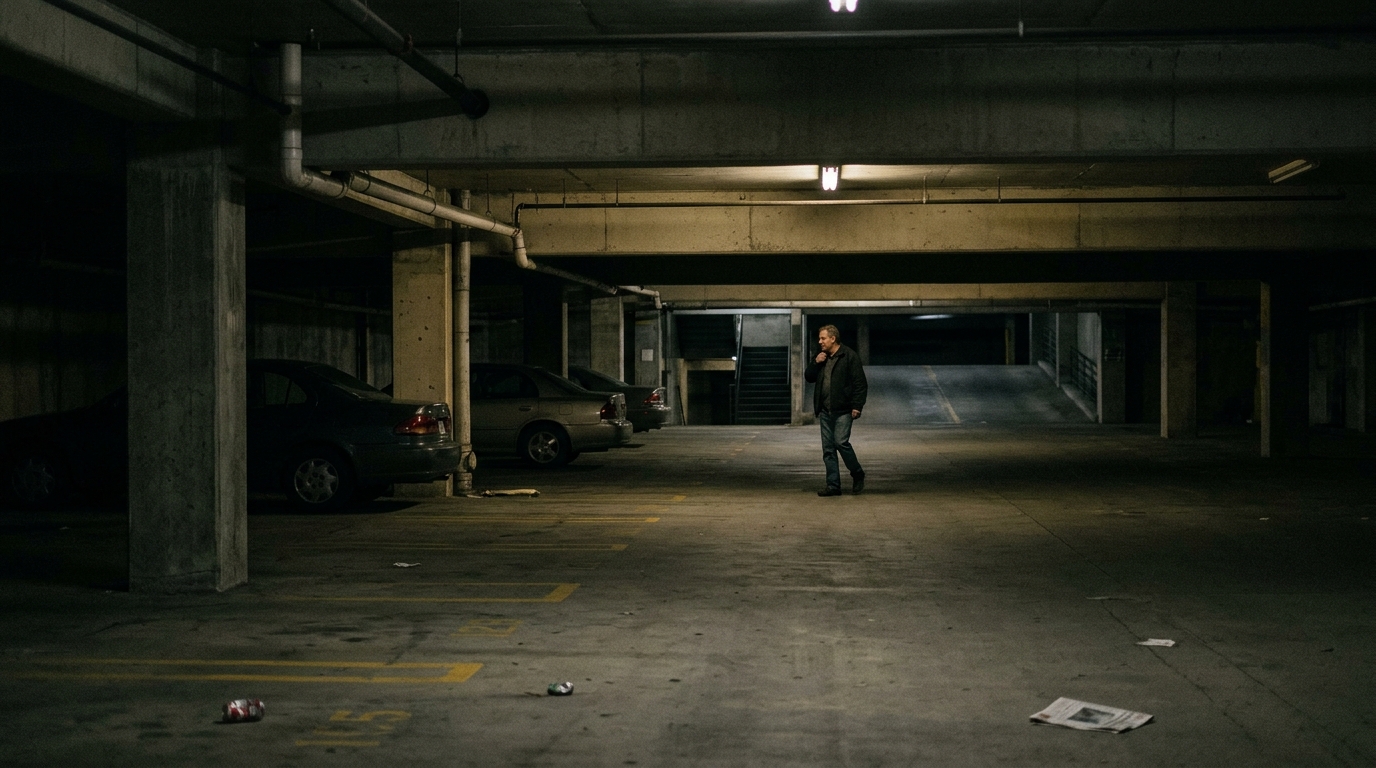
- Parking lots and parking garages
- Hotels and motels
- Bars and nightclubs
- Gas stations and convenience stores
- Stores, malls, and ATMs
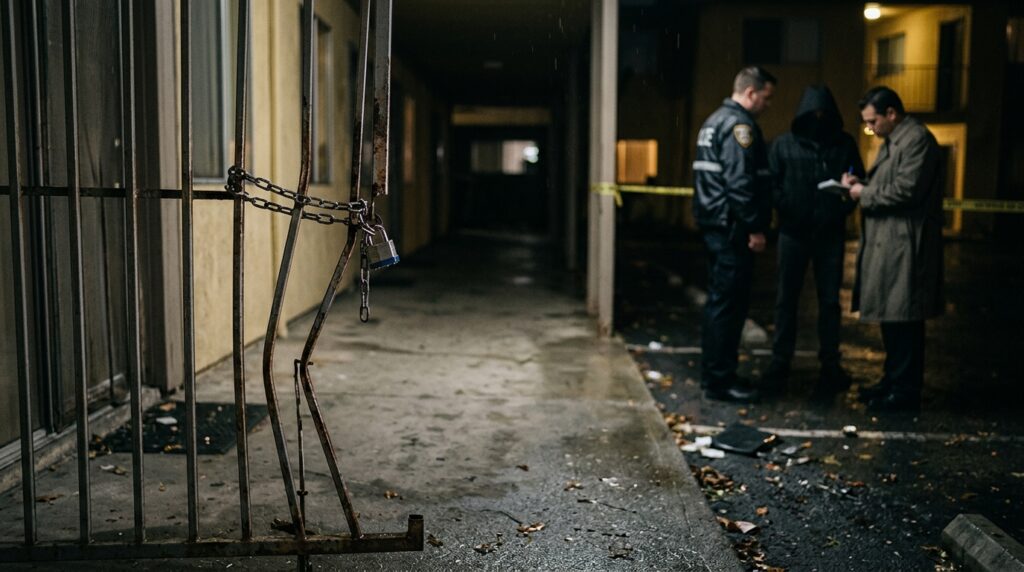
Here is the key idea. Maybe a broken lock or gate helped the attack happen. Maybe the lights were out. Maybe cameras were missing. Maybe there were no security guards. If so, the owner may be responsible. In plain words, they failed to provide reasonable security.
In legal terms, this is called a negligent security claim. It is a type of premises liability case. (Premises liability means an owner can be held responsible for harm on their property.)
This page is for victims and families dealing with catastrophic, life-changing harm. That means paralysis, spinal cord injuries, or severe back or neck injuries. It also means a traumatic brain injury, an amputation, severe burns, or the loss of a loved one.
You don’t have to figure this out alone. A free case evaluation with CHG Personal Injury Lawyers helps you understand your options. It costs nothing, and there is no obligation.
What compensation for a negligent security injury actually covers
Compensation usually falls into three groups. These are economic damages, non-economic damages, and, in some cases, punitive damages.
Economic damages are your real, out-of-pocket costs. These include:
- Emergency care, hospital stays, and surgeries
- Rehabilitation and therapy
- Future medical care over your lifetime
- In-home nursing or attendant care
- Wheelchairs, prosthetics, and other equipment
- Home and vehicle changes to fit a disability
- Lost income and lost future earning ability
Non-economic damages cover harm that has no receipt but is very real. These include pain and suffering, disfigurement, loss of independence, emotional trauma, and a lower quality of life.
When an attack is fatal, the family may file a wrongful-death claim. This can include final medical and funeral costs. It can also include the loss of the loved one’s support and companionship. We handle these cases with dignity and care, never as headlines.
In limited cases, a court may award punitive damages. These punish an owner whose conduct was especially reckless. This is possible in some cases, but it is never promised.
Every case is different. No lawyer can guarantee a specific dollar result, and we won’t pretend otherwise.
How case value is determined — what makes a claim stronger or weaker
Case value depends on three main things. How serious the injury is. Whether the attack could have been foreseen. And how much insurance is available.
Several factors shape the outcome:
- Severity and permanence. Catastrophic, lifelong injuries carry the highest lifetime costs. A spinal cord injury can cause permanent loss of movement and feeling, according to the Mayo Clinic. The Christopher & Dana Reeve Foundation reports that nearly 1 in 50 people in the U.S. lives with some form of paralysis.
- Foreseeability. This means whether the owner should have seen the danger coming. Past crimes, tenant complaints, or a known dangerous pattern make a claim stronger. If the owner knew and did nothing, that matters.
- The specific security failures. Broken gates or locks, poor lighting, and non-working cameras all point to negligence. So do missing or understaffed guards.
- Available insurance. The owner, management company, or security contractor may have coverage. That coverage often decides what you can recover.
- Documentation. Medical records, police and incident reports, witness accounts, and saved surveillance video build the case.
- Comparative fault. Under Fla. Stat. §768.81, Florida uses a modified comparative-negligence rule. This means fault can be shared. A person found more than 50% at fault generally recovers nothing.
Have questions about what happened?
Ask our team directly. The first conversation is free, confidential, and there is no obligation to continue.
How the process works, step by step
The process starts with a free talk. Then it moves through investigation, valuation, and negotiation. It goes to trial if needed.
Here is what to expect:
- Free case evaluation. You tell us what happened. We listen and explain whether a claim may exist, at no cost.
- Investigation and evidence preservation. We move fast to request and secure key evidence. This includes surveillance video, security logs, past-crime history, and lease or management records. We do this before it disappears. Footage often gets erased in days.
- Building the damages picture. We work with medical and life-care professionals. Together we project the full lifetime cost of a permanent injury. Doctors use tools like the ASIA Impairment Scale to grade how severe a spinal cord injury is.
- Identifying who is responsible. This may be the property owner, a management company, a security contractor, or more than one party.
- Demand and negotiation. We present the evidence and the numbers to the insurers involved. Then we push for a fair result.
- Litigation if needed. If no fair offer comes, we are ready to take the case to trial. We build every case as if it will go before a jury.
Timing matters. In Florida, you generally have two years to file most negligence claims. That deadline comes from Fla. Stat. §95.11. Deadlines vary by state and are strict. Contacting us early protects both your rights and the evidence.
Why families choose CHG Personal Injury Lawyers
Families choose us because we focus on catastrophic, life-changing injuries. We understand what is truly at stake over a lifetime.
- A focus on serious cases. We handle paralysis, brain injury, amputation, severe burns, and fatal attacks. We do not handle routine or minor claims.
- Licensed and admitted. Our attorneys are admitted to the Florida Bar. We are a Florida-based firm and accept serious cases nationwide.
- Evidence experience. We know the proof these cases need. That includes past-crime patterns and fast surveillance preservation.
- Bilingual support. We serve families in English and Spanish, so you get clear answers in your own language.
- Contingency fee. You generally pay no attorney fee unless we recover for you. We explain the terms plainly.
We handle the legal fight so you can focus on healing.
Frequently asked questions
How much is my negligent security case worth?
It depends on how severe the injury is, the lifetime costs, foreseeability, and available insurance. A free evaluation gives you a realistic picture.
Do I have a case if my attacker was never caught?
Often yes. Your claim is against the property owner for failing to provide reasonable security. It is separate from any criminal case.
Who pays the compensation?
Usually the insurance of the property owner, management company, or security contractor pays. It is not you, and not the attacker directly.
How long do I have to file in Florida?
Most negligence claims must be filed within two years under Fla. Stat. §95.11. Deadlines are strict, so contact us promptly.
What does it cost to hire you?
We work on a contingency fee. That typically means no fee unless we recover compensation for you.
What if my loved one died in the attack?
The family may bring a wrongful-death claim. We handle these cases with care and respect.
Want to know where you stand?
Tell us what happened and our team will walk you through the options available to you, at no cost.
Talk to us today — free, confidential case evaluation
Did a catastrophic injury or a death happen because a property owner failed to keep you safe? If so, you may be owed compensation for a negligent security injury.
Don’t wait. Surveillance footage disappears, and legal deadlines are strict. The sooner we start, the more evidence we can protect.
Contact CHG Personal Injury Lawyers now for a free, confidential case evaluation. Our support is bilingual, and you generally pay no fee unless we recover for you.
You Can Have a Case Even If the Attacker Was Never Caught
Your claim is against the property owner for failing to provide reasonable security — not against your attacker. That means it can move forward even when the person who hurt you is never identified or arrested. Talk to us before signing anything or giving a recorded statement to an insurer.
Where These Injuries Happen
Apartment Complexes
Broken locks, gates that don't close, burned-out lighting, or no security in areas with known crime can leave residents and visitors exposed to assault.
Parking Lots & Garages
Dark, unmonitored lots and garages without cameras or patrols are common sites of robberies, shootings, and violent attacks.
Hotels & Motels
Guests trust that doors, locks, and staff will keep them safe. When basic security fails, serious harm can follow.
Stores, Bars & Gas Stations
Businesses in high-crime areas may have a duty to provide guards, working cameras, or adequate lighting to protect the people they invite in.
What Reasonable Security Can Look Like
Working Locks and Gates
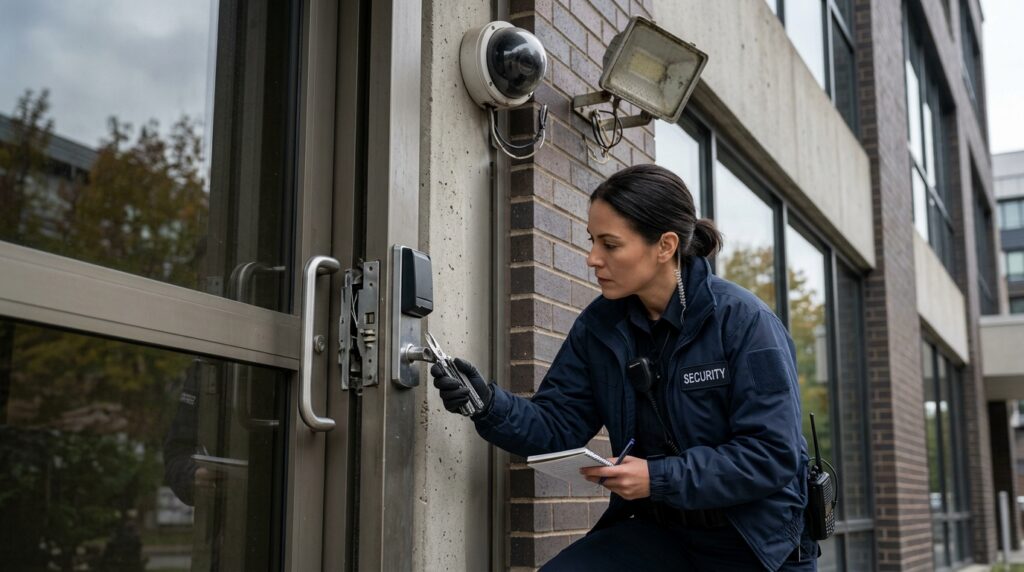
Entry doors, unit locks, and perimeter gates that actually function and are kept in repair.
Adequate Lighting
Well-lit walkways, stairwells, parking areas, and entrances where crime is foreseeable.
Cameras and Monitoring
Functioning surveillance that deters violence and helps identify what happened.
Security Personnel
Guards or patrols when the history and location of the property make attacks reasonably foreseeable.
Common Questions
How much is my case worth?
It depends on how severe the injury is, the lifetime costs of care, whether the harm was foreseeable, and the available insurance. A free evaluation gives you a realistic picture of what your claim may involve.
Do I have a case if my attacker was never caught?
Often, yes. Your claim is against the property owner for failing to provide reasonable security. It is separate from any criminal case against the person who attacked you.
What if a loved one died?
A death is the most catastrophic outcome of all. Families can bring a wrongful-death claim against a property owner whose failure to provide reasonable security contributed to a fatal attack.
How much does it cost to talk to you?
Nothing to start. The case evaluation is free, and we will explain your options in plain language before you decide anything.