
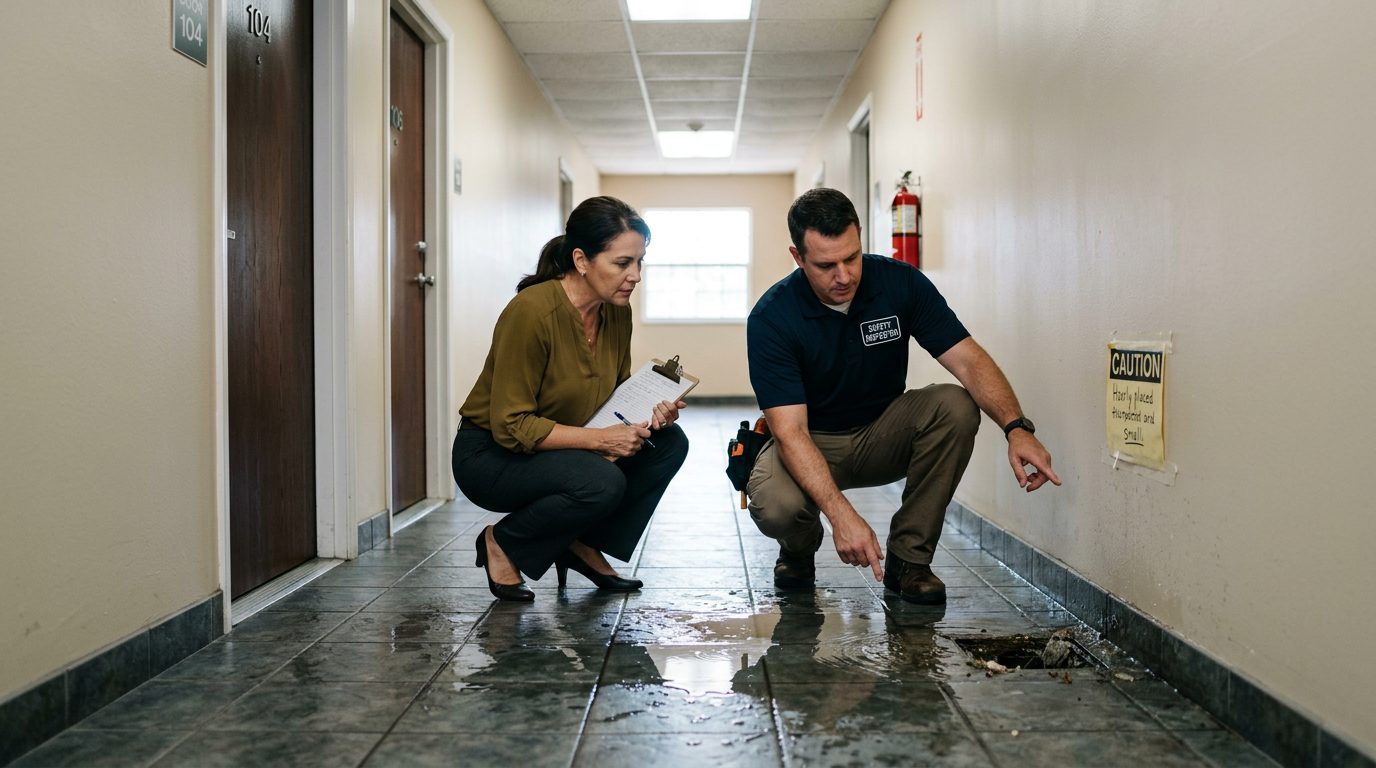
Apartment Complex Injuries in Florida
Hurt in a Slip and Fall at Your Apartment Complex? Start With the Facts.
A fall on a broken step, a wet hallway, or a poorly lit stairwell can change your life. Our Florida personal injury firm can help you understand your options and who may be responsible.
Why Injured Floridians Contact Us
Florida
Florida-based personal injury firm
Free
Confidential first consultation with no obligation
No Fee
No fees or case costs unless there is a recovery
By CHG Lawyers · Published October 19, 2026
Slip and Fall at an Apartment Complex in Florida: A Checklist for Injured Residents
A slip and fall at an apartment complex can leave you hurt, unable to work, and unsure who is responsible. In Florida, the answer often depends on where the fall happened, what the owner or manager knew about the hazard, and how the fall was reported and recorded. Work through this checklist to organize what you know and decide on your next step.
This page is general information, not legal advice. Every case is different, and no outcome can be promised.
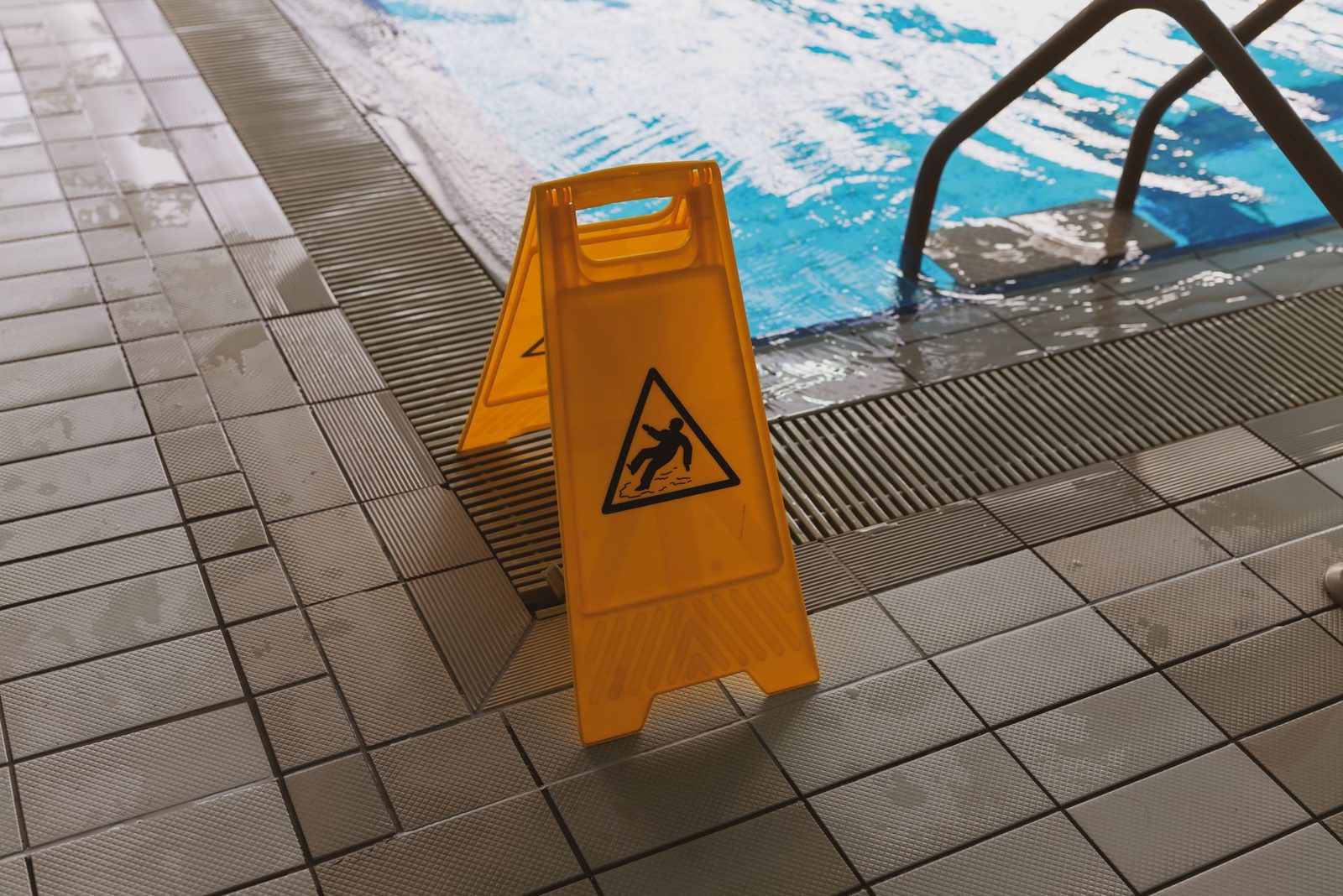
If you were hurt in a shared area of an apartment complex, you may have a claim worth reviewing. Talk it through with our team — the first consultation is free, confidential, and carries no obligation.
Where Did Your Fall Happen? Shared Areas vs. Your Own Unit
A fall in a shared area the complex controls is handled differently from a fall inside your own apartment. Shared areas include stairwells, hallways, walkways, parking lots, laundry rooms, pool decks, and trash areas.
Yes/No: Did the fall happen in a shared or outdoor area the complex controls? Owners and managers usually control these spaces, so location is often the first question. – If yes: Write down the exact spot, then keep working through this checklist. – If no: Note who controlled that spot and what caused the hazard, then keep going.
Yes/No: Did the hazard come from something you did inside your own unit, such as a spill you made or a repair you did yourself? Responsibility depends on the facts. A hazard you created may change who is responsible. – If yes: Still describe what happened. A conversation about the facts can help you understand your options. – If no: Keep going.
Did the Complex Know, or Should It Have Known, About the Hazard?
Florida’s rule for slips on a transitory foreign substance in a business establishment says the injured person must prove the business had actual or constructive knowledge of the dangerous condition and should have acted to fix it. Fla. Stat. § 768.0755 sets out that test.
Constructive knowledge may be shown with circumstantial evidence. That can include a condition that existed long enough that ordinary care should have caught it, or a condition that occurred with regularity and was therefore foreseeable. Whether this rule fits an apartment complex depends on the facts.
Yes/No: Had anyone reported this hazard before, such as tenant complaints, maintenance requests, or earlier falls? Earlier reports can show the complex knew about the problem. – If yes: Write down who reported it, when, and how. – If no: Keep going.
Yes/No: Was the condition visible and long-lasting, such as standing water, a cracked step, a dead light, or a missing handrail? A condition that lasted a long time may suggest the owner should have noticed it. – If yes: Take a photo if the condition still exists, and note how long you think it was there. – If no: Keep going.
Yes/No: Did the complex’s own repairs or cleaning create the hazard? Examples include a wet floor left after cleaning or a railing removed for repairs. – If yes: Note the date and whether any warning signs or cones were posted.
Next step: write down what you remember about the condition and any earlier problems. Bring those notes to your consultation.
Did You Report the Fall and Document What Happened?
A written report to management and a clear record of the fall help build a timeline. That timeline can matter when the facts are reviewed later.
Yes/No: Did you report the fall to the leasing office, property manager, or maintenance staff? A report, in writing or in person, shows when the complex learned about the fall. – If yes: Note the name of the person you told and the date. Keep a copy of anything you wrote. – If no: Report it now in writing and keep a copy. Stick to facts, not guesses.
Yes/No: Do you have photos, video, or a copy of an incident report? Pictures of the spot and its condition can be important. – If yes: Save the original files and don’t edit them. – If no: Photograph the area if it hasn’t changed, and ask the complex for a copy of any report.
Yes/No: Do you know the names or phone numbers of anyone who saw the fall? Witnesses can help confirm how and where the fall happened. – If yes: Write down their contact details while you can. – If no: Keep going.
Practical tip: Write down the date, time, weather, lighting, footwear, and exact spot of your fall while your memory is fresh.
Not sure what your next step is?
Talk it through with our team — the first consultation is free, confidential, and carries no obligation.
Did You Get Medical Care and Keep the Records?
Getting medical care after a fall protects your health, and it creates records of your injury and treatment. Medical records may be relevant when your situation is reviewed, but results are not guaranteed.
Yes/No: Did you see a doctor, urgent care provider, or emergency room for the fall? A medical provider can examine injuries and pain. – If yes: Keep the visit summaries and the names of the providers. – If no: Ask a medical provider to examine any pain or injury as soon as you can.
Yes/No: Are you keeping appointment notes, bills, prescriptions, and follow-up instructions? Organized records make it easier to show the treatment you received. – If yes: Keep them together in one folder, on paper or digital. – If no: Start a folder today and add every bill and note.
Yes/No: Has the injury affected your work, school, daily tasks, or care for family? Missed work and help you couldn’t give at home are part of your story. – If yes: Keep pay stubs, time-off notices, and notes about tasks you couldn’t do. – If no: Keep going.
Next step: follow your medical provider’s advice first, then bring your records to your consultation.
When an Attack Happens on Apartment Property: A Different Question
Some residents are hurt not by a slip, but by an attack. Consider a resident who is assaulted in a parking garage after a gate that was supposed to be locked stays open for weeks, or who is robbed on a dark stairwell where the light has been out since the last storm. Others are shot or attacked near a walkway where the cameras no longer record. Whether a property’s security measures, such as locks, gates, lighting, cameras, or guards, were adequate depends on the specific facts of each situation. Our team can review those facts with you in a free, confidential consultation with no obligation to continue.
The legal term for this kind of claim is “negligent security.” Whether a claim exists depends on the location, what the owner knew or should have known about the risk, and the facts of the attack. If an attack caused your injury, the questions are different from a slip-and-fall, and they are worth reviewing on their own.
How Fault Is Shared Under Florida Law
Florida uses comparative fault, which means fault can be divided by percentage among the people involved. Under Fla. Stat. § 768.81, in a negligence action, a court enters judgment against each party liable based on that party’s percentage of fault. A party found greater than 50 percent at fault for their own harm generally may not recover any damages in a negligence case. That provision does not apply to actions for medical negligence under chapter 766.
Yes/No: Were you doing something unsafe when you fell, such as running, carrying items that blocked your view, or ignoring a posted warning? The complex may argue you contributed to the fall. That argument can change how fault is divided. – If yes: Write down what you were doing and why. – If no: Keep going.
Yes/No: Did the complex, its maintenance crew, or a contractor contribute to the condition? Fault can be shared among several people. – If yes: Note the names of the crew or company, if you know them. – If no: Keep going.
Next step: fault is decided case by case. A consultation can help you understand how shared fault might apply to your facts. No outcome can be predicted here.
Florida Deadlines: What to Check Now
Florida sets time limits for filing lawsuits. Under Fla. Stat. § 95.031, a cause of action accrues when its last element occurs, and the time to file generally runs from that point. Under Fla. Stat. § 95.031, the time to begin an action under a statute of limitations runs from the time the cause of action accrues, and a cause of action accrues when the last element constituting it occurs. Exceptions may apply.
Yes/No: Has the complex or its insurance company mentioned a notice, claim form, or other deadline? Some deadlines can apply before a lawsuit is filed. – If yes: Write the deadline down today and treat it as urgent. – If no: Still write down the date of your fall today.
Missing a deadline can end your options. Treat every date as urgent.
Next step: a free, confidential first consultation can help you understand the timing for your situation.
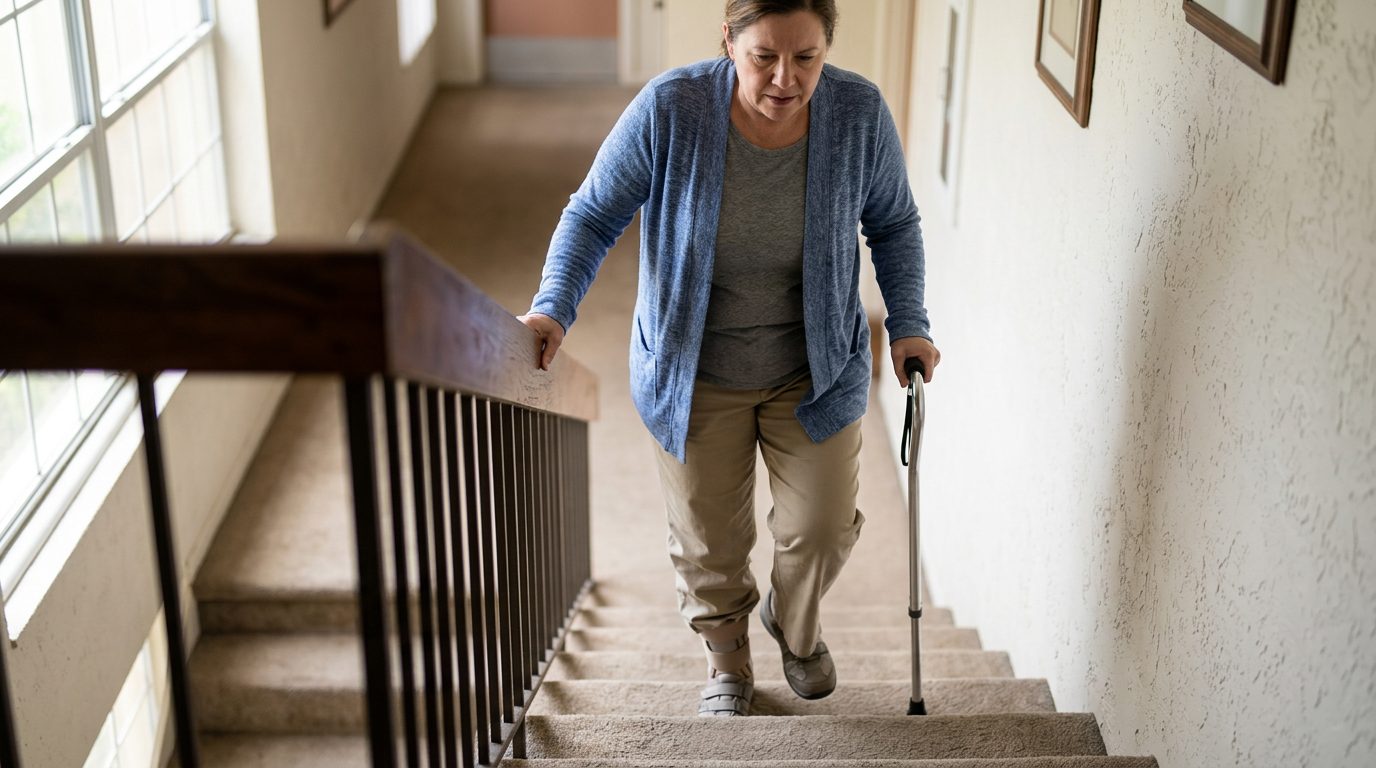
Have questions about what happened?
Ask our team directly. The first conversation is free, confidential, and there is no obligation to continue.
What to Do Next and How to Reach Us
You may be hurt, worried about bills, or helping a family member through a hard time. You don’t have to decide everything today.
If most of your answers were yes, a conversation with a personal injury lawyer may be worth having. If most were no, a short review of the facts is still useful before you decide. CHG Personal Injury Lawyers represents people injured in Florida, including in slip and fall and negligent security cases. Igor Hernandez, a licensed attorney admitted in Florida as a member of The Florida Bar, is the lawyer responsible for this page. Our team supports the practice’s work for clients throughout Florida.
If you were hurt in a shared area of an apartment complex, you may have a claim worth reviewing. Reach out for a free consultation. The first consultation is confidential and carries no obligation to continue. CHG charges no attorney’s fees and no case costs unless there is a recovery.
Can you sue for a slip and fall at apartment complex grounds in Florida?
You may be able to if you can show the complex knew, or should have known, about the hazard. Each case differs, and no outcome can be promised.
How long do I have to file?
Under Florida law, the deadline to file a lawsuit varies with the type of claim, and that time generally begins to run when the last element of the claim occurs. Exceptions may apply, so check your deadline as soon as possible.
What if I was partly at fault?
Under Florida’s comparative fault rule in Fla. Stat. § 768.81, a party found more than 50 percent at fault for their own harm may not recover any damages in a negligence case, but this does not apply to an action for damages for personal injury or wrongful death arising out of medical negligence pursuant to chapter 766.
Documenting Your Fall: What to Gather
Photos of the Spot
If you can, photograph the hazard, the surrounding area, and your footwear. Lighting, puddles, cracks, and missing railings often matter.
Names of Witnesses
Write down the names and phone numbers of neighbors, staff, or visitors who saw the fall or the condition that caused it.
Incident Reports
Ask the property manager for a copy of any incident report. If you are unable to, note who you spoke with and when.
Medical Records
Keep every visit summary, test result, and bill. Follow your doctors' care plan, since consistent treatment creates a clear record of your injuries.
How We Can Help You Move Forward
Speak With a Lawyer
Call or contact us to talk through what happened, where it happened, and what you have been dealing with since.
Review Your Records
We look at incident reports, photos, maintenance history, and medical records to help explain your situation in plain language.
Focus on Your Recovery
You should be able to concentrate on your health and your family. We handle the legal details so you do not have to do it alone.
Clear Terms
CHG Personal Injury Lawyers charges no attorney's fees and no case costs unless there is a recovery.
Act Promptly to Protect Your Claim
Evidence can disappear quickly. Photos, witness names, and reports are easier to gather early. Deadlines apply to injury claims in Florida, so contact our office as soon as you can rather than waiting.