


Slip and Fall Claims
Slip and Fall Settlements: Workers' Comp vs. Personal Injury Claims
If you were injured in a fall on someone else's property in Florida, you may have options beyond workers' compensation. Understanding the difference can help you know what steps to take next.
By CHG Lawyers · Published September 30, 2026
Slip and Fall Settlements: Workers’ Comp vs. Premises Liability
You fell and were injured. Where you fell determines your legal path and recovery options.
If you fell at work, you typically file a workers’ compensation claim. If you fell on someone else’s property, you may have a slip and fall settlement through a premises liability claim. These are two very different legal systems with different recovery amounts, timelines, and burdens of proof.
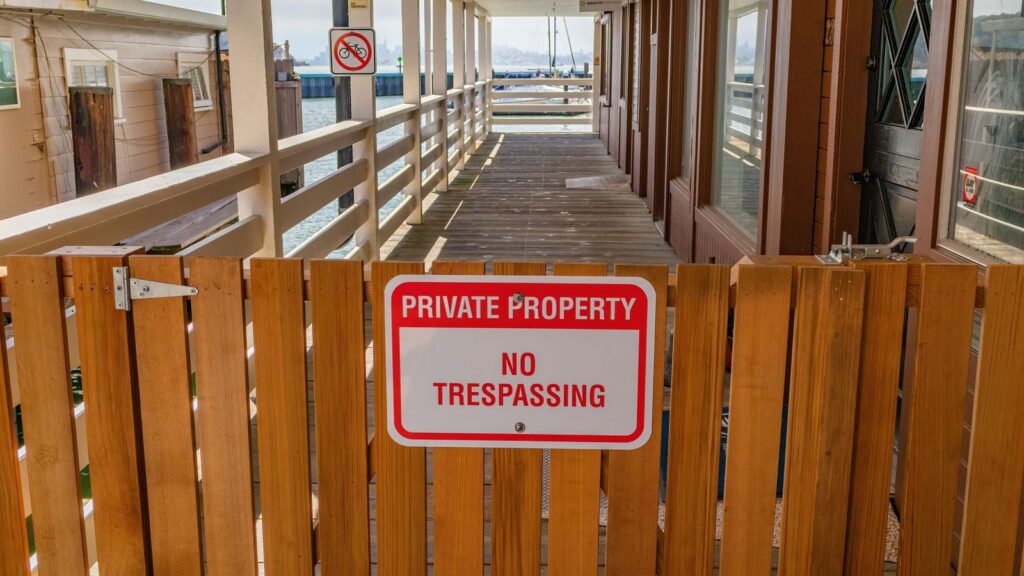
If you were injured in a fall on someone else's property in Florida, you may have options beyond workers' compensation. Talk it through with our team — the first consultation is free, confidential, and carries no obligation.
The Two Legal Paths
The location of your slip and fall determines your legal remedy.
At work: Workers’ compensation is usually your only claim against your employer.
On someone else’s property: You may have a premises liability claim against the property owner. This applies to stores, apartment complexes, parking lots, hotels, restaurants, banks, and other premises.
This distinction matters enormously. It determines who pays, what damages you recover, how long the process takes, and whether you can recover for pain and suffering.
Slip and Fall at Work: Workers’ Compensation Claims
If you were injured performing job duties, workers’ compensation is typically your only claim against your employer.
Workers’ compensation is no-fault insurance. You don’t have to prove your employer was negligent. You only need to show your injury arose from employment. This makes the process faster and more predictable than a civil lawsuit.
Workers’ compensation benefits include:
- Medical treatment and rehabilitation
- A portion of lost wages (typically 60–66% of average weekly wage, subject to state caps)
- Disability benefits if you cannot return to work
However, pain and suffering damages are generally not available under workers’ compensation in Florida or most states. You recover only economic losses—medical bills and lost wages—not compensation for physical pain, emotional distress, or reduced quality of life.
Workers’ compensation claims are filed with your state’s workers’ compensation board, not in court. The process is usually faster than a civil lawsuit, but benefits are more limited.
Slip and Fall on Someone Else’s Property: Premises Liability Claims
If you fell on someone else’s property—a grocery store, apartment complex, parking garage, hotel, restaurant, bar, or retail establishment—you may have a premises liability claim.
Premises liability is based on negligence: the property owner had a legal duty to keep the property reasonably safe, failed to do so, and that failure caused your injury.
The Three Categories of Visitors and Duty of Care
Florida law recognizes three categories of people on a property. Each category has different legal protections:
1. Invitees (highest duty of care): People invited onto the property for business purposes—customers in a store, guests at a hotel, patrons at a restaurant. The property owner must inspect the premises regularly, discover hazards, and warn invitees or fix the hazard. This is the strongest legal position for a slip-and-fall plaintiff.
2. Licensees (moderate duty of care): People on the property with permission but not for business purposes—a friend visiting your home, a social guest at an event. The owner must warn licensees of known hazards but has no duty to inspect or discover hazards the owner doesn’t already know about.
3. Trespassers (minimal duty of care): People on the property without permission. The owner owes minimal duty, generally only to avoid willfully or wantonly injuring them. Most slip-and-fall claims fail if the injured person was a trespasser.
Your category as a visitor affects the strength of your claim. If you were a customer (invitee), your legal position is stronger than if you were a social guest (licensee).
Common Hazards
- Wet floors without warning signs
- Broken stairs or handrails
- Poor lighting in parking lots, stairwells, or entryways
- Debris, spilled items, or obstructions
- Uneven surfaces, potholes, or cracked pavement
- Inadequate security (broken locks, missing gates, no cameras or guards)
To succeed in a premises liability claim, you must show the owner knew (or should have known) about the hazard and failed to fix it or warn you. This is a higher bar than workers’ compensation, but potential recovery is much greater.
Proving Negligence: Actual vs. Constructive Notice
One of the most important elements of a premises liability claim is notice. You must prove the property owner knew about the hazard. Florida law recognizes two types:
Actual notice: The owner directly knew about the hazard. For example, a manager saw the wet floor and did nothing, or an employee spilled something and didn’t clean it up or post a warning sign.
Constructive notice: The hazard existed long enough that the owner should have known about it through reasonable inspection. For example, a crack in the pavement has been there for months, or a light bulb has been burned out for weeks. Courts infer the owner’s knowledge from how long the condition existed and how obvious it was.
Constructive notice is harder to prove. If the hazard appeared suddenly (a customer just spilled water), the owner may not have had time to discover it, and your claim weakens. If the hazard was chronic or obvious, constructive notice is easier to establish.
Evidence of notice includes:
- Witness testimony (someone saw the owner or staff aware of the problem)
- Video surveillance (showing how long the hazard existed before your fall)
- Maintenance records (showing the owner failed to inspect or repair)
- Prior complaints or incident reports from other customers
- The physical condition itself (age, deterioration, obviousness)
This evidentiary burden is why slip-and-fall cases are fact-intensive and often defensible. Strong documentation and witness testimony are critical.
Premises Liability Claims Are Fact-Intensive and Often Defensible
It’s important to be realistic: slip-and-fall cases are not automatic winners. Property owners have defenses, and courts recognize that accidents happen.
Common defenses include:
- No notice: The owner didn’t know and couldn’t reasonably have known about the hazard.
- Comparative fault: You were careless (not watching where you were going, wearing inappropriate footwear, ignoring warning signs).
- Open and obvious hazard: The danger was so obvious you should have seen and avoided it.
- Assumption of risk: You knowingly accepted the risk (e.g., walking on an icy parking lot during a snowstorm).
Insurance companies often deny or minimize slip-and-fall claims because these defenses are available. Your case’s strength depends on the specific facts: how clear was the hazard? How long had it existed? Could the owner have discovered it? Were you careless?
An honest attorney will tell you if your case is weak. Strong cases have clear liability, solid medical evidence, and minimal comparative fault. Weak cases have disputed liability, minor injuries, or evidence you were partly responsible.
Premises liability claims are filed as civil lawsuits in court. If you win, you can recover:
- Medical bills and ongoing treatment costs
- Lost wages and lost earning capacity
- Pain and suffering
- Emotional distress
- Reduced quality of life
- In some cases, punitive damages (to punish egregious conduct)
These damages often far exceed what workers’ compensation allows.
Key Differences: Workers’ Comp vs. Premises Liability
| Factor | Workers’ Compensation | Premises Liability |
|---|---|---|
| Fault required | No—no-fault system | Yes—must prove negligence |
| Pain and suffering | Excluded | Included |
| Maximum recovery | Capped by state law | Potentially much higher |
| Filing process | State agency | Civil court lawsuit |
| Timeline | Usually faster | Can take months or years |
| Employer immunity | Employer is immune | Property owner is liable |
| Burden of proof | Lower—injury + employment connection | Higher—must prove notice and negligence |
What Is a Fair Slip and Fall Settlement?
Settlement value depends on injury severity, medical costs, lost income, and the strength of your negligence case.
Minor injuries (sprains, minor fractures): $1,000–$10,000
Moderate injuries (broken bones, significant soft-tissue damage): $10,000–$50,000
Serious injuries (head trauma, spinal cord injury, permanent disability): $50,000–$250,000 or more
Catastrophic injuries (paralysis, amputation, severe brain injury): Often exceed $250,000
These ranges are illustrative only; every case is unique. Factors that influence settlement value include:
- Strength of medical evidence and documentation
- Clarity of liability (how obvious was the owner’s negligence?)
- Insurance coverage limits
- Jurisdiction (some states and counties award higher verdicts)
- Your comparative fault percentage
- Age, occupation, and earning capacity
- Permanence of injury
An attorney can evaluate whether a specific offer is fair for your circumstances.
How Much Are Most Slip and Fall Settlements?
Slip and fall settlements vary widely depending on injury severity and jurisdiction. Non-catastrophic injuries typically settle between $15,000–$45,000, though this varies significantly by state and case specifics.
Settlements are higher when:
- Liability is clear (e.g., a wet floor with no warning sign, visible for hours)
- Medical documentation is strong and thorough
- Expert testimony supports your injuries and causation
- The property owner’s negligence is obvious and egregious
- Insurance coverage is adequate
- You have strong witnesses
- Your comparative fault is minimal
Settlements are lower when:
- Liability is disputed or unclear
- Your own actions contributed to the fall (comparative fault)
- Injuries are minor
- Medical records are incomplete or don’t clearly link the fall to your injuries
- The hazard was open and obvious
- Insurance coverage is limited
Insurance companies often offer less than a case is actually worth. Many cases that go to trial result in higher verdicts than initial settlement offers. This is why attorney representation matters: they can push back on lowball offers and, if necessary, take the case to trial.
If you were assaulted, robbed, or attacked on someone else's property and the owner failed to provide reasonable security, you may have a claim. Talk it through with our team — the first consultation is free, confidential, and carries no obligation.
Is It Worth Suing for a Slip and Fall?
Whether to pursue a claim depends on your specific circumstances.
It may be worth suing if:
- Your injuries are significant (broken bones, head injury, spinal injury, ongoing pain)
- You have substantial medical bills or ongoing treatment needs
- You’ve lost income or cannot return to work
- The property owner’s negligence is clear and provable
- The property owner has adequate insurance
- You have strong evidence (photos, witnesses, video)
It may not be worth suing if:
- Your injuries are minor and medical bills are low
- The cost of litigation exceeds potential recovery
- Liability is very unclear or disputed
- You were significantly at fault for the fall
- The property owner has minimal insurance
Many premises liability attorneys work on contingency: you pay nothing upfront, and they take a percentage of any settlement or verdict (typically 25–40%). This removes the financial barrier to pursuing your claim and aligns the attorney’s incentive with yours—they only recover if you do.
An initial consultation with an attorney can help you understand whether your slip and fall has a viable claim and what it might realistically be worth.
How Much Should My Pain and Suffering Settlement Be?
Pain and suffering damages are separate from medical bills and lost wages. They compensate for physical pain, emotional distress, and reduced quality of life.
There is no fixed formula, but courts and juries often use a multiplier method: multiply your economic damages (medical bills + lost wages) by a factor of 1–5 (or higher for severe injuries).
Example: If your medical bills and lost wages total $20,000, pain and suffering might be valued at $20,000–$100,000 depending on injury severity and jurisdiction.
Catastrophic injuries (permanent disability, disfigurement, chronic pain, loss of function) typically receive higher multipliers—sometimes 5–10 times economic damages or more.
Insurance companies often undervalue pain and suffering. An attorney can advocate for fair compensation based on your specific injuries, medical records, and the impact on your daily life.
Special Situations: When Premises Liability May Apply at Work
In rare cases, you may have both a workers’ compensation claim and a premises liability claim if a third party (not your employer) is responsible.
Example: You slip on a wet floor at your workplace caused by a contractor’s negligence. You can file a workers’ compensation claim and sue the contractor for premises liability.
Example: You are injured at a short-term rental or event venue where you were working. You may have a claim against the property owner if they failed to maintain safe conditions.
These “third-party” claims are separate from workers’ compensation and can result in significant additional recovery. Consult an attorney to determine if a third-party claim applies to your situation.
Negligent Security: A Special Type of Premises Liability
If you were assaulted, robbed, or attacked on someone else’s property and the owner failed to provide reasonable security, you may have a claim.
Reasonable security includes working locks and gates, adequate lighting, security cameras, or guards—depending on the property type and neighborhood.
Common locations where these claims arise include apartment complexes, parking lots and garages, hotels and motels, bars and nightclubs, gas stations, stores, and ATMs.
The property owner’s legal duty is to protect visitors from foreseeable criminal acts. If the owner knew (or should have known) that the property was in a high-crime area and failed to provide adequate security, they may be liable for your injuries.
These claims can result in significant settlements if the property owner’s security failure is clear and the criminal act was foreseeable.
Understanding Your Timeline: The Statute of Limitations
In Florida, most negligence and personal-injury claims must be filed within two years from the date of injury, according to Fla. Stat. § 95.11(4)(a). This deadline applies to premises liability claims.
Workers’ compensation claims have different filing deadlines and procedures. Consult your state’s workers’ compensation agency for specifics.
Do not delay. Waiting too long can result in losing your right to recover entirely. Evidence fades, witnesses’ memories dim, and video surveillance is often deleted after 30–90 days. Early action preserves your claim.
Florida’s Comparative Fault Rule
Florida follows modified comparative fault: if you are found more than 50% responsible for your own fall, you generally recover nothing. If you are 50% or less at fault, your damages are reduced by your share of fault, according to Fla. Stat. § 768.81(6).
Example: If a jury finds you 30% at fault and the property owner 70% at fault, and your total damages are $100,000, you recover $70,000 (your award reduced by your 30% share).
This rule emphasizes the importance of strong evidence and attorney advocacy to minimize your share of fault. Defense attorneys will argue you were careless; your attorney will argue the hazard was obvious and the owner’s failure to warn or fix it was the real cause.
Not sure what your next step is?
Talk it through with our team — the first consultation is free, confidential, and carries no obligation.
Our Focus Across Florida’s Property Types
We focus exclusively on personal-injury claims, including premises liability and slip-and-fall cases, across Florida’s diverse geography and property types. We’ve handled slip-and-fall claims in retail environments (grocery stores, shopping centers, pharmacies), hospitality settings (hotels, motels, restaurants, bars), residential properties (apartment complexes, condominiums), commercial buildings, parking lots and garages, and public venues.
Each property type presents unique hazards and liability questions. Retail cases often involve wet floors and debris; hospitality cases frequently involve inadequate maintenance or security; residential cases often turn on the landlord’s duty to inspect common areas. We understand these distinctions and how to build strong cases in each context.
Frequently Asked Questions
Can I sue my employer for a slip and fall at work?
Generally, no. Workers’ compensation is your only claim against your employer. However, you may be able to sue a third party (a contractor, vendor, or property owner) whose negligence contributed to your fall.
How long do I have to file a slip and fall claim in Florida?
Most premises liability claims must be filed within two years from the date of injury. Workers’ compensation claims have different deadlines. Do not delay—consult an attorney promptly.
What if I was partially at fault for my fall?
Florida’s comparative fault rule allows you to recover even if you were partially at fault, as long as you were 50% or less responsible. Your recovery is reduced by your share of fault.
Do I need an attorney for a slip and fall claim?
While not required, an attorney can significantly increase your recovery. Most work on contingency, so you pay nothing upfront. An attorney also handles negotiations with insurance companies, which often undervalue claims.
How long does a premises liability claim take?
Timeline varies. Simple cases with clear liability and minor injuries may settle in months. Complex cases with disputed liability or serious injuries can take a year or more. Workers’ compensation claims are typically faster.
What if the property owner says I should have seen the hazard?
This is a common defense (the “open and obvious” argument). However, even obvious hazards can create liability if the owner failed to warn you or if the hazard was unavoidable. An attorney can evaluate whether this defense applies to your situation.
Can I recover if I didn’t seek medical treatment right away?
Delays in seeking treatment can weaken your claim because insurance companies may argue the injury wasn’t serious or wasn’t caused by the fall. Seek medical attention promptly and document the connection between your fall and your injuries.
Next Steps: Understanding Your Claim
Start by identifying where you fell: at work, or on someone else’s property? This determines your legal path.
Gather documentation: photos of the hazard (if possible), witness contact information, medical records, and any incident reports filed at the time.
Understand your timeline: workers’ compensation claims must usually be filed quickly; premises liability claims have a statute of limitations (two years in Florida).
Consult an attorney who focuses on slip-and-fall and premises liability claims. They can evaluate your specific situation, explain your options, and advise whether your injuries and the owner’s negligence support a viable claim.
If you’ve fallen at work or on someone else’s property and aren’t sure which legal path applies—or whether your injuries warrant a claim—reach out to discuss your situation. People in your position contact us regularly to understand their options and whether they have a case worth pursuing.
Two Different Paths After a Slip and Fall
Workers' Compensation
If you were injured while working, workers' comp covers medical bills and lost wages—but you cannot sue your employer. This is true even if your employer was negligent.
Third-Party Liability Claims
If someone other than your employer caused your fall—a contractor, vendor, property owner, or manager—you may be able to file a personal injury claim against them, separate from workers' comp.
Premises Liability
Property owners have a legal duty to maintain safe conditions. If they failed to fix a hazard, warn you about it, or provide reasonable upkeep, and you fell as a result, you may have a claim.
Combined Recovery
You can often pursue workers' comp and a third-party claim at the same time. Workers' comp covers your immediate needs while a personal injury claim addresses the property owner's negligence.
Time Matters
Florida law sets strict deadlines for filing slip-and-fall claims. The sooner you report your injury and document the scene, the stronger your case. Waiting too long can cost you the right to pursue compensation.
Why You Need a Personal Injury Attorney
Evidence Collection
We gather photos, witness statements, maintenance records, and incident reports before memories fade and evidence disappears.
Navigate the Claims Process
Property owners and their insurers often deny liability or downplay injuries. We handle negotiations so you don't have to.
Plain-Language Guidance
We explain your options—workers' comp, third-party claims, or both—in terms that make sense for your situation.
Meet Legal Deadlines
Missing a filing deadline can eliminate your claim entirely. We track all dates and requirements for you.
Common Questions About Slip and Fall Claims
Can I sue my employer for a slip and fall at work?
Generally, no. Workers' compensation is your exclusive remedy against your employer. However, if a third party—such as a contractor, vendor, or property owner—contributed to your fall, you may have a separate claim against them.
How long do I have to file a slip and fall claim in Florida?
Most premises liability claims must be filed within two years from the date of your injury. However, the sooner you act, the better. Evidence can disappear, and witnesses' memories fade quickly.
What do I need to prove to win a slip and fall claim?
You must show that the property owner knew (or should have known) about a hazard, failed to fix it or warn you, and that hazard directly caused your injury. Documentation and witness statements are critical.
What if I was partly at fault for my fall?
Florida uses comparative negligence rules. Even if you were partially responsible, you may still recover compensation—though your award may be reduced by your percentage of fault.