
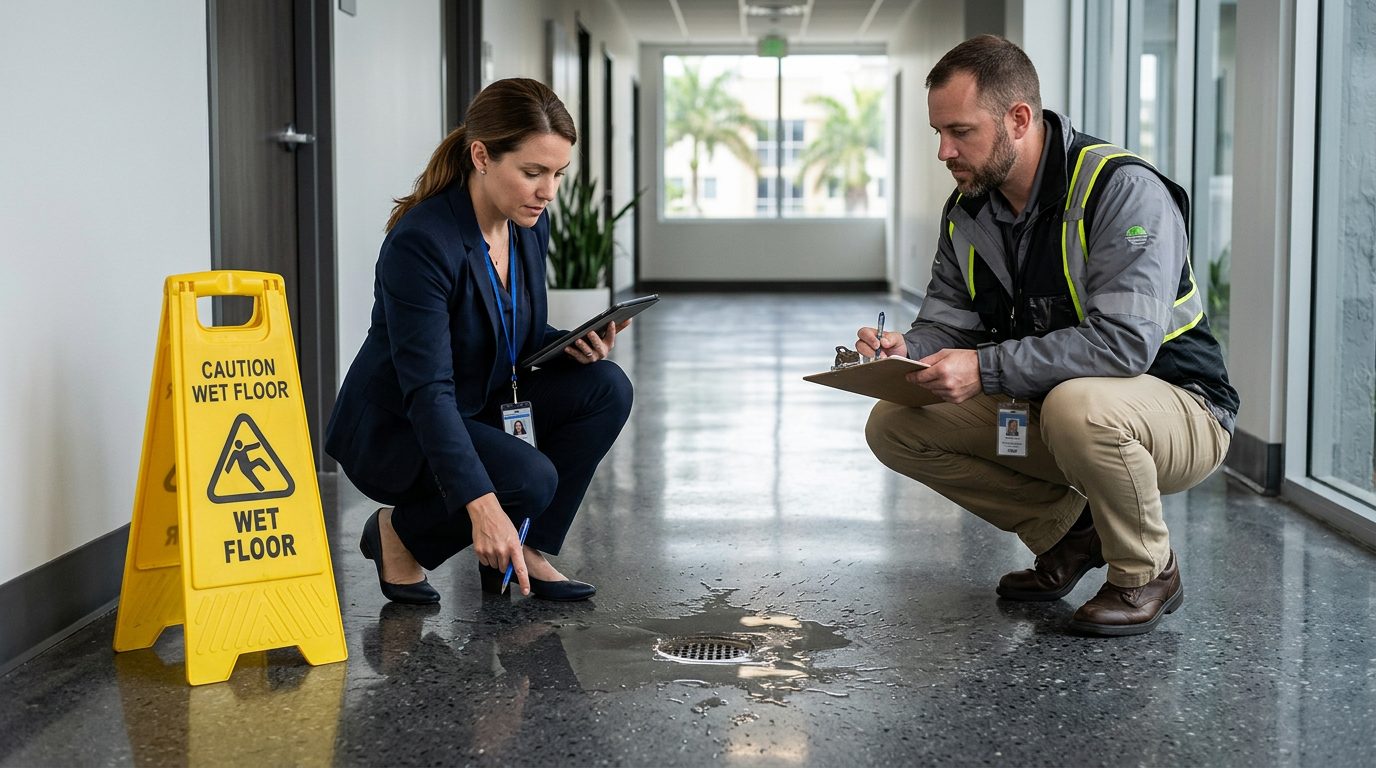
Slip and Fall | Fort Lauderdale, Florida
Hurt in a Fall on Someone Else's Property? You Don't Have to Handle It Alone.
CHG Personal Injury Lawyers helps Fort Lauderdale and Broward County residents understand what happened, who may be responsible, and what to do next after a slip, trip, or fall.
Why People Contact CHG
Free
Confidential first consultation, with no obligation to continue
Florida
Florida-based firm serving Fort Lauderdale and communities across the state
No Fees
No attorney's fees or case costs unless there is a recovery
By CHG Lawyers · Published October 25, 2026
You Slipped and Got Hurt in Fort Lauderdale: What Happens Next
If you slipped and got hurt on someone else’s property, you may have a claim against the property owner. Florida law sets clear rules for these cases, and this slip and fall Fort Lauderdale guide explains them in plain language.
Maybe you were walking along Las Olas Boulevard when your foot hit a wet tile floor. Maybe a cracked sidewalk near your apartment dropped you to the pavement. In either case, the pain comes first. Then come the questions. How bad is the injury? Who will pay the bills? Can you work? Why is an insurance adjuster calling so soon?
Going up against an insurance company alone can feel like racing across a wet floor in socks. The other side has a full team, and you have a sore hip.
You don’t need legal words to understand your options. Terms like premises liability (a property owner’s responsibility for dangerous conditions on the land) and constructive knowledge (what an owner should have discovered) are explained as we go. This guide covers local hazards, Florida’s fault and deadline rules, and the steps that protect your claim.
If your fall left you with medical bills or an insurer asking for a statement, our team can talk through whether the property owner may be responsible. Talk it through with our team — the first consultation is free, confidential, and carries no obligation.
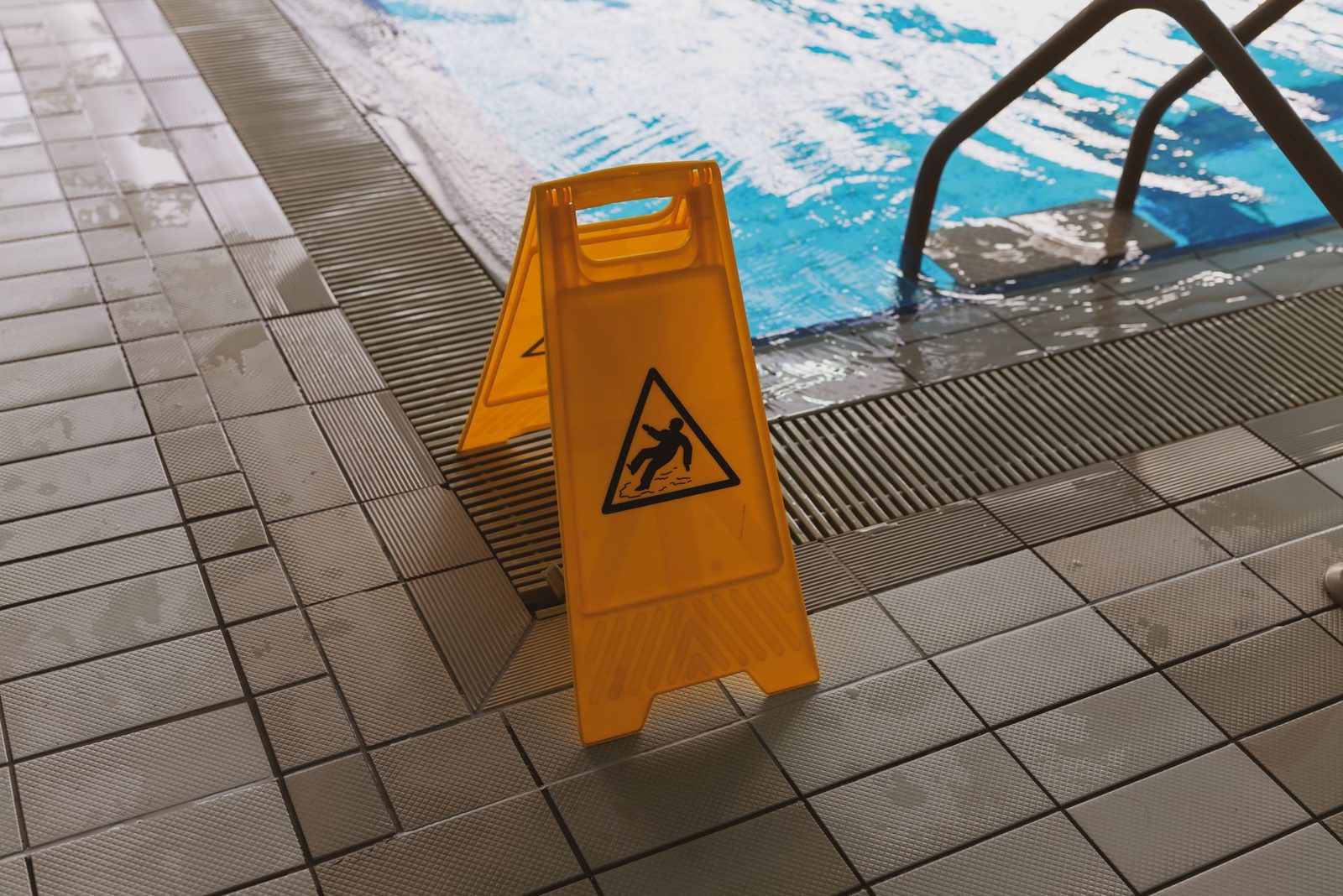
Where Slip and Falls Happen Across Fort Lauderdale and Broward County
Slip and falls happen most often where people walk, shop, eat, and park, especially where floors or walkways are wet, uneven, or poorly marked.
Busy commercial corridors are a common setting. Restaurants and bars can have spills near tables, bar rails, and patios. Grocery and retail stores see carts, produce, and cleaning water on tile. Hotel lobbies and pool decks add wet surfaces and guests carrying luggage.
Apartment and condo common areas are another frequent setting. So are stairwells, laundry rooms, and walkways. Parking garages and lots add oil, rain, and worn painted lines that can catch a person off guard.
Outdoors, sidewalks are a major source of falls across Broward County. Tree roots can lift pavement into a trip edge. Cracked slabs, broken curbs, and missing warning signs can turn a routine walk into a fall.
South Florida’s summer rainy season brings sudden afternoon storms. Water tracked in from parking lots and dripping from umbrellas can leave entryways slick within minutes. Heavy visitor traffic adds to the risk, because more feet mean more chances for a spill to be missed.
Many people assume a small “wet floor” sign solves the problem. A sign alone may not fix a hazard that has been there a long time. That is one reason the facts of each fall matter.
Injuries a Fall Can Cause, From Sprains to Life-Changing Harm
A fall can cause anything from a sprain to a serious brain or spinal injury, and the first hours often don’t show the full picture.
Many falls cause sprains, strains, and soft-tissue damage in the back, neck, knees, and shoulders. Wrist fractures are common when people catch themselves with an outstretched hand. Hip and ankle injuries can make walking hard for weeks or longer.
Some falls cause much more serious harm. A head striking a hard floor or curb can cause a traumatic brain injury, which is an injury to the brain from a blow or jolt. Back and spinal injuries can affect how a person moves, feels, and works. These injuries can change daily life for good.
A fall can look minor at first. Adrenaline can mask pain, and symptoms may grow over hours or days. That’s why a medical check right after the fall matters, even if you feel fine. Follow your doctors’ care. Your doctors make decisions about diagnosis and treatment, and their instructions come first. Keep copies of every visit summary and test result.
The Florida Department of Health publishes information on falls and fall prevention, including its older adult falls prevention resources.
When a Property Owner May Be Responsible Under Florida Premises Liability Law
A property owner may be responsible when a dangerous condition hurts a visitor and the owner’s failure to fix it or warn about it caused the harm.
Premises liability is the legal name for this idea. It means the person who controls a property has a duty to keep it reasonably safe. That duty includes warning visitors about hidden dangers the owner knows about.
Each fall claim depends on the specific facts of how the injury happened. Did the owner owe you a duty to keep the area safe? Did the owner fail to meet that duty? Did that failure cause the fall? And did the fall cause real losses, such as medical bills, lost pay, or pain?
Your status on the property matters too. A customer, guest, or other visitor who has permission to be there is generally owed a higher level of care than a trespasser. Florida’s trespasser statute, Fla. Stat. § 768.075, deals with people who enter property without permission.
Whether a claim is strong depends on the facts of your fall. A lawyer can review those facts with you and explain how the rules apply.
What Florida Means by Actual and Constructive Knowledge
Under Florida law, a person who slips on a spill must show the business knew, or should have known, about the danger.
Florida law has a specific rule for slips on a transitory foreign substance in a business establishment.
Actual knowledge is the simplest form. An employee saw the spill, or a customer told staff about it, and nobody cleaned it up.
Constructive knowledge is about what the business should have known with reasonable care. It can also be shown when the condition occurred with regularity and was foreseeable, meaning it kept happening in the same spot.
Evidence that shows how long a hazard was there includes surveillance video, cleaning logs, inspection records, and witness statements. Video can be overwritten, so ask the property to keep it now.
Cracked sidewalks and other conditions that are not temporary spills follow a different path.
How Florida’s 51% Rule Affects Your Claim
Under Florida’s comparative fault law, in a negligence action, a person found greater than 50 percent at fault for their own harm may not recover any damages, except in personal injury or wrongful death actions arising out of medical negligence.
Comparative fault means a jury or judge looks at everyone’s share of blame. Fla. Stat. § 768.81 says that in a negligence action to which this section applies, any party found greater than 50 percent at fault for their own harm may not recover any damages, and this does not apply to personal injury or wrongful death arising out of medical negligence under chapter 766. A person found at 50 percent or less is not barred by that rule.
Here is an illustration. Imagine a shopper looking at a phone who steps into a spill with no warning sign. The store may argue the shopper should have watched the floor. The shopper may argue the store knew about the spill and didn’t warn anyone. Those arguments decide the fault question. Under Florida law, a party found greater than 50 percent at fault for his or her own harm may not recover any damages, and this rule does not apply to personal injury or wrongful death claims arising from medical negligence (Fla. Stat. § 768.81). Under Florida law, a claimant’s own contributory fault reduces the damages awarded but does not, by itself, bar recovery, subject to the greater-than-50-percent rule (Fla. Stat. § 768.81).
Insurers often raise footwear, distraction, whether a sign was visible, and how fast the person walked. That’s why careful records matter. Photos of your shoes, the area, and the lighting can help answer those questions.
Not sure what your next step is?
Talk it through with our team — the first consultation is free, confidential, and carries no obligation.
Florida Deadlines for Slip and Fall Claims and Why Timing Matters
Florida’s statute of limitations places an action founded on negligence among those that must be commenced within two years (Fla. Stat. § 95.11(5)(a)). Slip and fall claims are often based on negligence.
The limitations statute, Fla. Stat. § 95.11, says an action founded on negligence must be commenced within two years. Under Fla. Stat. § 95.031, a claim accrues when its last required element occurs, which is the legal start point for the clock.
Claims against government-owned property, such as a city sidewalk or county facility, follow a different law. Florida’s sovereign immunity statute, Fla. Stat. § 768.28, waives immunity only to the extent that act specifies. That is why a fall on public property needs a closer look early.
Deadlines apply to every claim. The date of your fall and the facts of your case set the timeline, so reach out promptly. Waiting can make it harder to keep video, witness names, and records.
What Affects the Value of a Slip and Fall Claim
Several factors shape a claim, including medical care, bills, lost income, future care needs, and how the injury changes daily life.
Florida law defines economic damages to include past and future lost income reduced to present value, medical and funeral expenses, and other economic losses caused by the injury, as set out in Fla. Stat. § 768.81.
Pain and suffering, a lower ability to enjoy life, and whether an injury is permanent also play a role in many claims. These are harder to put into numbers, so they are weighed on the facts of each case.
No average amount predicts what any single case is worth. Each claim is reviewed on its own facts, from the injury to the evidence to how the fall affects your life.
Good records help show the full impact. Keep every bill, explanation of benefits, and prescription receipt. Log mileage to appointments, and track missed work with pay stubs or a letter from your employer. A short daily note about pain, sleep, and activities can also help.
Steps to Take Now After a Fall in Fort Lauderdale
The most important step is getting medical care right away and following your doctors’ instructions.
Take photos at the scene while you can. Capture the spot where you fell, the hazard, your footwear, and any warning signs or missing signs. Keep photographing visible injuries as they heal.
Report the fall to property staff before you leave, if you can. Ask for an incident report, and write down the manager’s name and the time. Get names and phone numbers of anyone who saw the fall.
Be careful with insurance calls. An adjuster for the property owner’s insurer may ask for a recorded statement soon after the fall. You don’t have to give one on the spot. Reach out to our team before you agree, so you understand what it may affect.
Keep every bill, prescription receipt, and note about how the injury affects your work, sleep, and family life. Save the shoes and clothing you wore that day, and don’t throw them away.
How CHG Personal Injury Lawyers Handles Fort Lauderdale Slip and Fall Cases
CHG Personal Injury Lawyers is a Florida personal injury firm that focuses on accident cases, including slip and falls, for people across Florida.
Igor Hernandez, one of the firm’s lawyers, is the responsible lawyer for this page. Our lawyers are licensed attorneys admitted to The Florida Bar. Our team, which includes lawyers and support staff, works on each case together.
We represent people hurt in Florida, including residents of Fort Lauderdale and Broward County. The firm also handles car and truck crashes and other serious injury claims.
CHG charges no attorney’s fees and no case costs unless there is a recovery. In some matters, a case may be referred to, or handled together with, another law firm. If that applies to your case, it will be explained to you.
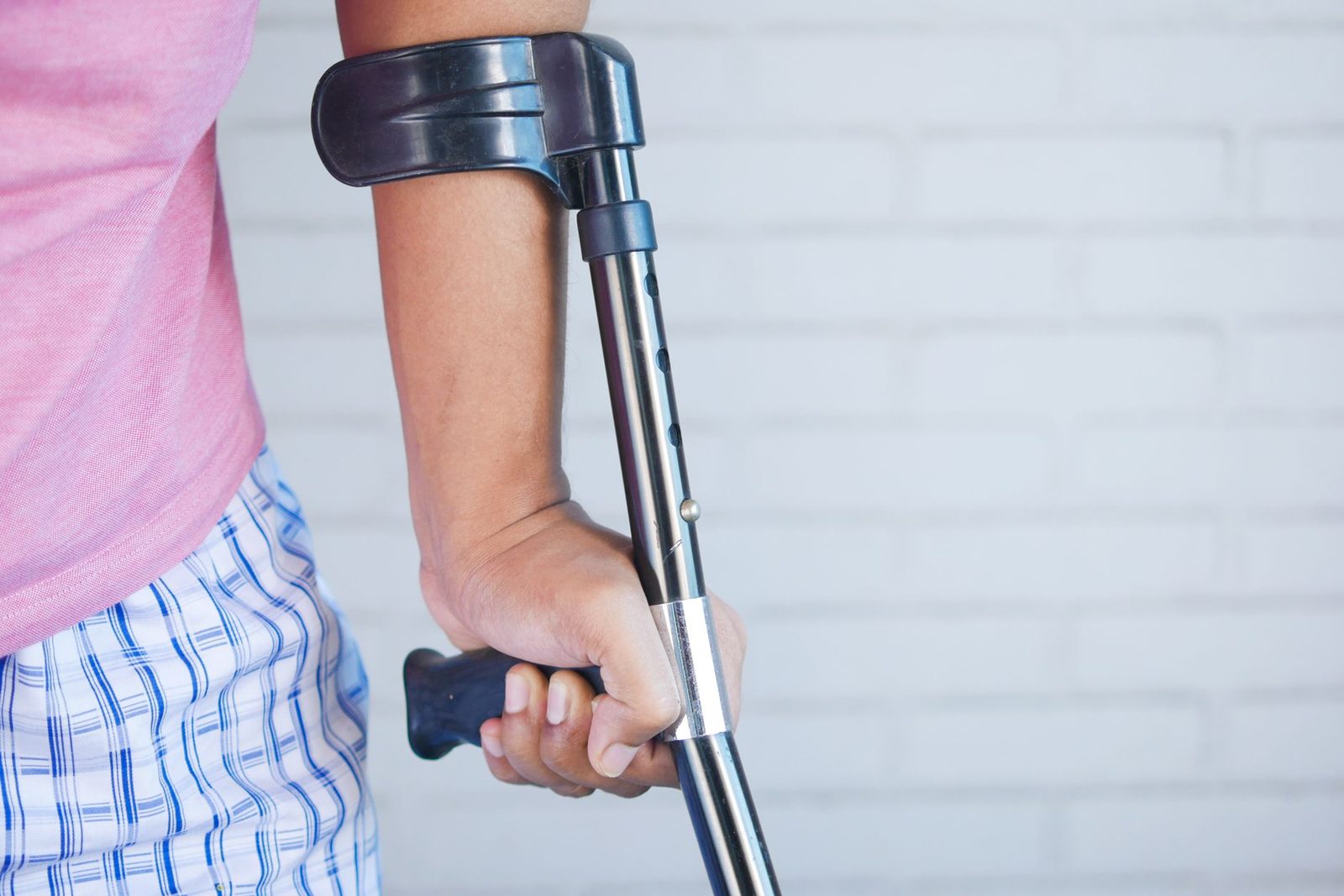
Talk With Our Team About Your Fall and Your Options
If your fall has left you with medical bills, an insurer on the phone, or doubts about who is responsible, you don’t have to sort it out alone.
How long do I have to file a slip and fall lawsuit?
Florida generally gives two years to file a negligence lawsuit, under Fla. Stat. § 95.11.
What is the 51% rule in Florida?
A person found more than 50 percent at fault for their own harm may not recover any damages, under Fla. Stat. § 768.81.
Do city sidewalk falls follow different rules?
Claims against government-owned property follow Fla. Stat. § 768.28, which has its own limits.
Tell us what happened, and we’ll walk through what Florida law may mean for you. Your first consultation is free, confidential, and comes with no obligation to continue. Contact CHG Personal Injury Lawyers to start that conversation.
What Our Team Brings to Your Case
Licensed Attorneys
Our lawyers are licensed to practice law in Florida and are admitted to The Florida Bar.
Plain-Language Guidance
We explain each step of your claim clearly, in English or Spanish, so you always know where your case stands.
Compassion for Your Recovery
We understand that a fall can affect your health, your work, and your family. We focus on protecting your claim while you focus on healing.
Thorough Case Review
We look at the property conditions, records, and witness accounts that matter in a slip and fall matter.
Important: Protect Your Claim From the Start
Property owners and their insurance companies may contact you soon after a fall. Before you give a recorded statement or sign any paperwork, talk with a lawyer. Keep your medical appointments and follow your doctor's care.
Steps to Take After a Fall
Get Medical Care
Seek treatment right away, even if your injuries seem minor. Some injuries, such as head or back injuries, may not show symptoms for hours or days.
Report the Fall
Ask the property manager or owner to file an incident report. Keep a copy and note the name of anyone you speak with.
Document the Scene
If you are able, photograph the spot where you fell, the floor or surface, any warning signs or their absence, lighting, and your injuries.
Call a Lawyer
Contact CHG Personal Injury Lawyers for a free, confidential consultation so we can review what happened and explain your options.