

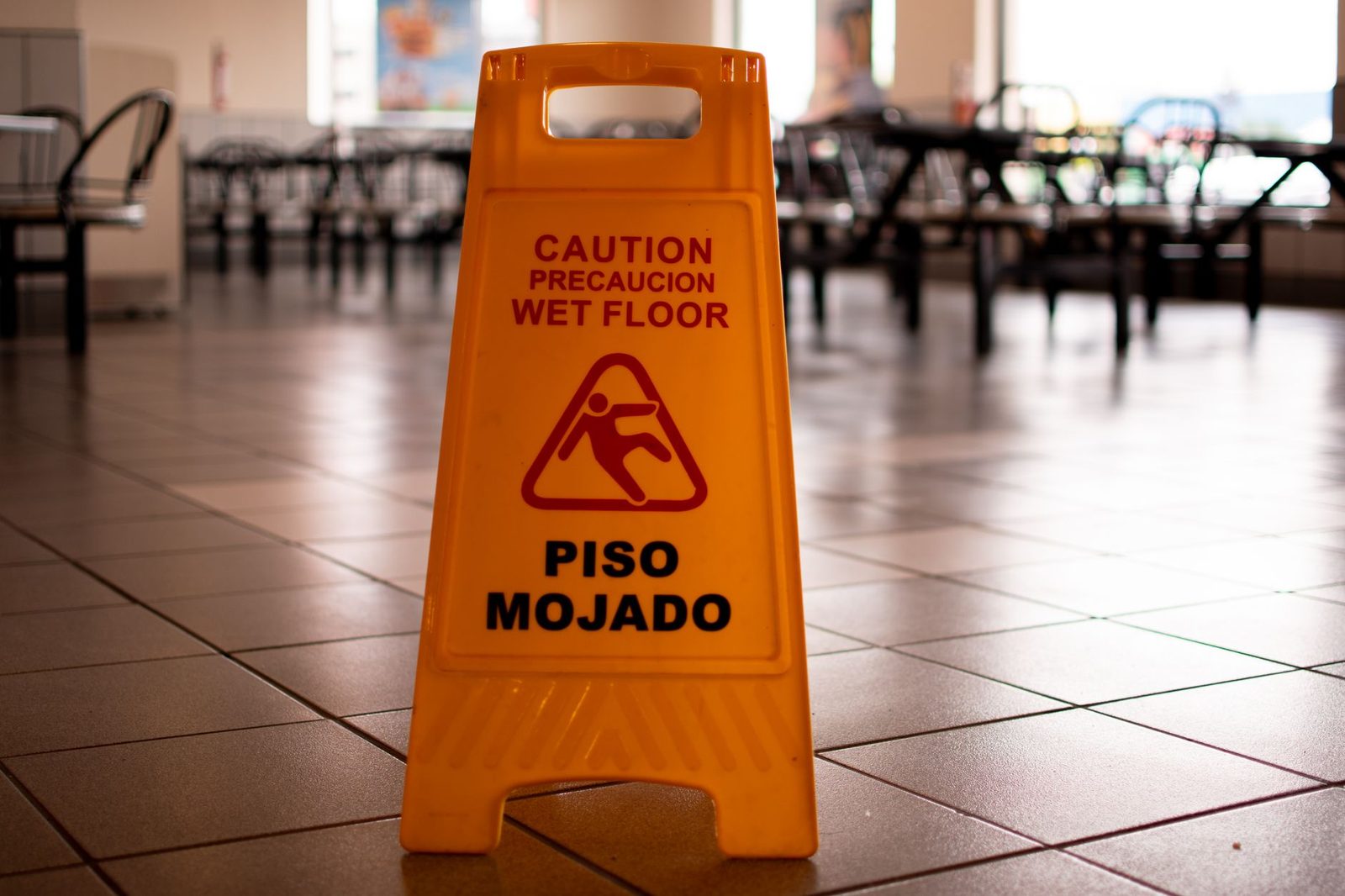
Slip and Fall Claims
How Hard Is It to Win a Slip and Fall Case?
The answer depends on what caused your fall and what the property owner knew—or should have known. Learn what it takes to build a strong claim.
By CHG Lawyers · Published September 13, 2026
Slip and Fall Cases in Florida: What You Must Prove and How Evidence Determines Outcome
Slip and fall cases are not automatically easy or hard to win—the outcome is entirely evidence-driven and depends on specific facts: what happened, where it happened, what evidence exists, and critically, under Florida law, how much fault a court assigns to you. Unlike some personal injury claims, Florida premises liability requires proving that the property owner or manager knew (or reasonably should have known) about a hazard and failed to fix it or warn you. This is why two similar-sounding falls can have very different legal outcomes.
Not sure what your next step is?
Talk it through with our team — the first consultation is free, confidential, and carries no obligation.
The Four-Element Test: What You Must Prove
To win a slip and fall claim in Florida, you must establish all four of these legal elements. Missing even one—even if the other three are strong—defeats your entire claim.
1. The property owner owed you a duty of care.
This is straightforward. Under Florida law, property owners have a legal obligation to keep their premises reasonably safe for lawful visitors. If you were shopping, dining, visiting an apartment, or using a parking lot with permission, the owner owed you this duty. The moment you entered lawfully, the duty attached.
2. The owner breached that duty.
The owner breached their duty by either creating the hazard, knowing about it and doing nothing, or failing to inspect the property regularly enough to discover it. For example:
– A store manager saw a spill and left it for hours without warning or cleanup.
– Maintenance logs show the floor hasn’t been inspected in weeks and a hazard went undetected.
– A broken step or torn carpet remained unfixed despite prior complaints.
The key question: Did the owner know, or should they have known through reasonable inspection, that the hazard existed?
3. The breach caused your fall and injury.
You must show a direct link between the hazard and what happened. If you tripped on a broken step the owner knew about, or slipped on a wet floor that wasn’t marked, causation is clear. If you fell for an unrelated reason—you weren’t paying attention, you had a medical episode unrelated to the hazard—causation becomes harder to prove.
4. You suffered actual damages.
You must have real, documented losses: medical bills, lost wages, pain and suffering, ongoing care needs, or permanent impairment. A minor bruise with no medical treatment is harder to build a case around than a broken bone requiring surgery, a spinal cord injury requiring ongoing therapy, or a traumatic brain injury with lasting cognitive effects.
All four elements must be present. If the property owner can show the hazard was so obvious you should have seen it, or that they had no way to know about it, or that your own actions caused the fall, your case weakens significantly.
Florida’s Comparative Fault Rule: A Critical Factor
Here’s where many slip and fall cases turn. Under Florida Statute §768.81, comparative fault applies directly to your case.
If you were distracted, running, not using a handrail, or not paying attention, the property owner may argue you were partly or fully responsible for your fall. This is not just a negotiating tactic—it’s a legal defense that can bar your recovery entirely.
The critical threshold: If you are found more than 50% at fault, you cannot recover damages at all—even if the owner was also negligent. If you’re found 50% or less at fault, you can recover, but your award is reduced by your percentage of fault.
Example: You slip on a wet floor in a grocery store. The store failed to mark the hazard or clean it for two hours. But you were looking at your phone and not watching where you were walking. A jury might find the store 70% at fault and you 30% at fault. You can recover 70% of your damages. If the jury found you 60% at fault, you recover nothing.
This rule makes evidence of your own conduct—or lack thereof—central to the case. Property owners will argue you were careless; your attorney must show you were being reasonably careful given the circumstances.
The Statute of Limitations: Time Is Critical
Florida Statute §95.11 gives you two years from the date of your injury to file a negligence claim. After that deadline passes, your case is barred entirely, regardless of how strong it might have been.
This creates urgency. Evidence degrades, memories fade, security footage is overwritten, and witnesses become harder to locate. The sooner you consult an attorney, the sooner evidence can be preserved and your claim investigated thoroughly.
What Evidence Matters Most
The strongest evidence in a slip and fall case includes:
- Photographs or video of the exact spot where you fell, taken as soon as possible after the incident, showing the hazard clearly and the lighting/visibility conditions
- Witness statements from people who saw the hazard before your fall or who witnessed the fall itself
- Medical records documenting your injuries and linking them directly to the fall, including imaging (X-rays, MRI), surgical reports, or ongoing therapy notes
- The property’s maintenance records, cleaning schedules, and inspection logs—obtained through legal discovery—showing whether regular inspections occurred and whether the hazard should have been discovered
- Prior complaints or incident reports about the same hazard or similar problems at that location, showing a pattern of negligence
- Expert testimony about how long a hazard (like a wet floor, debris, or a broken step) typically remains visible before a reasonable business owner should have discovered it
- Your detailed account of what happened, including what you were doing, what you saw (or didn’t see) before the fall, and how the injury has affected your life
The more of this evidence you have, the stronger your case. A single piece—say, security footage showing staff saw the spill and ignored it—can be decisive. The absence of all of it makes winning very difficult.
Have questions about what happened?
Ask our team directly. The first conversation is free, confidential, and there is no obligation to continue.
Immediate Steps to Strengthen Your Case
If you’ve been injured in a slip and fall, take these steps immediately:
At the scene: – Report the incident to the property manager or owner and request a written incident report – Take photographs and video of the exact location, the hazard, the lighting, and any signage (or lack thereof) – Get the names, phone numbers, and email addresses of anyone who witnessed the fall or the hazard – Note the date, time, and weather conditions
After leaving: – Seek medical attention promptly, even if you feel only minor pain; some injuries develop over hours or days – Keep all medical records, bills, imaging results, and receipts – Document your symptoms, pain levels, and how the injury affects your daily life and work – Preserve any physical evidence (the shoe you were wearing, samples of the floor surface, your clothing) – Do not post about the incident on social media or discuss it with the property owner’s insurance without legal guidance – Consult an attorney as soon as possible; the sooner you investigate, the more evidence you can preserve
Distinguishing Minor from Catastrophic Slip and Fall Injuries
Not every slip and fall justifies litigation. The severity of your injury matters both legally and practically.
Minor injuries (bruises, minor sprains with no medical treatment) may not justify the time and cost of litigation. You’d spend more on attorney fees and court costs than you’d recover.
Significant injuries absolutely do justify pursuing a claim: – Broken bones requiring surgery or extended immobilization – Spinal cord injuries causing paralysis or permanent nerve damage – Traumatic brain injuries with lasting cognitive, physical, or behavioral effects – Severe lacerations or burns – Injuries requiring ongoing physical therapy, pain management, or assistive devices – Injuries that prevent you from working or performing daily activities
If you’ve incurred substantial medical bills, lost wages, or face permanent impairment, the potential recovery is meaningful. Your attorney can evaluate whether the property owner’s insurance is likely to cover the claim and whether settlement negotiations are realistic.
How Property Owners Defend Slip and Fall Claims
Understanding the defenses helps you see where strong evidence makes the difference:
- The “open and obvious” defense: They argue the hazard was so visible you should have noticed and avoided it. This defense succeeds or fails based on specific facts—lighting, visibility, and whether you had a reasonable opportunity to notice and react.
- Lack of notice: They claim they had no actual or constructive notice (actual knowledge or knowledge they reasonably should have had) of the problem. You then must prove they should have known through regular inspection, maintenance schedules, or prior complaints.
- Your own conduct: They point to your actions—distraction, rushing, failure to use handrails—as the real cause of your fall, invoking comparative fault.
- Maintenance records: They present their own records showing regular inspections and cleaning.
- Injury severity: They argue your injury was not as severe as you claim, or that pre-existing conditions caused your pain.
- Status on property: They argue you were trespassing or not lawfully on the property.
Each defense can be countered with the right evidence, but they show why these cases require thorough investigation and documentation.
Frequently Asked Questions
What is the “open and obvious” defense?
It’s the argument that if a hazard was clearly visible, you should have seen and avoided it, so the owner isn’t liable. This defense succeeds or fails based on specific facts—how bright the lighting was, how clear the view, and whether you had a reasonable opportunity to notice and react.
Can I recover damages if I was partly at fault?
Under Florida’s comparative fault law, yes—but only if you’re found 50% or less at fault. If you’re found more than 50% responsible, you cannot recover anything.
How long do I have to file a slip and fall lawsuit?
You have two years from the date of your injury under Florida’s statute of limitations. After that, your claim is barred.
What if there’s no video footage of my fall?
Video helps, but it’s not required. Witness testimony, photographs of the hazard, maintenance records, and medical evidence can all support your case. However, without video, proving exactly what caused the fall becomes harder, which is why other evidence becomes even more critical.
Is settling better than going to trial?
Most slip and fall cases settle. Settlement offers certainty and avoids the risk of losing at trial. Trial offers the possibility of a larger award but carries the risk of losing entirely. Your attorney can advise you on which path makes sense for your specific case.
What if I was partially distracted when I fell?
Under Florida’s comparative fault rule, your distraction can reduce your recovery or bar it entirely if you’re found more than 50% at fault. However, property owners still have a duty to maintain safe premises. The question becomes whether a reasonably careful person, even slightly distracted, would have noticed and avoided the hazard. This is fact-dependent and requires evidence about the visibility of the hazard and the reasonableness of your conduct.

Want to know where you stand?
Tell us what happened and our team will walk you through the options available to you, at no cost.
When to Reach Out
If you’ve slipped and fallen on someone else’s property and been injured, the question of whether you have a viable claim isn’t always obvious from the facts alone. Many people in your situation—injured on someone else’s property, unsure if the owner was negligent, trying to figure out what happens next—reach out to discuss their specific circumstances.
An attorney can review what happened, the evidence available, your injuries, and your own conduct to give you a realistic sense of your options and next steps. There’s no cost to explore whether you have a case, and the sooner you reach out, the sooner we can begin preserving evidence and building your claim.
Contact us for a free case evaluation to discuss what happened and whether you may have a claim against the property owner.
The Four Elements You Need to Prove
The Owner Created or Knew About the Hazard
You must show that the property owner or manager either created the dangerous condition (spilled liquid, broken stairs, torn carpet) or knew it existed and did nothing to fix it or warn you.
The Owner Should Have Discovered It
If the owner didn't actually know about the hazard, you can still win if you prove they should have found it through reasonable inspection and maintenance—for example, a wet floor that sat unattended for hours.
You Weren't Careless Yourself
Florida law recognizes that you may bear some responsibility for your own fall. The question is whether you acted reasonably given the circumstances and what you could see.
The Hazard Caused Your Injury
You must connect the dangerous condition directly to your fall and the harm you suffered—medical records, witness statements, and photos of the scene all help prove this link.
The 'Open and Obvious' Defense
Property owners often argue that if a hazard was clearly visible, you should have seen and avoided it, so they bear no responsibility. This defense succeeds or fails based on the specific facts—how bright the lighting was, how clear the view, and whether you had a reasonable opportunity to notice and react. A wet floor in dim lighting, for example, may not be 'obvious' at all.
What Makes a Slip and Fall Case Harder or Easier to Win
Easier: Clear Negligence
Cases are stronger when the hazard is recent and the owner should have caught it—a spill left for hours, a broken handrail that's been reported, or a known pattern of maintenance failures. Witness statements and security camera footage also make your case clearer.
Easier: Serious Injury
Falls that cause broken bones, head trauma, or other significant harm are easier to pursue because the damages are substantial and the connection between the fall and your injury is clear.
Harder: Shared Fault
If you were distracted, wearing inappropriate footwear, or moving too quickly, the owner may argue you share responsibility. Florida allows recovery even if you're partly at fault, but your award is reduced by your percentage of blame.
Harder: No Clear Cause
If the scene has been cleaned up, witnesses have left, or there's no video, proving what caused your fall becomes difficult. The owner may claim you tripped on your own feet rather than on their property.
How We Help You Build a Strong Claim
Immediate Evidence Gathering
We move quickly to photograph the scene, preserve security footage, and document the hazard before it's fixed or cleaned up—critical evidence that often disappears.
Witness Identification and Statements
We locate and interview people who saw your fall or the condition that caused it, creating a clear record of what happened and when.
Property Owner Records
We obtain maintenance logs, prior complaints, incident reports, and inspection records to show whether the owner knew—or should have known—about the hazard.
Medical Documentation
We work with your doctors to establish the full extent of your injuries and connect them directly to your fall, building a clear picture of your damages.
Negotiation and Litigation
We handle discussions with the property owner's insurance company and, if necessary, take your case to trial to pursue fair compensation.
Time Matters
The sooner you report your fall and seek legal help, the better. Evidence fades, memories blur, and some records are only kept for a limited time. Don't wait to understand your options.