

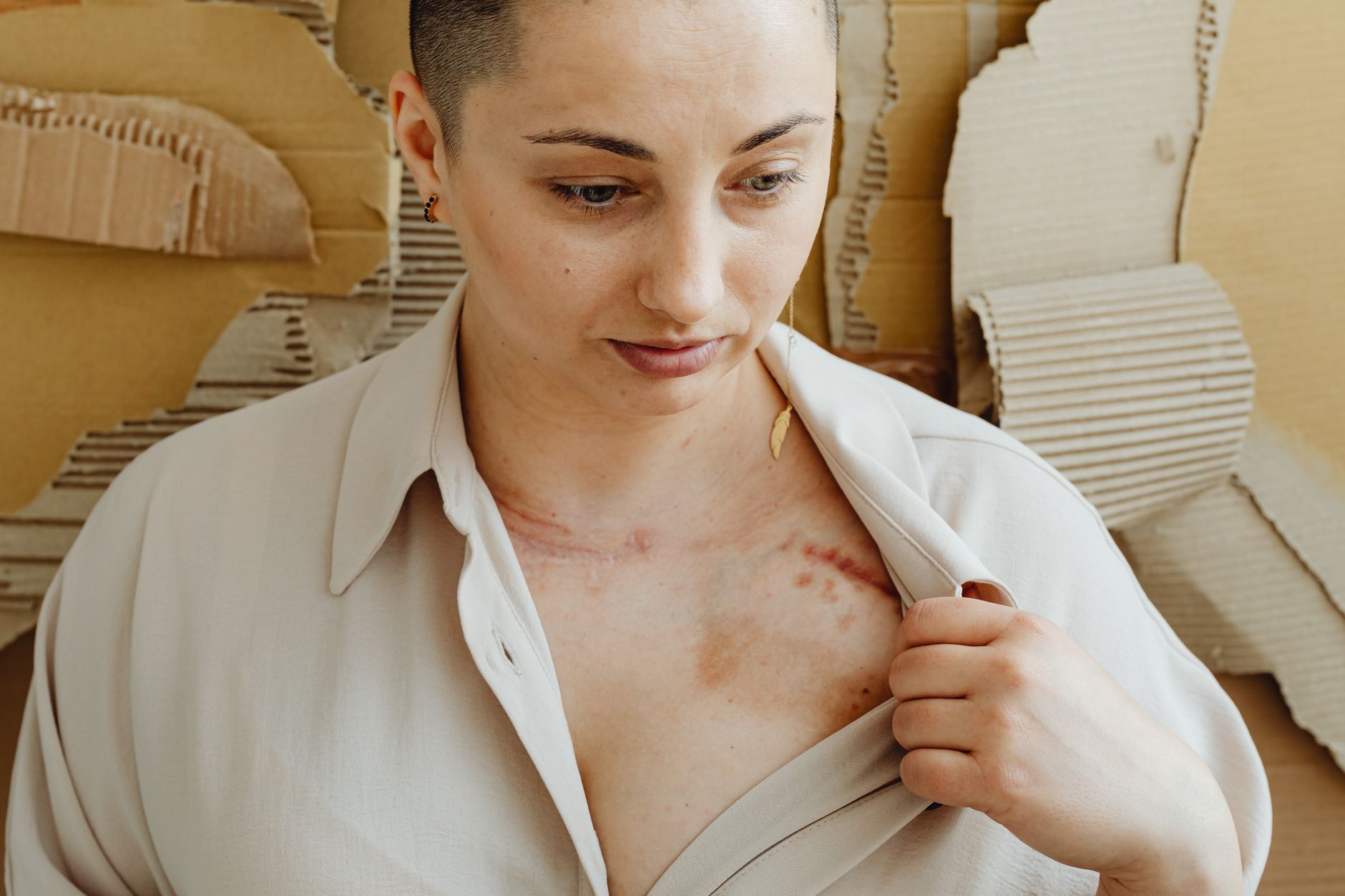
Severe Burn Injuries
Understanding Skin Graft Recovery After a Severe Burn
Severe burns can require staged surgeries, months of healing, and lifelong scar care. Here's what skin graft recovery involves — and how a catastrophic injury claim may help cover the cost.
Why families turn to CHG
Licensed
Florida Bar-admitted attorneys
Nationwide
Catastrophic injury cases accepted
Bilingual
English & Spanish resources
Free
Confidential case evaluations
By CHG Lawyers · Published August 08, 2026
Skin Graft Recovery After a Severe Burn: A Survivor & Caregiver Guide
Skin graft recovery after a severe burn is measured in months to years, not weeks. A graft is surgery that covers a deep burn wound with new skin. The graft itself may attach in one to two weeks, but scar care, therapy, and further operations often stretch across years.
This guide is written for two people: the survivor, and the family member sitting in the hospital hallway trying to understand what comes next. We explain why grafts are needed, the types surgeons use, how healing actually unfolds, and what living with scars and contractures looks like — in plain, non-graphic language. In the catastrophic burn cases our attorneys handle, we have watched these injuries reorder a person’s entire life. That reality matters medically, and it matters legally.
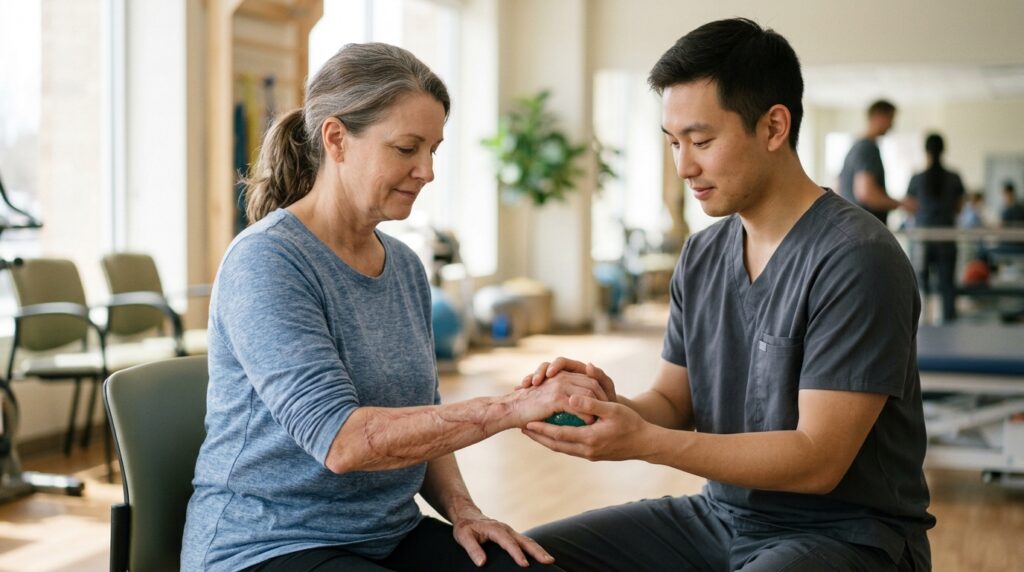
Not sure what your next step is?
Talk it through with our team — the first consultation is free, confidential, and carries no obligation.
Why severe burns often require skin grafts
Deep burns need grafts because the skin can no longer heal on its own. Surgeons classify burns by depth. A deep partial-thickness (second-degree) burn damages the outer skin and part of the layer below. A full-thickness (third-degree) burn destroys every skin layer. The deepest injuries reach muscle, tendon, or bone.
The deepest burns kill the cells that would normally regrow skin, so the wound cannot close by itself. A graft covers the open area. This does three critical jobs: it closes the wound, it blocks infection, and it stops the body from losing fluid and heat through exposed tissue.
According to the American Burn Association, burn injuries lead to hundreds of thousands of emergency-department visits in the U.S. each year, and the most severe of them — from fires, explosions, scalding liquids, chemicals, or electrical current — are the ones most likely to require surgery. The bigger and deeper the burn, the more likely a graft becomes.
Types of skin grafts used after a burn
Surgeons use two main graft types, and the choice depends on the wound’s size, depth, and location.
A split-thickness graft uses the top layer of skin plus a thin part of the layer below. It covers large areas well. A full-thickness graft takes all layers of skin and is often used on smaller, high-value areas — the face or hands — where appearance and flexibility matter most.
Autografts and the donor site
An autograft uses the patient’s own skin. Surgeons harvest healthy skin from another body area, called the donor site. This is the standard permanent graft. But here is a detail many families are not warned about: the donor site becomes a second wound. It stings, it needs its own dressing changes, and it often hurts as much as — sometimes more than — the grafted area during the first weeks.
Temporary coverings
When a patient needs coverage immediately but lacks enough healthy skin to harvest, the team may buy time with temporary options:
- Allograft — skin from a human donor.
- Xenograft — skin from an animal source, usually pig.
- Engineered skin substitutes — lab-made products that protect the wound.
These are short-term. The medical team later replaces them with the patient’s own skin once donor sites have healed enough to be reused.
Sheet grafts vs. meshed grafts
A sheet graft lays skin down in one solid piece. A meshed graft has tiny slits cut into it so it stretches to cover more area. Meshing helps when donor skin is scarce, but it can leave a lasting net-like pattern in the healed skin — a cosmetic trade-off that becomes part of the long-term picture.
These are the medical team’s decisions. This page is general education, not medical advice for your specific case.
What skin graft recovery actually looks like
Recovery moves in stages, and the first one is fragile. In the first days, the new skin must connect to a fresh blood supply underneath — surgeons call this the graft “taking.” The area is kept still, often splinted, because a single wrong movement can shear the graft loose and undo the surgery.
Healing stages and timelines
Every person heals differently, but the path roughly follows this arc:
- First days: The graft attaches to new blood vessels. Rest and immobilization protect it. This is the make-or-break window.
- First weeks: The graft stabilizes. Dressing changes continue on both the graft and the donor site.
- Months and beyond: Scars mature, soften, and slowly fade. Therapy keeps joints moving so scar tissue does not lock them.
Hospital stays for serious burns can run for weeks, and outpatient therapy often continues far longer. Home care usually means gentle cleaning, careful dressing changes, and shielding the area from sun and pressure. Your team gives you exact instructions — follow them, and never improvise on wound care.
Pain, risk, and the long game — for the caregiver too
Frequent dressing changes and daily pain management are a real part of recovery, not a footnote. Grafts can fail if they don’t get blood supply or if infection sets in, and a failed graft may need to be redone from the start.
We want to set an honest expectation: this is a long road, and recovery is rarely a straight line. Anxiety, depression, and post-traumatic stress are common — for survivors and for the people caring for them. If you are the caregiver, your exhaustion is real, and mental-health support is part of true recovery, not an indulgence.
Have questions about what happened?
Ask our team directly. The first conversation is free, confidential, and there is no obligation to continue.
Scarring, contractures, and permanent change
Deep burns and grafts almost always leave permanent scars. Healed skin can differ in color, texture, and sensation. Some areas stay numb; others become painfully sensitive. These changes are usually permanent.
Hypertrophic and keloid scars
A hypertrophic scar is thick and raised but stays within the burn boundary. A keloid scar grows beyond the original wound edges. Both can be firm, itchy, and difficult to hide.
Scar contractures
A scar contracture happens when healing scar tissue tightens and pulls. When it crosses a joint — an elbow, hand, or knee — it can restrict movement, making it hard to straighten an arm or open a hand. Ongoing therapy, and sometimes further surgery, keeps the joint working.
Long-term scar management
Managing burn scars is frequently a years-long job. Common tools include:
- Pressure garments — custom-fitted sleeves or wraps worn 23 hours a day for months.
- Silicone gel sheeting — to soften and flatten raised scars.
- Massage — to keep tissue pliable.
- Splinting — to hold joints in a functional position.
- Laser treatment — to improve scar texture and color.
Scarring and disfigurement affect far more than appearance. They change how you move, how you work, and how you see yourself. That impact is real, and the law treats it as real.
Reconstructive surgery: what comes next
One surgery is rarely the end. For deep burns, reconstruction is often staged over years, each procedure building on the last. Common goals include releasing tight contractures, restoring movement, and improving both function and appearance. A surgeon might first loosen scar tissue so a hand opens again; later operations may focus on how the skin looks.
Children carry a distinct burden. Scar tissue doesn’t stretch like normal skin, so a graft that fit at age six may pull and tighten by age twelve. Burned children often need repeated surgeries throughout growth simply so their bodies can keep up.
Rehabilitation runs alongside surgery. Physical therapy rebuilds strength and motion. Occupational therapy restores daily tasks — dressing, eating, writing. Mental-health care supports the whole person. Together these form the real backbone of recovery. No one can honestly promise a specific outcome, but understanding the path ahead helps families plan.
The lifelong cost — and why documentation matters
Here is the practical link between the medical burden above and a legal claim: the losses you are living through are exactly what a catastrophic burn claim is built to account for — but only if they are documented.
The bills accumulate fast: surgeries, weeks of hospitalization, therapy, custom pressure garments, home care, and future staged procedures. For many survivors, the spending never fully stops. There is also lost income. A serious burn can keep you out of work for months and may permanently reduce your ability to earn — what the law calls loss of earning capacity — if you can’t return to your old job.
Then there is the harm you cannot put a receipt on: constant pain, permanent scarring, disfigurement, and lost quality of life. The law calls these non-economic damages, and Florida law does not require a receipt to prove them — but it does require credible evidence.
That is why records matter, and why we mention it without pressuring you. Keep your medical records, itemized provider bills, and receipts for out-of-pocket costs. Dated photos across the healing process create a timeline no one can argue with — they show what you endured and how slowly it improved. A recovery journal noting pain levels, missed events, and tasks you can no longer do turns an abstract loss into concrete proof. You are not documenting this to win an argument; you are protecting your own future while your memory of these hard weeks is still sharp.
Want to know where you stand?
Tell us what happened and our team will walk you through the options available to you, at no cost.
When someone else caused the burn
If another person or company caused your burn, you may have a legal claim. Serious burns often trace to someone else’s carelessness — a preventable fire or explosion, a defective product, a chemical mishandled by an employer, or a truck crash.
Sometimes the burn happens because a property owner failed to keep a place reasonably safe. Picture this: you were hurt on someone else’s property — an apartment complex, a hotel, a store, a parking garage — and unsafe or missing safeguards played a role. When a property owner’s failure to provide reasonable safety measures leads to a serious injury, the law may hold that owner responsible. Attorneys call this negligent security or premises liability, but you do not need to know the term to have a claim. You can learn more on our negligent security page. If a burn injury is fatal, the family may bring a wrongful-death claim — the most catastrophic outcome of all, and one Florida law specifically allows surviving family members to pursue.
Florida legal context you can verify
Florida sets a deadline for filing. Most negligence claims that accrue on or after March 24, 2023 must generally be filed within two years under Fla. Stat. §95.11. Miss it, and the court can bar the claim entirely — which is one reason survivors reach out early, even while treatment continues.
Florida also follows a modified comparative-fault rule. Under Fla. Stat. §768.81, a person found more than 50% at fault for their own injury generally cannot recover damages; if they are 50% or less at fault, their recovery is reduced by their share of fault. You can read the official statute text through Online Sunshine, the Florida Legislature’s site.
CHG Personal Injury Lawyers is a Florida-based firm that takes catastrophic injury cases nationwide. Our licensed attorneys, admitted to The Florida Bar, focus on life-altering injuries. This page is general information, not legal advice, and no outcome is ever guaranteed. To talk through your situation at no cost, request a free case evaluation.
Where to learn more
For the full picture, start with our severe burn injuries pillar page. From there you can explore catastrophic injury claims and truck accidents.
If you are caring for someone in the middle of this, be gentle with yourself. When you are ready, our team is here to listen. Contact us for a free case evaluation.
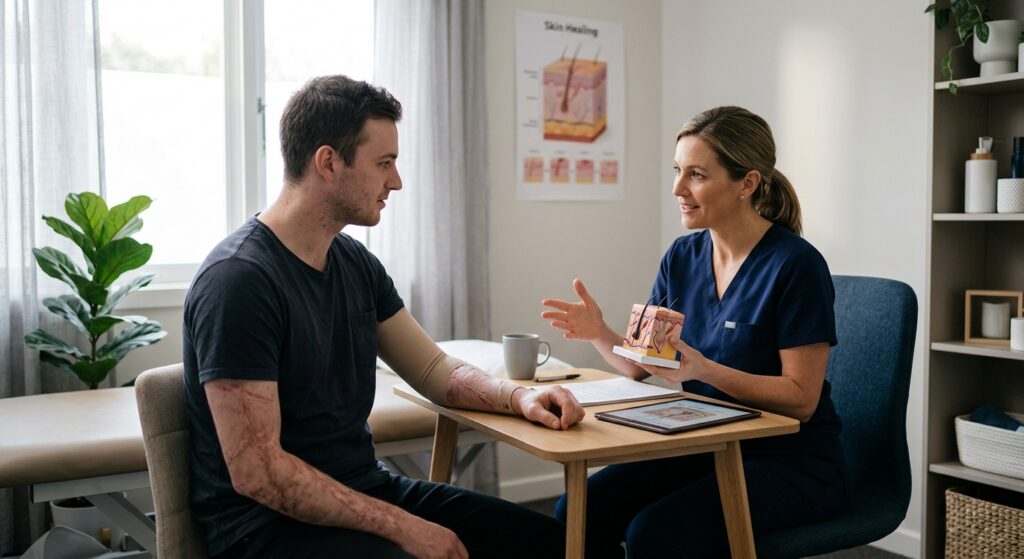
Frequently asked questions
How long does skin graft recovery take after a severe burn?
The graft usually attaches within one to two weeks, but full recovery from a severe burn often takes months to years, including scar management and further staged surgeries.
What are the main types of skin grafts for burns?
The two main types are split-thickness and full-thickness grafts, both usually taken from the patient’s own skin (an autograft). Temporary human, animal, or lab-made coverings may be used first when there isn’t enough healthy skin to harvest.
What is a scar contracture after a burn injury?
A scar contracture is tight scar tissue that pulls and limits movement, especially across a joint. Therapy, splinting, and sometimes surgery help restore motion.
How do I care for a skin graft at home?
Follow your medical team’s instructions exactly — usually gentle cleaning, careful dressing changes, and protecting the area from pressure and sun. Never guess about wound care.
Can a family file a claim if a burn injury is fatal?
Yes. When a burn injury caused by someone else’s negligence is fatal, surviving family members may be able to bring a wrongful-death claim under Florida law.
What is the deadline to file a burn injury lawsuit in Florida?
Most Florida negligence claims accruing on or after March 24, 2023 must generally be filed within two years under Fla. Stat. §95.11. Deadlines vary by situation, so confirm yours with an attorney promptly.
The Main Types of Skin Grafts for Burns
Split-Thickness Grafts
A thin layer of skin is taken from a healthy donor site and placed over the burn. These grafts cover larger areas but may need additional procedures over time.
Full-Thickness Grafts
A deeper layer of skin is used, often for smaller or highly visible areas. These can produce more durable, natural-looking results but require careful healing.
Staged Surgeries
Severe burns frequently require more than one operation. Surgeons may perform grafts in stages over months as tissue heals and scars mature.
Scar Management
Recovery continues long after the graft attaches, with pressure garments, physical therapy, and revision surgeries that can extend for years.
Recovery is a marathon — not a single surgery
A graft usually attaches within one to two weeks, but full recovery from a severe burn often takes months to years. If your burn was caused by someone else's negligence, the long-term cost of that care may be part of a legal claim. Talk to a licensed attorney before medical bills pile up.
How a Catastrophic Injury Claim Can Help
Documenting the full cost
Severe burns often mean surgery after surgery. A claim can account for future graft revisions, scar treatment, and rehabilitation — not just the first hospital bill.
Support for your family
A life-altering burn affects the whole household. We help families pursue compensation for lost income, ongoing care, and the impact on life.
Compassion, not judgment
We handle catastrophic burn cases with dignity and plain-language guidance, so you understand every step without legal jargon.
Attorneys, not directories
You don't need to search around for help. Licensed CHG attorneys review your situation directly and explain your options.