

Catastrophic Burn Injuries
Third & Fourth Degree Burns: Life-Altering Injuries That Demand Justice
Deep thermal burns destroy skin, muscle, and bone. If negligence caused your injury, you have options. CHG Personal Injury Lawyers focuses exclusively on catastrophic burn cases nationwide.
By CHG Lawyers · Published August 23, 2026
Third and Fourth Degree Burns: Legal and Medical Thresholds for Catastrophic Injury
Burn severity is determined by depth—not by size. A third or fourth degree burn destroys the entire thickness of skin and extends into fat, muscle, tendons, and bone. These injuries are not routine medical events. They are life-altering catastrophes that cause permanent scarring, loss of function, amputation, and lifelong disability. This guide explains what these burns are, how they differ, what survival actually means, and what to do if negligence or unsafe conditions caused the injury.
Not sure what your next step is?
Talk it through with our team — the first consultation is free, confidential, and carries no obligation.
Why Depth, Not Size, Determines Catastrophe
The medical system classifies burns on a scale from first degree (minor sunburn) to fourth degree (destruction of skin, muscle, and bone). First and second degree burns damage only the outer layers of skin and heal with minimal scarring. Third and fourth degree burns penetrate all layers of skin and extend into deeper structures—these are the injuries that create permanent disability and often require amputation.
Medical professionals call third and fourth degree burns “full-thickness” burns because they destroy the complete thickness of skin. A third degree burn the size of a postage stamp is considered severe and requires emergency care and skin grafting. A first degree burn covering half your body is painful but not catastrophic. Depth is the legal and medical threshold that separates routine injury from life-altering catastrophe.
Third Degree Burns: Full-Thickness Skin Destruction
A third degree burn destroys the entire thickness of skin—both the outer layer (epidermis) and the deeper layer (dermis)—and damages underlying fat and muscle tissue. According to Johns Hopkins Medicine, third degree burns may also damage underlying bones, muscles, and tendons.
What a third degree burn looks like: The burn site appears charred, leathery, white, dark brown, or blackened. The skin may look waxy or translucent. Paradoxically, the burn site itself is painless because the heat has destroyed the nerve endings. However, the edges of the burn and surrounding tissue cause severe pain.
What causes third degree burns: Prolonged contact with flame, hot liquid, steam, or hot surfaces. Electrical burns and chemical burns can also cause third degree injury. In workplace accidents, vehicle fires, and fires at rental properties, third degree burns are common.
Why even small third degree burns are severe: The body cannot regenerate skin at this depth. Healing requires skin grafting—a surgical procedure in which healthy skin is removed from an unburned area of the body and transplanted to cover the burn wound. A third degree burn affecting even 5–10% of total body surface area (TBSA) requires hospitalization and multiple surgeries.
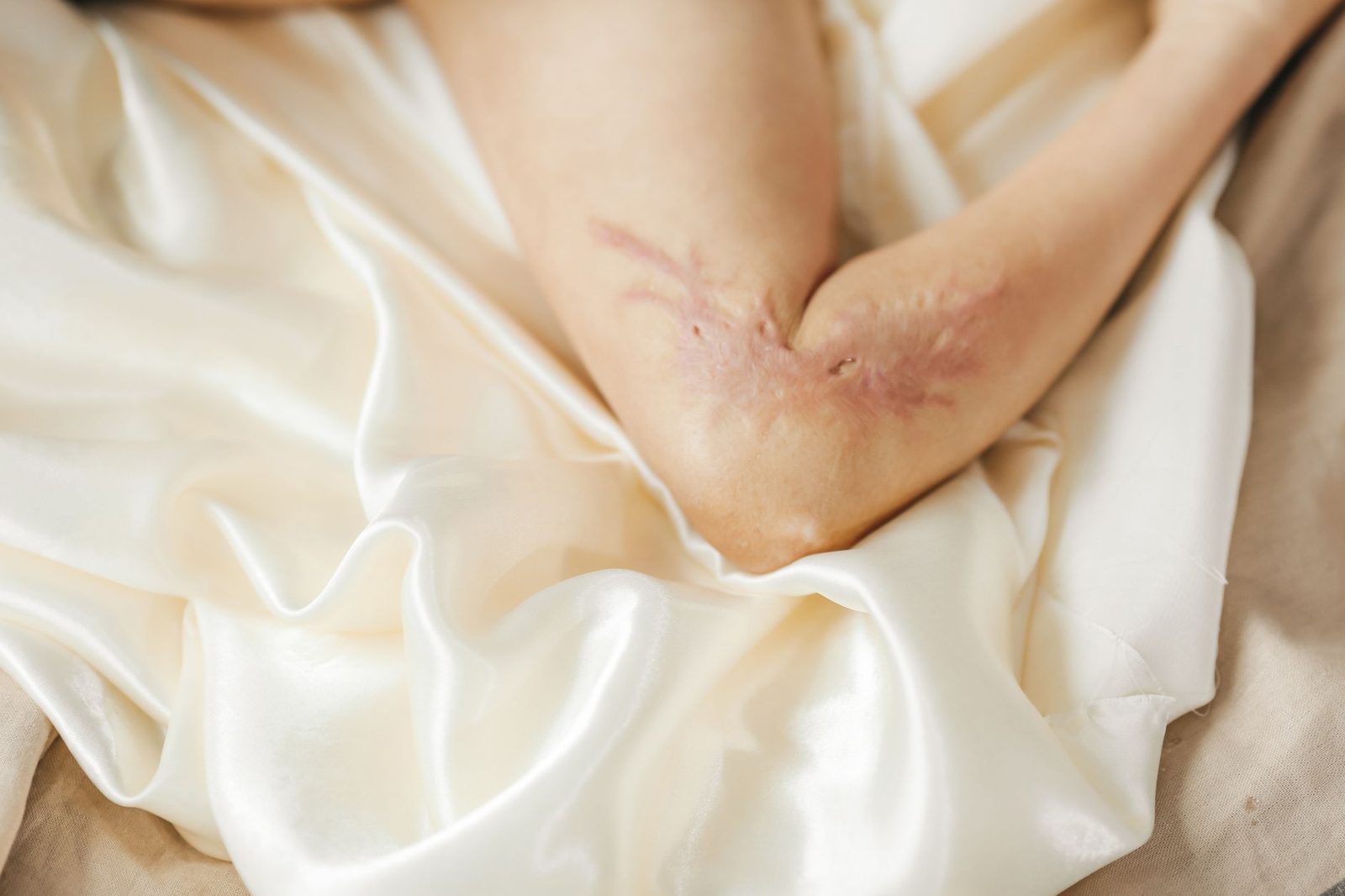
Permanent effects: Third degree burns leave severe, permanent scarring. Contractures (tight scar tissue that restricts movement) often develop, limiting the range of motion in joints. Loss of sensation is common. Pigmentation changes and functional impairment persist for life. Many survivors experience chronic pain, psychological trauma, and difficulty returning to work or performing daily activities.
Recovery timeline: Recovery from a third degree burn takes months to years. Multiple surgeries are necessary. Intensive rehabilitation, including physical therapy and occupational therapy, is standard. Many survivors require ongoing medical care and psychological support. Return to work, if possible, may be delayed or impossible.
Fourth Degree Burns: Destruction Beyond Skin
A fourth degree burn extends through all layers of skin and into subcutaneous tissue (the fat layer beneath skin), muscle, tendons, and bone. According to Cleveland Clinic, fourth degree burns go through all skin layers and extend even deeper, damaging muscles, nerves, and organs.
What a fourth degree burn looks like: The tissue is deeply charred, blackened, or carbonized. The burn may appear mummified or leathery. The destruction is visible and extensive. Muscle and bone are burned away.
What causes fourth degree burns: Prolonged exposure to extreme heat, open flame, electrical current, or chemical contact. Fourth degree burns typically result from severe accidents: entrapment in a fire, contact with high-voltage electricity, or prolonged exposure to extreme conditions. In vehicle fires, industrial accidents, and fires at properties with inadequate safety features, fourth degree burns occur.
Why fourth degree burns are life-threatening: The destruction extends beyond skin into vital structures. Muscle and bone are burned away. Organs may be damaged. Infection, shock, and organ failure are immediate risks. Fourth degree burns are always medical emergencies. Survival depends on rapid transport to a specialized burn center and aggressive medical intervention.
Tissue loss and amputation: In many fourth degree burns, the affected limb cannot be saved. Amputation of fingers, toes, hands, feet, or entire limbs is often necessary. Amputation itself is permanent disability—it changes how a person moves, works, and lives. A fourth degree burn affecting a hand or foot is not a minor injury; it is a catastrophic loss of function.
Permanent effects: Survivors face amputation, severe disfigurement, permanent loss of function, chronic pain, and psychological trauma. Dependence on medical care, prosthetics, and assistive devices is lifelong. Many survivors cannot return to their previous work or lifestyle. Life expectancy may be reduced, especially for extensive burns.
Recovery: If a person survives a fourth degree burn, recovery involves multiple surgeries, amputation, prosthetic fitting, and extensive rehabilitation. The process takes years. Psychological counseling is essential. Many survivors experience post-traumatic stress disorder (PTSD) and depression.
Is There a Fifth or Sixth Degree Burn?
No. The medical classification system for burns stops at fourth degree. There is no fifth or sixth degree burn. Burns are classified by depth (first through fourth degree) and by the total percentage of body surface area affected (called TBSA, or total body surface area).
A burn that destroys tissue beyond what is typical for a fourth degree burn is still classified as fourth degree. The severity is described by the extent of tissue loss and the percentage of the body affected. Any burn that destroys muscle, bone, or organs is a fourth degree burn and is a medical emergency.
The absence of a fifth or sixth degree classification does not mean fourth degree burns vary in severity—they do. A fourth degree burn affecting 5% of the body is different from one affecting 50%. Survival rates, permanent disability, and outcomes vary widely. Specialized burn centers use TBSA percentage, age, and other factors to predict survival and guide treatment.
Third Degree vs. Fourth Degree Burns: Key Differences
| Feature | Third Degree | Fourth Degree |
|---|---|---|
| Depth | Destroys all skin layers; fat and muscle may be damaged | Destroys skin, fat, muscle, tendons, and bone |
| Appearance | Charred, leathery, white, or dark brown | Deeply carbonized, mummified, blackened |
| Pain at burn site | Painless (nerves destroyed) | Painless (nerves destroyed) |
| Treatment | Skin grafting; multiple surgeries | Amputation; reconstructive surgery; multiple procedures |
| Survival rate | Higher with specialized care | Lower; depends on TBSA and access to burn center |
| Permanent effects | Severe scarring, contractures, loss of sensation, functional loss | Amputation, disfigurement, loss of function, chronic pain, lifelong dependence on medical care |
Have questions about what happened?
Ask our team directly. The first conversation is free, confidential, and there is no obligation to continue.
What Happens After a Third or Fourth Degree Burn: Medical Reality and Permanent Consequences
Immediate phase: Emergency responders transport the burn victim to a specialized burn center. Medical teams provide fluid resuscitation (IV fluids to prevent shock), pain management, infection prevention, and wound care. Breathing support may be necessary if the face or airway is burned. The first 24–48 hours are critical.
Short-term phase: Skin grafting and multiple surgeries begin within days. The burn wound is cleaned and prepared for grafting. Healthy skin is harvested from unburned areas and transplanted to cover the burn. Infection is a constant risk. Patients spend weeks or months in intensive care. For fourth degree burns, amputation decisions are made during this phase.
Long-term phase: Scarring and contractures develop as the wound heals. Physical therapy and occupational therapy help prevent permanent loss of movement. Psychological counseling addresses trauma and depression. Patients begin to understand the extent of permanent disability. Return to work or normal activities is often impossible.
Permanent effects: Disfigurement is visible and permanent. Functional loss may prevent return to work or normal activities. Chronic pain is common and may require long-term pain management. Amputation, if necessary, requires prosthetic fitting and lifelong adjustment. Medical costs are enormous—burn care, surgeries, rehabilitation, prosthetics, and ongoing medical management can exceed hundreds of thousands of dollars. Many survivors experience post-traumatic stress disorder (PTSD) and depression. Life expectancy may be reduced, especially for severe fourth degree burns.
Can a Person Survive a Fourth Degree Burn? The Reality of Survival
Yes, but survival depends on several critical factors, and survival does not mean recovery to normal life.
According to University of Rochester Medical Center, survival is influenced by the size of the burn, the percentage of body surface area affected, the person’s age and overall health, and access to specialized burn care.
Small fourth degree burns: A fourth degree burn affecting a small area—such as a fingertip, toe, or small patch of skin—may be survivable with amputation of the affected digit or area and reconstruction of surrounding tissue. A fourth degree burn affecting less than 5% TBSA has a higher survival rate, but amputation and permanent functional loss are still likely.
Large fourth degree burns: A fourth degree burn affecting a large percentage of the body (20% or more of total body surface area) has a much lower survival rate. The body cannot tolerate the shock, fluid loss, and infection risk from such extensive deep-tissue destruction. According to American Burn Association data, mortality increases significantly with TBSA above 20% in patients over age 60, and above 40% in younger patients.
Access to specialized care: Survival depends on rapid transport to a specialized burn center and aggressive medical intervention. Burn centers have the equipment, expertise, and staff to manage the most severe injuries. Without access to specialized care, survival is unlikely.
Age and health: Younger, healthier patients have better survival rates than elderly patients or those with pre-existing medical conditions. A 70-year-old with a fourth degree burn affecting 30% TBSA has a much lower survival rate than a 30-year-old with the same injury.
The reality of survival: Even when a person survives a severe fourth degree burn, permanent disability is almost certain. Amputation, chronic pain, disfigurement, and lifelong dependence on medical care are the norm. Survival is not a return to normal life—it is the beginning of a fundamentally changed life. A survivor may face years of surgeries, rehabilitation, prosthetic fitting, and psychological counseling. Employment, independence, and quality of life are often permanently altered.
When a Burn Injury Is Caused by Negligence or Unsafe Conditions
Severe burns often result from accidents that could have been prevented. Workplace fires, vehicle crashes, fires at rental properties with inadequate safety features, assaults or fires at properties with negligent security, and unsafe conditions are common causes.
If someone else’s negligence, failure to maintain safe conditions, or failure to provide reasonable security caused the burn, the injured person or their family may have a legal claim. Examples include:
- Workplace fires: A building with blocked fire exits, non-functional sprinklers, or inadequate fire safety training
- Rental property fires: A short-term rental with faulty wiring, no working smoke detectors, or no fire extinguishers
- Negligent security: An assault or arson at an apartment complex, parking garage, or business with inadequate locks, lighting, or security cameras
- Vehicle accidents: A crash caused by another driver’s negligence, resulting in fire and severe burns
- Unsafe conditions: A business or property where flammable materials are stored improperly or safety equipment is not maintained
Catastrophic burn injuries cause permanent disability, disfigurement, and enormous medical costs. A legal claim can help cover those costs and hold the responsible party accountable. Documenting the cause of the burn, the conditions that led to it, and the negligence involved is critical to a successful claim.
Next Steps: Understanding Your Situation and Your Options
If you or a loved one has suffered a third or fourth degree burn, the immediate priority is medical care at a specialized burn center. Once the person is stable, it is important to understand what caused the burn and whether negligence or unsafe conditions played a role.
If the burn was caused by an accident, unsafe property conditions, inadequate security, a workplace hazard, or someone else’s wrongdoing, you may be entitled to compensation. An attorney who focuses exclusively on catastrophic injuries can help you understand your rights and what a claim might mean for your family’s future.
Many families dealing with severe burns face both immediate medical crisis and long-term questions about recovery, disability, and financial stability. You don’t have to navigate those questions alone.

Want to know where you stand?
Tell us what happened and our team will walk you through the options available to you, at no cost.
Frequently Asked Questions
What is the difference between a third degree and fourth degree burn?
A third degree burn destroys all skin layers but may preserve underlying fat and muscle; a fourth degree burn extends through skin, fat, muscle, and bone, often requiring amputation.
Is there a fifth or sixth degree burn?
No. The medical classification system stops at fourth degree. Burns are classified by depth (first through fourth) and by the percentage of body surface area affected.
Can a person survive a fourth degree burn?
Yes, but survival depends on the size of the burn, access to specialized burn care, age, and overall health. Even survivors face permanent disability and amputation. Survival is not a return to normal life.
Do third degree burns always require skin grafts?
Yes. The body cannot regenerate skin at the depth of a third degree burn, so skin grafting is almost always necessary.
How long does it take to recover from a third or fourth degree burn?
Recovery takes months to years, involving multiple surgeries, intensive rehabilitation, and ongoing medical care. Many survivors never fully return to their previous level of function.
What is TBSA?
TBSA stands for total body surface area. It is the percentage of the body affected by the burn. Survival rates and treatment decisions are based partly on TBSA percentage.
If a severe burn happened because of someone else’s negligence—a workplace fire, an unsafe rental property, inadequate security, or a vehicle crash—you may have a claim. Many families facing third or fourth degree burns reach out to discuss what recovery and legal accountability might mean for them. Get a free case evaluation to understand your options.
Third Degree vs. Fourth Degree Burns
Third Degree Burns
Destroy all layers of skin and may damage underlying fat and muscle tissue. The wound appears charred, white, or leathery. Permanent scarring and loss of function are common. Skin grafts and reconstructive surgery are typically required.
Fourth Degree Burns
Extend through skin, fat, and muscle into bone. These are the most severe burns. Amputation of the affected limb is often necessary. Recovery involves extensive surgery, prolonged hospitalization, and lifelong disability and pain management.
Medical Classification
The burn severity scale stops at fourth degree. Burns are classified by depth of tissue destruction, not by percentage of body surface area affected—though total body surface area burned is also critical to survival and recovery.
Causes of Catastrophic Burns
Workplace accidents, vehicle fires, explosions, negligent security failures, unsafe short-term rental properties, and fires caused by defective products or premises negligence. When someone else's carelessness caused your burn, you may have a legal claim.
Why Catastrophic Burn Cases Require Dedicated Legal Support
Accountability for Negligence
Property owners, employers, manufacturers, and drivers have a duty to prevent foreseeable harm. When they fail, injured people and families deserve answers and fair compensation.
Empathetic, Experienced Representation
Third and fourth degree burns cause permanent disfigurement, chronic pain, infection risk, and psychological trauma. We understand the full scope of your loss and fight to ensure it is recognized.
Complex Damage Claims
Catastrophic burn injuries involve medical expenses, reconstructive surgeries, lifelong care, lost wages, disability, and pain and suffering. We build thorough claims that account for every impact.
No Attorney’s Fees Unless There Is a Recovery
We handle catastrophic burn cases on a contingency basis, so you pay nothing upfront. Our fee comes only if we recover compensation for you.
Act Quickly
Burn injury claims involve strict deadlines and complex evidence gathering. Medical records, scene investigation, and witness statements must be preserved immediately. The sooner you contact us, the stronger your case.