

Negligent Security | Burn Injuries
Burned in an Assault on Someone Else's Property
If you were burned during a violent attack on a property where the owner failed to provide reasonable security, you may have a claim against that owner—not just the attacker.
By CHG Lawyers · Published September 23, 2026
{
  "breadcrumb": [
    {"name": "Home", "url": "/"},
    {"name": "Resources", "url": "/resources/"},
    {"name": "Negligent Security Claims", "url": "/resources/negligent-security-claims/"},
    {"name": "Burned in an Assault on Someone Else's Property", "url": "/resources/burned-assault-property-negligent-security/"}
  ]
}
Burned in an Assault on Someone Else’s Property? When the Owner May Share the Blame
If you were burned during an attack on property that wasn’t yours, the attacker may not be the only one legally responsible. The owner or manager of that property may also share the blame if they failed to keep the place reasonably safe.
This is a hard thing to think about while you or a loved one is still healing. You survived something violent and frightening. Asking who is responsible is not blaming yourself. It’s a reasonable question, and you deserve a clear answer.

Not sure what your next step is?
Talk it through with our team — the first consultation is free, confidential, and carries no obligation.
The Property Owner’s Role in Your Burn Injury
You were hurt on property that belonged to someone else. That fact matters more than most people realize.
These injuries happen in many ways. Someone throws scalding liquid during a robbery. An attacker uses a chemical or acid. A fire starts during an assault or a break-in. These attacks occur at apartment complexes, parking lots and garages, hotels and motels, bars and nightclubs, gas stations, and stores.
The person who attacked you is responsible for their crime. That part is clear. But the owner or manager of the property may share the blame, too. If they failed to take reasonable steps to keep the place safe, the law may hold them partly responsible for what happened to you.
How a Property Owner Can Be at Fault for a Burn Caused by Violence
A property owner can be at fault when they fail to take reasonable steps to protect people from foreseeable harm. This duty applies to places open to residents, guests, and customers.
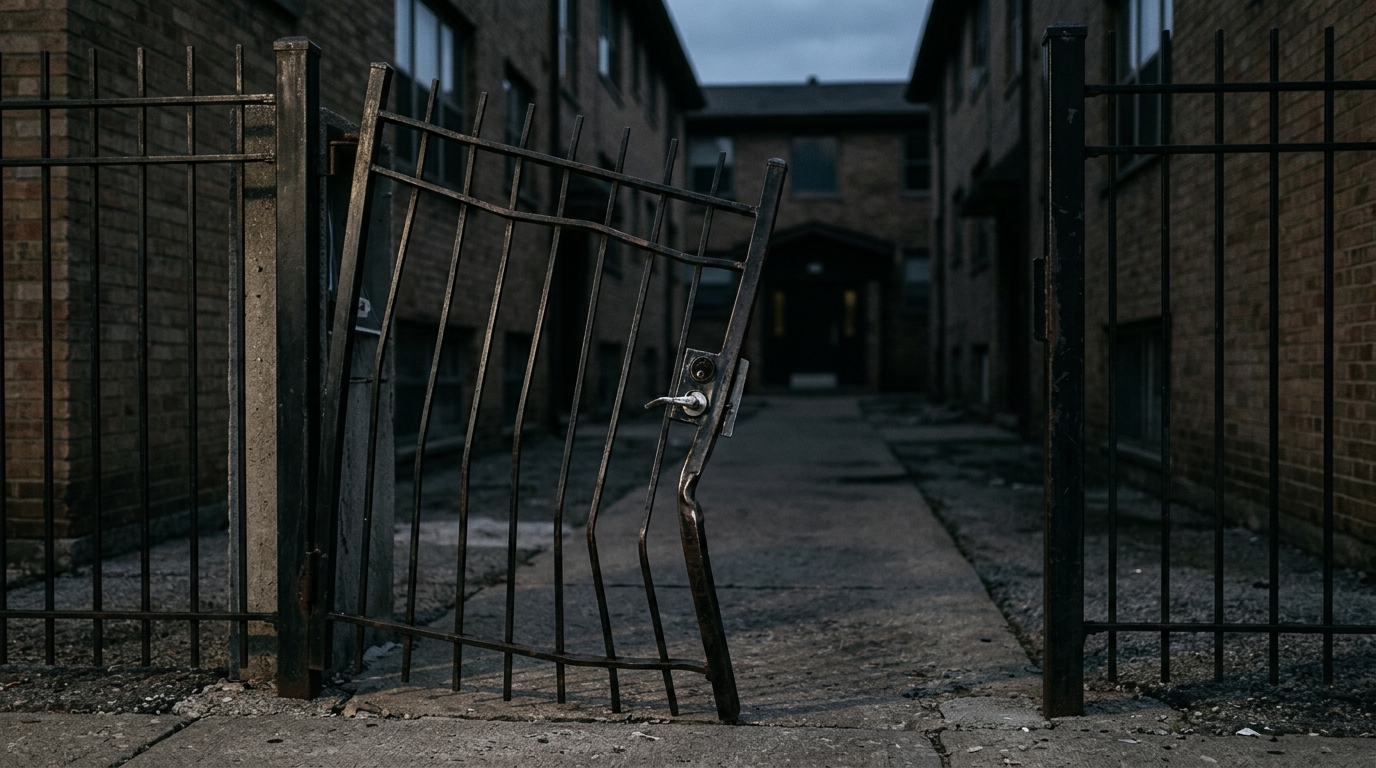
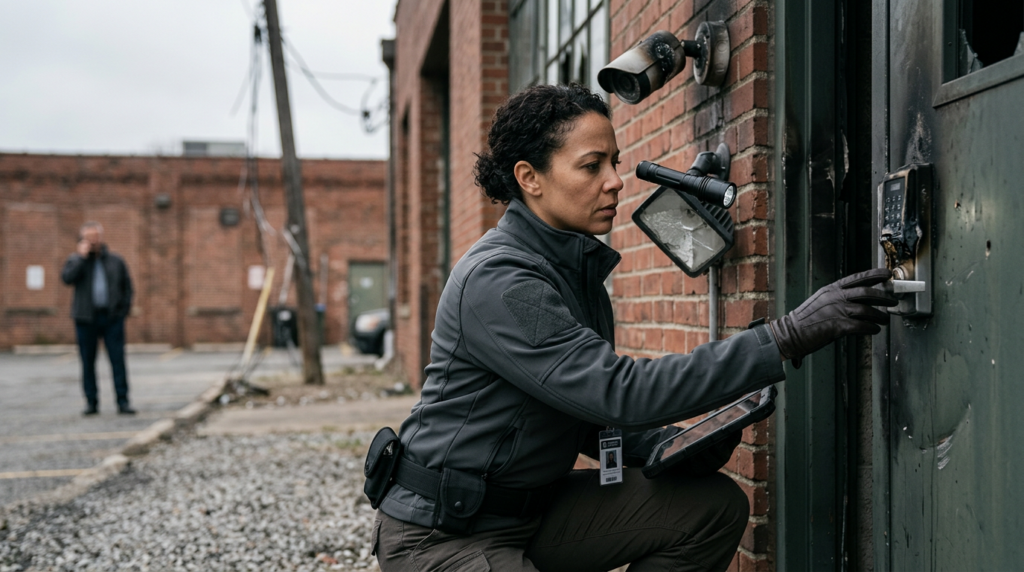
Reasonable security looks different in each setting. It can mean working locks and gates. It can mean good lighting in walkways, stairwells, and parking areas. It can mean functioning cameras. In some places, it can mean security guards.
When an owner ignores broken locks, dark corners, or a history of crime, later violence can become foreseeable. “Foreseeable” simply means the owner knew, or should have known, that violence was likely. If the owner had that warning and did nothing, that failure can make them partly responsible for your injuries.
This kind of claim has a legal name: negligent security. You don’t need to know that term to have a case. You only need to have been hurt because a property wasn’t kept reasonably safe. Our guide to negligent security claims explains more about how property owners can be held accountable.
Why Burns From an Attack Are Catastrophic, Life-Altering Injuries
Severe burns are treated as catastrophic because they cause permanent harm that changes the rest of a person’s life. These are not minor injuries that heal in a week.
Deep second-degree, third-degree, and fourth-degree burns destroy skin, nerves, and deeper tissue. As the Mayo Clinic explains, serious burn injuries cause lasting loss of function when nerves and tissue are damaged. Chemical and acid burns cause deep, lasting damage. Breathing in smoke or fumes during a fire can injure the lungs and airway.
The road back is long. It often means emergency care, skin grafts, and repeated surgeries. Infection is a constant risk. Rehabilitation can take months or years. The emotional weight of surviving a violent attack is real, and mental-health care is part of true recovery.
When a burn injury takes a life, the family may be able to bring a wrongful-death claim. A death is the most catastrophic outcome there is. If you’ve lost someone this way, our wrongful death claims page explains what your family can do next.
Have questions about what happened?
Ask our team directly. The first conversation is free, confidential, and there is no obligation to continue.
Who Might Be Legally Responsible in a Burn-From-Attack Case
More than one party can share fault in a burn-from-attack case. A premises liability claim against the property owner is separate from the criminal case against the attacker.
Here’s who may be responsible:
- The person who committed the attack. They face both criminal charges and civil responsibility for the harm they caused.
- The property owner. They may be at fault for failing to provide reasonable security.
- The property manager or management company. These are often the people who ignore complaints or skip repairs.
- A security company hired for the property. If guards were hired but did their job poorly, that company may share fault.
The criminal case and your civil claim run on separate tracks. A prosecutor handles the criminal case to punish the attacker. Your civil claim seeks to hold negligent parties accountable and to recover the cost of your care and losses. You can pursue a civil claim even if the attacker is never caught or convicted.
What Helps Prove That the Owner Failed to Keep the Property Safe
Strong evidence usually shows two things: the property wasn’t kept reasonably safe, and the danger was foreseeable. In the catastrophic-injury cases we handle, this evidence often includes the following.
A history of prior crimes matters most. Police calls, past complaints, and earlier incidents at or near the property can show the owner had warning. Evidence of broken or missing security also helps. Think of unlit areas, disabled cameras, propped-open gates, or missing guards where they were expected.
Other useful proof includes:
- Incident reports and police records from your attack
- Photographs of the property’s condition
- Statements from witnesses and neighbors
- Medical records showing how severe and permanent the burn injury is
Timing matters. Security footage often gets erased in days or weeks. Broken locks get fixed. Lighting gets repaired. That’s why acting relatively soon can protect key evidence.
Florida also sets a time limit. Under Fla. Stat. §95.11, the deadline to file most injury claims is generally two years for claims that arose on or after March 24, 2023. Missing that deadline can end a valid claim before it starts.
Practical Steps You Can Take Now
The most important step is to get and follow your medical care. Everything else can wait until you’re stable. Once you can, a few simple actions help protect your rights.
Keep your documents together. Save hospital records, the police report number, and any messages with the property or its managers. Write down what you remember about the property’s condition while it’s fresh. Was the lighting out? Were gates broken? Were cameras working? Were guards present?
Be careful with insurers. You don’t have to give a recorded statement right away. You don’t have to sign anything you don’t understand. Early offers rarely reflect the true cost of catastrophic burn care.
You can also ask a personal injury attorney to review what happened at no cost. A review helps you understand your options before any deadline passes.
Talk With a Catastrophic-Injury Lawyer About What Happened
If you were burned in an assault on someone else’s property, you can talk with a lawyer for free about what happened next. There’s no cost and no pressure.
CHG Personal Injury Lawyers is a Florida-based firm that handles catastrophic injury cases nationwide. We offer help in English and Spanish. Every case is different, and no one can promise a result. But a confidential case evaluation can help you understand whether the property owner may share the blame and what your options are.
You can request a free case evaluation whenever you’re ready.
Want to know where you stand?
Tell us what happened and our team will walk you through the options available to you, at no cost.
Frequently Asked Questions
Can I sue the property owner if I was burned in an assault on someone else’s property?
Yes, you may be able to. If the owner failed to provide reasonable security and violence was foreseeable, the owner can share legal responsibility along with the attacker.
What does “negligent security” mean in plain language?
It means a property owner failed to take reasonable steps to keep people safe, like working locks, lighting, cameras, or guards. That failure can make the owner partly responsible when a foreseeable attack happens.
Is my claim against the owner separate from the criminal case against the attacker?
Yes. The criminal case punishes the attacker, while your civil claim seeks accountability and compensation. You can pursue a civil claim even if the attacker is never caught.
How long do I have to file a burn-injury claim in Florida?
Under Fla. Stat. §95.11, most injury claims must be filed within about two years for claims arising on or after March 24, 2023. It’s best to ask a lawyer early so you don’t miss the deadline.
What if I was partly at fault — can I still recover anything?
Possibly. Under Fla. Stat. §768.81, Florida uses modified comparative fault, so a person found more than 50% at fault generally recovers nothing.
Can my family file a claim if a loved one died from burns suffered in an attack?
Yes. Florida law allows certain family members to bring a wrongful-death claim when a loved one dies from injuries caused by another party’s negligence. Assault injury compensation is available to families in these tragic situations.
Your Attacker Is Not Your Only Option
Many people assume they can only pursue the person who attacked them. But if the property owner knew or should have known violence was a real risk—and failed to provide working locks, adequate lighting, cameras, or security personnel—the owner can share legal responsibility. This is called negligent security, and it's a separate claim from any criminal case.
What Negligent Security Means in Plain Language
The Owner's Duty
Property owners have a legal responsibility to take reasonable steps to protect visitors and tenants from foreseeable harm—including violent crime. That means working locks, adequate lighting, functional gates or barriers, security cameras, and sometimes security personnel.
Foreseeable Risk
If the property had a history of crime, is located in a high-crime area, or is the type of place where violence is known to occur (parking garages, apartment complexes, hotels, bars), the owner should have anticipated the danger.
Failure to Act
When an owner knows the risk but doesn't provide reasonable security—broken locks, no lighting, no cameras, no guards—and someone is attacked as a result, the owner may be legally liable for the injuries that follow.
Your Right to Recover
You can pursue a claim against the property owner separately from any criminal prosecution of the attacker. The owner's insurance may cover your medical bills, lost wages, pain and suffering, and other damages.
Why Property Owners Can Be Held Responsible
Legal Duty to Protect
Florida law holds property owners accountable when they fail to maintain reasonable security measures that could prevent foreseeable violence.
Foreseeability Matters
If prior crimes occurred on the property or in the area, the owner cannot claim surprise. They should have taken steps to prevent what was predictable.
Evidence Is Crucial
Security records, prior police reports, maintenance logs, and witness statements all help prove what the owner knew and what they failed to do.
Separate from Criminal Justice
Your civil claim against the property owner is independent of any criminal case. You don't need a conviction to pursue compensation.
Steps to Take After a Burn Injury from an Assault
Seek Medical Care Immediately
Burn injuries require urgent treatment. Document all medical visits, treatments, and diagnoses. Keep records of every bill and receipt.
Report the Incident
File a police report and get a copy. Report the assault to the property owner or manager in writing. Take photos of the scene, lighting, security cameras, and any broken locks or barriers.
Preserve Evidence
Photograph your injuries as they heal. Save all medical records, prescriptions, and receipts. Write down details while fresh: what happened, who was present, what security measures (or lack thereof) you observed.
Consult an Attorney
Contact a law firm that focuses exclusively on catastrophic injury claims. An attorney can investigate the property's security history, identify liable parties, and pursue the compensation you deserve.
Burn Injuries Are Catastrophic
Burns cause severe pain, permanent scarring, functional impairment, and emotional trauma. Treatment is long and costly. If your burn injury resulted from an assault on a property with inadequate security, the owner's negligence contributed to your harm. You should not bear that cost alone.
Why CHG Personal Injury Lawyers
Focused on Catastrophic Injury
We focus exclusively on severe, life-altering injuries—including burn injuries from violence and negligent security failures. We understand the physical, emotional, and financial toll.
Thorough Investigation
We investigate the property's security history, prior incidents, maintenance records, and the owner's knowledge of foreseeable risk. We build a strong case on evidence, not assumptions.
Clear Communication
We explain your rights and options in plain language. You'll understand what we're doing, why, and what to expect at each step.
No Attorney’s Fees Unless There Is a Recovery
We work on contingency. You pay nothing upfront, and we only collect a fee if we recover compensation for you.
Common Questions
Can I sue the property owner if I was burned in an assault?
Yes, if the owner failed to provide reasonable security and the violence was foreseeable. The owner can share legal responsibility along with the attacker.
What if I don't know if the property had prior crimes?
We investigate. Police records, incident reports, and public data often reveal a pattern of crime. We also interview witnesses and examine the property's security measures.
How long do I have to file a claim?
Time limits apply. Contact us as soon as possible so we can protect your rights and gather evidence while it's fresh.
What damages can I recover?
Medical expenses, lost wages, pain and suffering, scarring and disfigurement, future medical care, and other losses caused by the owner's negligence.