

Florida Personal Injury | Negligent Security
Burned in an Attack on Someone Else's Property? You May Have Options.
If you were assaulted and burned on an apartment complex, parking garage, hotel, or other business property because the owner failed to provide reasonable security, CHG Personal Injury Lawyers can review what happened and explain your options under Florida law.
By CHG Lawyers · Published October 12, 2026
Burn Injury From an Assault on Someone Else’s Property: Your Rights After an Attack
If someone attacked you and left you with serious burns on someone else’s property, Florida law addresses how fault is weighed. In an action for damages against the owner, lessor, operator, or manager of commercial or real property brought by a person lawfully on the property who was injured by the criminal act of a third party, the trier of fact must consider the fault of all persons who contributed to the injury (Fla. Stat. § 768.0701). But the owner of the apartment complex, parking garage, hotel, or store may also share legal blame. This is true if unsafe conditions helped the attack happen.
This page is for people who were attacked and badly burned somewhere that should have been safer. It is also for families who lost a loved one this way. We explain your rights in plain language. We only use legal terms after we describe what happened to you.

Not sure what your next step is?
Talk it through with our team — the first consultation is free, confidential, and carries no obligation.
First, the thing no one else says clearly
You are not to blame for being attacked. Survivors often replay the moment and ask what they could have done differently. You parked where you always park. You walked to your own front door. You stopped for gas. But a criminal chose to hurt you. Nothing you did invited that. Shame is a normal reaction to trauma, not a sign you did anything wrong.
This matters legally, too. Florida uses a shared-fault rule (more on that below). Insurance companies sometimes try to blame the victim to pay less. So understand this from the start: the fault sits with the attacker. It may also sit with a property owner who failed to protect you. Knowing this helps you push back.
Quick summary: what you need to know
- A severe burn from an assault is a catastrophic, permanent, life-altering injury — not a minor wound.
- When a person lawfully on commercial or real property is injured by a third party’s criminal act and brings an action for damages against the owner, lessor, operator, or manager, Florida law says the trier of fact must consider the fault of all persons who contributed to the injury (Fla. Stat. § 768.0701).
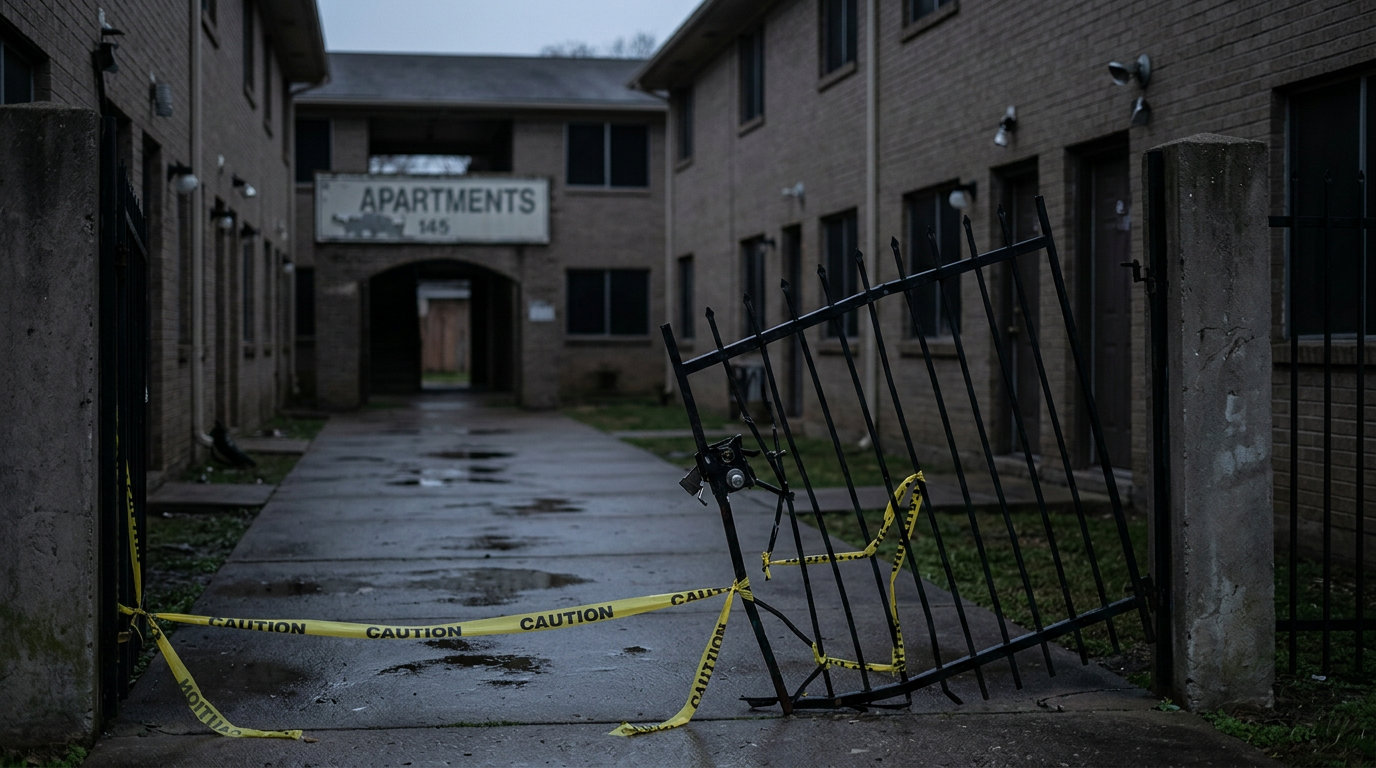
- The property owner may be responsible if poor security helped the attack happen. Think broken locks or gates, dark walkways, missing or dead cameras, or no guards where the risk called for them.
- Your civil claim can move forward even if the attacker is never caught.
- In Florida, strict deadlines apply to injury claims, and for many claims the deadline to file is as short as two years.
- When a death is caused by someone else’s negligence, Florida law may allow a wrongful-death claim on behalf of the surviving family.
- Our case evaluations are free and available in English and Spanish.
What happened to you: burned during an assault on someone else’s property
You went somewhere ordinary. An apartment complex. A parking lot. A hotel hallway. A gas station at night. Then someone attacked you. Maybe they threw a flammable liquid on you. Maybe they burned you with a chemical or set a fire. You were left with serious, painful burns that may never fully heal.
These attacks happen in places that feel routine but are poorly protected:
- Apartment complexes and their parking areas
- Parking lots and parking garages
- Hotels and motels
- Bars and nightclubs
- Gas stations and convenience stores
- ATMs and store entrances
This page covers serious, permanent burns. For a full overview of burn types and treatment, see our severe burn injuries resource.
Two people may be responsible for a burn injury from assault on property
The attacker is responsible for the crime. But attackers are often never caught. Even when they are, most cannot pay for a lifetime of medical bills. So blaming only the attacker often leaves survivors with nothing.
That is why the property owner matters. Say the owner of the place where you were attacked failed to keep it reasonably safe. Then they may share the blame. The legal name for this is negligent security. It is a type of premises liability claim. In plain terms, it means the owner didn’t provide the reasonable protection people expected.
Your civil injury claim is separate from any criminal case. The criminal case punishes the attacker. Your civil claim seeks money to help you recover and rebuild. One does not replace the other.
When is a property owner legally responsible for an assault?
Whether a property owner may be responsible depends on the facts of each situation. That means reasonable security could have prevented it. The law doesn’t expect owners to stop every crime.
Foreseeability: was there warning?
The biggest factor is often foreseeability. Say crime happened before on or near the property. A pattern of assaults, robberies, or violence in the same parking lot or building puts the owner on alert. Ignoring that danger can make them responsible.
In 2023, Florida changed its negligent-security law. Under Fla. Stat. §768.0706, owners of multi-family homes (like apartment complexes) can get a presumption against liability. This applies if they meet a set checklist of security measures. The checklist includes certain lighting, locks, and camera requirements. A presumption against liability means the owner is assumed not at fault unless proven otherwise. This makes evidence of the security that actually existed — and what was missing — more important than ever.
Reasonable security the owner should have provided
Basic measures that lower the risk of violent crime include:
- Working locks, gates, and secure entry points
- Adequate lighting in walkways, lots, and stairwells
- Functioning security cameras
- Security guards or patrols where the risk calls for it
When an owner skips these steps and someone is attacked and burned, the missing security may be part of the cause.
How negligent-security claims are proven
The details of what happened on the property matter. In general, a negligent-security claim must show all four of these elements. Being hurt on the property is not enough on its own.
- Duty — The owner or manager owed you a duty to use reasonable care to keep the property reasonably safe, because you were lawfully there.
- Breach — The owner failed to provide reasonable security, such as working locks and gates, lighting, cameras, or guards, given the risks they knew or should have known about.
- Causation — That failure helped cause the attack and your injuries. In plain terms, reasonable security likely would have prevented or deterred the attack.
- Harm — You suffered real injuries as a result.
Records of prior crime often make the difference. So do police call histories for the address, maintenance logs, and camera footage. That is why acting before that evidence disappears matters.
Have questions about what happened?
Ask our team directly. The first conversation is free, confidential, and there is no obligation to continue.
Why a burn from an assault is treated as a catastrophic injury
Severe burns cause deep, permanent damage to skin, nerves, muscle, and sometimes bone. Burn severity is often described by degree, as Mayo Clinic explains:
- Second-degree burns damage deeper skin layers and can blister and scar.
- Third-degree burns destroy the full thickness of the skin. They often need surgery and skin grafts.
- Fourth-degree burns reach into muscle and bone and can lead to amputation.
Assaults can involve several types of burns. Chemical burns from acids or caustic substances keep damaging tissue until fully removed. Attacks with an accelerant like gasoline can cause fast, widespread burns. When fire or smoke is involved, victims may suffer an inhalation or airway injury. Electrical burns can cause hidden internal damage.
According to the American Burn Association, severe burns often require care at a specialized burn center. They can involve repeated surgeries, skin grafts, and long-term rehabilitation. Burns to the face, hands, and other visible areas frequently mean permanent scarring and disfigurement. Beyond the physical toll, survivors face nerve damage, repeated procedures, and deep emotional trauma. These are exactly the life-altering harms this firm focuses on.
When a burn injury is fatal: the family’s rights
Some burn injuries prove fatal despite the best care. This is especially true with airway or inhalation involvement, or with infection. A death is the most catastrophic outcome there is. This section is written for the family left behind.
Say your loved one died from burn injuries after an attack. Then Florida’s Wrongful Death Act may allow the family to bring a claim. This claim would be against a property owner whose poor security helped make the attack possible. It can seek compensation for medical and funeral expenses, lost support and services, and the family’s loss of companionship. We handle these cases with care, centered on your family and what you can do next. Learn more about wrongful-death claims.
Compensation that may be available
There is no set or guaranteed amount. Value depends on the specific facts. Damages often include:
- Medical care, including future surgeries, skin grafts, and reconstruction
- Lost income and reduced ability to earn in the future
- Pain and suffering, including physical pain and emotional distress
- Disfigurement and scarring, especially in visible areas
Recovery often comes from the property owner’s insurance. Apartment complexes, hotels, and businesses usually carry commercial liability coverage. We identify every possible source of recovery. That way you aren’t left carrying costs a negligent owner should bear.
Common defenses — and how they’re addressed
- “The attack wasn’t foreseeable.” We answer with records of prior crime on or near the property and police call histories.
- “Only the attacker is to blame.” Florida law can still hold an owner partly responsible for failing to provide reasonable security.
- “Our security was adequate.” We test that claim with incident reports, maintenance records, and witness statements.
Florida follows a modified comparative-fault rule. Comparative fault means blame can be shared between parties (Fla. Stat. § 768.81(6)). A person found more than 50% at fault generally recovers nothing. That is one reason strong evidence matters so much. So does rejecting attempts to blame the victim.
What to do after an assault that left you with severe burns
- Get medical care and keep going to follow-up visits. Your records document the severity of your burns.
- Report the crime. Keep a copy of the police report or any incident report the property made.
- Note the security conditions. Was it dark? Were gates broken? Were cameras missing or off? Write down what you remember.
- Gather witness contacts if you safely can.
- Watch the clock. Time limits apply, and camera footage can be overwritten in days. Contact a lawyer early.
We help catastrophic burn survivors in Miami, Orlando, Tampa, Jacksonville, and communities across Florida. We represent clients throughout Florida. We serve clients in English and Spanish. Your case evaluation is free.
Frequently asked questions
How much compensation can I get for a burn injury from an assault?
There is no guaranteed amount, because every case is different. Value depends on the severity of your burns, your medical needs, lost income, and the available insurance.
Can the property owner be held responsible if I was attacked and burned on their property?
Yes, possibly. Say the owner failed to provide reasonable security and the attack was foreseeable. Then they may share legal responsibility along with the attacker.
Was it my fault for being where I was attacked?
No. A criminal chose to hurt you. Where you were — your apartment, a parking lot, a store — does not make you responsible for someone else’s violence.
What if my family member died from their burns?
The family may be able to bring a wrongful-death claim under Florida’s Wrongful Death Act. We handle these cases with care and can explain your options in a free evaluation.
How long do I have to file a burn injury claim in Florida?
Florida sets strict filing deadlines, and many injury claims must be filed within two years (Fla. Stat. § 95.11(5)(a)). Talk to a lawyer promptly to protect your rights.
Do you help people who speak Spanish?
Yes. We provide services in English and Spanish, and we represent clients throughout Florida.

Want to know where you stand?
Tell us what happened and our team will walk you through the options available to you, at no cost.
Talk with a burn injury lawyer about your rights
Say you or someone you love suffered a burn injury from an assault on property that should have been safer. You don’t have to face this alone. You didn’t cause the attack. You shouldn’t carry the cost of someone else’s failure to keep you safe.
Our team will listen. We will explain your options in plain language. We will help you understand who may be responsible. We can’t promise a specific outcome — no honest lawyer can. But we can give you clear, straightforward answers.
Contact us for a free case evaluation. To learn more, visit our severe burn injuries resource or our overview of negligent security claims.
How CHG Personal Injury Lawyers Can Help
Review Your Situation
We look at how the attack happened, what security the property had, and what medical care you have needed since the burn injury.
Hold the Property Owner Accountable
When an owner fails to provide working locks, gates, lighting, cameras, or guards, we investigate whether that failure contributed to your injuries.
Focus on Your Recovery
Burn injuries can require long treatment and lasting care. We work to account for your medical needs, lost income, and the impact on your family.
No Fees Unless There Is a Recovery
CHG charges no attorney's fees and no case costs unless there is a recovery.
Important: Get Medical Care and Preserve Evidence
Burn injuries can change or worsen over the following days and weeks. Seek medical treatment right away, keep every bill and record, and report the attack to police. Speak with a lawyer before giving any recorded statement to an insurance company.
Steps to Take After a Burn Injury From an Attack
Get Medical Care
Your health comes first. Tell every provider how the burn happened so your records are complete and accurate.
Report the Attack
File a police report and write down the report number, the officer's name, and any case details you are given.
Document the Scene
If you are able, photograph the area, broken or missing locks, dark lighting, gates, and camera locations. Note prior incidents you know about.
Contact a Florida Firm
Reach out to CHG Personal Injury Lawyers to discuss what happened. We can explain the process and answer your questions at no cost to you.