

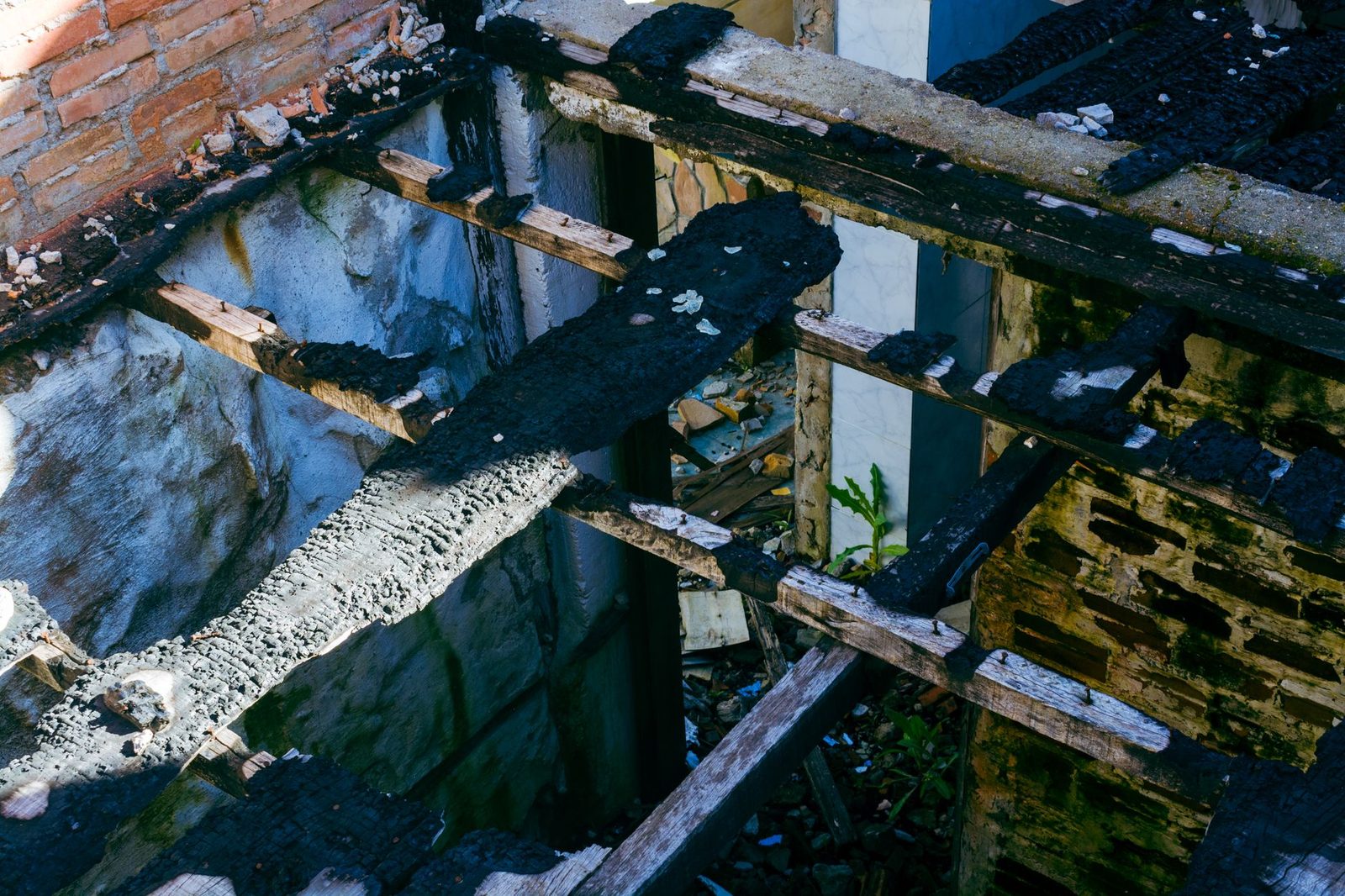
Burn Injury | Negligent Security
Burned in an Attack on Unsafe Property? You May Have a Claim Against the Owner
When a property owner fails to provide reasonable security, and you are attacked and burned as a result, you have the right to pursue compensation from that owner—separate from any criminal case.
By CHG Lawyers · Published September 21, 2026
Burned in an Attack on Unsafe Property? When the Owner May Share the Blame
You were attacked on someone else’s property—an apartment complex, a parking lot, a hotel, a gas station, a bar. And you were burned.
The attacker caused the immediate harm. But here’s what many people don’t realize: the property owner may also be legally responsible for your burn injury because they failed to provide reasonable security.
This is called negligent security or premises liability. It’s a separate legal claim from any criminal case. It’s how property owners are held accountable for their own failures to protect people on their property.
This page explains when an owner may be liable, what evidence you need, and what to do right now.
If you or someone you care for was burned during an attack on a property that failed to protect them, you may have a claim against the owner. Talk it through with our team — the first consultation is free, confidential, and carries no obligation.
You Were Attacked Because the Property Owner Failed to Protect You
The person who attacked and burned you committed a crime. They may face criminal charges. But the property owner may still bear responsibility.
Property owners have a legal duty under Florida law to keep their premises reasonably safe. “Foreseeable” doesn’t mean the owner predicted your exact attack. It means the owner knew (or should have known) that violent crime was possible there—because it had happened before or because security was obviously inadequate—and did nothing.
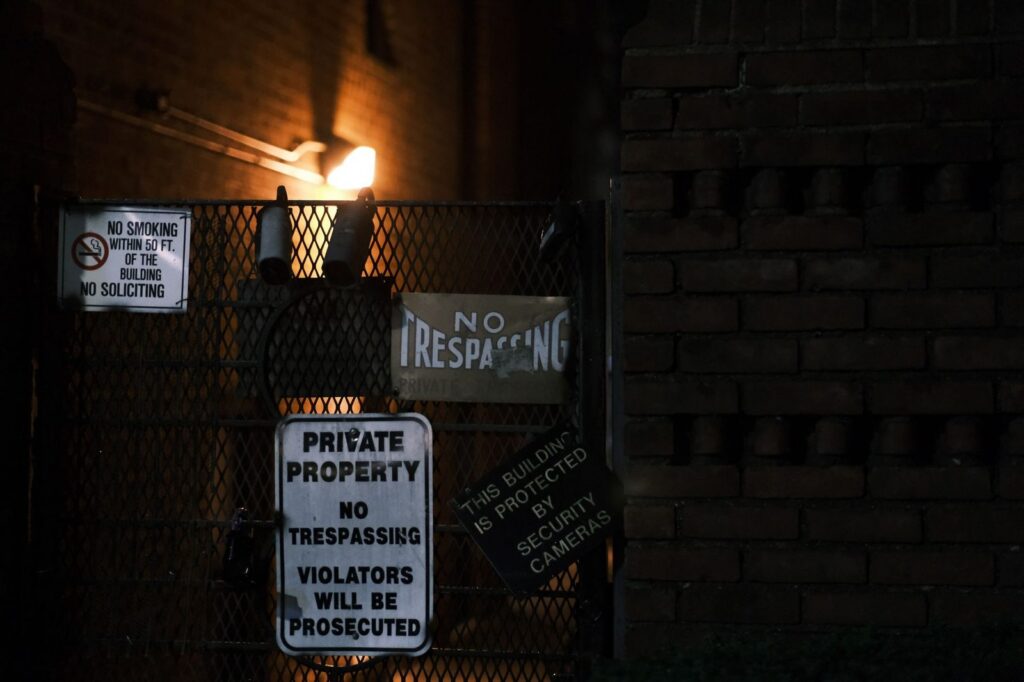
In catastrophic burn-injury cases, inadequate security is often the critical factor. It allowed the attacker access or opportunity. Broken locks. Poor lighting. No cameras. No trained staff. A history of violent incidents the owner ignored.
This is not about blaming the owner for the attacker’s actions. It’s about holding the owner accountable for their own negligence—their failure to take reasonable steps to protect people on their property.
What Negligent Security Means in Plain Language
Negligent security means a property owner knew (or should have known) their property had security problems. They failed to fix them—even though reasonable measures would have prevented or deterred the attack.
Reasonable security includes:
- Working locks and gates on entry points
- Adequate lighting in parking areas, hallways, and common spaces
- Security cameras with recording capability
- Trained staff or security personnel
- Access controls (key cards, intercoms, visitor logs)
- Regular patrols or monitoring
Property owners know their locations. They know whether crimes happened there before. They know whether their security works. They have a duty to act on that knowledge.
When an attacker burned you on the property, and the owner knew (or should have known) of security risks, the owner may be liable for your injuries.
Burn Injuries From Negligent Security: A Distinct Harm
Most burn-injury content focuses on workplace fires or household accidents. But burn injuries from criminal attacks on inadequately secured property represent a specific category of harm—one where the property owner’s negligence directly enabled the attacker’s access and opportunity.
Thermal burns from assault weapons (accelerants, lighters, or ignition devices used in attacks) often cause deep tissue damage, requiring multiple surgical interventions. Burn centers classify severity by percentage of total body surface area affected (TBSA). Burns exceeding 20% TBSA in adults typically require hospitalization and specialized burn care. Scarring, contractures (permanent tightening of skin and tissue), and loss of function are common long-term outcomes.
When that burn occurred because the property owner failed to secure the premises—failed to install working locks, adequate lighting, or security monitoring that would have prevented the attacker’s access—the owner’s negligence is the bridge between the security failure and your catastrophic injury.
How Property Owners Can Be Held Liable for Burn Injuries From Negligent Security
A property owner’s liability typically rests on these elements:
Prior knowledge of risk. The owner knew or should have known of prior criminal activity or security problems. This includes previous assaults, robberies, or violent incidents reported to police or documented in incident logs. Public records requests often reveal a pattern the owner ignored.
Failure to maintain security. Despite that knowledge, the owner failed to install or maintain basic security measures—lighting, locks, cameras, guards, or trained staff.
Security gaps enabled the attack. The attacker exploited those gaps to gain access or carry out the assault without interference.
Your burn injury resulted. You were burned as a direct result of the attack that the owner’s negligence made possible.
Catastrophic harm. Your burn injury is severe and permanent, causing ongoing medical treatment, scarring, disability, or other life-altering effects.
Under Florida Statutes § 768.81 (comparative fault), you may recover damages even if the attacker also bears responsibility. The property owner’s negligence and the attacker’s criminal act are separate wrongs.
Where Negligent Security Leads to Burn Injuries
We see negligent security claims arise from burn injuries in predictable settings:
- Apartment complexes with broken locks, poor lighting, or no security—where residents and guests expect controlled access
- Parking lots and garages with inadequate lighting, no cameras, or no attendants—where attackers operate under cover of darkness
- Hotels and motels with weak entry controls or insufficient staff training—where transient populations and limited oversight create opportunity
- Bars, nightclubs, and restaurants with untrained or absent security—where alcohol and crowds increase risk
- Gas stations and convenience stores with no cameras or security measures—open 24 hours with minimal staffing
- Retail stores and shopping centers with minimal security presence
- ATM locations with poor visibility and no protective barriers
In each setting, the owner had the ability to prevent or deter the attack through reasonable security. When they didn’t, and you were burned, they may be liable.
Not sure what your next step is?
Talk it through with our team — the first consultation is free, confidential, and carries no obligation.
Your Civil Claim Against the Owner Is Separate From the Criminal Case
This confuses many injured people and families. If the attacker is prosecuted, that is a criminal case brought by the state. It does not compensate you for your injuries. The state’s goal is to punish the offender, not to make you whole.
Your civil claim against the property owner is separate. It holds the owner accountable for their negligence. You do not need the attacker to be convicted for a valid claim against the owner. Even if the attacker is never caught, the owner’s failure to provide reasonable security can still be the basis for a claim.
Many injured people wait for a criminal conviction that may never come. Don’t wait. Your civil claim stands on its own and often moves faster.
What Damages Can You Recover
Burn injuries are catastrophic. Damages reflect that severity:
Medical expenses. Emergency care, surgery, wound care, skin grafts, reconstructive procedures, and ongoing treatment. Burn injuries require extensive medical intervention over months or years.
Pain and suffering. Compensation for physical pain, emotional trauma, and psychological impact of the burn and attack.
Scarring and disfigurement. Damages for permanent visible scarring and the emotional toll. Many burn survivors struggle with body image, social reintegration, and employment discrimination.
Disability and loss of function. Compensation if the burn limits your ability to work, move, perform daily activities, or engage in activities you enjoyed.
Lost wages. Income you lost during recovery and ongoing lost earning capacity if the injury prevents you from returning to work.
Future medical care. Costs for long-term treatment, therapy, or reconstructive surgery as your injury evolves.
The goal is to restore you to the position you would have been in if the attack had not occurred. Damages come as close as money can.
How to Strengthen Your Negligent Security Claim: What Evidence You Need
Evidence is everything. Here’s what to gather and preserve:
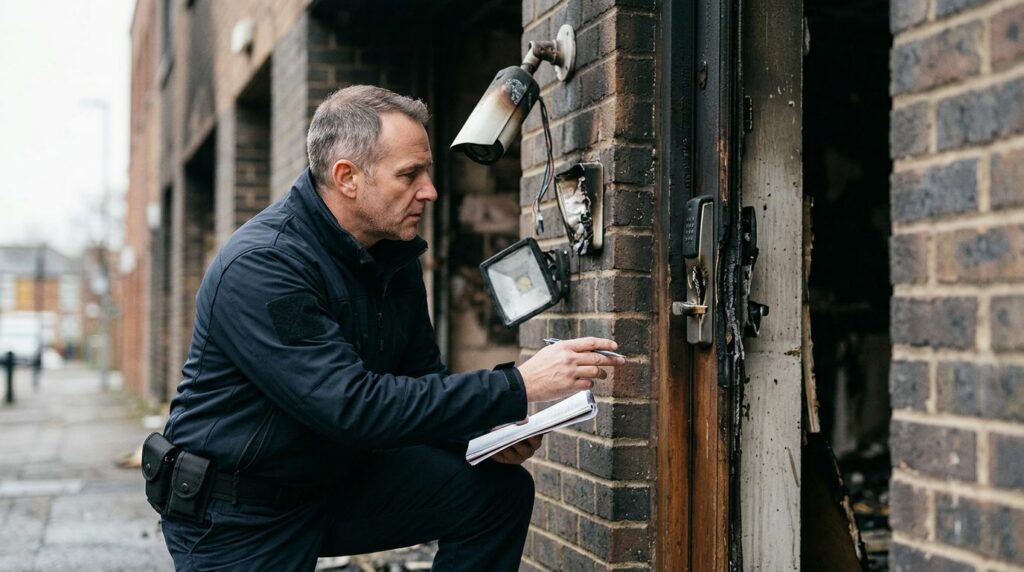
Document the scene. Take photographs of the property’s security (or lack thereof)—lighting, locks, cameras, entry points, and visible security failures. Note the date, time, and condition.
Gather evidence of prior incidents. Obtain police reports, complaints, or news articles about other crimes at the location. Prior incidents prove the owner should have known of the risk. File a public records request for incident reports under Florida’s Public Records Law.
Preserve medical records. Keep all documentation of your burn injury, treatment, prognosis, and ongoing care. These records prove severity and permanence.
Collect witness statements. Get contact information and written statements from anyone who saw the attack or observed the property’s security conditions.
Obtain security footage. Request any available video from the property’s cameras. Footage can show the attacker’s access and the absence of security response. Act quickly—most systems overwrite footage within 30 to 60 days.
Keep records of your recovery. Take photos of healing wounds, save medical bills, keep therapy notes, and document any impact on your daily life and work.
Report the incident. File a police report and notify the property owner in writing of the attack and your injuries. Written notice creates a record.
Time Limits: Don’t Delay
In Florida, the statute of limitations for personal injury claims is generally two years from the date of injury. Other states have different deadlines, some shorter and some longer.
Acting quickly preserves evidence. It keeps witnesses’ memories fresh. It ensures you meet all legal deadlines. Evidence degrades. Witnesses move or forget details. Security footage is often deleted after 30 or 60 days.
Do not delay. Contact an attorney as soon as possible after your burn injury to protect your rights and gather evidence while available.
Have questions about what happened?
Ask our team directly. The first conversation is free, confidential, and there is no obligation to continue.
What to Do Right Now
1. Seek immediate medical attention if you have not already. Burn injuries require urgent care and proper documentation.
2. Report the attack to law enforcement and obtain a copy of the police report. This creates an official record.
3. Notify the property owner or manager in writing of the incident and your injuries. Send via certified mail and keep a copy.
4. Take photographs of the property’s security conditions, your injuries, and any visible scars. Date each photo.
5. Gather contact information for any witnesses to the attack or who observed the property’s security.
6. Keep all medical records, bills, and documentation of your treatment and recovery. Do not discard anything.
7. Do not sign any documents or agree to any settlement without speaking to an attorney first. Insurance adjusters may contact you quickly with low offers.
8. Reach out to a law firm that focuses exclusively on catastrophic burn injuries and negligent security claims. You need attorneys who understand both the medical complexity of severe burns and the legal framework of premises liability.
FAQ
Can I sue the property owner if the attacker was never caught?
Yes. Your claim against the property owner is based on their negligence in failing to provide reasonable security—not on whether the attacker was prosecuted. The two cases are separate.
Do I need to wait for the criminal case to finish before filing a civil claim?
No. Your civil claim can proceed independently and often much faster than a criminal case. Filing early preserves evidence and protects your legal rights.
How long do I have to file a negligent security claim in Florida?
In Florida, you generally have two years from the date of injury to file a lawsuit. Other states have different deadlines. Don’t wait.
What if the property owner says they didn’t know about prior crimes?
“Should have known” is part of the legal standard. An attorney can investigate prior incidents, police records, and industry standards for that property type to prove the owner should have been aware of the risk.
Can I recover damages if I was partially at fault for being on the property?
Yes. Under comparative fault law, you can recover damages even if you bear some responsibility (Fla. Stat. § 768.81(6)). Your recovery may be reduced by your percentage of fault, but you’re not barred from suing.
If you or someone you care for was burned during an attack on a property that failed to protect them, you may have a claim against the owner. People in that situation can reach out to us to understand what comes next.
Contact us for a free case evaluation to discuss your specific circumstances with an attorney who focuses exclusively on catastrophic burn injuries and negligent security lawsuits.
Why Property Owners Can Be Held Responsible
Duty to Provide Reasonable Security
Property owners have a legal obligation to maintain working locks, adequate lighting, functioning cameras, and other reasonable security measures to protect visitors and tenants from foreseeable harm.
Your Claim Is Separate From Criminal Prosecution
You can pursue a civil claim against the property owner even if the attacker was never caught or prosecuted. The owner's negligence in failing to secure the property is a separate legal matter.
Act Promptly to Preserve Evidence
Security footage, maintenance records, prior incident reports, and witness statements fade or disappear over time. Early action protects your ability to build a strong claim.
Compensation for Your Recovery
Burns cause severe pain, scarring, infection risk, and long-term medical care. You may recover damages for medical expenses, lost wages, pain and suffering, and ongoing treatment.
Do Not Wait for the Criminal Case to Finish
Your civil claim against the property owner can move forward independently of any criminal investigation or prosecution. Delays in the criminal case will not delay your ability to seek compensation.
Common Questions About Burn Injuries From Attacks on Unsafe Property
Can I sue the property owner if the attacker was never caught?
Yes. Your claim against the property owner is based on their negligence in failing to provide reasonable security—not on whether the attacker was prosecuted. The two cases are separate.
Do I need to wait for the criminal case to finish before filing a civil claim?
No. Your civil claim can proceed independently. In fact, waiting may harm your case because evidence—security footage, witness memories, and maintenance records—can disappear.
What types of properties can be held liable?
Apartment complexes, parking lots and garages, hotels and motels, bars and nightclubs, gas stations, stores, ATMs, and other commercial or residential properties all have a duty to provide reasonable security.
What damages can I recover?
You may recover compensation for medical treatment and ongoing care, lost wages and lost earning capacity, pain and suffering, scarring and disfigurement, emotional distress, and other losses tied to your injury.