

Severe Burn Injuries
Burn Degrees Explained: First, Second, Third & Fourth
Understanding burn severity, healing timelines, and what catastrophic burns mean for your recovery and legal options.
Burn Degrees Explained: First, Second, Third & Fourth Degree Burns
Burns are classified into four degrees based on how deeply heat or flame penetrates the skin and underlying tissue. The degree generally indicates how severe the burn is and may be relevant to how long healing takes and whether scarring or disability may result, depending on the facts of each case.
Understanding burn degrees may be helpful because burn depth may be relevant to treatment, recovery time, infection risk, and long-term outcomes, which vary depending on the facts of each case. If you or a loved one has sustained a severe burn, knowing the degree classification helps explain what to expect—and whether someone else’s negligence may be responsible.
Not sure what your next step is?
Talk it through with our team — the first consultation is free, confidential, and carries no obligation.
What Are Burns and Why Degree Classification Matters
Burns are tissue damage caused by heat, flame, chemicals, electricity, or radiation. Degree classification tells you how deep the burn goes into the skin and underlying layers.
Depth determines healing time, scarring risk, infection risk, and whether permanent impairment may result. Medical professionals use degree classification to guide treatment and predict outcomes.
A third-degree burn from an unsafe property may require surgery, skin grafts, and lifelong rehabilitation, and may give rise to a legal claim depending on the facts of the case.
First-Degree Burns: Superficial Skin Damage
First-degree burns affect only the epidermis (the outermost layer of skin). These are generally the mildest burns.
Visible signs: – Red skin (like a sunburn) – Mild swelling – Pain – Dry skin; no blisters or fluid
First-degree burns feel like a sunburn. The skin is dry and does not weep fluid. Common examples include sunburn and brief contact with a hot surface. Whether a first-degree burn needs medical attention depends on its size, its location, and the person’s situation.
Second-Degree Burns: Partial-Thickness Damage
Second-degree burns extend through the epidermis into the dermis (the second layer of skin that contains blood vessels, nerves, and sweat glands). These burns cause more damage and take longer to heal than first-degree burns.
Visible signs: – Red or blotchy skin – Significant swelling – Severe pain – Fluid-filled blisters – Wet or weeping appearance; blisters may rupture
Healing varies depending on depth. Scarring and pigmentation changes are common. Infection risk is higher because the protective barrier of skin is broken.
Do second-degree burns ever go away? Healing is possible, but permanent scars and discoloration often remain. The skin may never look or feel exactly as it did before the injury.
Third-Degree Burns: Full-Thickness Damage
Third-degree burns destroy the entire epidermis and dermis. They extend into the subcutaneous tissue (the fat layer beneath the skin). These are catastrophic burns that do not heal on their own.
Visible signs: – White, charred, leathery, or translucent appearance – Little to no pain (nerve endings are destroyed) – Skin does not blanch (turn white) when pressed – No blisters
Treatment for third-degree burns may include skin grafting or surgical reconstruction, depending on the burn and the person’s medical care. Permanent scarring, disfigurement, and loss of skin function (sweating, sensation) may occur, and outcomes vary with the size and location of the burn and with treatment. Hospitalization may be needed because of the risk of infection and fluid loss. Some people with these burns may experience permanent disability or loss of mobility.
Fourth-Degree Burns: Damage Beyond Skin
Fourth-degree burns extend through all skin layers into muscle, bone, tendons, or organs. These are the most severe burns. They can result from prolonged exposure to extreme heat or flame, and other causes, including electrical injury, can also produce them.
Visible signs: – Charred or blackened tissue – Tissue may appear mummified – Deep destruction extending into muscle or bone
Fourth-degree burns require emergency medical care and often multiple surgeries. Amputation of affected limbs may be necessary. Permanent disability, disfigurement, and loss of function are common outcomes. Survival depends on the total body surface area affected and the speed of treatment.
Have questions about what happened?
Ask our team directly. The first conversation is free, confidential, and there is no obligation to continue.
How to Tell If a Burn Is First, Second, or Third Degree
Medical professionals use visible appearance and depth to classify burns:
- First-degree: May appear red and dry, without blisters; may be painful; skin may blanch (turn white) when pressed. Appearance varies from burn to burn, so a medical professional should assess each burn.
- Second-degree: Red or blotchy; blisters present; pain; wet or weeping appearance; may blanch when pressed (deeper partial-thickness burns may not)
- Third-degree: White, charred, or leathery; no blisters; little or no pain; does not blanch when pressed
- Fourth-degree: Charred or blackened tissue extending deep into muscle or bone; no blanching
When in doubt, seek immediate medical evaluation. Accurate assessment requires professional examination. This is especially important for burns covering a large area or affecting the face, hands, feet, or genitals.
Skin Layers and Why Burn Depth Matters
Understanding skin anatomy helps explain why burn depth matters so much:
- Epidermis: The outermost protective layer. First-degree burns stop here.
- Dermis: Contains blood vessels, nerves, sweat glands, and hair follicles. Second-degree burns reach into this layer.
- Subcutaneous tissue: Fat and connective tissue beneath the dermis. Third-degree burns extend here.
- Muscle and bone: Fourth-degree burns penetrate these structures.
Deeper burns may affect function and treatment more than shallower burns, depending on the facts of each case. A burn that reaches only the epidermis can heal on its own. A burn that destroys the dermis and beyond may require surgery and may leave permanent scars, and outcomes vary from person to person.
Are There More Than Four Degrees of Burns?
This page uses the four-degree system to describe burns. Some older or informal references mention fifth or sixth degrees, but these are not recognized by modern medical standards. Medical references, such as the CHEMM burn guidance, describe burns by their depth and by the tissues involved.
Burn depth beyond fourth-degree is described by the structures involved (muscle, bone, organ) rather than a higher degree number.
Healing, Scarring, and Long-Term Outcomes
Burn outcomes depend directly on degree:
- First-degree: Full healing without scarring
- Second-degree: Healing is possible, but scarring and pigmentation changes are common
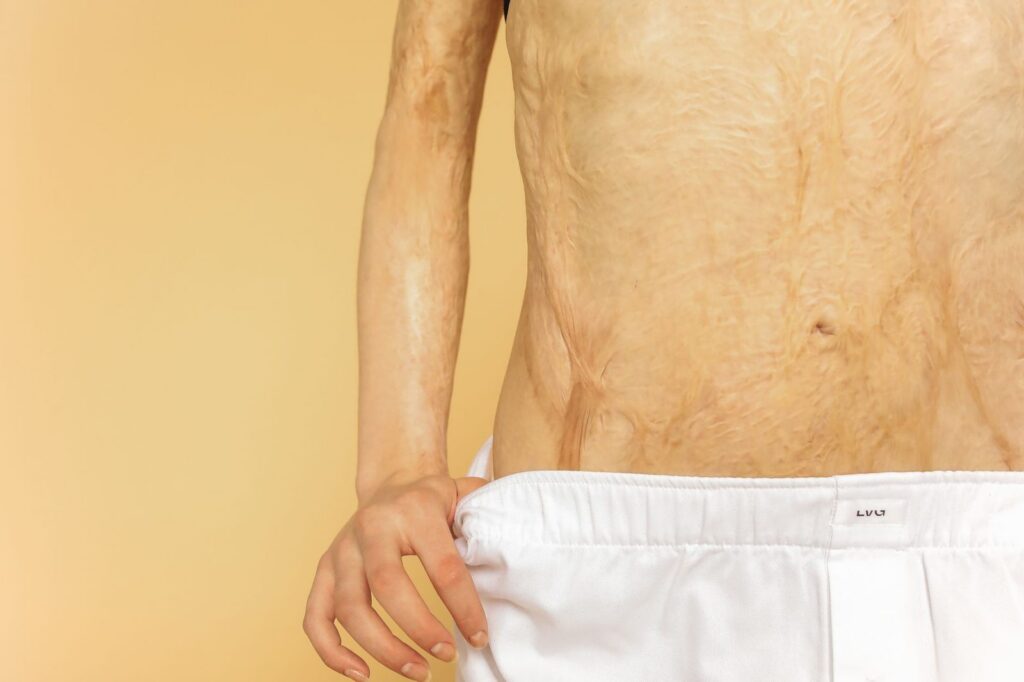
- Third-degree and fourth-degree: Permanent scarring, disfigurement, and functional loss are expected
Deeper burns often require skin grafts, reconstructive surgery, and long-term rehabilitation. Infection, contractures (tight scar tissue that limits movement), and loss of mobility are common complications. Severe burns also affect mental health and quality of life.
According to Stanford Healthcare, third-degree and fourth-degree burns always result in permanent scarring and loss of skin function. Cleveland Clinic notes that deeper burns often require multiple surgeries and extended hospitalization.
Want to know where you stand?
Tell us what happened and our team will walk you through the options available to you, at no cost.
When Severe Burns Lead to Legal Claims
Third-degree, fourth-degree, and severe second-degree burns that cause permanent impairment may be grounds for a legal claim. Burns from workplace negligence, defective products, unsafe property conditions, or negligent security may create liability.
In the catastrophic burn cases our attorneys handle, we’ve seen severe burns result from:
- Workplace fires caused by unsafe conditions or failure to maintain fire safety equipment
- Defective appliances, heaters, or products that malfunction and ignite
- Unsafe property conditions (faulty wiring, lack of fire suppression, inadequate exits) that trap or injure occupants
- Negligent security failures that allow violent crime resulting in fire or burn injuries
Catastrophic burn injuries often result in medical expenses, lost income, ongoing care, and pain and suffering. Families who have lost a loved one to fatal burns may have a wrongful-death claim.
Frequently Asked Questions
How long does a second-degree burn take to heal?
Superficial second-degree burns typically heal in 2–3 weeks. Deeper second-degree burns may take 3–8 weeks or longer, depending on the extent of damage and infection risk.
Can third-degree burns heal without skin grafting?
No. Third-degree burns destroy the dermis and cannot heal on their own. Skin grafting or surgical reconstruction is required.
What is the difference between partial-thickness and full-thickness burns?
Partial-thickness burns (second-degree) extend into the dermis but do not destroy it completely. Full-thickness burns (third-degree and fourth-degree) destroy the entire dermis and extend into deeper tissue.
Do all severe burns leave permanent scars?
Yes. Third-degree and fourth-degree burns always result in permanent scarring and disfigurement. Even severe second-degree burns typically leave visible scars and pigmentation changes.
If you’ve sustained a severe burn in an accident—whether at work, on an unsafe property, or due to a defective product—and you’re facing permanent scarring, disfigurement, or loss of function, you may have a legal claim. People in your situation can reach out to us to understand their options and whether someone else’s negligence is responsible for what happened. Contact us for a free case evaluation to discuss your circumstances with our team.
The Four Degrees of Burn Injury
First-Degree Burns
Damage limited to the outer layer of skin (epidermis). Causes redness, pain, and mild swelling. Typically heals within a few days to a week without scarring. Not considered a catastrophic injury.
Second-Degree Burns
Damage extends into the dermis (the layer beneath the epidermis). Causes blistering, severe pain, and swelling. Superficial second-degree burns heal in 2–3 weeks; deeper burns may take 3–8 weeks or longer. Risk of infection and permanent scarring. Can be catastrophic depending on extent and location.
Third-Degree Burns
Full-thickness burns that destroy the epidermis and entire dermis. Skin appears charred, white, or leathery and may feel numb due to nerve damage. Cannot heal on their own and require skin grafting or surgical reconstruction. Result in permanent scarring and loss of function. Catastrophic injury.
Fourth-Degree Burns
Burn damage extends through skin into underlying muscle, bone, and organs. Represents the most severe burn injury. Requires extensive surgical intervention, multiple grafts, and long-term rehabilitation. Often results in permanent disability, amputation, or death. Catastrophic injury.
Severe Burns Are Life-Altering
Second-degree burns covering large areas, and any third- or fourth-degree burn, are catastrophic injuries. They cause permanent scarring, loss of function, chronic pain, infection risk, and psychological trauma. Medical treatment is intensive and lifelong. If your severe burn resulted from someone else's negligence—a truck crash, a workplace accident, unsafe property conditions, or a defective product—you may have a legal claim for compensation.
What Happens After a Catastrophic Burn
Immediate Medical Care
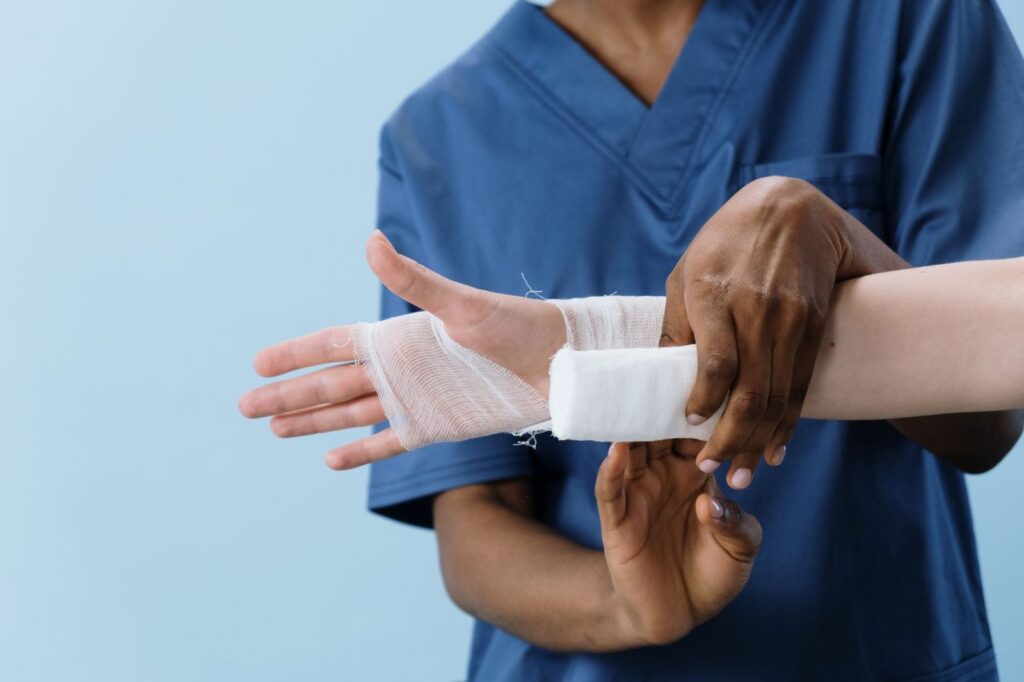
Severe burns require emergency treatment, often including hospitalization, wound care, pain management, and infection prevention. Fluid loss and shock are life-threatening complications.
Surgical Reconstruction
Third- and fourth-degree burns almost always require skin grafting, sometimes multiple procedures. Reconstructive surgery may continue for months or years.
Long-Term Recovery
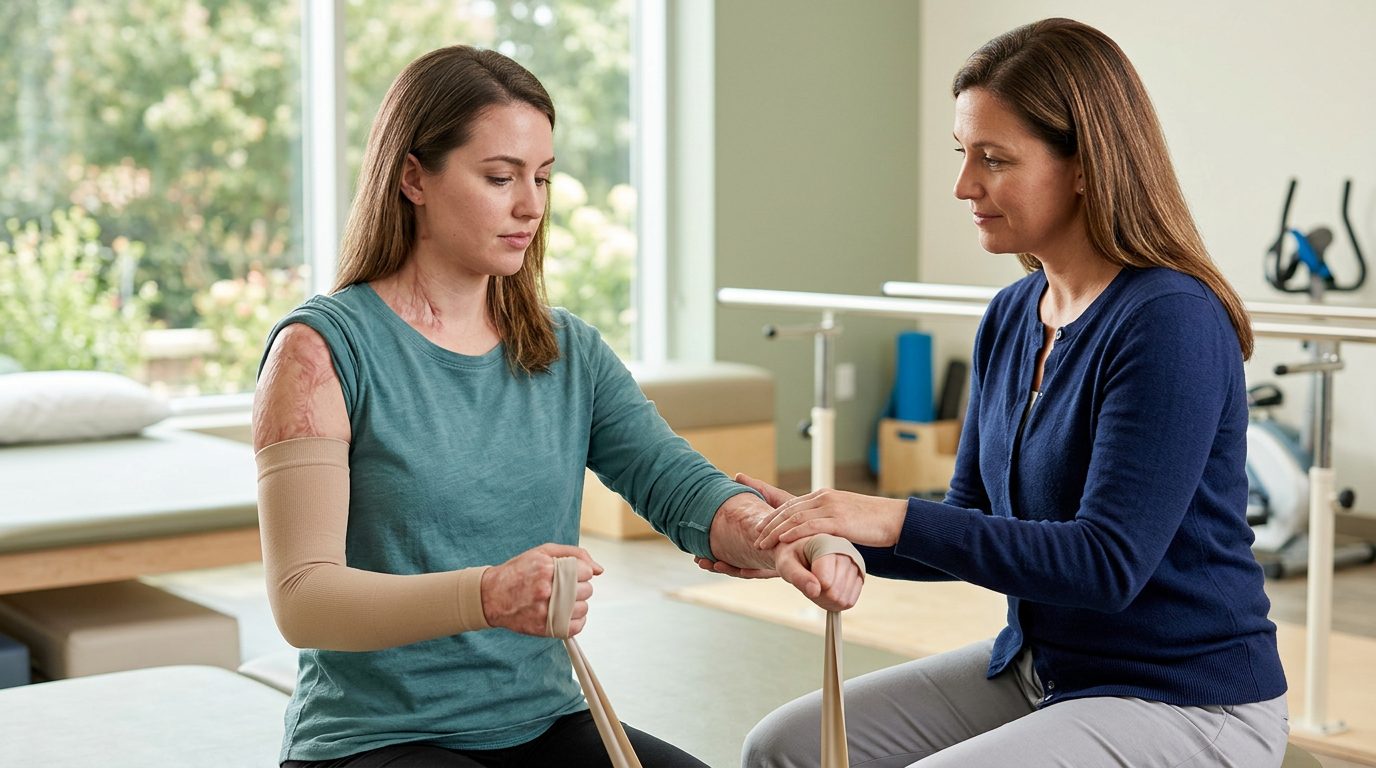
Physical therapy, occupational therapy, and psychological support are essential. Many survivors face permanent scarring, reduced mobility, chronic pain, and emotional trauma.
Ongoing Medical Needs
Burn survivors often require specialized wound care, scar management, compression garments, and treatment for complications like contractures and infection throughout their lives.