
Mesothelioma & Asbestos Claims | Serving Florida
Florida Veterans with Mesothelioma: Understanding Your Options and Your Family's Next Steps
Mesothelioma often appears decades after asbestos exposure, and military service was a common source of that exposure.
How We Can Help Your Family
Clear explanations
We explain, in plain language, how asbestos exposure is typically traced and what records may matter, so you can make informed decisions at your own pace.
Two paths, reviewed together
A VA claim and a civil lawsuit follow different rules. We review both so you understand how they relate before you file either one.
Attention to exposure history
Where and how a veteran was exposed, including on ships, in barracks, in shipyards, or in military housing, is central to any claim. We help gather the details.
Dignity for patients and families
Your focus should be your health and your loved ones.
Free first consultation
Your first consultation is free, confidential, and comes with no obligation to continue. CHG charges no attorney's fees or case costs unless there is a recovery.
By CHG Lawyers · Published November 3, 2026
Mesothelioma Veterans Claims in Florida: Navy, Shipyard, and Military Asbestos Exposure
Mesothelioma is a rare cancer. For many veterans, it traces back to asbestos exposure during military service.
A veteran may have two main paths:
- A VA disability claim based on service.
- A civil claim against companies whose asbestos or work caused the exposure.
Some families pursue both. This guide explains how each path works in Florida. It also covers the evidence that matters most.
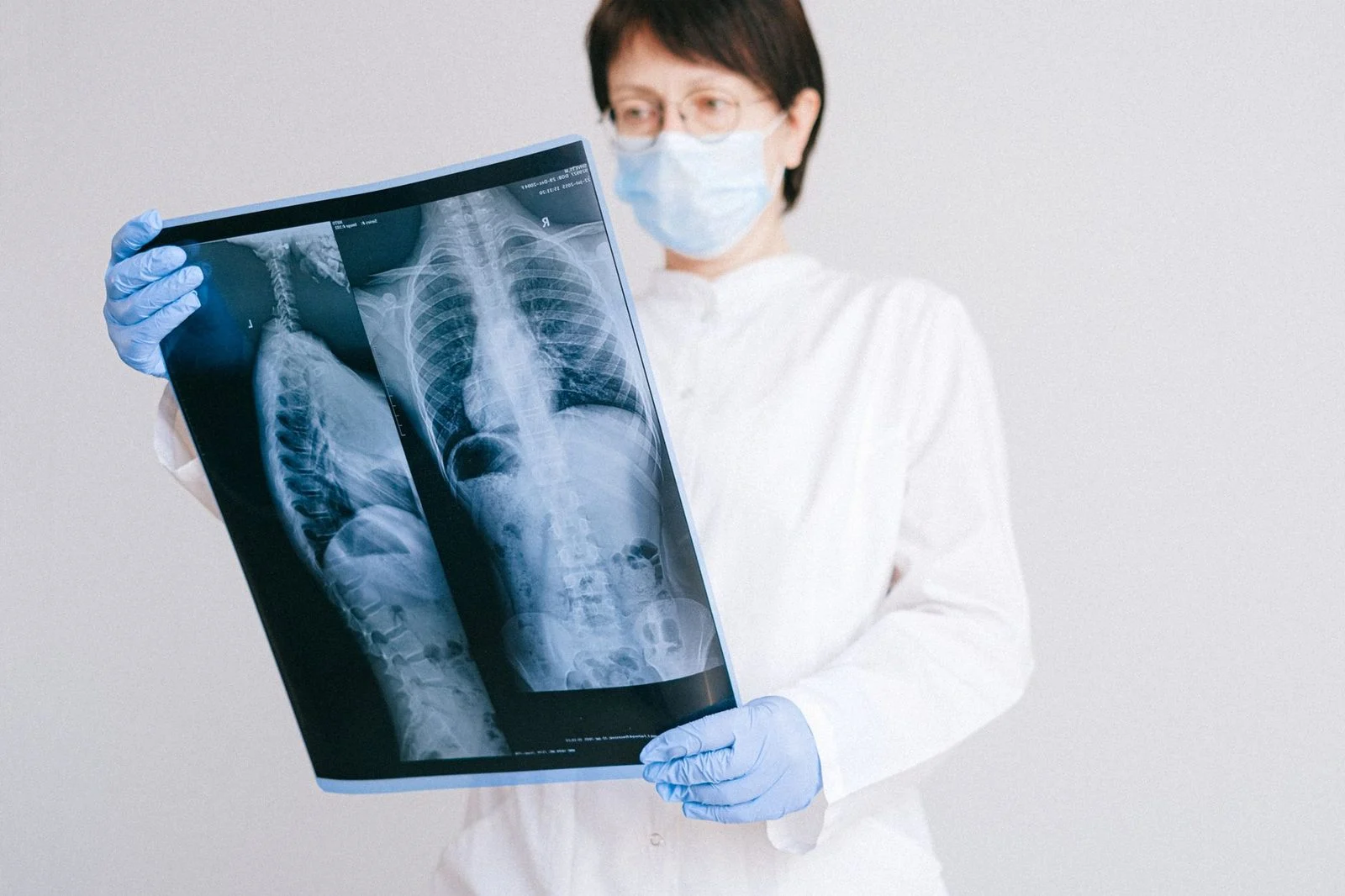
Mesothelioma is a rare asbestos-related cancer. It affects the membranes around the lungs, chest, or abdomen. See ATSDR asbestos health effects.
If a loved one's mesothelioma may trace back to Navy, shipyard, or base work, you don't have to sort out the VA and legal questions alone. Our team offers a free, confidential first consultation. Talk it through with our team — the first consultation is free, confidential, and carries no obligation.
Who This Guide Is For and What a Veterans Claim Covers
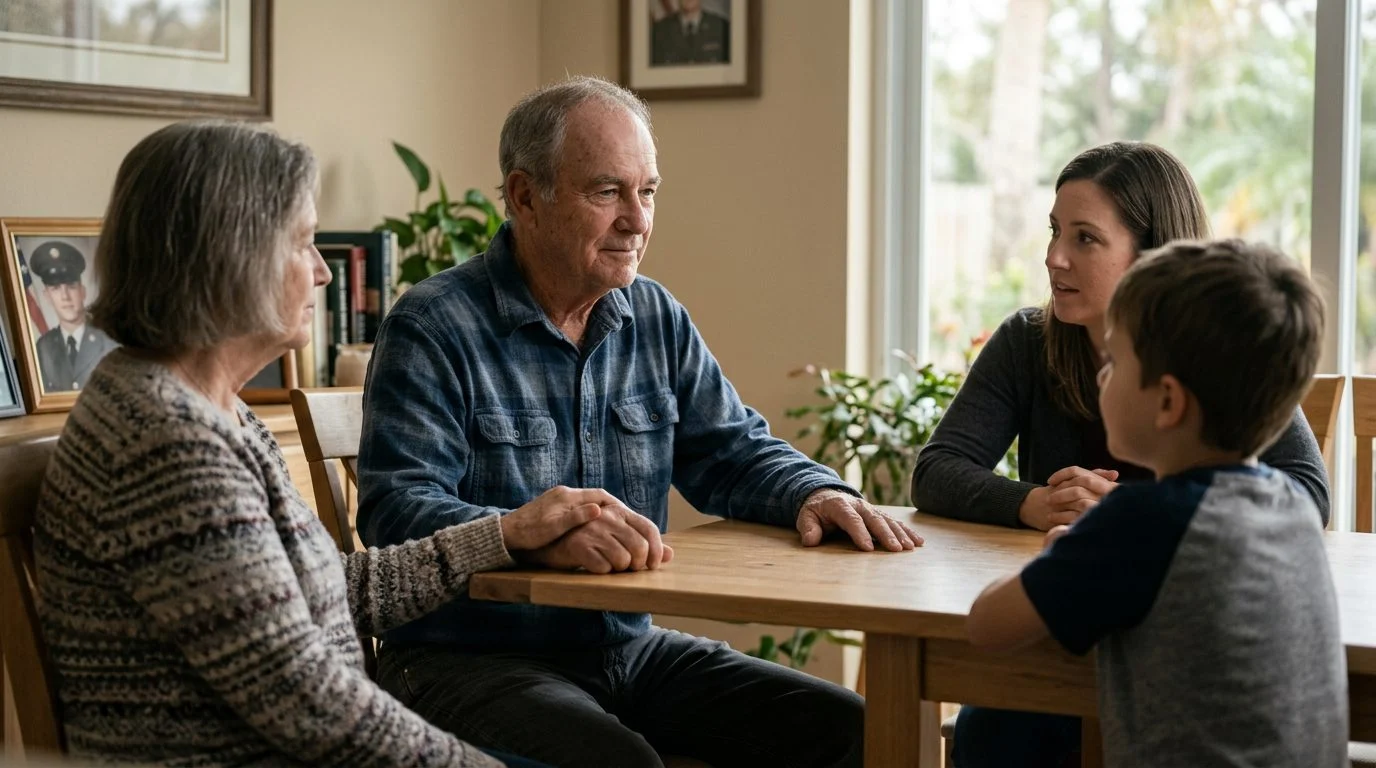
A mesothelioma veterans claim can mean a VA disability claim, a civil lawsuit, or both. This guide is for veterans who have been diagnosed. It is also for the spouses, children, and relatives who help them.
A diagnosis like this changes a household quickly. Families often face medical terms, treatment decisions, and paperwork all at once. You may be reading this before you have decided anything. That is a normal place to start.
Here is the plain version of what a claim can cover:
- VA disability compensation for eligible veterans with service-connected illnesses.
- Civil claims against companies whose products or work exposed the veteran to asbestos.
- Asbestos bankruptcy trust claims, which may pay separately from a lawsuit.
- Survivor benefits and wrongful death claims for families after a death.
Mesothelioma usually appears decades after exposure. The VA’s asbestos exposure guidance notes that asbestos-related symptoms may take decades to appear. This delay can make the link to military service hard to see at first.
Where Military Asbestos Exposure Happened
Asbestos exposure in the military often happened on ships, in shipyards, and around the trades that built and repaired them. Veterans commonly describe exposure in settings like these:
- Navy ships and submarines.
- Boiler and engine rooms.
- Pipe work, insulation, and gaskets.
- Shipyards and repair yards.
Exposure was not limited to ships. Barracks, base buildings, and maintenance trades can also be part of a claim. These trades include pipefitting, electrical work, and repair crews. Some Florida veterans recall naval stations or shipyard work in port cities, including Jacksonville.
Federal shipyard rules recognize how asbestos reaches workers. The federal shipyard asbestos standard regulates asbestos exposure in all shipyard employment work. The regulation’s Health Hazard Data portion adds that asbestos fibers from contaminated clothing or skin can also lead to these diseases if they are inhaled or ingested. That same Health Hazard Data portion notes that symptoms of these diseases generally take 20 or more years after initial exposure to appear.
A claim turns on where and how the person was exposed. A service record, a job history, and the names of ships, shipyards, or bases help show that path.
VA Disability Benefits and Service Connection
VA disability compensation generally depends on service connection. This means the evidence shows the disease is linked to military service.
The federal statute on basic entitlement is 38 U.S.C. § 1110. The statute refers to service during a period of war, so the dates of service are part of the review. It also says no compensation is paid if the disability results from willful misconduct or abuse of alcohol or drugs.
The VA service connection rule says the evidence must show the disease was incurred in service, or aggravated there. “Aggravated” means made worse. A disease diagnosed after discharge can still qualify. This is true when all the evidence shows it began in service.
A VA claim usually needs three things:
- The diagnosis.
- The service history.
- A written account of the exposure.
Medical records support each part.
Survivors may be able to seek Dependency and Indemnity Compensation (DIC) when a veteran’s death is service connected. DIC is a VA benefit paid to certain survivors. For some death benefits tied to military service, the start date can depend on applying within one year after a report or finding of death has been made. Families should ask about timing early.
How a VA claim and a civil claim interact is a question to review with a lawyer. The two tracks have separate rules.
Civil Claims and Asbestos Bankruptcy Trusts
A civil claim asks a court to decide whether companies are responsible for the exposure. These are companies that made, sold, or used asbestos products.
These cases often name manufacturers, distributors, or companies that controlled a work site. Lawsuits allege these companies failed to warn workers or protect them. These are allegations a court would need to weigh. They are not proven facts.
Asbestos bankruptcy trusts were set up by companies that went through bankruptcy. A bankruptcy trust is a fund that pays injury claims. These trusts may pay claims separately from a lawsuit. They follow their own forms and requirements. A lawyer can review which trusts may fit the exposure history.
Florida law sets specific rules for asbestos claims:
- Under Fla. Stat. § 774.205, a civil action alleging an asbestos or silica claim may be brought in Florida courts if the plaintiff is domiciled in Florida or the exposure that is a substantial contributing factor to the plaintiff’s physical impairment occurred in Florida. This applies if the plaintiff is domiciled in Florida, meaning Florida is their legal home. It also applies if the substantial exposure happened in Florida.
- Under Fla. Stat. § 774.206, for any asbestos or silica claim not barred as of the act’s effective date, the limitations period does not begin to run until the exposed person discovers, or through the exercise of reasonable diligence should have discovered, that he or she is physically impaired by an asbestos-related or silica-related condition. The limitations period is the legal deadline to file.
- Under Fla. Stat. § 774.207, punitive damages may not be awarded in asbestos civil actions. Punitive damages are extra money meant to punish. The plaintiff must also file a verified written report of collateral source payments with the court at the time the complaint is filed, and must update it regularly during the case. These are payments from other sources, such as insurance or benefits.
Evidence That Helps Build the File
The strongest files tie a service record to a specific place, job, and time. Asbestos must have been present during that time. Gather these items as you can:
- Military service records: dates of service, ship or unit assignments, and duty stations.
- Work history: what the veteran did, where, and for how long. Include ship, shipyard, or base names when known.
- Medical records: the diagnosis, pathology reports (lab reports on tissue), and treatment history. The veteran’s doctors can explain these records.
- Witness information: shipmates or former co-workers who can describe the work setting.
- Supporting papers: photos, letters, union or employment records, and any earlier claim decisions.
Records from decades ago can be hard to find. Gather what the family has now. Keep a list of what is missing. Medical care always comes first. Follow your doctors’ advice before anything else.
Not sure what your next step is?
Talk it through with our team — the first consultation is free, confidential, and carries no obligation.
How the Process Works, Step by Step
Most cases start with a free, confidential first consultation. From there, the work moves through records, a review of paths, and filing.
- First consultation. It is free and confidential. It comes with no obligation to continue. Bring any service papers and medical records you have. We review the exposure history and medical timeline together.
- Records gathering. With the family’s permission, we request service, medical, and work records.
- Review of paths. We compare a VA claim, a civil lawsuit, bankruptcy trust claims, or a combination.
- Filing and follow-up. We explain what to expect at each stage. We also explain how long each path can take.
Timelines vary by path and by case. Florida’s asbestos statute ties the start of the limitations period to discovery of impairment. Florida deadlines still apply to each path. Contact us promptly so the time limits are not lost.
Why CHG Personal Injury Lawyers
CHG Personal Injury Lawyers is a Florida-based personal injury firm. We serve people throughout Florida. Igor Hernandez is the responsible lawyer for this page.
Our attorneys are licensed and admitted to The Florida Bar. The firm’s practice focuses on serious injury and illness claims. These include mesothelioma and other asbestos diseases, and the families who face them. The firm also handles other personal injury matters. Examples include car accidents and slip-and-fall cases.
CHG charges no attorney’s fees and no case costs unless there is a recovery.
Some mesothelioma matters may be referred to, or handled together with, another law firm. This page does not promise any result. Each outcome depends on the facts of the case.

Frequently Asked Questions
Can a veteran file both a VA claim and a civil claim?
The two paths have separate rules. Review them together before filing either one.
Does the family need to act quickly?
Florida deadlines apply. Timing depends on the path and the diagnosis. Contact the firm promptly.
Can a surviving spouse seek benefits after a veteran’s death?
DIC may be available when a death is service connected. Florida law also lets a surviving spouse recover for loss of companionship and for mental pain and suffering. See Fla. Stat. § 768.21.
What happens at the free consultation?
It is confidential, with no obligation to continue. Bring service papers and medical records if you have them.
If your father, husband, wife, or another loved one has mesothelioma, you do not have to piece it together alone. You may be trying to understand Navy, shipyard, or base exposure. Schedule a free, confidential consultation. Our team can review the service history and medical timeline with you.
Do Not Wait to Ask Questions
Florida deadlines apply to asbestos and mesothelioma claims, and the timing depends on the path and the diagnosis. Follow your doctors' care, keep your military and work records, and contact our office promptly so we can review your situation.
What to Gather Before You Call
Military service records
Discharge papers, duty station and ship assignments, and job assignments help show where exposure may have occurred.
Medical records
Diagnosis reports, pathology results, and treatment notes from your doctors help us understand the medical timeline.
Work and home history
Past employers, trades, renovation work, and household contact with work clothing can all be relevant to exposure.
Family and claim documents
Any prior claim letters, VA correspondence, or trust claim forms you have received. Bring them even if you are unsure they matter.