

Mesothelioma | Guide for Florida Families
Pleural Mesothelioma: A Plain-Language Guide for Florida Families
Understanding the diagnosis, the questions that follow, and the options your family may have. Start with a free, confidential first consultation with CHG Personal Injury Lawyers.
Questions Families Can Bring to CHG
Florida
Florida-based personal injury firm
Free
Confidential first consultation
By CHG Lawyers · Published October 19, 2026
A diagnosis of pleural mesothelioma can change a family’s life in one phone call. This guide explains the medical picture in plain words. Then it covers the legal questions many Florida families face. It is written for the patient and for the people who love them.
What Pleural Mesothelioma Is
Pleural mesothelioma is a cancer that starts in the pleura. The pleura is a thin membrane. It wraps around each lung and lines the inside of the chest wall. That is why doctors use the word “pleural” in the name.
The Agency for Toxic Substances and Disease Registry describes mesothelioma as a rare cancer linked to asbestos. It can affect the membranes around the lungs, the chest, or the abdomen. Pleural mesothelioma affects the lungs and chest lining. It is the most common type.
Peritoneal mesothelioma is a different form. It affects the lining of the abdomen. We cover it on a separate page in our mesothelioma resource center. The two forms share a cause. They start in different places, and they are treated differently.
Hearing the word “cancer” brings fear. Your medical team can explain the type, the stage, and the next steps for your loved one. Ask them to go slowly. Ask them to explain things in terms your family can follow.
Not sure what your next step is?
Talk it through with our team — the first consultation is free, confidential, and carries no obligation.
What Causes Pleural Mesothelioma?
The Agency for Toxic Substances and Disease Registry describes most mesothelioma cases as linked to asbestos. Asbestos is a group of minerals made of tiny fibers. When people breathe in these fibers, they can lodge in the pleura. Over a long period, the fibers can cause changes. These changes may lead to cancer.
Exposure often happened at work. Shipyards, construction sites, insulation work, and many other industrial trades used asbestos for years. Military service was another common source. Some family members were exposed at home. They were exposed through work clothes that a relative carried in from a job site.
The Occupational Safety and Health Administration explains that workplace asbestos exposure raises the risk of mesothelioma. It also explains that these diseases appear late. The illness often shows up long after the exposure ended.
Why the Time Between Exposure and Diagnosis Matters
Because of that delay, many families cannot connect a diagnosis to a job held forty years ago. But timing is not the same for every person. Some illnesses appear sooner than the typical pattern. Others appear much later. No single number can tell your family where your loved one falls.
For that reason, the exposure history matters more than any one date. Who was exposed, where, when, and for how long? These questions shape the medical conversation. They also shape any legal review. Asbestosis is a different asbestos-related lung disease. For a plain-language comparison, see asbestosis versus mesothelioma.
What Are the First Signs of Pleural Mesothelioma?
Early symptoms often include chest pain, shortness of breath, and a cough that does not go away. Many people also feel tired. Some notice weight loss. Some notice fluid building up around the lung. Doctors call this a pleural effusion.
Many of these symptoms have common and less serious causes. Infections and heart or lung problems are examples. A persistent change deserves a doctor’s review. It does not mean the answer is cancer. It means someone needs to find out what is happening.
If symptoms are new or getting worse, contact the doctor promptly. Follow the medical team’s advice. Do not wait for the next routine visit if breathing becomes harder.
Keep a simple written log. Note when each symptom started. Note how often it happens. Note what makes it better or worse. Bring the log to appointments. It helps the medical team. It also gives your family a clear record.
This page does not give medical advice. Treat these symptoms as questions to raise with a physician.
How Is Pleural Mesothelioma Diagnosed?
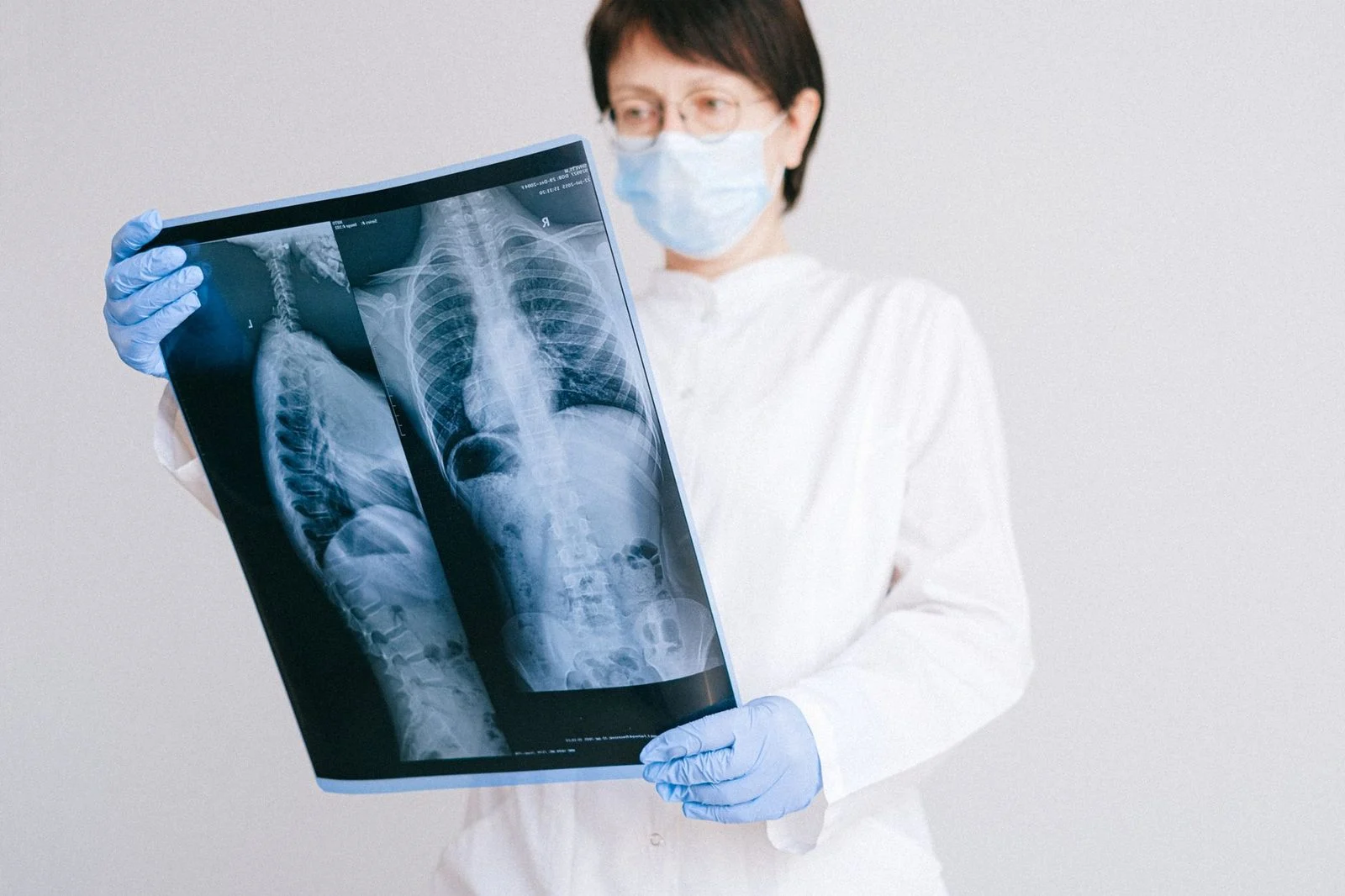
Diagnosis usually involves several steps. Doctors often start with imaging, such as chest X-rays and CT scans. If fluid is present, a procedure called thoracentesis may be used. It uses a needle to remove a sample of the fluid for testing. A biopsy then collects tissue. A pathologist, a doctor who studies tissue under a microscope, reviews the sample. The pathologist identifies the cancer.
Once the diagnosis is confirmed, doctors may run more tests. These tests show the cell type. The cell type helps the medical team plan care. Ask what it means for your loved one.
Diagnosis can take time. It may involve more than one doctor and more than one visit. Writing down your questions in advance helps.
Ask for copies of the pathology and imaging reports. Keep them in one folder. These records also matter if the exposure history is examined in a legal claim. Keep the originals safe.
Have questions about what happened?
Ask our team directly. The first conversation is free, confidential, and there is no obligation to continue.
Treatment Decisions Belong to the Patient and the Medical Team
Doctors may discuss several treatment options. These include surgery, chemotherapy, radiation, immunotherapy, and clinical trials. The right choice depends on the person’s health and the features of the disease.
Decisions about treatment, second opinions, and comfort-focused care belong to the patient. The patient makes these choices with the doctors. Family members play an important role in these conversations. But the final choices are the patient’s.
Encourage your loved one to bring questions to each appointment. Ask what each option is meant to do. Ask which side effects are common. Ask what the plan looks like if things change. Follow your doctors’ care.
This guide does not recommend any treatment. The law firm described on this page does not make medical decisions for anyone.
Can Pleural Mesothelioma Be Cured, and What Is the Outlook?
Pleural mesothelioma is generally considered difficult to cure. Treatment goals often focus on controlling the disease, easing symptoms, and supporting quality of life. Some people live for a period of time with treatment. Goals can change over time.
The outlook depends on the stage of the disease, the cell type, and the patient’s overall health. Only the medical team can explain what these factors mean for one person.
Many families search online for life expectancy numbers. A general figure cannot predict how long any one person will live. If you use such numbers at all, treat them as a starting point. Then discuss them with the doctors.
No one can promise how an illness will progress. It varies from person to person. Your medical team can provide specific information about your condition.
What Happens as the Illness Advances?
As pleural mesothelioma advances, breathing can become harder. Fluid can build up around the lung. Fatigue can increase. These changes can affect daily tasks, sleep, and appetite.
Palliative care focuses on comfort and quality of life. It can be offered alongside treatment. It is not only for the end of life. The medical team decides what fits the patient’s needs and wishes.
Caregivers carry a heavy load. Keep one list of medications. Keep one calendar of appointments. Keep one list of questions. Ask the care team about social workers, nurses, and home care options.
Caregivers who rest, eat, and ask for help are better able to support the person they love. Talk with the medical team about the help available where you live in Florida.
The Legal Side Is Separate From Medical Care
Medical care and legal claims run on separate tracks. The medical team treats the illness. A legal claim looks at how, where, and when the person was exposed to asbestos. It also looks at who may be responsible.
Exposure history is the center of a claim. Under Fla. Stat. § 774.205, asbestos claims filed in Florida on or after the law’s effective date must include a sworn information form, in addition to a written report and supporting test results showing the person’s asbestos-related physical impairment and the information required by s. 774.207(2). The form lists each alleged exposure location. It lists the beginning and ending dates of exposure. It also lists the occupation and employer of the exposed person at the time. Start gathering records now.
Florida’s asbestos statute also addresses when the clock starts. Under Fla. Stat. § 774.206, for any asbestos or silica claim not barred as of the effective date of the Florida Asbestos and Silica Compensation Fairness Act of 2005, the limitations period, which is the legal deadline to file, does not begin to run right away. It starts when the exposed person discovers, or should have discovered with reasonable diligence, that he or she is physically impaired by an asbestos-related condition. The same statute treats a claim over a condition that is not cancer as a separate cause of action from a claim over an asbestos-related cancer.
Asbestos bankruptcy trusts are a separate source of payment. These trusts may pay claims apart from a lawsuit. The process is different from a court case. Federal bankruptcy law addresses asbestos personal injury claims in this setting. Under Section 524 of the Bankruptcy Code, a discharge in a case under this title voids any judgment, to the extent it determines the debtor’s personal liability for a discharged debt, and operates as an injunction against collecting or recovering such a debt as a personal liability of the debtor.
Florida filing deadlines apply to these claims. They can be shorter than families expect. Do not wait to ask about them. Contact CHG Personal Injury Lawyers promptly. That way, the timing can be reviewed while the facts are still fresh.
This matter may be referred to, or handled together with, another law firm.

Want to know where you stand?
Tell us what happened and our team will walk you through the options available to you during a free, confidential first consultation.
Talk With Igor Hernandez About Your Family’s Exposure History
If your family is living with a new diagnosis, you may be asking an old question. Did a past job, military service, or work clothes brought home from a job site matter legally? The answers depend on the facts. They are worth discussing early.
CHG Personal Injury Lawyers handles personal injury and illness cases for families throughout Florida. Igor Hernandez is a Florida-licensed attorney. Our team includes office and support staff. We can help you organize your exposure history. We can also explain the Florida deadlines that may apply.
We invite you to contact CHG Personal Injury Lawyers for a free, confidential initial consultation, with no obligation to continue. CHG charges no attorney’s fees and no case costs unless there is a recovery.
Bring what you have. That can include medical reports, work history, military records, and the names of employers or sites you remember. You do not need every document to start the conversation. Reach out through our contact page when you are ready to talk.
Act Promptly
Legal deadlines apply to mesothelioma and other asbestos-related claims. Contact the firm promptly so we can review how those deadlines may apply to your family's situation. Keep following your doctors' care plan while you do.
How We Can Help Your Family
Reviewing the Exposure History
Where and how the patient was exposed to asbestos is central to any claim. We take the time to go through that history with you and your family.
Explaining Your Options
We explain how the options available to your family work in plain terms so you can decide with confidence.
Standing With Your Family
A mesothelioma diagnosis affects the whole household. Our team treats every patient and family with patience, respect, and dignity.
Speaking With Us
Call or contact us for a free, confidential first consultation. There is no obligation to continue after that first conversation.
Questions Families Often Ask
Can a claim involve exposure that happened decades ago?
Mesothelioma usually appears decades after the asbestos exposure. Because of that gap, the history of where and how exposure happened is a key part of the review.
Do asbestos bankruptcy trusts pay separately from lawsuits?
Yes, asbestos bankruptcy trusts may pay claims apart from a lawsuit. Ask us how these trusts could fit into your family's situation.
Does it matter whether exposure was at work, in the military, or at home?
Workplace, military, and household exposures can each raise different questions. Describing the exposure as fully as you can helps us review the facts.
Who should be involved in these conversations?
A diagnosis affects the whole family. We are glad to speak with the patient and with the loved ones who help them through this.
Talk With CHG Personal Injury Lawyers About Your Family's Next Steps
Related practice areas
- Johnson and Johnson Talc Lawsuits