

Mesothelioma Claims | Serving Florida
Proving Asbestos Exposure in a Florida Mesothelioma Claim
Decades-old jobs, job sites and household routines can hold the answers a family needs. Here is how those details are gathered and put to use.
By CHG Lawyers · Published November 23, 2026
A mesothelioma diagnosis raises hard questions fast. One of them is how a family proves where the illness came from.
Mesothelioma is a cancer of the thin lining that covers the lungs, chest, and other organs. In a Florida mesothelioma claim, the strongest proof is a specific, documented history of your work and asbestos exposure.
Below, we explain what that history looks like. We also explain which other records help. We cover why timing matters, too.
The Short Answer: What Proves Asbestos Exposure Most Strongly
The strongest proof is a work history. It names each employer, each job site, and the approximate dates of work at each one.
A claim turns on where and how the person was exposed. It does not turn only on whether asbestos was ever present in a building or an industry.
Saying that asbestos was common in a trade helps set the scene. But a court will still look for the particular job, the place, and the years.
Other records usually support that history. These include:
- Product names and brands used on the job
- Statements from co-workers
- Union and apprenticeship records
- Military service records
Each one fills a different gap.
Families often start with the medical file. But a diagnosis alone does not show where the exposure happened. The work history does that job.
Every case is different. The proof that matters depends on the facts. Treat this guide as a starting point for gathering records. Keep your papers together.
If you're holding a mesothelioma diagnosis and a stack of old work papers you can't yet sort, we can help you see which records matter most in a free, confidential consultation. Talk it through with our team — the first consultation is free, confidential, and carries no obligation.
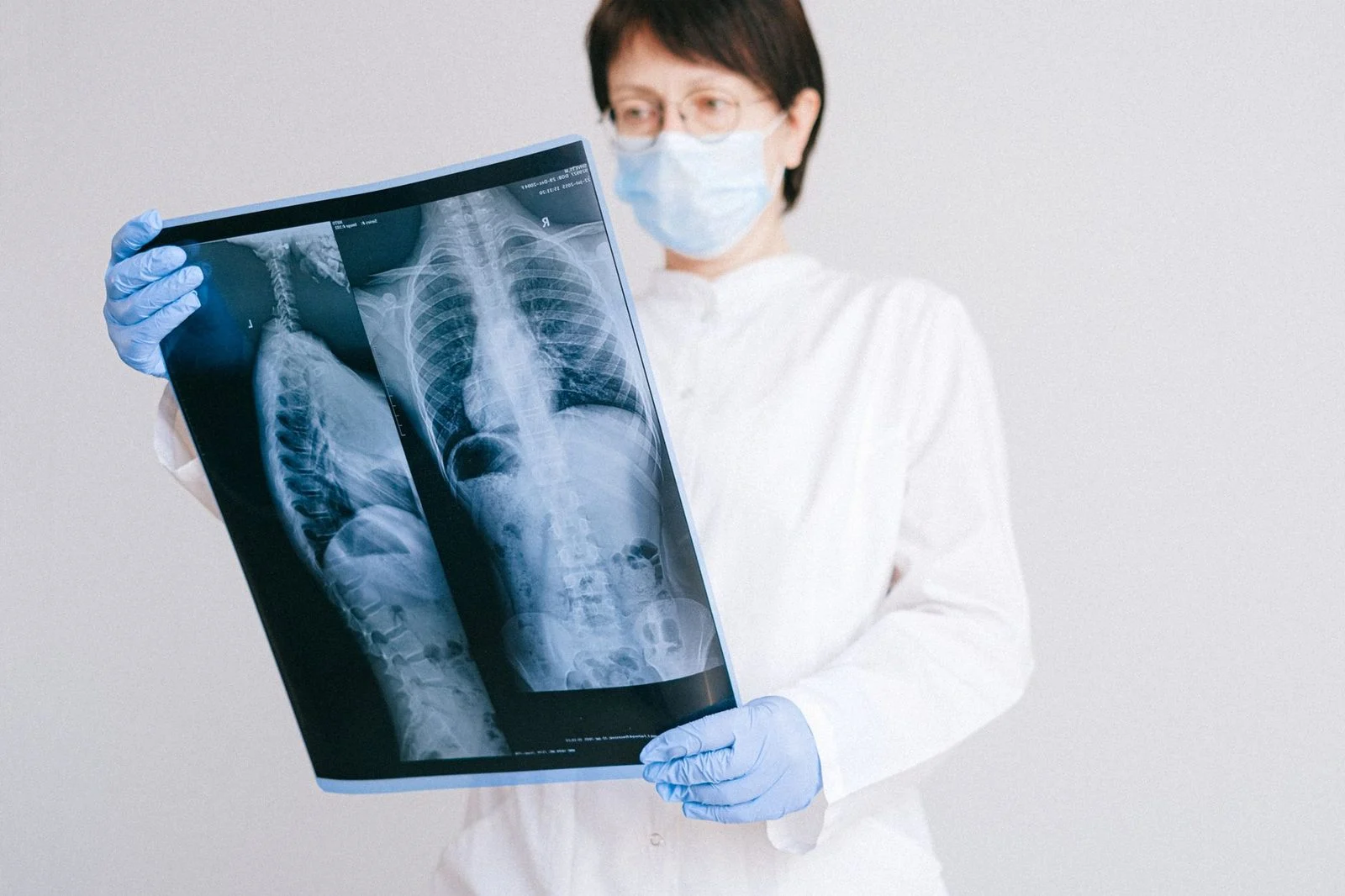
Why Mesothelioma Exposure Is Often Proved Decades Later
Exposure is often proved decades later. Mesothelioma usually appears long after the asbestos contact happened.
The Occupational Safety and Health Administration says asbestos exposure at work raises the risk of lung cancer and mesothelioma. It also says these diseases have a delayed onset. That means they can take many years to appear (OSHA asbestos hazards).
So how long do you have to be around asbestos to get mesothelioma? There is no set length of exposure that fits everyone. The illness can follow exposure that happened years or decades earlier.
The type of asbestos matters, too. The Agency for Toxic Substances and Disease Registry notes that amphibole asbestos is linked to an increased risk of mesothelioma (ATSDR mesothelioma information).
Many people cannot recall exact dates or product names from their working years. That is common. It is not the end of a claim.
Family members, old pay stubs, and employer records can fill many gaps.
Write down what you remember now, even if it is only partial. Mark the details you are not sure of.
Work History, Job Sites, and Dates: Building the Timeline
A year-by-year timeline is the backbone of an asbestos exposure claim. Start with the first job you remember. Then work forward.
For each job, list:
- The company name
- The city or site
- The type of work
- The years you worked there
Add supervisors’ names if you know them. Note whether the work was indoors, on a ship, at a plant, or on a construction site.
Florida’s asbestos law asks for similar details. An asbestos or silica claim filed in Florida on or after the act’s effective date must include a sworn information form. That is a form signed under oath.
The form lists each specific location of alleged exposure. It also lists the beginning and ending dates, and the occupation and employer at the time (Fla. Stat. § 774.205).
A complete timeline makes that form easier to complete.
Practical sources for dates include:
- Social Security earnings statements
- Old pay stubs and W-2 forms
- Tax returns
- Employment letters
- Union dues or hall records
Each one can confirm a year and an employer.
Job-site documents can show that asbestos-containing materials were present. Examples include building permits, renovation records, shipyard or plant records, and historic blueprints. These can link a particular site to a particular material.
Write down the names of supervisors and co-workers now, while memories are fresh. Keep any photographs or work keepsakes you have.
Products, Co-Workers, Union, and Military Records
Product names, co-worker statements, union records, and military papers can each tie a worker to asbestos in a specific place and time.
Asbestos was used in many products. Federal workplace rules list construction products such as shingles, floor tiles, asbestos cement, roofing felts, insulation, and acoustical products.
They also list uses such as brakes, clutch facings, paper, paints, plastics, and fabrics (29 C.F.R. § 1910.1001). Labels, catalogs, and material safety papers can show which product you used.
Sworn statements from co-workers who did the same tasks at the same site can confirm the products and locations. Union records, apprenticeship logs, and training records can confirm when and where you worked.
Military service is another common setting for exposure. Service records, your DD Form 214 (your discharge paper), duty station records, and ship or base assignment papers can all be relevant.
Service connection means a link to military service. This applies when the evidence shows a disease resulting in disability was incurred in service or, if preexisting such service, was aggravated therein (38 C.F.R. § 3.303). That is a separate path from a lawsuit.
What Medical Records Show, and How Mesothelioma Is Determined
Medical records document the illness. By themselves, they usually do not name the source of the exposure.
Doctors commonly diagnose mesothelioma through three steps:
- Imaging
- A biopsy (a small tissue sample)
- A pathologist’s review of that sample
A pathologist is a doctor who reads tissue under a microscope. The ATSDR mesothelioma page covers the disease’s delayed onset and diagnosis in more detail.
How do doctors test for asbestos exposure? A medical team looks at your history, your imaging, and your lung or tissue findings. If you described your work at intake, that note can link the diagnosis to a workplace. That link matters.
Ask your medical team for copies of:
- Pathology reports
- Imaging reports
- Treatment summaries
Keep them in date order. Follow your doctors’ care. Bring medical questions to them.
How an Industrial Hygienist Helps Reconstruct Exposure
An industrial hygienist is a trained professional. They study workplace air, materials, and conditions. They estimate what a worker likely breathed.
A reconstruction usually starts with:
- Job descriptions
- Building materials
- Ventilation
- Work practices
The hygienist then explains how those conditions could have released asbestos fibers. Removal and encapsulation work is one example. Encapsulation means sealing asbestos material in place.
The federal asbestos standard notes that removal of asbestos in schools, public buildings, and homes is one of the most significant workplace exposures. It also notes that many workers may be exposed during it (29 C.F.R. § 1910.1001).
A hygienist works from records and from your own history. That is why the timeline and the product details matter so much. The more precise your work history, the more precise the reconstruction can be.
A hygienist’s findings are presented as evidence. They are weighed within the legal process, along with the rest of the file. They are not a conclusion on their own.
Not sure what your next step is?
Talk it through with our team — the first consultation is free, confidential, and carries no obligation.
Asbestos Trusts, Separate Claims, and Florida Deadlines
Asbestos bankruptcy trusts can pay certain claims apart from a lawsuit. Florida’s filing deadlines can also start later than many families expect.
Many companies that made asbestos-containing products went through bankruptcy. Federal bankruptcy law allows a trust to be set up.
The trust is set up under a bankruptcy reorganization plan to assume the liabilities of a debtor that, at the time of entry of the order for relief, has been named as a defendant in asbestos-related personal injury, wrongful death, or property-damage actions (11 U.S.C. § 524).
A trust claim is separate from a lawsuit. But trust claims and lawsuits can rely on the same exposure history. Keep one consistent set of records that serves both.
Florida’s deadline rule for asbestos claims is different from many injury claims. For asbestos claims not barred as of the act’s effective date, the clock does not start until the exposed person discovers, or through the exercise of reasonable diligence should have discovered, that he or she is physically impaired by an asbestos-related condition (Fla. Stat. § 774.206).
Florida also treats a claim for a condition that is not cancer as a separate claim from one for asbestos-related cancer.
Workers’ compensation for dust disease, a lung disease caused by dust, works differently. Florida’s occupational disease statute makes the last employer where the worker was exposed for at least 60 days responsible for disability from that dust disease (Fla. Stat. § 440.151).
Filing deadlines apply, and these rules are technical. Raise the matter promptly. Do not wait.

Next Steps: Gathering Your File and Talking With CHG
Start by gathering what you already have. Then bring it to a consultation. This checklist can help:
- A year-by-year work timeline with employers and job sites
- Product names, brands, and labels you remember
- Co-workers’ names and any union, apprenticeship, or training papers
- Military records, including your DD Form 214, if you served
- Pathology reports, imaging reports, and treatment summaries
Some asbestos matters may be referred to, or handled together with, another law firm. If that applies to your case, we will tell you.
CHG Personal Injury Lawyers is a Florida-based firm. Igor Hernandez is the responsible lawyer for this page.
The first consultation is free, confidential, and without obligation to continue. CHG charges no attorney’s fees and no case costs unless there is a recovery.
Frequently asked questions
What is the strongest proof of asbestos exposure?
A detailed work history with employers, job sites, products, and dates, backed by records.
How long do you have to be around asbestos to get mesothelioma?
There is no fixed length. The illness can follow exposure that happened years or decades earlier.
How is mesothelioma determined?
It is usually confirmed through imaging, a biopsy, and a pathologist’s review of the tissue.
How long does a mesothelioma claim take?
The timing varies with the facts, the number of employers and sites, and the records available.
Do I need a sworn exposure history for a Florida claim?
Yes. Florida requires a sworn information form for asbestos claims filed in the state.
If you are facing a mesothelioma diagnosis and a box of old work papers, you do not have to sort them out alone. Contact CHG Personal Injury Lawyers to start the conversation.
What Helps Show Where and How Exposure Happened
A Detailed Work History
Employers, job sites, job titles, and the years worked at each one. Dates are often the starting point for the whole claim.
Products and Materials
Brand names, product labels, and the types of insulation, gaskets, brakes, or building materials the person handled or worked near.
Witness Statements
Coworkers, family members, and others who remember the work, the conditions, and the materials used around the person.
Medical Records
Diagnosis records and treatment history, which help document the illness and when it was identified. Follow your doctors' care at all times.
Bankruptcy Trust Records
Asbestos bankruptcy trusts may pay claims separately from a lawsuit. Records of past employment and exposure can support those requests.
Keep What You Have
Old pay stubs, union cards, photos of job sites, letters, and product packaging can be hard to replace. Set them aside and do not discard them while you gather information for a claim.
How Our Team Approaches an Exposure Question
Listen First
We start with your family's story, including what the person remembers about work, home life, and past jobs.
Build the Timeline
We organize employers, dates, locations, and products into a clear timeline that can be reviewed and checked against records.
Identify Possible Sources
Depending on the facts, claims may involve lawsuits against companies, asbestos bankruptcy trusts, or both. Some mesothelioma matters are referred to or handled together with another law firm, and we will tell you if that applies to your case.
Explain Your Options
We explain the process in plain language so your family can make informed decisions at each step.