


Mesothelioma | Asbestos Exposure Guide | Fort Lauderdale, Florida
Asbestos Exposure and Mesothelioma: A Plain-Language Guide for Fort Lauderdale Families
By Igor Hernandez, CHG Lawyers, Coral Gables, Florida. Learn what lawsuits allege about asbestos, how exposure can be traced years later, and what your family may consider next. CHG charges no attorney's fees and no case costs unless there is a recovery.
By Igor Hernandez, CHG Lawyers, Coral Gables, Florida
A Mesothelioma Diagnosis Changes the Whole Family
A mesothelioma diagnosis can bring many hard decisions at once. Families in Fort Lauderdale may start by asking what this disease is.
The next question is usually where the exposure happened. That may mean looking back decades.
Tracing a work history from forty years ago can feel like finding a parking spot on Las Olas Boulevard on a Saturday night. It takes patience. A few good clues help.
A family facing this diagnosis may feel pulled in several directions. There are treatment schedules and insurance letters. Relatives may want to help and still be unsure where to start. Taking one step at a time can make the load lighter.
This mesothelioma Fort Lauderdale guide explains the disease. It covers how asbestos exposure happens. It also covers some of the legal questions that Broward families may have.
This guide is for education only. It is not medical advice. Medical care, outcomes, and legal options depend on each person’s facts and medical records. Please follow your doctors’ care and treatment plans.
You don’t need legal training to understand the basics. The sections below use plain language for patients and their families.
What Mesothelioma Is and Why It Is Linked to Asbestos
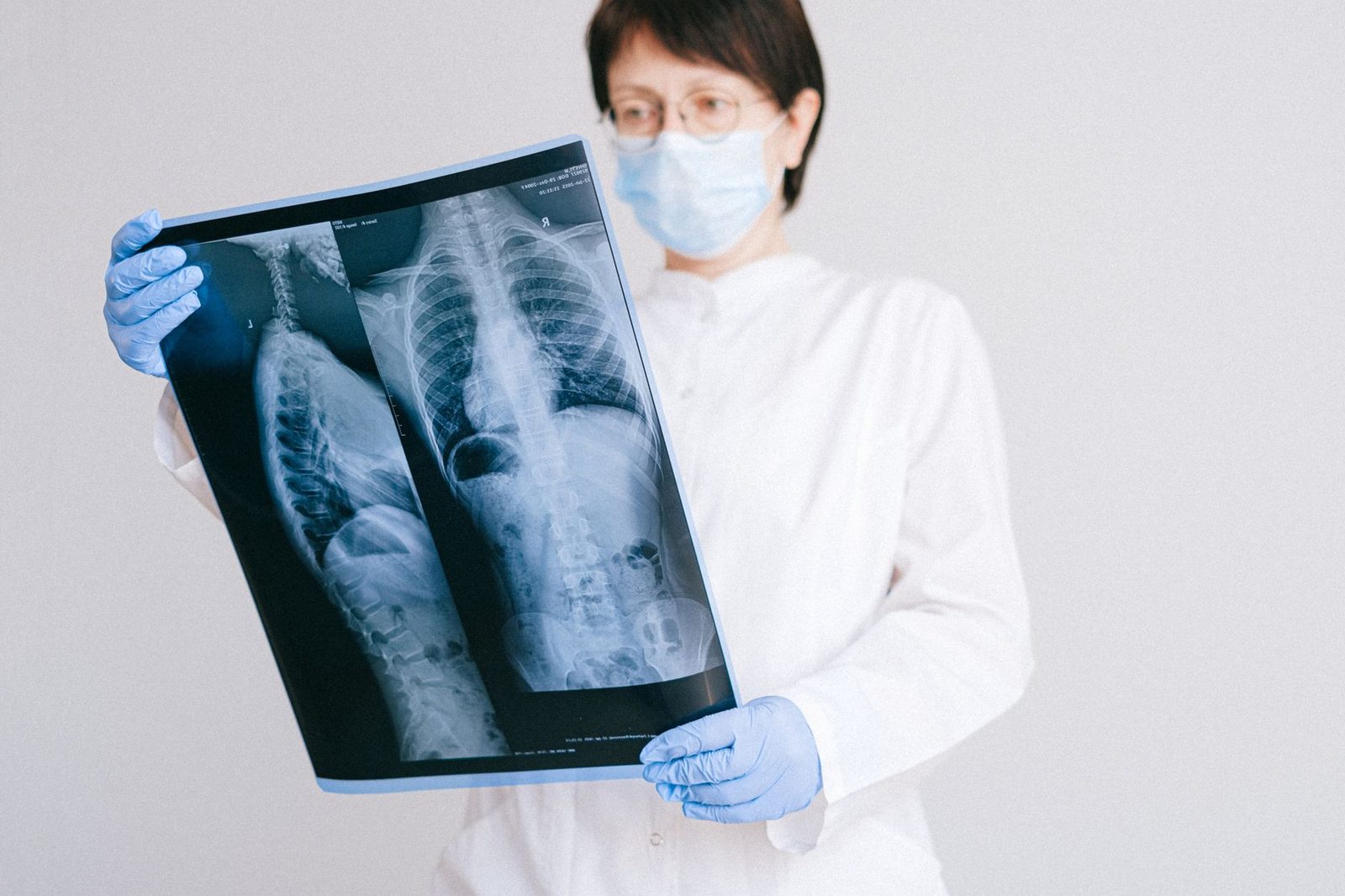
Mesothelioma is a rare cancer. It forms in the mesothelium. The mesothelium is the thin membrane that covers the lungs, chest, and abdominal cavity (the belly area). The ATSDR mesothelioma overview describes it as a rare asbestos-related cancer.
Asbestos is a group of fibrous minerals, meaning minerals made of thin, thread-like fibers. The ATSDR asbestos health information page states that asbestos exposure can cause serious disease. The mesothelioma overview also says that exposure to amphibole asbestos, one type of asbestos, is associated with an increased risk of mesothelioma.
The terms “asbestos-related” and “mesothelioma” may be used together. The two are linked. A claim, however, depends on the details of the exposure. It does not depend on the label alone.
Questions about a specific person’s cancer, stage, and treatment belong to the treating physicians. Bring those questions to your medical team.
How Asbestos Exposure Happens at Work, in the Military, and at Home
Asbestos exposure can happen at work, during military service, or at home. Each setting leaves different records. Those records shape the history.
Workplace exposure is one possible area a family may examine. OSHA’s asbestos hazards page states that occupational asbestos exposure increases the risk of lung cancer and mesothelioma. “Occupational” means related to a job. The page also states that these diseases have a delayed onset. In other words, symptoms can take a long time to appear.
An exposure history may involve work in a variety of trades. Workers handled insulation, pipe, boilers, or building materials. Whether a specific job matters depends on the tasks, the materials, and the dates.
Service records, duty assignments, and unit histories may help document that part of the history.
Secondary exposure, also called take-home exposure, can happen. Spouses, children, and others who shared that home may have been exposed. Whether this applies depends on the setting, the timing, and the records.
The real question is not whether someone ever worked near asbestos. The real question is where, when, and how the person was exposed. It is also what records prove it.
Why Mesothelioma Can Appear Decades After Exposure
Mesothelioma usually shows up many years after exposure. “Latency” means the gap between exposure and the first signs of disease.
The ATSDR mesothelioma overview states that signs of the disease may have a latency period of 30 to 40 years.
An article in PubMed Central discusses typical latency. It also discusses shorter-latency cases. It explains how that bears on attributing causation, which means linking the disease to its cause. The time gap alone does not decide whether a claim exists.
Rebuilding a history that may span decades can involve many records and details. Employers may have changed names. Job sites may be gone. Coworkers may be hard to find. Those details can still matter.
Write down what you remember now, while your memories are fresh. Include:
- Employers, job sites, and cities
- Years worked
- Union or trade names
- Military branches and duty stations
- Product names from labels or boxes
- Names of coworkers and household members who shared the exposure
Keep the list dated. Update it as records turn up. A written timeline is easier to share with your medical team and with CHG.
Who May Bring a Mesothelioma Claim in Florida
A person diagnosed with mesothelioma may, depending on the facts, have a claim. The claim could be against companies whose products or conduct led to the exposure. Whether a claim exists depends on the facts, the medical records, and Florida law.
When a patient has died, the Florida Wrongful Death Act may allow the decedent’s personal representative to bring an action on behalf of the survivors and estate, depending on the facts and applicable Florida law.
Under § 768.20, the decedent’s personal representative brings the action for the survivors and estate. The decedent is the person who died. A personal representative is the person appointed to handle the deceased person’s estate.
Under that section, when a personal injury to the decedent results in death, no action for that personal injury survives, and any such action pending at the time of death shall abate, although how the section applies in a particular case depends on the facts and on Florida law. Florida’s wrongful death statute, § 768.20, addresses what happens to a pending action when the injured person dies, and how that may affect a claim depends on the facts of each case and applicable Florida law.
Survivors may recover certain damages. Under § 768.21, a surviving spouse may recover for loss of companionship and protection. Minor children may recover for lost parental companionship, instruction, and guidance. Whether any particular right applies depends on the facts of each case. Each family’s situation differs.
Fault matters too. Under § 768.81, for negligence actions filed after March 24, 2023, Florida’s modified comparative-fault rule may bar recovery of damages for a plaintiff who is found more than 50 percent at fault for his or her own harm. How the rule applies depends on the facts of each case and on applicable Florida law. This rule does not apply to medical negligence actions under chapter 766.
A claim may involve more than one company. Under § 768.81, a court generally enters judgment against each liable party based on its share of fault.
Asbestos Bankruptcy Trusts and Lawsuits
Some companies facing asbestos claims have set up bankruptcy trusts. These trusts may pay claims separately from a lawsuit.
The discharge provision of the U.S. Bankruptcy Code provides that a discharge in a case under that title operates as an injunction against the commencement or continuation of an action, the employment of process, or an act, to collect, recover or offset any such debt as a personal liability of the debtor (section 524(a)(2)); how it applies depends on the facts of each case. An injunction is a court order. The injunction can bar legal action to collect, directly or indirectly, a claim that a trust pays under a plan. The injunction, the confirmation order, or the plan can expressly allow some actions.
Trust eligibility, filing rules, and payments follow each trust’s own terms. They also depend on each person’s exposure history. Trust claims and lawsuits are separate routes.
A person may pursue trust claims, a lawsuit, or both. No one can say in advance which path applies to a particular family. No one can say what either path may bring.
Wrongful death settlements have their own court rule. Under § 768.25, a settlement is not effective unless the court approves it in certain cases. Those cases include when a survivor objects, or when a minor or incompetent survivor is affected. “Incompetent” here means legally unable to make certain decisions.
Deadlines and What to Gather Now
Florida filing deadlines may apply to asbestos and mesothelioma claims. Contact the firm promptly rather than waiting.
Under § 774.206(1), this section applies to asbestos claims not barred as of that act’s effective date.
The limitations period, which is the time limit for filing, does not begin to run until the exposed person discovers, or should have discovered with reasonable diligence, that he or she is physically impaired by an asbestos-related condition.
Section 774.206(2) treats a claim for a nonmalignant asbestos condition, meaning a non-cancer condition, as a separate cause of action from an asbestos-related cancer claim. A cause of action is a legal claim. Damages may not be awarded for fear or risk of cancer in that civil action.
Asbestos claims also have a reporting step. Under § 774.207(2), a plaintiff must file a verified written report of collateral source payments when the complaint is filed. The plaintiff is the person who brings the lawsuit. Collateral source payments are money the injured person received from other sources.
Gather these records now:
- Medical records and diagnosis reports
- Employment, payroll, and union records
- Military service records
- Any product or job-site information
Keep following your doctors’ care while you gather them.
Working With CHG From Coral Gables
Igor Hernandez is the responsible lawyer for this page. He is a member of The Florida Bar. CHG Lawyers has its office in Coral Gables, Florida. The firm serves clients throughout Florida, including Fort Lauderdale and Broward County.
For families searching for mesothelioma Fort Lauderdale help, the Coral Gables office is the firm’s bona fide location. The firm focuses on personal injury matters in Florida. Its work includes catastrophic injury, wrongful death, and mass-tort matters.
Some mesothelioma matters may be referred to, or handled together with, another law firm. The firm will explain how any referral would work for your family.
If your family is looking back at decades of work and home history, you don’t have to sort it out alone. Contact CHG to talk about that history and the decisions in front of you now. CHG charges no attorney’s fees and no case costs unless there is a recovery.
Frequently Asked Questions
What is mesothelioma, and how is it linked to asbestos?
Mesothelioma is a cancer that forms in the thin lining that covers the lungs, abdomen, or heart. Lawsuits and medical research connect it to asbestos exposure. It often appears decades after that exposure. Patients should follow their doctors’ care and guidance.
Can a Fort Lauderdale family bring a claim if the asbestos exposure happened many years ago?
Whether a claim exists depends on where and how the person was exposed, the medical records, and Florida law. Filing deadlines apply and can be strict. Families should contact Igor Hernandez at CHG Personal Injury Lawyers promptly.
Can asbestos bankruptcy trusts pay mesothelioma claims separately from a lawsuit?
Some companies that went through bankruptcy set up trusts. These trusts may pay asbestos claims outside of a lawsuit. Eligibility and payment rules depend on the exposure history and each trust’s terms. The right path differs from case to case.
How can a family in Fort Lauderdale contact CHG Personal Injury Lawyers?
Contact CHG Personal Injury Lawyers at its Coral Gables, Florida office. You can speak with Igor Hernandez about your family’s situation. CHG charges no attorney’s fees and no case costs unless there is a recovery. CHG may refer a matter to, or handle it together with, another law firm.
How CHG Personal Injury Lawyers Can Help
Review of Exposure History
We look at where and how a person may have been exposed to asbestos, such as at a job site, through military service, or through household contact. Whether a claim exists depends on the facts, the records, and applicable Florida law.
Depending on the facts, a claim may involve a lawsuit against a company, a claim against an asbestos bankruptcy trust, or both. Trust claims may be handled separately from a lawsuit.
Support for Families
Serving Florida Communities
CHG Personal Injury Lawyers is a Florida-based firm with its office in Coral Gables, Florida. We represent clients throughout Florida, including families in Fort Lauderdale and Broward County.
Important: Time Limits May Apply
Legal deadlines may apply to a mesothelioma or asbestos-related claim, and they depend on the facts of each case and on Florida law. Do not wait to ask questions. Contact CHG Lawyers promptly so the records and details of your situation can be reviewed. Follow your doctors' care and guidance at all times.
Information That May Help Your Family
Write Down Work and Home History
Note the places, employers, dates, and job roles where you may have worked with or near asbestos materials. Family members may also recall household or hobby exposures. These details can be relevant to a claim, depending on the facts.
Keep Medical Records
Gather diagnosis reports, imaging, and treatment notes. Medical records help document the illness and its timeline, and they are central to evaluating any claim.
Gather Military or Employment Records
Service records, job assignments, union records, and old pay stubs may help show where exposure occurred. Ask your family to keep these documents together in one place.
Ask CHG About Your Options
Bring your questions to CHG Personal Injury Lawyers. CHG charges no attorney's fees and no case costs unless there is a recovery.