

Spinal Cord Injury Education
Paraplegia vs. Paraparesis: What's the Difference?
Understanding lower-limb paralysis after a spinal cord injury—and what it means for your recovery and your claim.
By CHG Lawyers · Published October 06, 2026
Paraplegia vs. Paraparesis: Understanding Lower-Limb Paralysis After Spinal Cord Injury
Paraplegia is complete or near-complete paralysis of the lower limbs and lower trunk, usually from a spinal cord injury at the mid-back level or below. Paraparesis is partial or incomplete paralysis—meaning some muscle function, sensation, or movement remains, even if significantly reduced. Both stem from spinal cord damage, but the extent of nerve injury determines which term applies and what recovery may look like.
If you or a family member has received one of these diagnoses after an accident, understanding what it means—and what it doesn’t—is the first step. The distinction affects not only your medical prognosis but also your independence, your daily routines, and your long-term costs.
Not sure what your next step is?
Talk it through with our team — the first consultation is free, confidential, and carries no obligation.
Complete vs. Incomplete: The Core Medical Difference
In complete paraplegia, a person typically cannot move or feel their legs and lower trunk below the level of injury. Bowel and bladder control is usually lost. A person with complete paraplegia relies on a wheelchair for mobility.
In paraparesis, a person retains some muscle strength, sensation, or both in the lower limbs. This partial preservation of function is the defining feature. Movement may range from weak but present to significantly limited. The person may walk with assistance, use a cane or walker, or have reduced endurance. Sensation may be partial, altered, or present in some areas but not others.
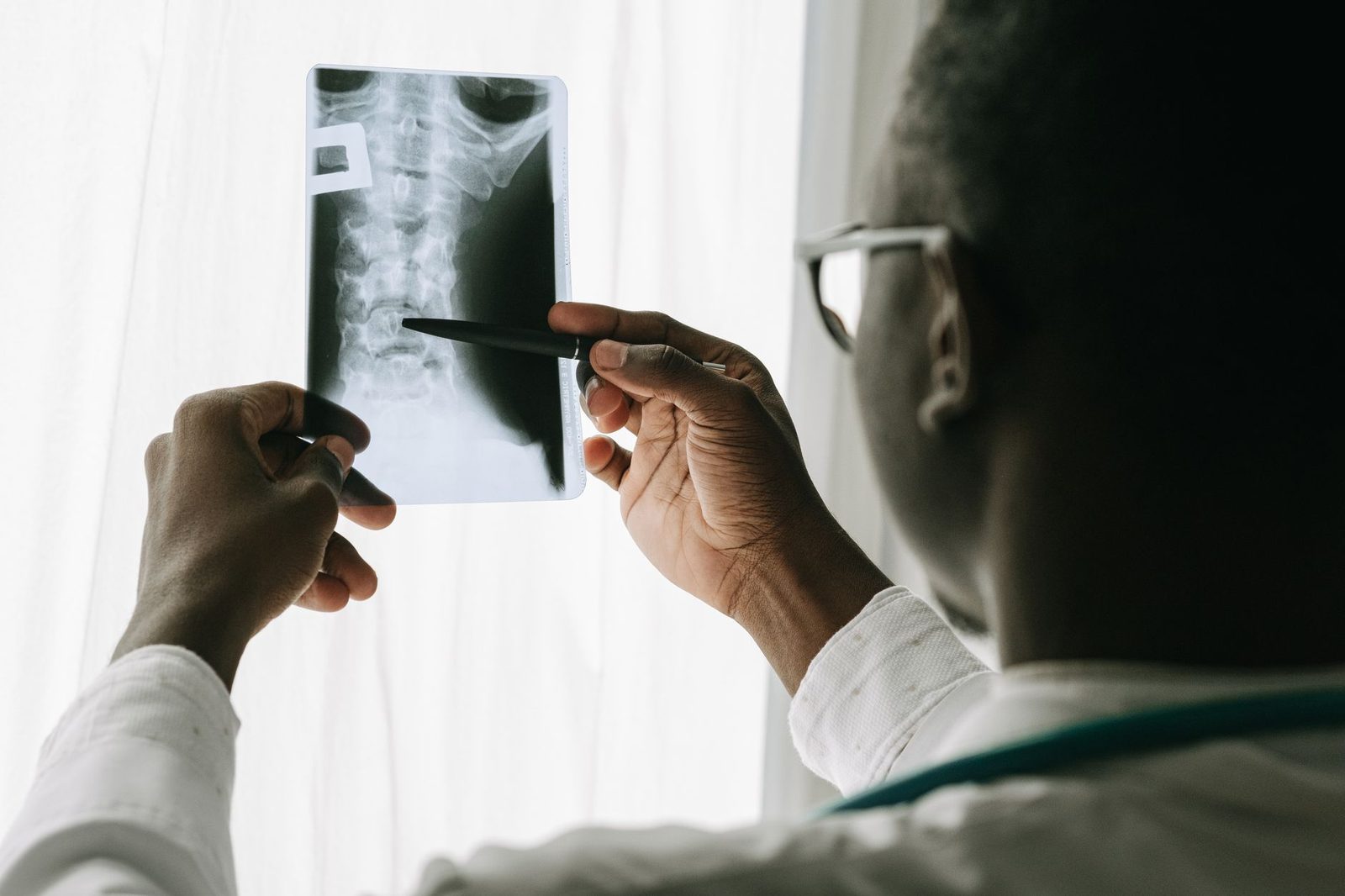
The key distinction: paraplegia means severe loss of function; paraparesis means partial loss of function. Clinicians use the ASIA Impairment Scale to classify spinal cord injuries on a scale from A (complete, no motor or sensory function below the injury level) to E (normal). A complete paraplegia typically rates as ASIA A or B. Paraparesis usually rates as ASIA C, D, or E—meaning some motor or sensory function is preserved below the injury level. Understanding your ASIA grade gives you and your medical team a shared language for discussing your specific injury and what to expect.
How Complete Paraplegia Affects Movement and Sensation
Complete paraplegia results in total or near-total loss of voluntary movement and sensation below the injury level. A person cannot walk, stand, or move their legs without assistance. Bowel and bladder function is lost, requiring management strategies like catheters or bowel programs. Skin care becomes critical to prevent pressure sores. Temperature regulation below the injury level is often impaired.
Some people with incomplete paraplegia—a less common category—retain some sensation or minimal muscle function. This small amount of preserved function can make a meaningful difference in daily independence, even if walking is not possible. A person might feel light touch or pain in parts of the legs, or move toes or ankles slightly. These small preserved functions can improve balance in a wheelchair, reduce the risk of falls, and help with transfers.
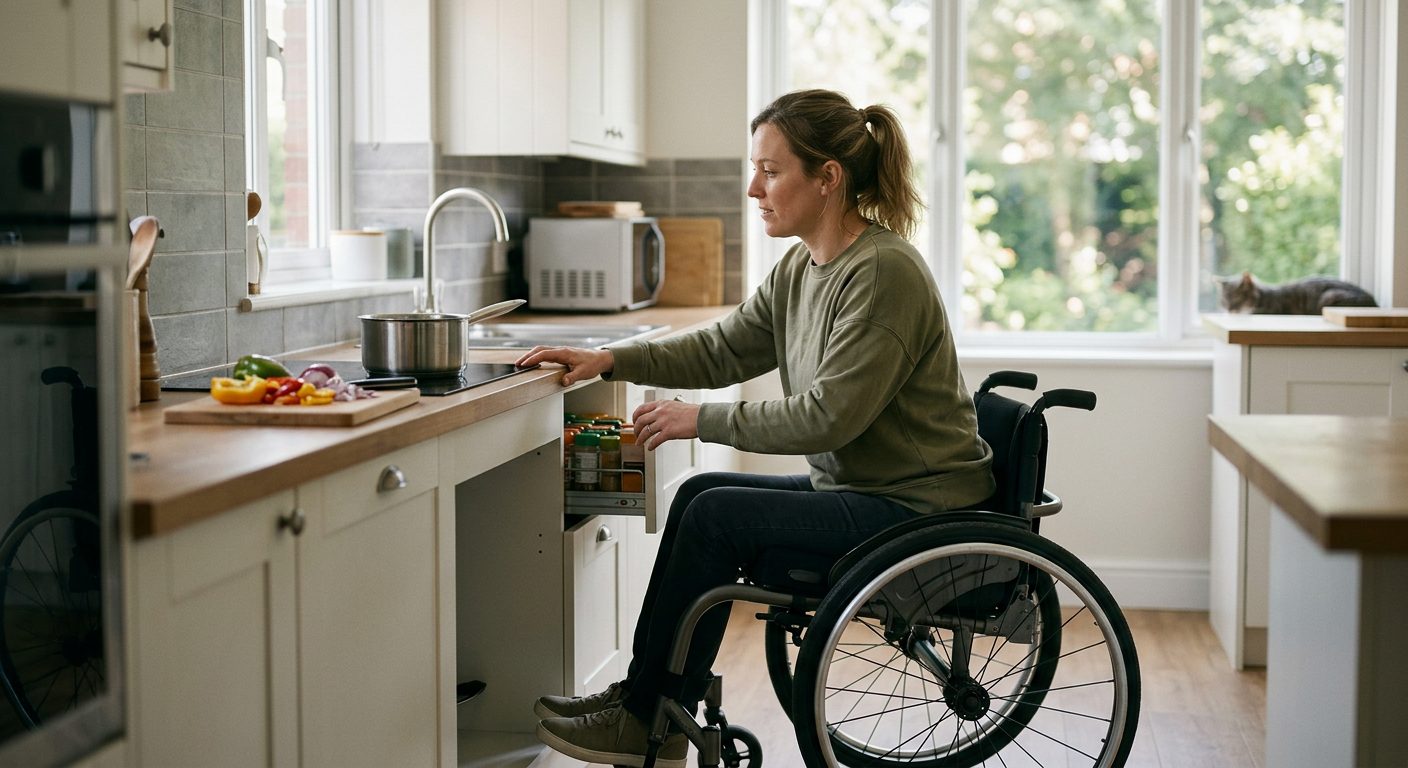
Wheelchair mobility becomes the primary means of transportation. Home modifications—ramps, accessible bathrooms, widened doorways, roll-in showers—become essential. Accessible vehicles, often requiring expensive lifts or hand controls, are necessary. Ongoing care support, whether paid attendants or family assistance, is typically required for personal care, dressing, and household tasks.
How Paraparesis Affects Movement and Sensation
Paraparesis preserves at least some lower-limb function. A person may have weak but active leg muscles, allowing some movement. Sensation may be intact in parts of the legs or altered (tingling, numbness, pain) in others. The degree of preservation depends on the specific level and severity of the spinal cord injury.
Many people with paraparesis retain some bowel and bladder control, though dysfunction is common. Some regain continence over time with rehabilitation and management strategies. Others experience unpredictable loss of control, requiring ongoing management.
This partial preservation opens possibilities that complete paraplegia does not. Walking may be possible, though often with difficulty, assistive devices, or significant fatigue. A person might walk at home with a walker but use a wheelchair for longer distances. Another might walk independently but with a slow, unsteady gait. The variability is wide—and often changes day to day.
Can You Walk with Paraparesis?
Yes—many people with paraparesis can walk, though the reality varies widely.
Walking ability depends on three main factors: the severity of the incomplete injury, the level of spinal cord damage, and the individual’s overall health and rehabilitation effort. Some people walk independently; others require a cane, walker, braces, or other aids. Some walk only short distances before fatigue sets in; others maintain reasonable endurance.
Walking may be slow, unsteady, or require concentration. Pain, spasticity (involuntary muscle tightness), or numbness can complicate the effort. Fatigue is common and can be profound—a person might walk for 10 minutes and then need to rest for hours. But the possibility of walking—even with limitations—often significantly improves quality of life compared to complete paraplegia.
Rehabilitation and physical therapy play a critical role in maximizing walking ability. Early intervention, consistent effort, and access to adaptive equipment (braces, walkers, canes) can make the difference between walking and wheelchair dependence.
Why Medical Teams Use Different Terms
Medical professionals sometimes use “paraplegia” as an umbrella term for any lower-limb paralysis, including incomplete cases. Some older medical literature uses “paraparesis” and “incomplete paraplegia” interchangeably. This inconsistency can make medical records confusing for patients and families.
The ASIA classification system provides a more precise framework—grading spinal cord injuries on a scale from A (complete) to E (normal)—but not all providers use it consistently. Some hospitals or rehabilitation centers may not document your ASIA grade clearly in your medical record.
Understanding your specific diagnosis—complete vs. incomplete, the level of spinal cord injury, and your ASIA grade—is more useful than the label alone. Ask your medical team for clarity on these details. Request a copy of your neurological examination and your ASIA grade. Write down the level of your injury (cervical, thoracic, lumbar, sacral) and what that means for the body parts affected. This clarity helps you understand your prognosis and communicate with future providers.
Have questions about what happened?
Ask our team directly. The first conversation is free, confidential, and there is no obligation to continue.
What Causes Paraplegia and Paraparesis?
Traumatic spinal cord injuries are the leading cause:
- Motor vehicle crashes, including truck accidents
- Motorcycle accidents
- Falls from height or on unsafe property
- Diving accidents
- Violence (gunshot or stabbing wounds)
Non-traumatic causes include tumors, infections, stroke affecting the spinal cord, and degenerative spine disease.
Incomplete injuries (paraparesis) are actually more common than complete injuries. Many spinal cord injuries preserve at least some nerve function. The location and severity of the damage determine whether the result is complete paraplegia or incomplete paraparesis.
First Signs of Paraparesis
Sudden onset usually follows trauma. Gradual onset may result from disease or degeneration.
Common first signs include:
- Weakness in one or both legs that develops suddenly or gradually
- Difficulty walking, climbing stairs, or maintaining balance
- Numbness, tingling, or altered sensation in the legs or feet
- Loss of bowel or bladder control, or difficulty with either
- Pain in the back or neck at the level of injury
If you or a loved one experiences sudden leg weakness or loss of sensation, seek emergency medical care immediately. Early intervention can prevent further spinal cord damage and improve long-term outcomes. Do not wait or assume the symptoms will resolve on their own.
Can Paraparesis Be Cured?
Spinal cord injuries do not heal the way other injuries do. Damaged nerve cells do not regenerate on their own.
However, the spinal cord can sometimes recover some function in the weeks and months after injury, especially with incomplete injuries. This recovery happens through swelling reduction, nerve plasticity (the brain’s ability to rewire itself), and rehabilitation. Physical therapy and adaptive strategies help maximize remaining function and independence.
Research into spinal cord regeneration and repair is ongoing, but no cure currently exists. The goal of treatment is to stabilize the injury, prevent further damage, and help the person adapt and regain as much independence as possible.
Daily Life with Paraplegia or Paraparesis
Paraplegia typically requires significant home modifications (ramps, accessible bathrooms, widened doorways), wheelchair accessibility, and ongoing care or assistance with daily activities. Employment often becomes impossible. Relationships and social participation may be severely limited. Mental health challenges—depression, anxiety, grief—are common and deserve professional support.
Paraparesis may allow more independence in some areas but often involves chronic pain, fatigue, or the need for assistive devices. The unpredictability of function—good days and bad days—can be frustrating and isolating. A person might be able to walk one day and struggle the next, or experience good mornings and exhausted afternoons.
Both conditions affect employment, relationships, finances, and mental health. Lifetime costs of a traumatic spinal cord injury range widely depending on severity, including medical care, rehabilitation, lost income, and home modifications. These costs are often catastrophic for families.
Access to rehabilitation, adaptive equipment, support services, and mental health care is critical for both conditions.
Want to know where you stand?
Tell us what happened and our team will walk you through the options available to you, at no cost.
Next Steps After Diagnosis
Ask your medical team for clarity on whether your injury is complete or incomplete, and what that means for your specific prognosis and recovery.
Seek rehabilitation and physical therapy as soon as possible after injury. Early intervention improves outcomes.
Connect with support groups and resources for spinal cord injury. Organizations like the Christopher & Dana Reeve Foundation offer practical guidance, peer support, and information on adaptive equipment and services.
If Your Spinal Cord Injury Followed an Accident
When a serious injury follows an accident that someone else may have caused—a truck crash, a fall on unsafe property, a shooting at an apartment complex or parking garage, or another preventable incident—many families have questions about their options and the costs they now face.
The person or business responsible for the accident may be liable for your medical bills, lost income, pain and suffering, and the lifetime costs of your care. But proving liability and calculating damages requires experience with catastrophic injury claims. Insurance companies often underestimate the true cost of lifelong care, and they have teams of lawyers working to minimize what they pay.
Talking with an attorney who focuses on catastrophic injury claims can help you understand your situation. A conversation can clarify whether you have a claim, who may be liable, and what recovery might look like. You should not have to navigate this alone while also managing your medical recovery.
If you’re navigating a paraplegia or paraparesis diagnosis after an accident you didn’t cause, you’re likely facing overwhelming medical decisions and financial uncertainty. Contact CHG Personal Injury Lawyers for a free case evaluation to discuss whether you have a claim and what your situation may be worth.
Key Differences at a Glance
Paraplegia
Complete or near-complete paralysis of the lower limbs and lower trunk, usually from a spinal cord injury at the mid-back level or below. Little to no voluntary movement or sensation in the legs.
Paraparesis
Partial or incomplete paralysis of the lower limbs. Some muscle function, sensation, or movement remains—even if significantly reduced or weakened.
The Cause
Both stem from spinal cord damage. The extent and severity of the nerve injury—how much of the cord is damaged and at what level—determines which diagnosis applies.
Recovery Outlook
The degree of paralysis affects rehabilitation potential and long-term function. Your medical team will assess the injury level and completeness to guide treatment and prognosis.
Why This Matters for Your Claim
The severity of your spinal cord injury—whether paraplegia, paraparesis, or another diagnosis—directly affects the damages you may recover. A catastrophic injury that causes permanent paralysis carries different compensation considerations than an incomplete injury. Understanding your diagnosis is the first step in understanding what your case may be worth.
How CHG Personal Injury Lawyers Can Help
Focused on Catastrophic Injury Cases
We focus exclusively on severe, life-altering injuries—including spinal cord damage, paralysis, and traumatic brain injuries. We understand the medical complexity and the long-term impact on your life.
Clear Explanation of Your Diagnosis
We work with medical professionals to translate your diagnosis into plain language and help you understand how your injury affects your claim and your future.
Compassionate, Experienced Representation
We represent clients nationwide who have suffered catastrophic injuries from accidents, negligence, and wrongdoing. We know what families face after a life-changing injury.
No Fees Unless There Is a Recovery
We handle catastrophic injury cases on a contingency basis, so you pay no attorney fees unless we recover compensation for you.