

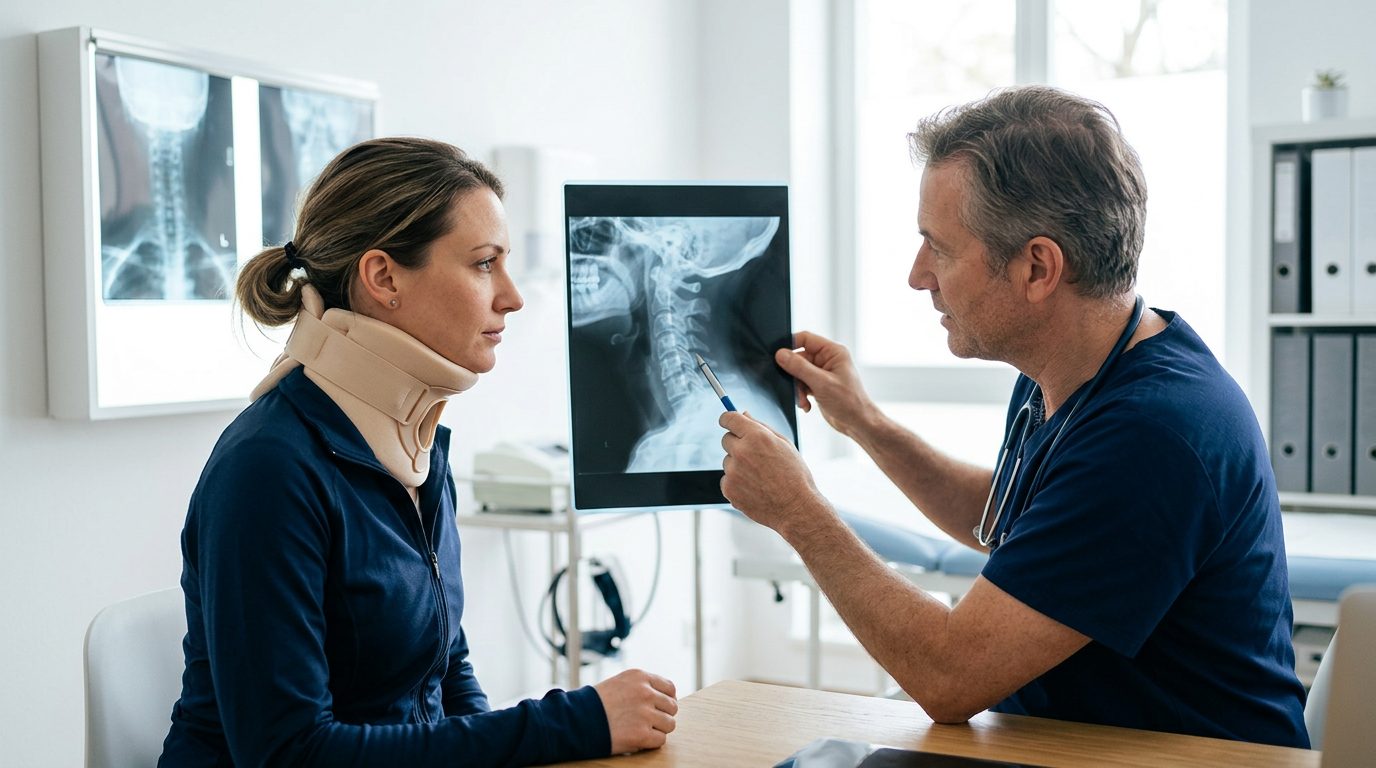
Spinal Cord Injuries
Tetraplegia vs. Tetraparesis: Understanding the Difference
Both conditions affect all four limbs, but the degree of damage and potential for recovery differ significantly. Learn what each diagnosis means and what comes next.
By CHG Lawyers · Published October 06, 2026
Tetraplegia vs. Tetraparesis: Understanding Complete and Incomplete Cervical Spinal Cord Injuries
Tetraplegia means complete loss of voluntary movement and sensation in all four limbs due to a complete cervical spinal cord injury, while tetraparesis means partial weakness or reduced function in all four limbs—some movement and sensation remain, but strength and control are compromised. The distinction hinges on whether nerve pathways through the damaged spinal cord are completely severed (complete injury) or partially preserved (incomplete injury). Both result from trauma to the cervical spine, but the outcomes and recovery potential differ significantly.
If you or someone you care for has suffered a cervical spine injury, understanding this difference is crucial. The terms are often confused in everyday conversation, but they describe two distinct neurological conditions with different implications for treatment, rehabilitation, and long-term independence.
If you're in the early stages of recovery or still trying to understand what happened and what comes next, reach out to discuss your situation. Talk it through with our team — the first consultation is free, confidential, and carries no obligation.
How the Spinal Cord Works and Why Location Matters
The spinal cord is a bundle of nerve fibers running from the brain down through the vertebral column. It’s the communication highway for signals that control movement, sensation, and bodily functions. The cervical spine—the neck region—contains eight vertebrae labeled C1 through C8. Nerve roots branch from this region to control the arms and legs.
When trauma damages the cervical spinal cord, it disrupts these signals. The higher the injury (closer to C1), the more extensive the paralysis. A C4 injury typically affects all four limbs and may impair breathing. A C7 injury usually preserves arm function but affects the hands and legs.
In a complete cervical spinal cord injury, the trauma severs or destroys nerve fibers so thoroughly that no signals can pass below the injury level. This is tetraplegia—total paralysis and loss of sensation in all four limbs.
In an incomplete cervical spinal cord injury, the trauma damages some nerve pathways but leaves others intact. Signals can still travel, though often weakly or partially. This is tetraparesis—weakness and reduced control in all four limbs, with some residual function.
Tetraplegia: Total Loss of Movement and Sensation
Tetraplegia results from a complete cervical spinal cord injury where all voluntary movement and sensation below the injury level are lost. A person with tetraplegia cannot move their arms or legs voluntarily and cannot feel touch, temperature, or pain in those limbs.
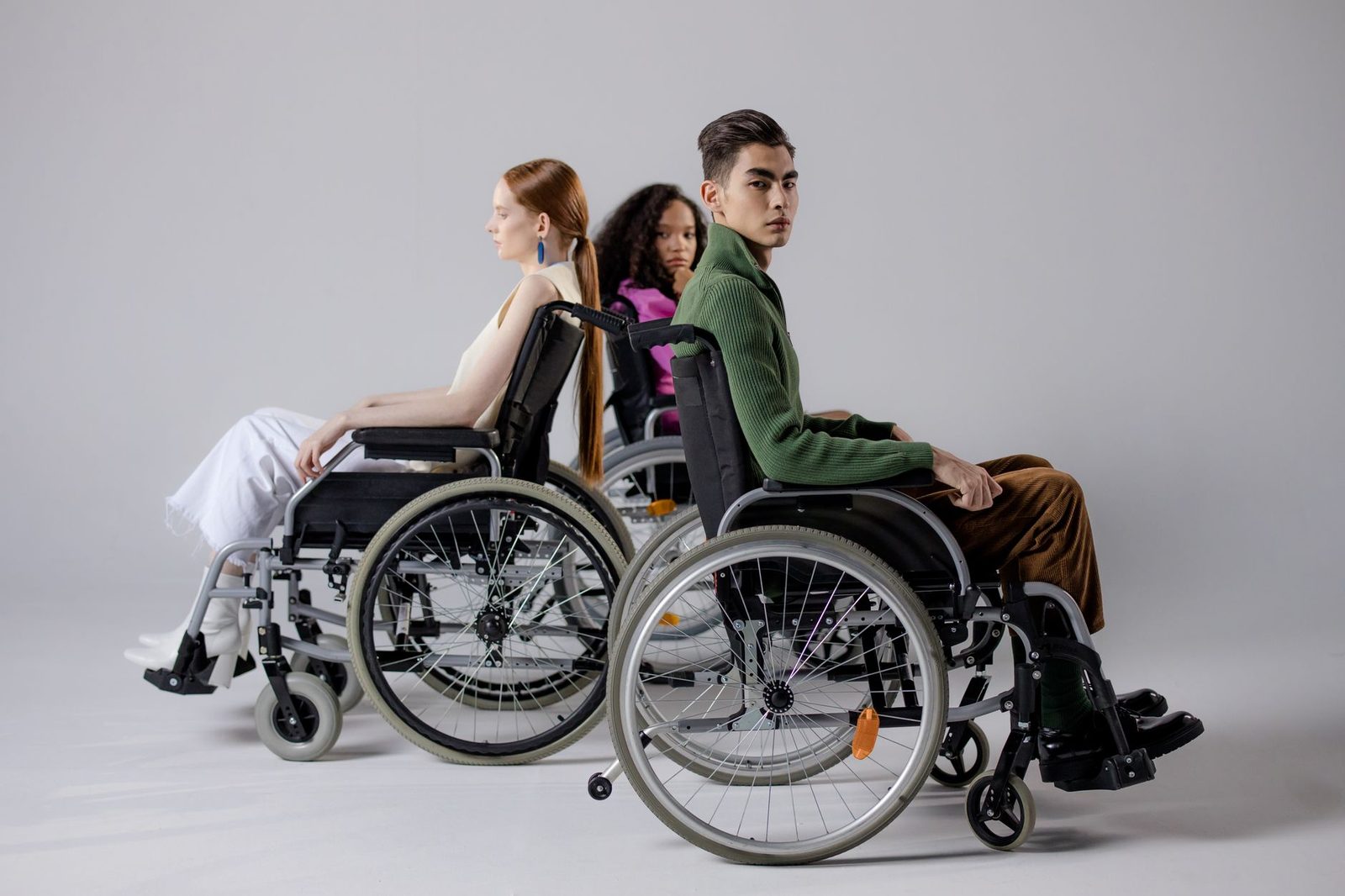
Daily life requires significant adaptation and support. Most people with tetraplegia use a powered wheelchair operated by mouth, head, or eye movements. They typically need assistance with eating, bathing, dressing, and toileting. Bowel and bladder management usually requires catheterization or other medical interventions.
The term “quadriplegia” is often used interchangeably with tetraplegia in medical conversation. Both refer to paralysis of all four limbs, though “tetraplegia” is the more precise anatomical term.
Tetraplegia is permanent in most cases. However, rehabilitation and adaptive equipment can help maximize remaining function and independence. Someone with a C5 tetraplegia injury, for example, may retain some shoulder and bicep function, allowing greater independence than someone with a C1 injury.
Tetraparesis: Partial Weakness Across All Four Limbs
Tetraparesis results from an incomplete cervical spinal cord injury where some nerve pathways remain functional. A person with tetraparesis retains some degree of movement and sensation in their arms and legs, though strength and control are reduced.
The extent of weakness varies enormously depending on how much of the spinal cord is damaged and which nerve pathways survived. One person with tetraparesis might walk with a cane and have full arm function. Another might use a wheelchair but retain hand and finger movement. A third might have significant weakness in all four limbs but retain enough function to live independently with adaptive equipment.
Because incomplete injuries preserve some nerve pathways, tetraparesis often offers greater potential for recovery than complete tetraplegia. Physical therapy, occupational therapy, and specialized neurological rehabilitation can help strengthen remaining function and sometimes restore movement that seemed lost immediately after the injury. Early intervention is critical; specialized spinal cord injury rehabilitation programs can significantly improve long-term outcomes.
Not sure what your next step is?
Talk it through with our team — the first consultation is free, confidential, and carries no obligation.
Recovery, Rehabilitation, and Adaptive Equipment
The difference between tetraplegia and tetraparesis affects rehabilitation goals and the types of support a person may need.
For tetraparesis, rehabilitation focuses on intensive physical and occupational therapy to strengthen remaining function and regain as much mobility and independence as possible. A person with tetraparesis might work toward walking with assistive devices, improving hand and arm strength, or regaining fine motor control. Recovery can continue for months or years after the injury.
For tetraplegia, rehabilitation typically focuses on maximizing independence within the constraints of total paralysis. Goals include learning to operate a powered wheelchair, using voice-controlled devices and environmental controls, and adapting the home and workplace for accessibility.
Adaptive equipment available today includes powered wheelchairs (operated by mouth, head, or eye movements), voice-controlled devices, specialized beds, accessible bathroom equipment, environmental controls, and communication aids. Technology continues to advance, offering new possibilities for independence and quality of life.
Understanding whether an injury is complete or incomplete helps medical teams set realistic expectations and tailor treatment plans. Early intervention and specialized spinal cord injury rehabilitation can make a profound difference in outcomes for both conditions.
Common Causes of Cervical Spine Injuries
Cervical spine injuries that cause tetraplegia or tetraparesis result from significant trauma:
- Motor vehicle accidents—car crashes, truck collisions, motorcycle accidents, and rideshare accidents can cause cervical spine damage if the impact is severe
- Falls from height—from ladders, scaffolding, roofs, or upper-story windows
- Diving accidents—striking the head on the bottom or rocks in shallow water
- Sports injuries—from football, rugby, gymnastics, or other high-impact activities
- Workplace accidents—including construction zone injuries, falls, or equipment-related trauma
- Falls on unsafe property—on stairs, in bathrooms, or on poorly maintained premises where the property owner failed to provide reasonable safety
- Violence—gunshot wounds, stabbings, or severe assaults that damage the cervical spine
- Medical negligence—complications during surgery or medical procedures that cause spinal cord damage
If your cervical spine injury resulted from someone else’s negligence, recklessness, or failure to provide reasonable safety, you may have a legal claim for compensation.
Life Expectancy and Long-Term Outlook
Modern medical care and rehabilitation have significantly improved life expectancy for people with tetraplegia and tetraparesis. Many people with these conditions now live for decades after their injury.
Life expectancy depends on several factors:
- Severity of the injury (complete vs. incomplete, level of cervical damage)
- Age at injury (younger people generally have longer life expectancy)
- Overall health and pre-existing conditions
- Access to quality medical care and rehabilitation
- Management of complications such as respiratory infections, pressure sores, blood clots, or urinary tract infections
Complications require careful management. Respiratory infections are a particular concern for people with high cervical injuries (C1–C4) because the injury may affect the diaphragm and breathing muscles. Pressure sores develop from prolonged pressure on the skin and can become life-threatening if infected. Blood clots can form in the legs and travel to the lungs.
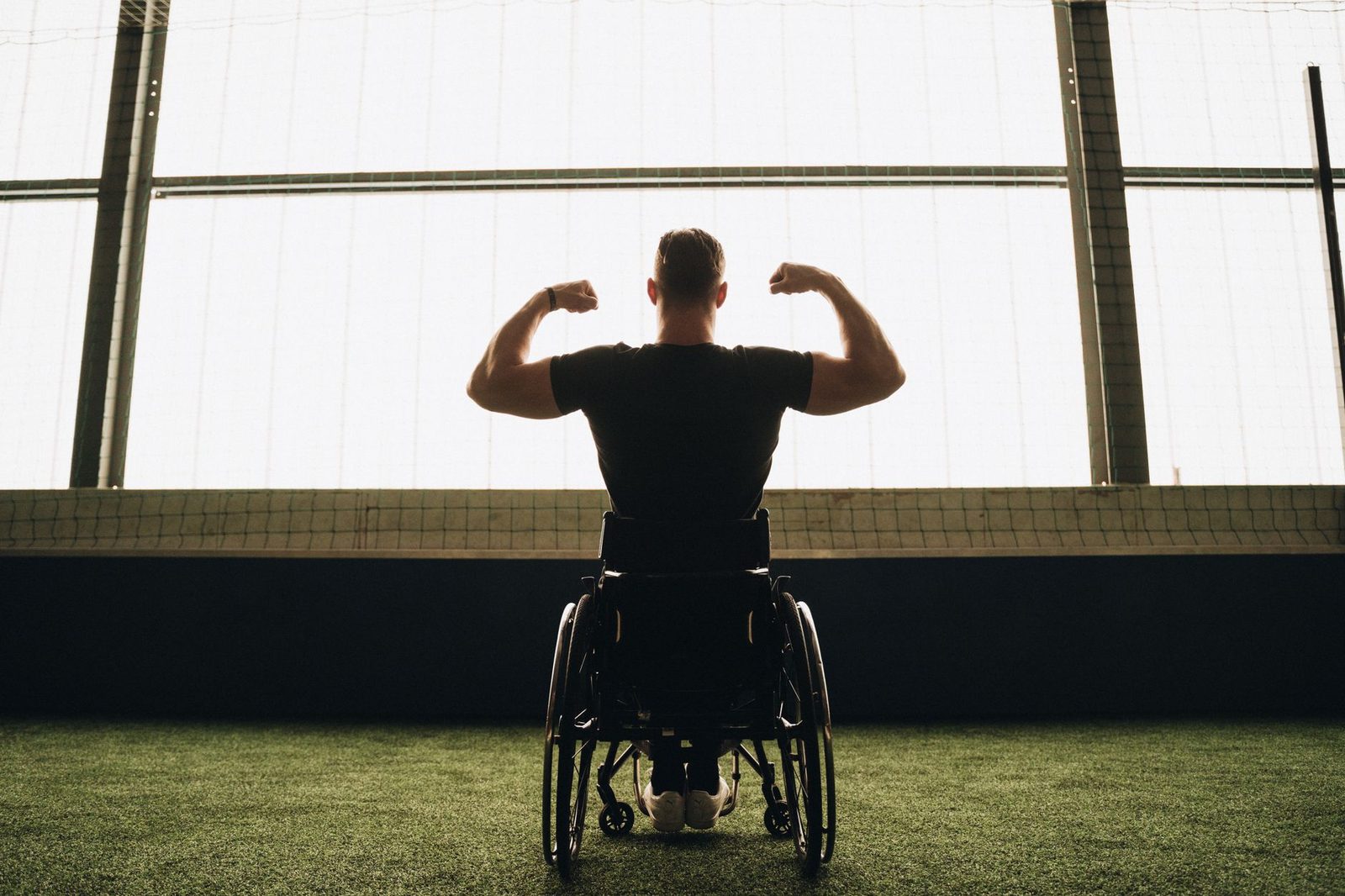
With proper medical support, adaptive equipment, vocational rehabilitation, and psychological support, many people with tetraplegia or tetraparesis live full, meaningful lives.
Have questions about what happened?
Ask our team directly. The first conversation is free, confidential, and there is no obligation to continue.
Frequently Asked Questions
Can a person with tetraplegia or tetraparesis regain function?
Recovery depends on the severity of the injury. Incomplete injuries (tetraparesis) generally have better potential for improvement than complete injuries (tetraplegia), especially with early, intensive rehabilitation. Some people regain significant function months or years after the injury; others plateau. Recovery is highly individual and depends on the specific injury, age, overall health, and access to quality rehabilitation.
Do people with these conditions require lifelong care?
Many require ongoing medical support and assistance. However, independence varies widely. Some people with tetraparesis may live independently with adaptive equipment and periodic assistance; others require full-time caregiving. People with tetraplegia typically need more extensive support but may still achieve significant independence with the right equipment and training.
What resources are available for spinal cord injury rehabilitation?
Specialized spinal cord injury centers provide comprehensive rehabilitation, including physical therapy, occupational therapy, vocational counseling, and psychological support. Organizations like the National Spinal Cord Injury Statistical Center and the American Spinal Injury Association provide educational resources and connect people with rehabilitation programs and support services.
If You or a Loved One Has Suffered a Cervical Spine Injury
A cervical spine injury that causes tetraplegia or tetraparesis is life-altering. The immediate and long-term costs—medical care, rehabilitation, adaptive equipment, home and vehicle modifications, lost income—are substantial.
If the injury resulted from a motor vehicle accident, a workplace incident, unsafe property conditions, or another person’s or entity’s negligence or failure to provide reasonable safety, you may have a legal claim for compensation. Under Florida law, you have two years to file a negligence lawsuit. Securing financial resources early can help ensure your family has the support and care you need.
CHG Personal Injury Lawyers focuses exclusively on catastrophic injury cases, including spinal cord injuries and paralysis. We work with people nationwide who have suffered cervical spine injuries and understand the medical, financial, and personal challenges you face.
If you’re in the early stages of recovery or still trying to understand what happened and what comes next, reach out to discuss your situation. A free case evaluation can help you understand whether you have a claim and what your legal options are.
Key Differences at a Glance
Tetraplegia (Complete Injury)
Total loss of voluntary movement and sensation below the level of injury. The spinal cord is completely severed or damaged. No nerve signals pass through the injury site.
Tetraparesis (Incomplete Injury)
Partial loss of movement and/or sensation below the injury level. Some nerve pathways remain intact. Varying degrees of function may be preserved or recover over time.
Recovery Potential
Tetraplegia: Limited recovery; function below the injury level typically does not return. Tetraparesis: Better potential for improvement, especially with early intensive rehabilitation.
Daily Impact
Both require significant life adjustments, assistive equipment, and ongoing care. The specific limitations depend on the injury level and whether the injury is complete or incomplete.
Recovery Is Highly Individual
Some people regain significant function months or years after a spinal cord injury; others plateau earlier. Recovery depends on the severity of the injury, the specific level of damage, age, overall health, and the intensity of rehabilitation. Early intervention and specialized medical care offer the best chance for improvement.
What You Need to Know After a Spinal Cord Injury
Medical Diagnosis Is Essential
Only imaging and clinical evaluation by a physician can determine whether your injury is complete (tetraplegia) or incomplete (tetraparesis). Do not rely on initial symptoms alone—changes can occur over weeks and months.
Early Treatment Matters
Immediate medical care and early rehabilitation can improve outcomes for both tetraplegia and tetraparesis. Delays in treatment may reduce recovery potential.
Liability and Compensation
If your spinal cord injury resulted from someone else's negligence—a truck crash, a fall due to unsafe conditions, or a violent attack on an unsecured property—you may have a claim for damages to cover medical care, lost income, and ongoing support.
Long-Term Care Planning
Both conditions often require ongoing medical treatment, adaptive equipment, home modifications, and personal care assistance. Understanding your legal rights helps ensure you have the resources to pay for the care you need.