


Spinal Cord Injury Education
Quadriplegic vs. Quadriplegia: Understanding the Terms
Learn the difference between the medical condition and the person living with it—and what a quadriplegia diagnosis means for your life and your options.
By CHG Lawyers · Published September 04, 2026
Quadriplegic vs. Quadriplegia: What’s the Difference?
Quadriplegia is the medical condition—the paralysis itself. Quadriplegic is the word we use to describe a person who has that condition. Think of it like “diabetes” (the disease) and “diabetic” (the person who has it). Both terms refer to the same underlying injury; the difference is simply how we use the words.
If you or a loved one recently received a quadriplegia diagnosis, or you’re trying to understand what happened after a serious accident, this page will help. We’ll explain the terminology, what the condition means for daily life, and—if negligence or wrongdoing caused the injury—what legal options may be available.
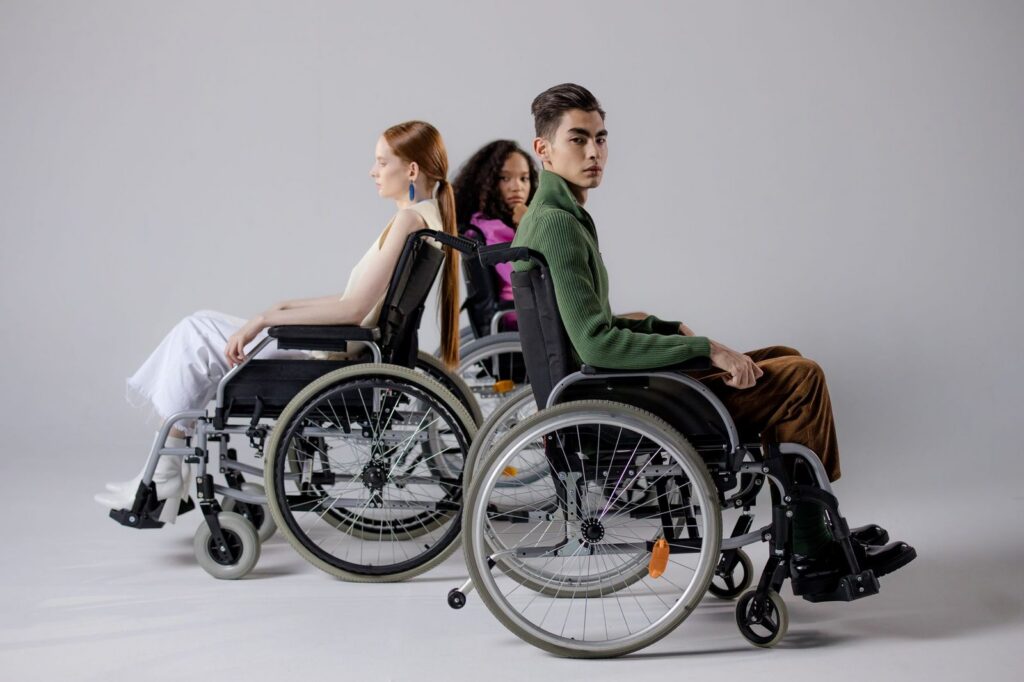
If you or someone close to you became quadriplegic because of an accident or someone's negligence, you may have a right to compensation. Talk it through with our team — the first consultation is free, confidential, and carries no obligation.
The Simple Difference: A Matter of Grammar
Quadriplegia is a noun. It names the medical condition itself—the paralysis affecting all four limbs.
Quadriplegic is an adjective. It describes a person who has the condition. You might say, “She is quadriplegic” or “He is a quadriplegic person.” Both are correct.
In medical settings, you’ll hear both terms used interchangeably. You may also hear tetraplegia, which means exactly the same thing. “Tetra-” means four, and “-plegia” means paralysis. The American Spinal Injury Association and the National Institute of Neurological Disorders and Stroke use both terms.
Bottom line: One is the condition; the other is the person.
What Quadriplegia Actually Means Medically
Quadriplegia is paralysis affecting all four limbs—both arms and both legs. It happens when the spinal cord is damaged in the neck or upper back.
Your spinal cord is the bundle of nerves that carries signals from your brain to the rest of your body. When the cord is damaged, those signals can’t get through. The parts of the body below the injury lose movement and sensation. The American Spinal Injury Association (ASIA) International Standards for Neurological Classification provides a standardized system that doctors use to document which nerve levels are affected and how much function remains.
The higher the injury on the spine, the more function is typically lost. A person with an injury high in the neck (C3 or C4 level) may lose function in the arms, hands, legs, and trunk. They may also need ventilator support for breathing. A person with an injury lower in the cervical spine (C6 or C7) might keep some arm or hand function—and that difference can be significant for independence and quality of life.
Complete vs. Incomplete Quadriplegia
Quadriplegia can be complete (total loss of movement and sensation below the injury) or incomplete (some function remains). According to the Christopher & Dana Reeve Foundation, approximately 50% of spinal cord injuries are incomplete. This means some nerve function persists below the level of injury.
In incomplete quadriplegia, some people regain limited function through intensive rehabilitation. Physical therapy, occupational therapy, and specialized neurological recovery programs can help. However, most people with quadriplegia use a wheelchair for mobility, whether their injury is complete or incomplete.
The distinction matters because it affects recovery potential, rehabilitation goals, and long-term quality of life. All of these factors affect damages calculations in personal-injury cases.
Are Quadriplegics Paralyzed from the Neck Down?
Most people with quadriplegia have injuries in the neck region. That’s why “paralyzed from the neck down” is a common description. However, the exact level of paralysis depends on where the spinal cord damage occurred.
The ASIA classification system measures sensation and motor function at specific spinal levels. A high cervical injury—at the C3 or C4 level (near the top of the neck)—may affect breathing and require ventilator support. A lower cervical injury—at C6 or C7—may preserve enough arm and hand function to allow some independence with adaptive equipment.
The phrase “from the neck down” is accurate for most people with quadriplegia, but it’s a simplification. Arm and hand function can make a profound difference in daily life, independence, and the cost of care. This is why detailed medical documentation of the injury level is critical in personal-injury claims.
Not sure what your next step is?
Talk it through with our team — the first consultation is free, confidential, and carries no obligation.
Can You Be Quadriplegic and Still Walk?
In cases of incomplete quadriplegia, some people regain limited walking ability through intensive rehabilitation and therapy. However, most people with quadriplegia will use a wheelchair for mobility, either full-time or part-time.
The term “quadriplegic” does not necessarily mean complete inability to walk. It means paralysis affecting all four limbs to some degree. Recovery and function vary widely depending on:
- The severity and location of the spinal cord injury
- The person’s age and overall health at the time of injury
- Access to quality rehabilitation and ongoing therapy
- Motivation and participation in recovery programs
Some people with incomplete quadriplegia walk with braces or canes. Others use a wheelchair for efficiency and energy conservation. The goal of rehabilitation is to maximize whatever function remains and help the person live as independently as possible. In personal-injury cases, the extent of recovery and functional improvement directly affects damages—both for ongoing medical care and for pain and suffering.
Are All Four Limbs Paralyzed in Quadriplegia?
Yes—by definition, quadriplegia means all four limbs are affected by paralysis. This is what distinguishes it from paraplegia, where only the legs are paralyzed (usually from a spinal cord injury in the mid-back or lower back).
The degree of paralysis and level of function vary from person to person. Even in incomplete quadriplegia, all four limbs have some loss of normal function. That’s why individual medical assessment and rehabilitation planning are so important—and why detailed expert medical testimony is essential in litigation.
Common Causes of Quadriplegia
Quadriplegia results from serious trauma to the spinal cord. Common causes include:
- Vehicle accidents: car crashes, truck collisions, motorcycle accidents, and rideshare accidents
- Falls: falls from height, falls down stairs, or falls on construction sites
- Diving accidents: diving into shallow water or hitting an underwater object
- Workplace and construction injuries: falls, equipment accidents, or being struck by heavy objects
- Acts of violence or assault: gunshot wounds, stabbings, or blunt-force trauma
- Medical negligence or surgical errors: mistakes during surgery or improper medical care
- Sports injuries: football, rugby, gymnastics, or other high-impact activities
In catastrophic-injury cases, many quadriplegia injuries arise from vehicle accidents (including truck crashes), negligent security failures (assaults on unsafe property), or medical negligence. These are situations where someone else’s negligence or wrongdoing caused the injury—and that matters legally because it may give rise to a claim for damages.
What Is the Life Expectancy of a Quadriplegic Person?
Life expectancy for people with quadriplegia has improved significantly with modern medical care. According to the Christopher & Dana Reeve Foundation, a person with incomplete quadriplegia may have a near-normal lifespan. Even with complete quadriplegia, many people live for decades with proper medical support, accessible housing, and quality care.
Life expectancy depends on:
- The severity of the injury (complete vs. incomplete)
- Age at the time of injury (younger people often have better long-term outcomes)
- Overall health and fitness before the injury
- Access to quality medical care and rehabilitation
- Complications like respiratory infections or pressure wounds
The key factor is access to proper care. People with quadriplegia who have good medical support, regular therapy, and a strong support network often live full, meaningful lives. However, the cost of that care is substantial. In personal-injury cases, life expectancy directly affects the calculation of lifetime medical costs and lost earning capacity.
Have questions about what happened?
Ask our team directly. The first conversation is free, confidential, and there is no obligation to continue.
Living with Quadriplegia: What Changes
Quadriplegia is a life-altering injury. Many people with quadriplegia live independently or semi-independently with the right support and equipment.
Mobility requires a wheelchair and accessible environments—ramps, elevators, accessible bathrooms, and modified vehicles. Specialized wheelchairs (power chairs, sports chairs) can cost $15,000 to $50,000 or more.
Daily activities may require adaptive equipment (specialized utensils, voice-controlled devices, robotic arms) or personal assistance with bathing, dressing, and hygiene. The cost of 24-hour attendant care can exceed $100,000 per year.
Employment and education are possible with appropriate accommodations—remote work, accessible facilities, and assistive technology.
Mental health and emotional adjustment are critical. The transition to life with quadriplegia is profound. Counseling and peer support are important parts of recovery.
Rehabilitation and therapy continue long after the initial injury. Physical therapy, occupational therapy, and vocational rehabilitation help maximize function and independence.

The Legal Side: When an Accident Causes Quadriplegia
Quadriplegia from an accident caused by someone else’s negligence or wrongdoing may give rise to a legal claim for damages. This is where the injury’s permanence and life-altering nature matter most.
Damages in quadriplegia cases typically cover:
- Medical care and rehabilitation: emergency treatment, hospitalization, ongoing medical management, therapy, and specialized care
- Assistive equipment: wheelchairs, accessible vehicles, home modifications, communication devices, and other adaptive technology
- Home modifications: ramps, accessible bathrooms, elevators, and other structural changes needed for accessibility
- Lost income: wages lost due to the injury and reduced earning capacity over a lifetime
- Pain and suffering: compensation for the physical and emotional impact of the injury
- Caregiver costs: the cost of personal assistance, nursing care, and attendant services
The costs of lifelong care for quadriplegia are substantial—often hundreds of thousands of dollars over a lifetime. A legal claim can help secure the resources needed for that care.
If the injury resulted from a vehicle accident, workplace negligence, unsafe property conditions, medical error, or any other situation where someone else’s actions or failure to act caused the injury, an attorney can evaluate whether you have a claim and what damages may be recoverable.
If you or someone close to you became quadriplegic because of an accident or someone’s negligence, you may have a right to compensation. Contact us for a free case evaluation to discuss what happened and what your case might be worth.
Key Differences at a Glance
Quadriplegia
The medical condition itself—paralysis affecting all four limbs and the torso, usually caused by a spinal cord injury at the cervical (neck) level.
Quadriplegic
The term used to describe a person who lives with quadriplegia. It's how we refer to the individual, just as we'd say 'diabetic' for someone with diabetes.
Same Injury, Different Words
Both terms refer to the exact same underlying condition. The difference is purely grammatical—one names the condition, the other names the person.
Why the Distinction Matters
Using person-first language ('a person with quadriplegia') or identity-first language ('quadriplegic person') reflects respect and acknowledges the individual beyond the injury.
If You or a Loved One Recently Received This Diagnosis
A quadriplegia diagnosis after a serious accident—a truck crash, a fall, a workplace injury, or another traumatic event—changes everything. You may be facing questions about medical care, rehabilitation, long-term support, and whether someone else's negligence or wrongdoing caused your injury. You have options, and you don't have to navigate them alone.
What CHG Personal Injury Lawyers Focuses On
Catastrophic Spinal Cord Injuries
We focus exclusively on serious and catastrophic personal injuries, including quadriplegia and other spinal cord injuries that permanently alter your life.
Understanding Your Claim
We explain your legal options in plain language—no jargon—so you understand what happened, why it matters, and what comes next.
Compassionate Representation
We treat every client and their family with dignity and respect, recognizing the profound impact a catastrophic injury has on your life.
Nationwide Reach
Based in Florida and licensed to practice there, we handle catastrophic injury cases nationwide—wherever your accident occurred.