
Spinal Cord Injury
What Is Spastic Quadriplegia?
Understanding paralysis of all four limbs, its causes, and what happens next
By CHG Lawyers · Published October 04, 2026
Spastic Quadriplegia: What It Is, What Causes It, and Living with Paralysis of All Four Limbs
Spastic quadriplegia is paralysis affecting all four limbs—both arms and legs—caused by damage to the brain or spinal cord. The defining feature is spasticity: involuntary muscle tightness that resists stretching, makes movement difficult, and often causes pain. If you or a loved one has recently received this diagnosis, this guide explains what it means in plain language, what causes it, how it affects daily life, and what to expect.
Not sure what your next step is?
Talk it through with our team — the first consultation is free, confidential, and carries no obligation.
What Is Spastic Quadriplegia? A Plain-Language Definition
Spastic quadriplegia means all four limbs are paralyzed and the muscles are abnormally tight and stiff.
Here’s what’s happening in the body: The brain and spinal cord send signals that tell muscles when to contract and relax. When the brain or spinal cord is damaged, those signals become scrambled. Instead of relaxing when they should, muscles stay partially contracted—constantly tense, resistant to stretching, and difficult to control voluntarily.
“Spastic” describes this type of muscle tone—involuntary tightness.
“Quadriplegia” means all four limbs are affected: both arms and both legs.
According to the CDC, spastic quadriplegia is the most common form of cerebral palsy, accounting for approximately 80% of all cerebral palsy cases. However, spastic quadriplegia can also develop after birth from a spinal cord injury caused by trauma or medical complications.
The key difference from other forms of paralysis: In spastic quadriplegia, the problem isn’t just weakness or loss of movement—it’s fighting against constant muscle tightness that limits how far joints can bend and causes discomfort during stretching and therapy.
What Causes Spastic Quadriplegia?
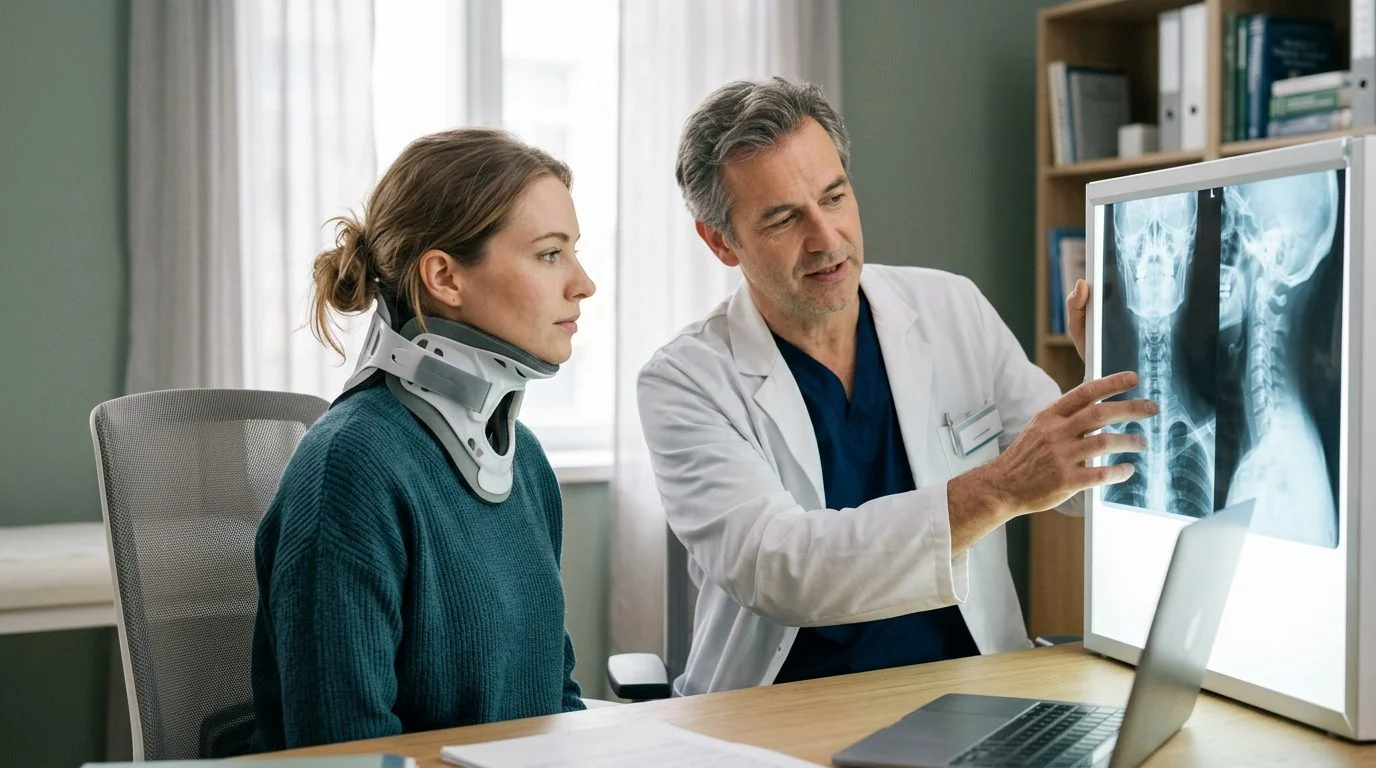
Spastic quadriplegia results from damage to the motor cortex (the part of the brain controlling movement) or the cervical spinal cord (the nerve bundle in the neck). The cause determines whether the condition is present from birth or develops later.
Cerebral Palsy (Present from Birth)
Cerebral palsy is the most common cause of spastic quadriplegia. It results from brain damage during pregnancy, birth, or early infancy—before the brain’s motor control centers fully develop. According to the National Institute of Neurological Disorders and Stroke (NINDS), cerebral palsy affects approximately 1 in 345 children.
Risk factors include:
- Oxygen deprivation during labor or delivery (the most common preventable cause)
- Complications during pregnancy: maternal infection, bleeding, placental problems, or incompatible blood type
- Premature birth (before 37 weeks)
- Low birth weight (under 5.5 pounds)
- Head injury or serious infection in infancy
- Severe, untreated jaundice in the newborn period
Spinal Cord Injuries (Acquired After Birth)
Trauma to the cervical (neck) spine—the most vulnerable part—can cause spastic quadriplegia. Common causes include:
- Car crashes and motor vehicle accidents (the leading cause of spinal cord injury in the U.S., according to the National Spinal Cord Injury Statistical Center)
- Falls from height (especially in older adults)
- Diving accidents into shallow water
- Motorcycle collisions
- Workplace or construction accidents
- Sports injuries (football, rugby, gymnastics)
The NSCISC reports that approximately 17,700 new spinal cord injuries occur each year in the United States, with motor vehicle accidents accounting for roughly 38% of cases.
Medical Negligence and Birth Injuries
In some cases, spastic quadriplegia results from medical errors during birth or treatment:
- Failure to monitor fetal distress during labor (failure to respond to abnormal heart rate patterns)
- Delayed emergency cesarean delivery when vaginal delivery becomes unsafe
- Improper use of delivery instruments (forceps or vacuum extraction causing head trauma)
- Medication errors or anesthesia complications during surgery
- Delayed treatment of infections (meningitis, encephalitis) that damage the brain or spinal cord
- Failure to manage complications during hospitalization
Other Causes
Stroke, severe infections (meningitis, encephalitis), or other neurological events affecting the brain or spinal cord can also cause spastic quadriplegia.
How Spastic Quadriplegia Affects the Body and Daily Life
Spastic quadriplegia manifests in several ways that profoundly affect movement, communication, and independence.
Muscle and Movement Changes
People with spastic quadriplegia experience:
- Persistent muscle stiffness and tightness in all four limbs, often more severe in the legs
- Difficulty with voluntary movement: movements may be slow, jerky, or uncontrolled
- Increased reflexes (hyperreflexia) that cause involuntary muscle contractions in response to touch or movement
- Tremors or involuntary movements that the person cannot stop
- Loss of fine motor control, making tasks like writing, eating, dressing, or using a computer extremely challenging or impossible
Contractures: A Serious Long-Term Complication
Without active, ongoing management, muscles and tendons can permanently shorten—a condition called contractures. This further limits range of motion, can cause deformity, and makes positioning and care more difficult. Contractures are one reason why consistent physical therapy is so important.
Speech and Swallowing Difficulties
If facial and throat muscles are affected, people may experience:
- Difficulty speaking clearly or controlling volume
- Difficulty swallowing safely (dysphagia), which increases risk of aspiration pneumonia
- Need for alternative communication methods (speech-generating devices, eye-tracking technology)
Pain
Many people with spastic quadriplegia experience pain, especially during stretching, movement, or physical therapy. Pain management is a critical part of treatment and quality of life.
Can People with Spastic Quadriplegia Walk?
Most people with spastic quadriplegia cannot walk independently. The majority rely on wheelchairs for mobility.
Some individuals, especially those with milder forms of the condition, may use assistive devices like walkers, canes, or leg braces with intensive physical therapy. However, independent walking is rare.
Mobility depends on several factors:
- Severity of the condition: how much of the spinal cord or brain is damaged
- Age at onset: whether the injury occurred at birth or later in life
- Duration: how long the person has had the condition
- Access to quality physical therapy and rehabilitation
- Overall health and motivation
- Availability of adaptive equipment and technology
With ongoing physical therapy, occupational therapy, and adaptive equipment, many people improve their function and independence within their limitations. The realistic goal of treatment is to maximize whatever mobility and independence is possible, rather than to restore full walking ability.
Have questions about what happened?
Ask our team directly. The first conversation is free, confidential, and there is no obligation to continue.
Spastic Quadriplegia vs. Other Forms of Paralysis
Quadriplegia is a broad term referring to paralysis of all four limbs, regardless of muscle tone.
Spastic quadriplegia is a specific type characterized by increased muscle tone and stiffness. Other types exist:
- Flaccid quadriplegia: low muscle tone; limbs are floppy and weak rather than stiff
- Mixed presentations: combination of spasticity and flaccidity in different limbs
The distinction matters because treatment differs. Spasticity requires muscle relaxants, stretching, botulinum toxin injections, and sometimes surgery. Flaccid paralysis calls for different strategies focused on strengthening and preventing muscle atrophy.
Paraplegia affects only the legs (and lower trunk), not the arms. Quadriplegia affects all four limbs.
Life Expectancy and Long-Term Outlook
For Cerebral Palsy-Related Spastic Quadriplegia
Life expectancy for people with spastic quadriplegia from cerebral palsy does not typically shorten compared to the general population. However, complications can affect health and require ongoing management:
- Respiratory infections (aspiration pneumonia, if swallowing is affected)
- Urinary tract infections
- Pressure sores (bedsores) from prolonged sitting or lying without repositioning
- Contractures and joint deformities
- Seizures (common in cerebral palsy)
For Acquired Spinal Cord Injury
According to the Christopher & Dana Reeve Foundation, life expectancy after spinal cord injury has improved significantly with modern medical care. A person with a high cervical spinal cord injury (affecting the neck) may have a life expectancy 10–15 years shorter than average, primarily due to respiratory complications. However, many people live into adulthood and beyond with proper care.
Outcomes depend on:
- Level of injury: high cervical injuries (C1–C4) carry greater risks than lower injuries
- Completeness of injury: complete injuries (total loss of function) carry different prognoses than incomplete injuries
- Access to quality medical care and rehabilitation
The Role of Preventive Care
Early intervention, ongoing therapy, and preventive care significantly affect long-term quality of life and health:
- Managing infections promptly
- Maintaining mobility through stretching and therapy
- Addressing pain
- Monitoring for complications
- Regular medical check-ups
Access to multidisciplinary medical care and rehabilitation services—neurologists, physiatrists, physical therapists, occupational therapists, social workers—substantially improves outcomes.
Does Spastic Cerebral Palsy Get Worse with Age?
Cerebral palsy itself does not progress or worsen over time. The brain damage is static—it does not change or spread.
However, secondary effects can develop or worsen over years:
- Contractures may tighten without active stretching and management
- Joint deformities can develop from prolonged spasticity
- Pain may increase as muscles and joints age
- Muscle weakness and reduced stamina may emerge, especially with aging
- Fatigue often increases significantly in adulthood
The key is active prevention. Regular physical therapy, stretching, adaptive equipment, pain management, and medical monitoring can slow or prevent these complications. People who maintain aggressive therapy and preventive care often experience better outcomes than those without access to ongoing support.
Treatment and Management Options
There is no cure for spastic quadriplegia, but treatment focuses on managing symptoms, preventing complications, and maximizing function and independence.
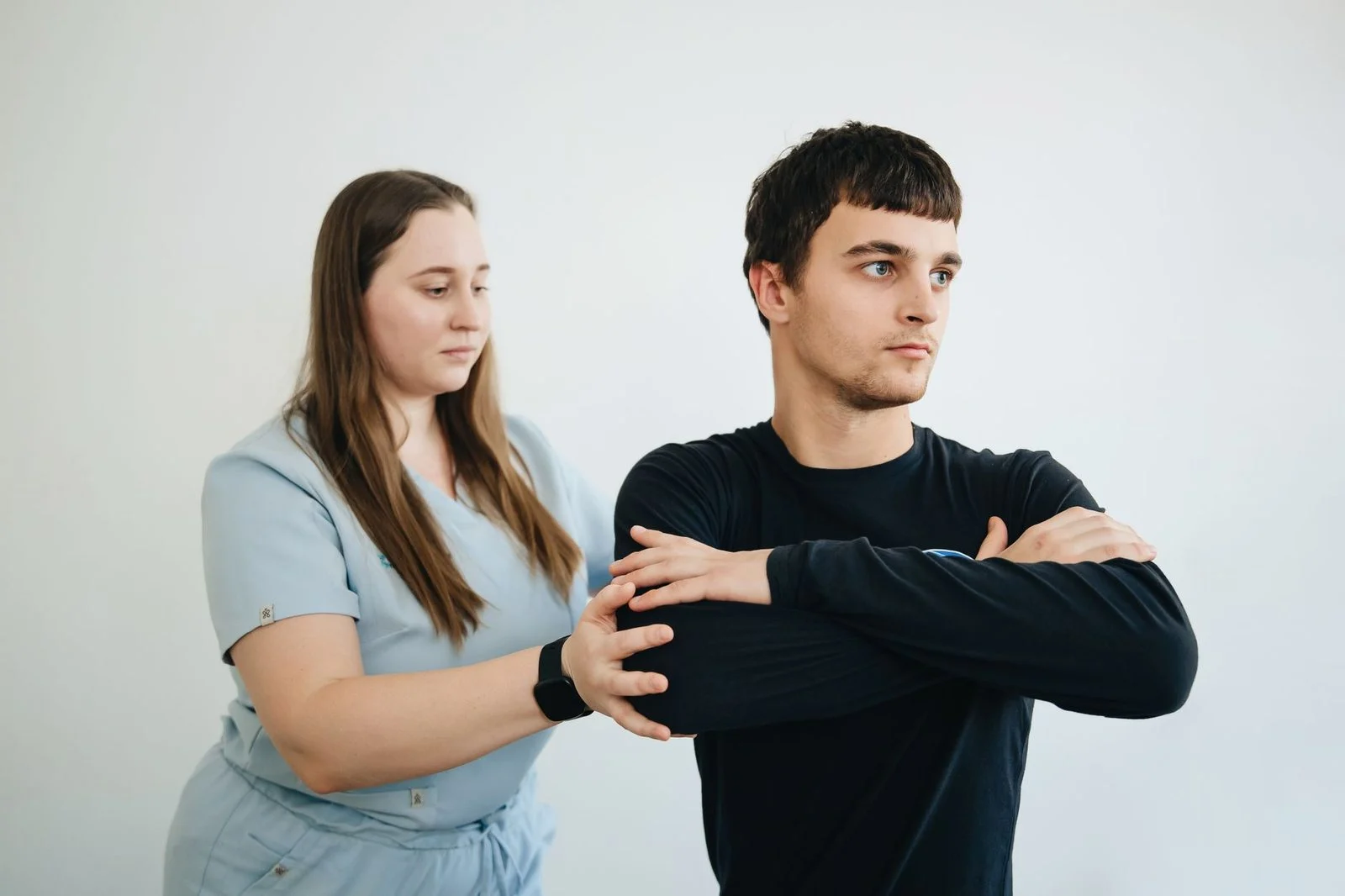
Physical and Occupational Therapy
These are the foundation of treatment. Therapists work to:
- Maintain and improve range of motion
- Prevent contractures through stretching and positioning
- Build strength and endurance within the person’s abilities
- Teach adaptive techniques for daily living tasks (eating, dressing, hygiene)
- Recommend and train on assistive devices
Medications
Muscle relaxants like baclofen and tizanidine reduce spasticity. Pain medications may be used as needed. Some medications are delivered orally; others are administered through pumps or injections.
Baclofen pumps deliver medication directly into the spinal fluid, allowing lower doses and fewer side effects than oral medication.
Botulinum Toxin (Botox) Injections
Injected into specific muscle groups, Botox temporarily reduces spasticity in targeted areas, often combined with physical therapy for better results. Effects typically last 3–4 months.
Orthopedic Surgery
Surgery may correct contractures, improve positioning, or address joint deformities that limit function or cause pain.
Adaptive Equipment and Technology
- Wheelchairs: manual, power, or specialized (tilt, recline, standing)
- Braces and orthotics: to maintain positioning and prevent contractures
- Communication devices: for those with speech difficulties (speech-generating devices, eye-tracking technology)
- Home modifications: ramps, accessible bathrooms, ceiling lifts, roll-in showers
- Environmental controls and assistive technology: voice-activated systems, switch-controlled devices
Multidisciplinary Care
Effective management involves coordination among:
- Neurologists
- Physiatrists (rehabilitation doctors)
- Physical therapists
- Occupational therapists
- Speech-language pathologists
- Social workers
- Pain management specialists
Want to know where you stand?
Tell us what happened and our team will walk you through the options available to you, at no cost.
When Spastic Quadriplegia Results from an Accident or Medical Error
If spastic quadriplegia resulted from someone else’s negligence or wrongdoing, the injured person or their family may have legal options to pursue compensation for lifelong care and support.
Birth Injuries and Medical Negligence
If a child developed spastic quadriplegia due to a birth injury caused by medical error—such as:
- Failure to monitor fetal distress during labor
- Delayed emergency cesarean delivery
- Improper use of delivery instruments (forceps, vacuum extraction)
- Failure to manage complications
—the family may have a claim against the hospital or healthcare provider.
Traumatic Spinal Cord Injuries
If spastic quadriplegia resulted from a spinal cord injury caused by someone else’s negligence, the injured person may be entitled to compensation. Common scenarios include:
- Car crashes: caused by a negligent driver
- Motorcycle accidents: caused by another driver’s unsafe conduct
- Diving accidents: caused by unsafe property conditions (unmarked shallow water, inadequate warnings)
- Workplace accidents: caused by unsafe conditions or failure to follow safety regulations
- Construction accidents: caused by unsafe practices or failure to provide required safety equipment
Negligent Security
If the injury occurred due to an assault or attack on someone else’s property (apartment complex, parking lot, hotel, or business) where security was inadequate, the property owner may be liable under negligent security law.
Why Legal Action Matters
Spastic quadriplegia is a catastrophic, lifelong condition requiring ongoing medical care, therapy, adaptive equipment, and support. Compensation from a legal claim can help cover:
- Medical treatment and rehabilitation
- Assistive devices and home modifications
- Ongoing therapy and care
- Lost wages and reduced earning capacity
- Pain and suffering
- Cost of future care
Determining whether negligence caused the injury requires investigation and expert medical review. An attorney experienced in catastrophic injury cases can evaluate your situation, review medical records, consult with medical experts, and explain what options may be available.
Frequently Asked Questions
What is the difference between spastic quadriplegia and paraplegia?
Quadriplegia affects all four limbs (arms and legs); paraplegia affects only the legs. Both can be spastic (stiff muscles) or flaccid (weak muscles).
Can spastic quadriplegia be prevented?
Cerebral palsy cannot always be prevented, but good prenatal care, prompt medical attention during labor, and immediate treatment of infections reduce risk. Spinal cord injuries from accidents can be reduced through safety measures: seatbelts, helmets, safe driving, and proper safety equipment at work and during recreation.
Is spastic quadriplegia the same as traumatic brain injury?
No. Spastic quadriplegia is paralysis of all four limbs from brain or spinal cord damage. Traumatic brain injury is damage to the brain from impact or trauma, which may or may not cause quadriplegia. They are distinct conditions, though both can result from the same accident.
What should I do if I suspect medical negligence caused my child’s spastic quadriplegia?
Reach out to an attorney who handles birth injury and medical negligence cases. They can review medical records, consult with medical experts, and advise you on whether a claim exists.
How much does treatment and care for spastic quadriplegia cost?
Costs vary widely depending on severity, age, and access to care. Lifetime costs for catastrophic spinal cord injury can exceed $1 million. Lifelong therapy, adaptive equipment, home modifications, and medical care are significant expenses that compensation from a legal claim can help address.
If you or a loved one is living with spastic quadriplegia and you believe it resulted from an accident, a birth injury, or medical error, you likely have questions about whether someone is responsible and what your family’s options are. Many families in your situation reach out to explore whether a legal claim could help secure resources for lifelong care and support.
A free case evaluation can help clarify your situation and what may be possible.
Contact us today to speak with an attorney who handles catastrophic injury cases.
Common Causes of Spastic Quadriplegia
Traumatic Spinal Cord Injury
Damage to the cervical (upper) spine from motor vehicle crashes, falls, diving accidents, or workplace injuries can sever or severely bruise nerve fibers, resulting in paralysis of all four limbs.
Traumatic Brain Injury
Severe head trauma from accidents can damage the motor cortex or other brain regions that control movement, leading to spastic quadriplegia and loss of voluntary muscle control.
Medical Conditions & Birth Complications
Cerebral palsy, stroke, infections, or oxygen deprivation during birth can cause permanent damage to the brain or spinal cord, resulting in spasticity and paralysis of all four limbs.
Accidents & Negligence
Truck crashes, construction site accidents, falls on unsafe property, and other preventable incidents caused by someone else's negligence can result in catastrophic spinal cord or brain damage.
If an accident caused your injury, you may have a claim.
Spastic quadriplegia is a life-altering injury that often results from someone else's negligence or wrongdoing. If you or a loved one suffered this injury in a crash, fall, or other accident, you may be entitled to pursue compensation for medical care, lost income, and the costs of lifelong support.
Why You Need a Law Firm That Understands Catastrophic Injury
Experience with Spinal Cord & Brain Injuries
We focus on catastrophic injury cases, including spastic quadriplegia, traumatic brain injuries, and paralysis. We understand the medical, financial, and personal complexities these injuries create.
Comprehensive Claim Evaluation
A free case evaluation helps clarify your situation, identifies who may be responsible, and explains what may be possible in your case.
Empathetic, Straightforward Guidance
We communicate in plain language, never legal jargon. We listen to your story and work to help you understand your options and next steps.
Nationwide Representation
Based in Florida and licensed to handle cases across the country, we represent victims of catastrophic injury wherever the accident occurred.