

Understanding Injury & Recovery
What Is Paralyzing Stress? How Trauma Affects Your Body and Mind
After a catastrophic injury or accident, overwhelming stress can feel like it's freezing you in place. Learn what's happening and what you can do.
By CHG Lawyers · Published September 06, 2026
What Is Paralyzing Stress? Understanding Emotional Freeze and How to Move Forward
Paralyzing stress is a freeze response. Your mind and body shut down emotionally or mentally. You feel unable to think, decide, or act—even though you want to. It’s a normal reaction to overwhelming circumstances, not a weakness or character flaw. Understanding what it is, why it happens, and how to recover can help you recognize it and take steps forward.
If you've experienced a serious accident or injury and are struggling with the shock, uncertainty, and urgent decisions that follow, you're not alone. Talk it through with our team — the first consultation is free, confidential, and carries no obligation.
What Is Paralyzing Stress?
Paralyzing stress is a freeze response. It happens when your nervous system becomes overwhelmed by a threat or situation beyond what you can handle. Your mind and body essentially shut down. You may feel unable to make decisions, speak, move, or think clearly—even when action feels urgent.
This is different from physical paralysis, which comes from spinal cord or nerve injury. Physical paralysis causes permanent or long-term loss of movement. Paralyzing stress is a psychological and physical response that usually goes away once the stressor is addressed or you get support. Both are serious. They just have different causes.
The freeze response is one of your body’s natural stress reactions. The others are fight (confronting the threat) and flight (escaping it). When your nervous system senses a threat or overwhelming situation, it can activate freeze as a survival mechanism. Your body tenses. Your thinking narrows. You feel stuck and unable to move forward or decide.
Common Causes of Paralyzing Stress
Paralyzing stress comes from situations that feel beyond your control or ability to manage. Common triggers include:
- Major life trauma: serious accidents, sudden injury, loss, or violence
- Decision overload: too many choices or high-stakes consequences at once
- Grief and shock: right after catastrophic events or devastating news
- Chronic overwhelm: prolonged stress from multiple demands without relief
- Uncertainty and loss of control: situations where outcomes are unknown or unpredictable
- Medical crisis: diagnosis of serious illness or injury, or making complex medical decisions for yourself or a loved one
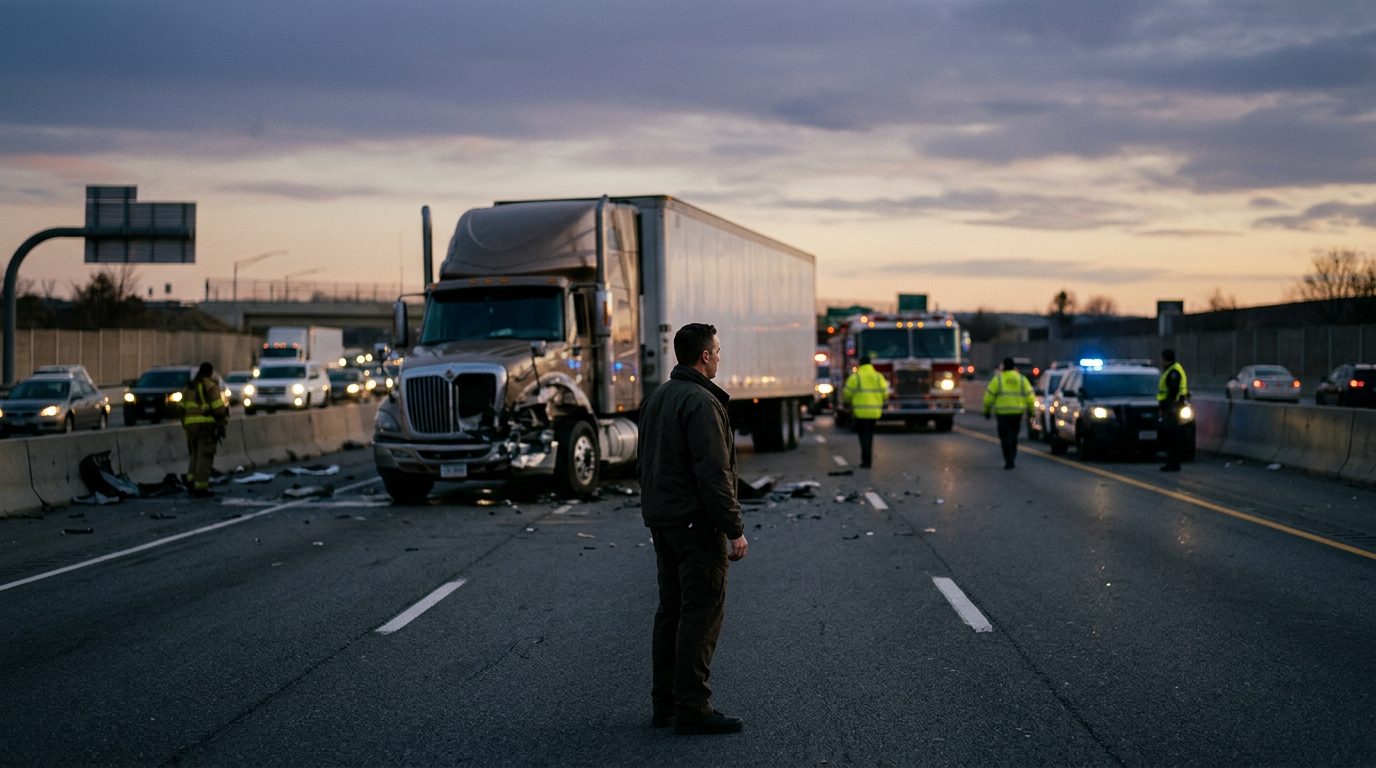
In the catastrophic-injury cases our attorneys handle, we see paralyzing stress most often in the hours and days after a serious accident or injury diagnosis. Families and injured people face urgent medical, legal, and financial decisions while in shock. That’s a perfect storm for emotional freeze.
Physical and Emotional Symptoms of Paralyzing Stress
Paralyzing stress shows up in your mind, body, and behavior. You may experience:
Mental symptoms: trouble concentrating, racing or blank thoughts, inability to decide, brain fog, or feeling like your mind is “stuck.”
Physical symptoms: muscle tension, shallow breathing, numbness or dissociation (feeling disconnected), fatigue, trembling, or heaviness.
Behavioral signs: avoiding necessary tasks, procrastination, difficulty speaking or responding, or appearing “frozen” or unresponsive.
Emotional signs: anxiety, fear, detachment, or feeling numb or disconnected from reality.
These symptoms don’t mean something is wrong with you. They mean your nervous system is overwhelmed and needs support.
Paralyzing Stress vs. Anxiety Paralysis vs. Decision Paralysis
These terms are often used the same way, but they mean different things:
Paralyzing stress is a freeze response to overwhelming external circumstances or trauma. Your nervous system shuts down in response to a real, immediate stressor.
Anxiety paralysis is triggered by worry about future outcomes. Your mind loops on worst-case scenarios. The anxiety becomes so intense that you feel frozen or unable to act.
Decision paralysis (also called analysis paralysis) is the inability to choose between options due to fear of making the wrong choice. It often involves perfectionism or endless weighing of pros and cons.
All three can happen together, especially in crisis. After an accident, you might experience paralyzing stress (the immediate shock), anxiety paralysis (worry about recovery), and decision paralysis (uncertainty about legal or medical choices).
If you or a loved one are trying to make sense of what happened and what comes next, we're here to listen and help you understand your rights and options. Talk it through with our team — the first consultation is free, confidential, and carries no obligation.
How Long Does Paralyzing Stress Last?
Duration varies widely. In acute situations, the freeze response may last from minutes to hours. Once the immediate threat passes or you get support and clear information, the paralysis often begins to lift.
After major trauma, paralyzing stress can last for days or weeks. If the underlying trauma stays unprocessed or you remain in an uncertain or high-stress situation, emotional paralysis may last longer. Recovery depends on how severe the stressor is, your individual resilience, and access to support.
Paralyzing Stress After Accidents or Injuries
Paralyzing stress is very common right after a serious accident or injury. You may experience:
- Immediate shock: the hours and days after the event, when your mind struggles to process what happened
- Decision-making during crisis: families and injured people often freeze when facing urgent medical, legal, or financial choices
- Compounded trauma: physical pain, uncertainty about recovery, and fear about the future intensify the emotional freeze
- Isolation and shame: people often blame themselves for feeling “stuck,” not realizing it’s a normal response to abnormal circumstances
Recognizing paralyzing stress as a normal reaction—not a personal failing—is the first step toward seeking help and moving forward.
How Can Emotional Paralysis Be Treated?
Several evidence-based approaches can help interrupt the freeze response:
Immediate grounding: breathing exercises, sensory awareness (noticing five things you see, four you hear, three you feel), and gentle physical movement can help activate your nervous system and restore your sense of agency.
Professional support: therapy, counseling, or crisis intervention with a mental health professional can help you process trauma and regain control. The National Institutes of Mental Health offers resources on trauma and recovery.
Information and clarity: uncertainty fuels paralysis. Getting clear answers about what happened, what your options are, and what comes next helps restore your sense of agency and reduces the freeze response.
Breaking tasks into steps: overwhelming situations feel more manageable when broken into smaller, concrete actions. Instead of “figure out everything,” try “make one phone call today.”
Social support: talking to trusted people, family, support groups, or counselors reduces isolation and shame. You do not have to navigate this alone.
How to Get Out of Paralyzing Stress
If you’re experiencing emotional paralysis, these steps can help:
-
Acknowledge it as real: paralyzing stress is not weakness. It is a normal response to abnormal circumstances.
-
Start small: take one tiny action, even if it feels insignificant. This interrupts the freeze response and builds momentum.
-
Seek information: in crisis situations, getting clear answers about what happened and what comes next reduces uncertainty and fear.
-
Ask for help: reach out to family, friends, medical professionals, counselors, or crisis services. You do not have to face this alone.
-
Be patient with yourself: recovery from paralyzing stress takes time. Progress is not always linear. Setbacks are normal.
Not sure what your next step is?
Talk it through with our team — the first consultation is free, confidential, and carries no obligation.
When to Seek Professional Help
Contact a mental health professional if you experience:
- Paralyzing stress lasting more than a few weeks after a triggering event
- Inability to perform daily tasks or care for yourself or dependents
- Thoughts of harming yourself or others
- Symptoms of post-traumatic stress, depression, or anxiety that worsen over time
- Feeling isolated or unable to talk about what happened
If you’re in crisis, contact the SAMHSA National Helpline (1-800-662-4357). It’s available 24/7, free, and confidential.
Frequently Asked Questions
Is paralyzing stress the same as a mental health disorder?
Paralyzing stress is a normal response to overwhelming circumstances, not necessarily a disorder. However, it can overlap with anxiety, depression, or post-traumatic stress if it persists or worsens over time.
Can paralyzing stress cause physical symptoms?
Yes. The American Psychological Association notes that stress activates your nervous system, triggering physical responses like muscle tension, shallow breathing, fatigue, and trembling.
What should I do if I’m experiencing paralyzing stress after an accident?
Start with grounding techniques. Seek clear information about what happened and your options. Reach out to trusted people or professionals. Break decisions into smaller steps.
How long does it typically take to recover from emotional paralysis?
Recovery varies. Acute freeze responses may resolve in hours or days. Trauma-related paralysis may take weeks or months, depending on severity and access to support.
Can I treat paralyzing stress on my own?
Grounding techniques and self-care help, but professional support—especially after trauma—is often necessary to process what happened and prevent long-term complications.
Moving Forward After Crisis
Paralyzing stress is your nervous system’s way of telling you that circumstances have exceeded your immediate coping capacity. It’s not a sign of weakness or failure. It’s a sign that you need support.
If you’ve experienced a serious accident or injury and are struggling with the shock, uncertainty, and urgent decisions that follow, you’re not alone. Many people in your situation find it helpful to talk with someone who understands what they’re facing. Someone who can provide clear information and help them think through their options when their mind feels frozen.
Our team focuses exclusively on representing people who’ve experienced catastrophic injuries and accidents. If you or a loved one are trying to make sense of what happened and what comes next, we’re here to listen and help you understand your rights and options. Reach out for a free case evaluation. People in your situation contact us regularly, and we’re ready to help.
How Paralyzing Stress Shows Up
Physical Signs
Muscle tension, chest tightness, difficulty breathing, fatigue, headaches, or feeling frozen—your body's fight-or-flight response stays switched on.
Emotional Signs
Overwhelming fear, helplessness, numbness, difficulty making decisions, or feeling detached from what's happening around you.
Behavioral Signs
Withdrawing from others, avoiding reminders of the event, trouble sleeping, difficulty concentrating, or struggling to handle daily tasks.
When It Becomes Serious
If paralyzing stress persists or worsens over weeks or months, it may develop into anxiety, depression, or post-traumatic stress—conditions that benefit from professional support.
You Are Not Alone
Paralyzing stress after a catastrophic injury, accident, or violent crime is a normal human response to abnormal circumstances. Seeking help—whether from a counselor, therapist, or trusted support network—is a sign of strength, not weakness.
Steps to Manage Paralyzing Stress
Prioritize Your Safety and Comfort
Create a calm, safe space. Remove yourself from triggers when possible. Your nervous system needs to know you're secure.
Talk to Someone You Trust
Share what you're experiencing with family, friends, or a mental health professional. Isolation amplifies stress; connection helps ease it.
Learn What's Happening
Understanding that your stress response is a normal reaction to trauma—not a personal failing—can reduce shame and help you move forward.
Be Patient With Yourself
Recovery takes time. Paralyzing stress doesn't disappear overnight. Small steps, consistent support, and professional help make a real difference.
If You've Been Injured in an Accident or Attack
Paralyzing stress often follows catastrophic injuries, truck crashes, spinal cord damage, traumatic brain injuries, or violent crimes on unsafe property. Beyond managing your emotional response, you may have legal rights to hold the responsible party accountable and secure compensation for your medical care, lost income, and pain and suffering.