

Spinal Cord Injuries | Serving Florida
Partial Paralysis: What It Means and What You Can Do Next
Partial paralysis can change how a body moves, feels and recovers. Learn how it happens, what affects recovery, and how a Florida personal injury firm can help you and your family understand your options.
By CHG Lawyers · Published October 25, 2026
Partial Paralysis Explained: Where the Injury Is, Whether It Is Complete, and Which Limbs Are Affected
What is partial paralysis and how does it occur? Partial paralysis means you lose some, but not all, movement or feeling below your injury (MedlinePlus paralysis guide). It happens when the spinal cord is damaged but not completely cut, so some nerve signals still travel between the brain and the body. The loss of function can range from mild weakness to serious problems in the arms, legs, or other body parts.
If you or a family member was hurt in a crash, a fall, an assault, or another accident caused by someone else’s negligence, the first questions are usually practical: what does this mean, and what comes next? Three questions help answer them. This article explains each one in plain language, then describes the legal steps that may follow in Florida.
Time matters: Florida law sets deadlines for filing a personal-injury claim, and they can be short. Contact a lawyer promptly so you do not lose your right to recover.
Not sure what your next step is?
Talk it through with our team — the first consultation is free, confidential, and carries no obligation.
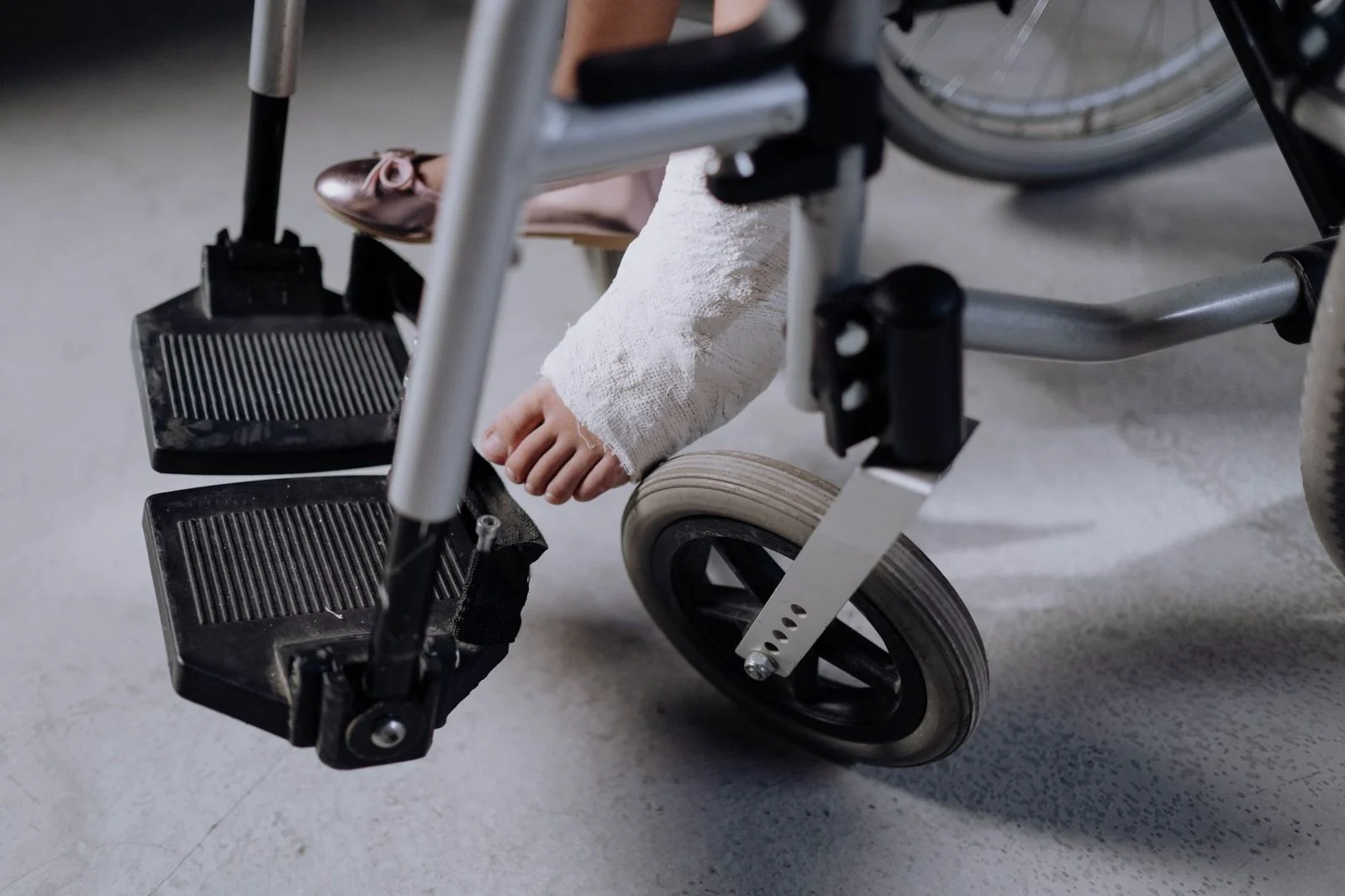
The Three Questions Families Ask About Partial Paralysis
1. Where is the injury?
The location of the injury is the starting point. Spinal cord injuries are described by the part of the spine where the damage occurred. A neck (cervical) injury can affect the arms, hands, legs, and trunk. A lower-back injury more often affects the legs. Brain injuries can cause a different pattern: Hemiplegia is weakness or paralysis on one side of the body. It often results from a brain injury or stroke that damages the motor cortex, the part of the brain that controls movement.
Your medical team identifies the location through examination and imaging. Follow your doctors’ care and ask them to explain where your injury is and what it affects.
2. Is the injury complete or incomplete?
A complete injury stops all function below the damage. Nothing crosses the damage site. A partial, or incomplete, injury leaves some nerve pathways working. A person with a partial injury might move their toes, feel pressure, or have some muscle strength. Those abilities are lost entirely in complete paralysis.
The American Spinal Injury Association (ASIA) uses the ASIA Impairment Scale (AIS) to classify spinal cord injuries. Grades A and B represent complete or nearly complete injuries. Grades C, D, and E represent incomplete (partial) injuries with varying amounts of preserved function. Your AIS grade is assigned by your medical team. Ask them to explain your grade in your own words, and to explain what it means for your daily life.
Partial injuries also tend to show better recovery potential than complete injuries, because some nerve pathways stay intact. This is not a promise of recovery. It means your brain and body have more opportunity to adapt. Complete injuries offer less potential for improvement because the break is total.
3. Which limbs are affected?
The pattern of limb involvement tells doctors and families a great deal about the injury. Medical terms describe it this way:
- Monoplegia is partial or complete loss of function in one limb.
- Hemiplegia is weakness or paralysis on one side of the body.
- Paraparesis is partial paralysis or weakness of both legs. It usually results from an incomplete lower spinal cord injury. A person with paraparesis may walk with difficulty or need assistive devices.
- Tetraparesis is partial paralysis or weakness of all four limbs (MedlinePlus paralysis guide). It usually results from an incomplete neck spine injury. A person with tetraparesis may keep some arm and hand function, but with limited strength or control.
Function also varies within each pattern. Some people keep sensation but lose movement control. Others keep some movement but lose feeling. The pattern depends on which nerve fibers survived the injury. Partial paralysis severity varies widely, and each injury is different.
Understanding your specific injury matters for your care and for any claim you may bring.
How Partial Paralysis Happens: Common Accidents
Partial paralysis comes from incomplete spinal cord damage, meaning the cord is injured but not completely cut. Common causes include:
Motor vehicle and truck accidents. High-impact crashes often damage the spine badly but not completely. The force of a crash can compress, twist, or partly tear the spinal cord. Truck crashes involve great weight and force, which often cause incomplete spinal trauma. A rear-end collision at highway speed, a rollover, or a jackknife can all lead to partial cord injury for people inside the vehicle.
Falls from height. Falls from ladders, scaffolding, roofs, or other high places can injure the spine. Construction workers, roofers, and people who fall down stairs or from balconies face this risk. The impact can compress or break vertebrae and sometimes damage the cord partly. A fall from a second-story window or a slip from a roof can cause an incomplete injury that leaves some function intact.
Diving accidents. Diving into shallow water or hitting underwater objects can injure the neck. Striking the pool bottom or rocks can compress the cord without fully cutting it. A diver who hits the bottom or a hidden object may suffer a cervical (neck) spine injury that causes partial paralysis of the legs or arms.
Attacks on someone else’s property. Some people are hurt when they are assaulted or shot at an apartment complex, a parking lot or garage, a hotel or motel, a bar or nightclub, a gas station, a store, or near an ATM. Whether someone has a claim depends on the facts of each incident, so the details of what happened matter. In legal terms, this is called a negligent-security claim. The violent act itself can cause spinal injury that is partial rather than complete, and the question of whether security was reasonable is a separate part of the case.
Workplace and construction injuries. Machinery accidents, falling objects, electrocution, or crush injuries can damage the spine. These accidents often cause incomplete cord injury. A worker struck by equipment or pinned by a fallen load may suffer partial spinal damage. Construction zone accidents are a common setting for these injuries.
Sports, recreation, and two-wheel accidents. Contact sports, motorcycle or ATV accidents, and water sports can cause spinal trauma that partly damages the cord. A motorcycle crash, an ATV rollover, or a collision during a contact sport can each cause an incomplete spinal cord injury.
Medical negligence. Surgical errors, improper anesthesia, or delayed treatment of a spinal or nerve injury can cause or worsen partial paralysis. If a healthcare provider failed to act with reasonable care and caused your injury, you may have a claim.
Recovery and Long-Term Outlook
Recovery from partial paralysis is highly individual. It depends on injury location, severity, age, overall health, and rehabilitation effort. Significant recovery often occurs in the first 6–12 months, but improvement can continue for years.
Neuroplasticity is the ability of the brain and spinal cord to rewire or make up for damage. With intensive therapy, the nervous system can sometimes reroute signals or build new pathways. This is why early, intensive rehabilitation is often emphasized in medical care.
Physical therapy, occupational therapy, and skilled training help maximize remaining function. Assistive devices such as wheelchairs, braces, canes, or adaptive equipment, along with home changes, help many people regain independence. Some return to work or school. Others build new routines that let them live full lives.
The timeline varies. Some people see dramatic improvement early. Others progress slowly but steadily. A few level off at a certain point. Your medical team can help set realistic expectations for your specific injury. This article is educational and is not medical advice.
Why Understanding Partial Paralysis Matters for a Florida Claim
Knowing where the injury is, whether it is complete or incomplete, and which limbs are affected shapes your medical care, your recovery plan, and your legal options.
The severity and permanence of an injury are central to any personal-injury claim. Permanent partial paralysis caused by someone else’s negligence may support a significant claim. A claim may seek compensation for losses such as medical care, lost income, pain and suffering, and life care planning, which is the planning for long-term needs like adaptive equipment, home changes, ongoing therapy, and support services. No result can be promised, and every case depends on its own facts.
Medical records matter to that planning. Keep copies of discharge summaries, therapy notes, imaging reports, and any written AIS grade your team provides. Ask your providers for copies as you receive care.
If You or a Loved One Has Suffered Partial Paralysis
If an accident caused partial paralysis, several steps matter:
- Seek immediate medical evaluation. Early diagnosis and treatment are critical. A spinal cord injury needs urgent imaging and care from a medical team trained for spinal injuries to prevent further damage.
- Document the accident or incident. Gather evidence, witness information, photos, and medical records. These become important if you pursue a legal claim.
- Understand your rights. If someone else’s negligence, carelessness, or wrongdoing caused the injury, you may have a claim for damages. Examples include a reckless driver, a property owner who failed to provide security, or a healthcare provider’s error. Florida law sets deadlines for filing a personal-injury claim, and they can be short. Waiting too long can cost you your right to recover.
- Speak with a lawyer. An attorney can explain your options, handle the claims process, and protect your interests. The firm handles catastrophic injury claims as part of its personal-injury practice, which covers cases of every severity.
Not sure what your next step is?
Talk it through with our team — the first consultation is free, confidential, and carries no obligation.

Frequently Asked Questions
Can partial paralysis improve over time?
Partial spinal cord injuries often show better recovery potential than complete injuries, especially with intensive rehabilitation in the first 6–12 months. Improvement can continue for years. Your medical team can explain what to expect for your injury.
What is the difference between partial and complete paralysis?
Complete paralysis means total loss of function and sensation below the injury level. Partial paralysis preserves some nerve pathways, allowing limited movement, sensation, or reflexes.
What is the ASIA Impairment Scale?
The ASIA Impairment Scale is the standard medical classification used to assess spinal cord injury severity. It distinguishes between complete and incomplete (partial) injuries.
What is neuroplasticity and why does it matter?
Neuroplasticity is the brain and spinal cord’s ability to rewire or compensate for damage. With intensive therapy, the nervous system can sometimes reroute signals or develop new pathways, which can improve function after a partial injury.
Partial paralysis from an accident is a life-changing event that calls for both medical and legal attention. Knowing where the injury is, whether it is complete or incomplete, and which limbs are affected helps you make informed decisions about your care and your future.
If an accident or someone else’s negligence caused your partial paralysis, you may have legal options. CHG Personal Injury Lawyers is a Florida-based firm serving Miami, Orlando, Tampa, Jacksonville, and surrounding communities. Igor Hernandez is the responsible lawyer for this page. The firm offers a free, confidential first consultation with no obligation to continue. CHG charges no attorney’s fees and no case costs unless there is a recovery. Contact us to discuss your situation and the options that may be available to you.
How We Help Injured Floridians and Their Families
Plain-Language Answers
We explain medical and legal terms in everyday language, so you can make decisions with a clear picture of your situation.
Protecting Your Claim
When an accident or someone else's wrongdoing causes a spinal injury, we work to gather the records and evidence that document what happened.
Focus on Your Recovery
We coordinate with the medical professionals who treat you, so you can concentrate on rehabilitation and on your family.
No Fees Unless There Is a Recovery
Our firm charges no attorney's fees and no case costs unless there is a recovery.
Act Promptly
Deadlines apply to injury claims in Florida, and evidence can be lost over time. If you or a loved one has been hurt, contact our firm as soon as you can. Follow your doctors' care plan at all times. Nothing on this page is medical advice.
Questions Families Often Ask
Can partial paralysis improve?
Recovery varies from person to person. Partial spinal cord injuries often have more recovery potential than complete ones, and your medical team can explain what to expect for your specific injury.
What causes a partial spinal cord injury?
Car and truck crashes, falls, motorcycle and ATV accidents, construction site incidents and other serious accidents can damage the spinal cord. Medical records help identify how the injury occurred.
Who pays for ongoing care?
Therapy, equipment, home modifications and future medical needs can add up. We review the full picture of your losses so your family can plan for the years ahead.
Where do I start?
Start by following your doctors' recommendations, keeping copies of all medical records and bills, and speaking with our team about your accident. Our firm, responsible attorney Igor Hernandez, offers a free, confidential initial consultation with no obligation to continue.