

Catastrophic Injuries | Serving Florida
Living With Incomplete Quadriplegia: What the Diagnosis Means and What Comes Next
Incomplete quadriplegia can leave some movement and feeling intact while changing daily life in deep ways. Here is a plain-language guide to recovery, medical care, and the legal options that may be available to injured Floridians and their families.
About CHG Personal Injury Lawyers
Florida
Florida-based personal injury firm serving people across the state
Licensed
Attorneys admitted to The Florida Bar
Free
Confidential first consultation with no obligation to continue
$0
No fees or case costs unless there is a recovery
By CHG Lawyers · Published October 24, 2026
By Igor Hernandez, attorney responsible for this page, licensed to practice law in Florida. CHG Personal Injury Lawyers serves people in Miami, Orlando, Tampa, Jacksonville and communities throughout Florida.
What Is Incomplete Quadriplegia?
Incomplete quadriplegia is damage to the cervical (upper) spine that affects all four limbs. The key difference is that some nerve function remains below the injury. In a complete spinal cord injury, a person loses all movement and sensation below the level of the injury. In an incomplete injury, your brain and body can still communicate. The communication may be slower or weaker, but it continues. This difference creates real recovery potential.
Think of your spinal cord as a highway that carries messages between your brain and body. In incomplete quadriplegia, the highway is damaged but not closed. Some traffic still gets through.
The injury happens when the cervical spinal cord is bruised, partly torn, or compressed. It is not completely severed. Many spinal cord injuries are incomplete rather than complete, and these injuries generally offer more recovery potential than complete injuries.
Not sure what your next step is?
Talk it through with our team — the first consultation is free, confidential, and carries no obligation.
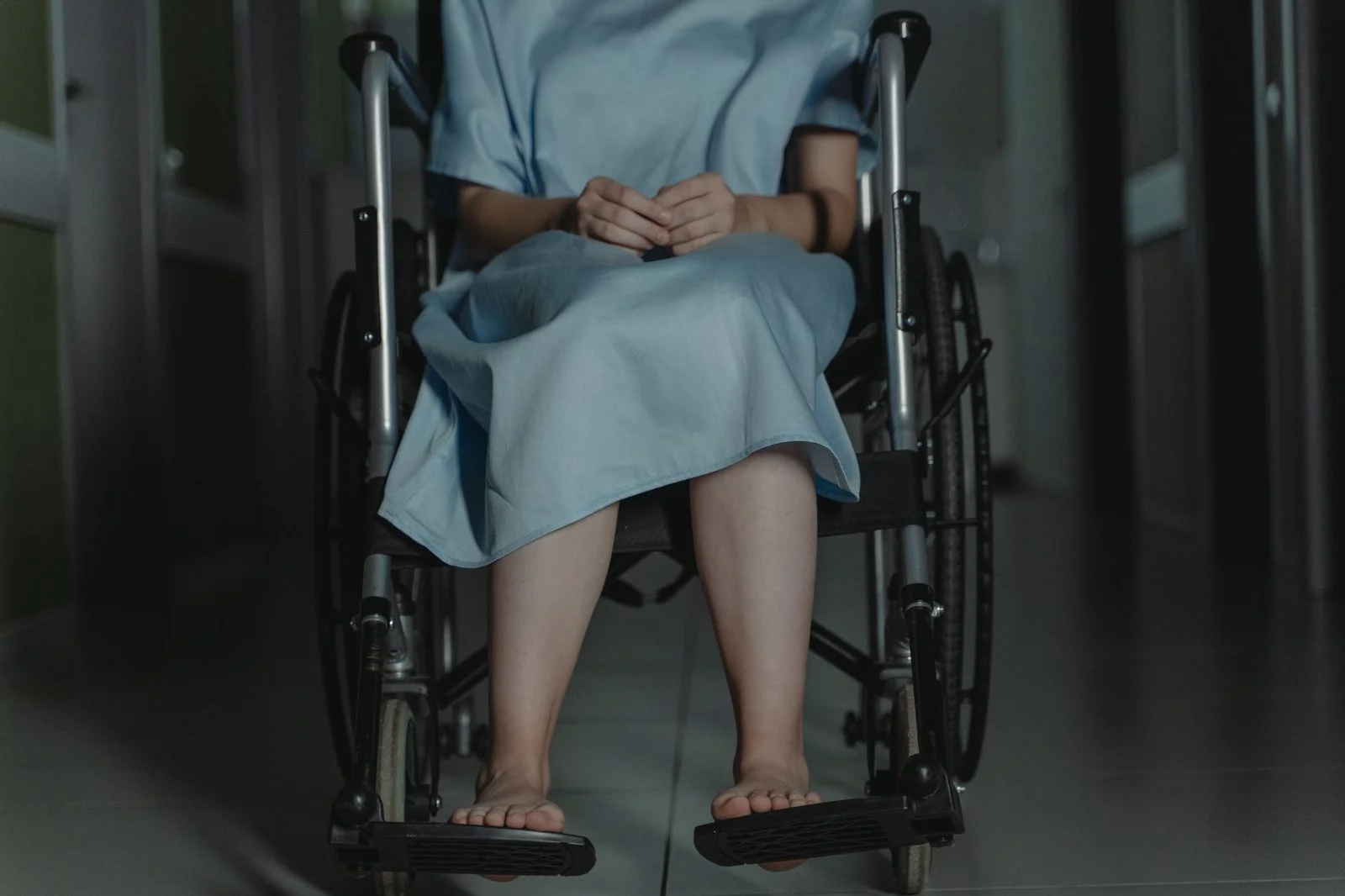
Complete vs. Incomplete: What the Words Mean for Your Family
Medical references, including Mayo Clinic, the World Health Organization, and the Christopher & Dana Reeve Foundation, all draw the same basic line. A complete injury means no function is preserved below the injury level. An incomplete injury means some sensation or movement is preserved below it.
That distinction shapes how families talk about the injury:
- Use the medical team’s words. Ask your doctors whether the injury is classified as complete or incomplete, and why. Families often hear “incomplete” and assume recovery is certain. It is not. The label describes what remains, not what will return.
- Describe what you observe, not only the label. Write down which movements, sensations, or grip strength you notice, and when. This gives your medical team a clearer picture than a single word.
- Ask about the classification in writing. The ASIA Impairment Scale is the standard tool doctors use to classify the injury. It measures motor function (muscle strength) and sensory function (feeling) below the injury level, and it guides the rehabilitation plan. Ask your team to explain your specific classification and what it means for your care.
- Expect the assessment to be repeated. Because swelling goes down and function can change over time, doctors reassess the injury. A later assessment may differ from the first.
How Incomplete Quadriplegia Happens
Incomplete quadriplegia results from traumatic injury to the neck or upper back. Common causes include:
- Motor vehicle crashes: High-speed collisions and truck accidents can cause sudden, violent bending of the neck forward or backward.
- Falls from height: Falls from ladders or roofs that land on the head or neck.
- Diving accidents: Diving into shallow water or striking underwater objects.
- ATV and recreational accidents: Off-road vehicles that roll or collide.
- Violent injury: Assaults or gunshot wounds to the neck or upper back.
- Medical complications: Rarely, infection or complications from cervical spine surgery.
Bone fragments, swelling, or bleeding may press on the spinal cord. This partial damage means some nerve fibers still carry signals across the injury site.
Symptoms and What They Mean
Symptoms of incomplete quadriplegia vary by injury location and severity. Common signs include:
- Weakness or paralysis in all four limbs, with varying degrees of strength
- Loss of sensation below the injury level, though some sensation may remain
- Difficulty with fine motor control (hands and fingers) or large movements
- Bowel and bladder changes, including loss of normal control
- Breathing difficulties if the injury is very high, because it affects the nerves to the diaphragm, the main muscle used for breathing
- Pain, numbness, or tingling in affected areas
- Spasticity (involuntary muscle tightness or spasms)
The exact location of the spinal cord damage determines which functions are affected. A C5 injury typically affects the arms and legs but may keep some shoulder and arm function. A C7 injury may keep more hand and arm function. Higher injuries (C1–C4) are more likely to affect breathing and may require ventilator support.
Recovery from Incomplete Quadriplegia: What’s Realistic
Recovery from incomplete quadriplegia is possible, and it is often more likely than recovery from a complete spinal cord injury. The first weeks and months are critical. Swelling goes down, and the spinal cord can sometimes regain function. Many people see their greatest gains in the first 3–6 months. Recovery can continue for years.
Recovery varies widely. Two people with the same injury level may recover very differently. One person regains significant arm strength and hand function. Another regains the ability to walk short distances. Be cautious of broad claims about what “incomplete quadriplegia recovery” looks like. No one can predict a specific outcome for any individual.
Recovery often depends on:
- Rehabilitation intensity: Physical therapy and occupational therapy at a dedicated spinal cord injury center can improve outcomes.
- Age and overall health: Younger people in better health often recover more function.
- Injury level and severity: Lower cervical injuries (C5–C8) generally allow more recovery.
- Access to quality medical care: Dedicated centers and ongoing therapy help outcomes.
- Individual biology: Some nervous systems adapt and recover faster than others.
Recovery does not always mean returning to pre-injury function. Many people with incomplete quadriplegia regain meaningful independence, such as stronger arms, better hand control, better walking ability, or enough strength to move from a wheelchair on their own.
Walking and Daily Function
Some people with incomplete quadriplegia do walk again. This is most common with lower cervical injuries or milder incomplete injuries. Walking may require assistive devices such as walkers, braces, canes, or leg orthoses.
Walking is not the only measure of progress. Regaining hand function, arm strength, the ability to feed yourself, or independence in daily tasks can be just as life-changing. Many people put upper-body control and hand function first, because these abilities directly affect daily independence.
Not sure what your next step is?
Talk it through with our team — the first consultation is free, confidential, and carries no obligation.
Life Expectancy with Incomplete Quadriplegia
Life expectancy with incomplete quadriplegia is often close to normal, especially for people with lower cervical injuries. Higher cervical injuries (C1–C4) that affect breathing and require ventilator support may affect life span.
Complications can shorten life expectancy if they are not managed:
- Pressure sores that become infected
- Urinary tract infections and kidney disease
- Blood clots
- Respiratory infections
- Sepsis
Access to quality medical care, rehabilitation, and support systems improves long-term outcomes. Many people with incomplete quadriplegia live full lives with proper management and ongoing medical care.
Incomplete vs. Complete Quadriplegia at a Glance
| Complete Quadriplegia | Incomplete Quadriplegia |
|---|---|
| No nerve signals cross the damage site | Some nerve signals travel across the injury |
| No sensation or voluntary movement below injury | Varying degrees of sensation and movement preserved |
| Limited recovery potential | Greater potential for functional recovery |
| Requires lifelong intensive medical management | Requires intensive rehabilitation with better outcomes |
Both types require intensive rehabilitation and long-term medical management. Incomplete injuries generally offer more hope for functional improvement.
Medical Care and Rehabilitation
If you have suffered a cervical spinal cord injury, follow your treating doctors’ care plan at every stage. The information below can help you ask informed questions during appointments.
Immediate care includes emergency stabilization, imaging (MRI or CT scan), and an assessment of injury severity. Doctors may give high-dose steroids within the first 8 hours to reduce swelling.
Acute rehabilitation at a dedicated spinal cord injury center offers intensive therapy and medical management. Physical therapists, occupational therapists, nurses, and physicians work together. They manage pain, prevent complications, and begin restoring function.
Long-term rehabilitation continues for months or years. It includes physical therapy, occupational therapy, and adaptive training. Assistive technology, such as wheelchairs, braces, and voice-controlled devices, helps maximize independence.
Psychological support is essential. Counseling and peer support can help you handle the emotional and practical challenges after an injury, for you and for family members.
The Lifetime Cost of Incomplete Quadriplegia
The financial burden of incomplete quadriplegia is heavy. Lifetime care can cost millions of dollars, and the first year alone is often very expensive. Costs typically include:
- Hospitalization and emergency care
- Rehabilitation
- Assistive equipment
- Home modifications
- Attendant care
- Medications
- Ongoing medical management
The cost of long-term care, equipment, home modifications, and ongoing medical management can far exceed what most families can cover alone. Keeping every bill, receipt, and mileage record from the start makes it easier to document these costs later.
If an Accident Caused Your Incomplete Quadriplegia
Incomplete quadriplegia from a motor vehicle crash, fall, diving accident, or violent attack is a catastrophic injury with lifelong effects. Medical bills, rehabilitation costs, lost income, and ongoing care needs can be substantial and overwhelming.
If someone else’s negligence or wrongdoing caused the accident, you may have a legal claim to recover damages. For example:
- A truck driver’s reckless driving caused a crash that left you paralyzed
- A property owner did not provide working locks, gates, lighting, cameras, or guards, and you were attacked in a parking lot or apartment complex. In legal terms, this is called negligent security.
- A building’s poor maintenance caused a fall that injured your spine
- A diving accident occurred at a hotel with inadequate warnings or supervision
Florida law sets time limits for filing a personal injury claim, so contact a lawyer promptly. Every case is different, so the losses a person may be able to seek depend on the facts of their own situation.
Not sure what your next step is?
Talk it through with our team — the first consultation is free, confidential, and carries no obligation.
Frequently Asked Questions
What’s the difference between quadriplegia and tetraplegia?
Quadriplegia and tetraplegia are the same condition. Tetraplegia is the medical term used in some countries, while quadriplegia is more common in the United States. Both refer to paralysis or weakness in all four limbs from a cervical spinal cord injury.
How long does recovery from incomplete quadriplegia take?
Most people see their greatest gains in the first 3–6 months after injury, but recovery can continue for years with intensive rehabilitation. Timelines vary widely based on age, injury severity, and access to quality care.
Can incomplete quadriplegia improve without rehabilitation?
Rehabilitation is essential for maximizing recovery. Some spontaneous recovery occurs in the first weeks as swelling goes down, but intensive physical therapy and occupational therapy help your nervous system regain function.
What does the ASIA Impairment Scale tell me?
The ASIA scale measures motor and sensory function below your injury level and classifies the injury as complete or incomplete. Doctors use it to estimate recovery potential and to guide rehabilitation. Ask your medical team to explain your classification and what it means for your care.
Next Steps: Get Legal Help
If you or a loved one is living with incomplete quadriplegia caused by someone else’s negligence, such as a crash, a fall, a violent attack, or another preventable accident, the financial and emotional burden is real. Lifelong care is very costly.
You may have the right to pursue compensation to help cover those costs. Learn more about spinal cord injury recovery and cervical spine injury claims. Contact CHG Personal Injury Lawyers for a free case evaluation to discuss your situation and learn which legal options may be available to you. Our first consultation is free, confidential, and carries no obligation to continue. CHG charges no attorney’s fees and no case costs unless there is a recovery.
CHG Personal Injury Lawyers focuses on personal injury claims of every severity, including catastrophic injuries, for people throughout Florida.
How We Support Injured Clients and Their Families
Compassion First
A serious spinal cord injury changes everything at once. We listen carefully, explain each step in plain language, and keep the focus on the person who was hurt and the family who cares for them.
Careful Case Review
We look at how the injury happened, the medical records, and the care plan, so that questions about responsibility and the full impact of the injury are addressed from the start.
Support for Families
Spouses, parents, and children often carry the weight of daily care. We help families understand their options and what information to gather.
Prompt Attention
Legal deadlines apply to injury claims in Florida. Contacting our team early gives us the best opportunity to preserve evidence and act in time.
Important: Follow Your Medical Team's Care
This page is general information, not medical advice. Recovery from an incomplete spinal cord injury varies widely from person to person. Keep all appointments, follow your doctors' and therapists' instructions, and ask your care team about your own prognosis. If anyone in your household is in crisis, call or text 988 for the Suicide & Crisis Lifeline.
Steps Families Often Take After a Serious Injury
Focus on Medical Care
Rehabilitation, mobility equipment, and follow-up care are the first priority. Keep copies of every medical report, bill, and discharge summary.
Document the Accident
Write down what you remember, save photos, and keep names and contact details of witnesses. Ask the people involved to preserve any relevant records.
Track Daily Changes
A simple journal of pain, mobility, sleep, work limits, and help needed at home can show how the injury affects everyday life over time.
Ask Questions Early
Many families are unsure what a claim involves. A confidential conversation can help you understand the process and your questions before any decisions are made.