


Spinal Cord Injury
C4 Vertebrae Injury: Understanding Symptoms and Long-Term Effects
A C4 spinal cord injury causes paralysis in all four limbs and serious breathing problems. Learn what to expect and how we can help.
By CHG Lawyers · Published October 04, 2026
What Are the Symptoms of a C4 Vertebrae Injury?
A C4 spinal cord injury causes paralysis in all four limbs (tetraplegia), loss of arm and hand function, and often serious breathing problems. The C4 nerve controls the diaphragm—the muscle that lets you breathe. Immediate symptoms include severe neck pain, loss of sensation in the shoulders and arms, sudden weakness or inability to move, and difficulty breathing. Long-term effects are permanent and life-altering, requiring ongoing medical care and adaptive equipment.
If you or a family member is facing this diagnosis after an accident, it’s important to understand what’s happening to the body—and what legal and practical support may be available.
Not sure what your next step is?
Talk it through with our team — the first consultation is free, confidential, and carries no obligation.
Understanding the C4 Vertebra and What It Controls
The C4 vertebra is the fourth bone in the cervical spine (neck region). It sits between your shoulders and the base of your skull. The C4 nerve root controls sensation and movement in your shoulders, upper arms, and parts of your chest.
Critically, the C4 nerve also controls the diaphragm through the phrenic nerve. This is the main muscle you use to breathe.
Because of this, C4 injuries are classified as high cervical injuries. They are among the most serious spinal cord injuries. A C4 injury doesn’t just affect your ability to move. It affects your ability to breathe. This is why respiratory complications are one of the most pressing concerns.
Immediate Symptoms After a C4 Injury
In the hours and days following a C4 injury, the body experiences sudden, severe changes:
- Severe neck pain or pressure at the injury site
- Loss of sensation or abnormal tingling and numbness in the shoulders, arms, and hands
- Sudden weakness or inability to move the arms and legs (partial or complete, depending on severity)
- Loss of bladder or bowel control due to nerve disruption
- Difficulty breathing or shallow breathing because C4 controls the diaphragm
- Loss of temperature regulation in the lower body
- Shock, confusion, or difficulty staying conscious immediately after the accident
These symptoms appear suddenly after trauma. A truck crash, a fall from height, a violent blow to the neck, or a diving accident can cause them. The severity depends on whether the spinal cord is completely severed or partially damaged.
What Do C4 and C5 Vertebrae Control?
The C4 and C5 vertebrae sit next to each other in the upper cervical spine. They control different functions:
- C4 primarily controls the shoulders, upper arms, and breathing (through the phrenic nerve)
- C5 controls the upper arms and forearms, allowing more arm movement than C4
Because C4 is higher in the spine, a C4 injury typically results in greater loss of function than a C5 injury. Both C4 and C5 injuries fall into the tetraplegia (quadriplegia) category—meaning all four limbs are affected.
Complete vs. Incomplete C4 Spinal Cord Injury
Not all C4 injuries are the same. The distinction between complete and incomplete affects what recovery may be possible:
- A complete C4 injury means the spinal cord is fully severed or damaged. This results in total loss of sensation and movement below the injury site.
- An incomplete C4 injury means some nerve fibers remain intact. This allows partial sensation or movement to return.
Incomplete injuries offer more potential for recovery and adaptation than complete injuries. However, the distinction is determined by medical imaging and neurological testing in the days and weeks after the injury—not immediately.
Long-Term Symptoms and Changes in Daily Function
Weeks and months after the initial injury, the permanent effects become clear:
- Paralysis of the legs and limited or no movement in the arms and hands (depending on whether the injury is complete or incomplete)
- Chronic neuropathic pain (nerve pain that feels like burning, tingling, or shooting sensations)—different from typical muscle pain and often difficult to manage
- Permanent changes in bladder and bowel function requiring ongoing management, catheterization, or bowel programs
- Breathing difficulties that may require a ventilator or breathing assistance, especially with complete C4 injuries
- Loss of sexual function and fertility concerns
- Significant fatigue and reduced stamina due to the body’s increased energy demands
- Changes in body composition, including muscle loss and increased body fat over time
These changes are not temporary. They reshape daily life, require constant medical attention, and demand significant financial resources for care, equipment, and support.
Have questions about what happened?
Ask our team directly. The first conversation is free, confidential, and there is no obligation to continue.
Breathing Changes, Chest Tightness, and Fatigue
Because the C4 nerve controls the diaphragm, breathing complications are among the most serious long-term concerns with C4 injuries.
Some individuals with complete C4 injuries require mechanical ventilation—a machine that breathes for them. Others experience reduced lung capacity, shortness of breath with exertion, or difficulty taking deep breaths.
Chest tightness and fatigue are common because the body works harder to breathe and maintain circulation. Over time, respiratory complications can limit activity, increase the risk of infection, and affect overall quality of life.
Pressure Sores and Other Complications
Pressure sores (bedsores) develop when paralyzed areas of skin are under constant pressure and lack blood flow. C4 injury survivors are at extremely high risk because they cannot move or reposition themselves independently.
Pressure sores can become life-threatening if they become infected. Other serious complications include blood clots, urinary tract infections, spasticity (involuntary muscle tightening), and autonomic dysreflexia (dangerous spikes in blood pressure triggered by bladder fullness or other stimuli).
Ongoing medical care and preventive measures are essential. They help manage these risks and prevent life-threatening complications.
Can You Fully Recover from a C4 Spinal Injury?
Full recovery from a complete C4 spinal cord injury is not currently possible with existing medical treatments. The spinal cord does not heal the way bone does. Nerve tissue heals much more slowly, if at all.
However, incomplete C4 injuries may allow for partial recovery of function, especially with aggressive rehabilitation. Recovery depends on the severity of the injury, how quickly treatment begins, and the individual’s overall health. Most neurological recovery occurs in the first 6 months after injury, with some improvement possible for up to 2 years.
Rehabilitation, adaptive equipment, and ongoing therapy can help maximize remaining function and quality of life. However, they cannot restore what the injury has taken.
How Long Does It Take for a C4 Fracture to Heal?
The vertebra (bone) itself typically begins to heal within 8–12 weeks with proper immobilization. However, spinal cord damage does not heal the same way bone does. Nerve tissue heals much more slowly, if at all.
Most neurological recovery occurs in the first 6 months after injury, with some improvement possible for up to 2 years. Even after the bone heals, the person may have permanent neurological deficits. Long-term rehabilitation and adaptation are ongoing processes, not a single healing timeline. The bone may be stable, but the person’s life has changed permanently.
Where Do You Feel C4 Pain?
Pain patterns vary widely after a C4 injury:
- Pain at the injury site (the neck and upper back) is common in the acute phase
- Radiating pain, tingling, or numbness in the shoulders, upper arms, and chest
- Neuropathic pain (nerve pain) that feels like burning, electric shocks, or stabbing sensations below the injury level
This nerve pain can be chronic and difficult to manage with standard pain medications. Pain patterns depend on whether the injury is complete or incomplete and how the individual’s nervous system responds to the damage.
Want to know where you stand?
Tell us what happened and our team will walk you through the options available to you, at no cost.
Bladder and Bowel Dysfunction
C4 injuries disrupt the nerve signals that control bladder and bowel function. Loss of bladder control is one of the most immediate and persistent symptoms.
Management typically involves catheterization, bowel programs, and dietary adjustments. Urinary tract infections are a common complication and require ongoing prevention and treatment.
Bowel management is essential to prevent accidents and maintain dignity and quality of life. These are not minor inconveniences. They are lifelong management challenges that affect independence and self-care.
What Happens Next: Medical Care and Legal Support
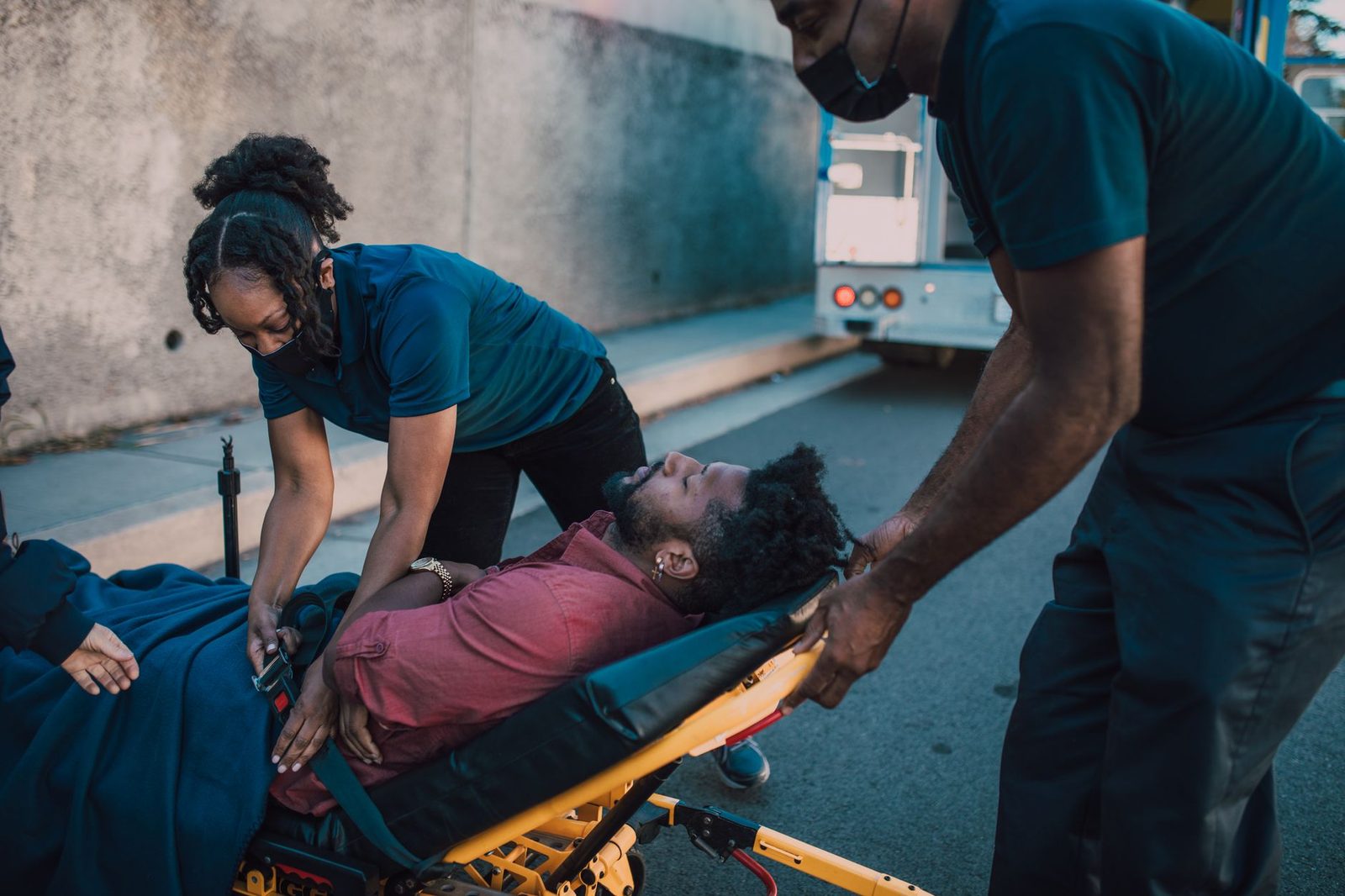
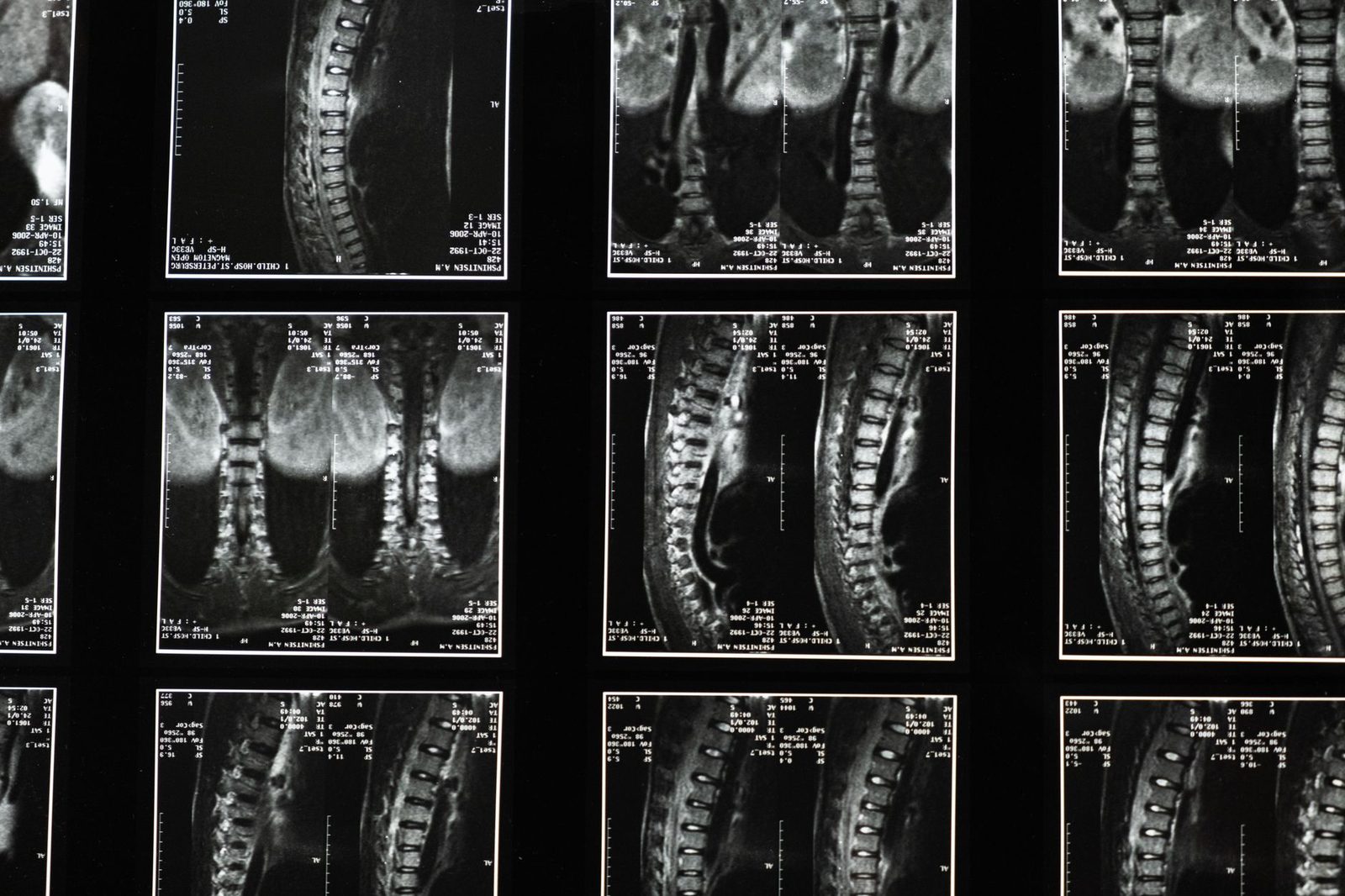
If you or a family member has suffered a C4 injury, immediate medical stabilization, imaging, and emergency care are critical. Ongoing rehabilitation, physical therapy, and adaptive equipment are necessary for long-term management.
A C4 injury is catastrophic and life-altering. It requires significant medical, personal, and financial resources.
If the injury resulted from an accident caused by someone else’s negligence, you may have a legal claim. Examples include a truck crash due to a driver’s recklessness, a fall due to unsafe conditions on someone’s property, or a violent assault on an unsecured property where security failed to prevent harm.
Under Florida Statute § 95.11(5)(a), most negligence and personal-injury claims must be filed within two years of the injury. Understanding your rights and options is an important part of planning for the future and securing the resources your care will require.
If you’re researching a C4 injury after an accident, you’re likely in the middle of an overwhelming situation. The medical reality is serious, and the legal questions matter. If someone else’s negligence caused the injury, you deserve to know what recourse is available.
If a serious accident—a truck crash, a fall, or an assault on unsafe property—caused your C4 injury, you may have a legal claim. Reach out to discuss what happened and what comes next.
Immediate Medical Attention Is Critical
If you or a family member has suffered a C4 vertebrae injury in an accident, seek emergency medical care immediately. Spinal cord injuries require rapid stabilization to prevent further damage. After stabilization, you may have legal options to recover compensation for medical costs, ongoing care, and other damages.
What a C4 Injury Means
Paralysis in All Four Limbs
A C4 spinal cord injury results in tetraplegia (quadriplegia)—loss of function and sensation in both arms and legs. This affects your ability to move, work, and perform daily activities independently.
Loss of Arm and Hand Function
The C4 nerve controls much of your arm and hand movement. Injury at this level typically causes severe weakness or complete paralysis of the hands and forearms, limiting fine motor control and grip strength.
Breathing and Respiratory Challenges
The C4 nerve controls the diaphragm—the primary muscle for breathing. Damage here often causes serious breathing difficulties and may require a ventilator or other respiratory support for survival.
Permanent, Life-Altering Effects
C4 injuries are typically permanent. Recovery is limited, and most people require lifelong medical care, adaptive equipment, home modifications, and personal assistance with daily living.
Why You Need Legal Help After a C4 Injury
We Focus Exclusively on Catastrophic Injuries
CHG Personal Injury Lawyers focuses exclusively on severe, life-altering injuries—including spinal cord damage, paralysis, and traumatic brain injuries. We understand the medical, financial, and personal challenges you face.
We Handle the Legal Complexity
C4 injury claims involve complex medical evidence, lifetime care costs, and negotiations with insurers. We manage the legal process so you can focus on recovery and family.
We Work on Contingency
You pay no attorney’s fees unless there is a recovery. We advance costs and handle the case while you heal.
We Take Cases Nationwide
Whether your accident happened in Florida or elsewhere in the country, we represent clients with catastrophic injuries from truck crashes, negligent security, medical negligence, and other serious accidents.
Common Causes of C4 Vertebrae Injuries
Truck and Motor Vehicle Crashes
High-impact collisions—especially with large trucks—are a leading cause of C4 spinal cord injuries. Negligent or reckless driving can cause catastrophic damage.
Falls from Height
Falls from ladders, roofs, scaffolding, or balconies can cause severe spinal trauma. Unsafe conditions or failure to provide proper safety equipment may create liability.
Workplace and Construction Accidents
Construction sites, industrial settings, and other workplaces expose workers to serious spinal injury risks. Negligence, lack of safety protocols, or defective equipment can lead to claims.
Violent Assault or Negligent Security
Attacks on unsafe property—parking lots, apartment complexes, hotels, or businesses—may create liability against the property owner for failing to provide reasonable security.