
Florida Crash Reports | Miami, Orlando, Tampa, Jacksonville
Finding a Florida Crash Report When a Loved One Is Hurt
Someone you care about is recovering, and the paperwork has landed on your desk. Here is a clear way to get the report and make sense of it.
Why Florida Families Reach Out to CHG
Free
Confidential first consultation with no obligation to continue
Florida
Based in Florida and serving families across the state
Licensed
Attorneys admitted to The Florida Bar
No fees
No attorney's fees unless there is a recovery
By CHG Lawyers · Published November 27, 2026
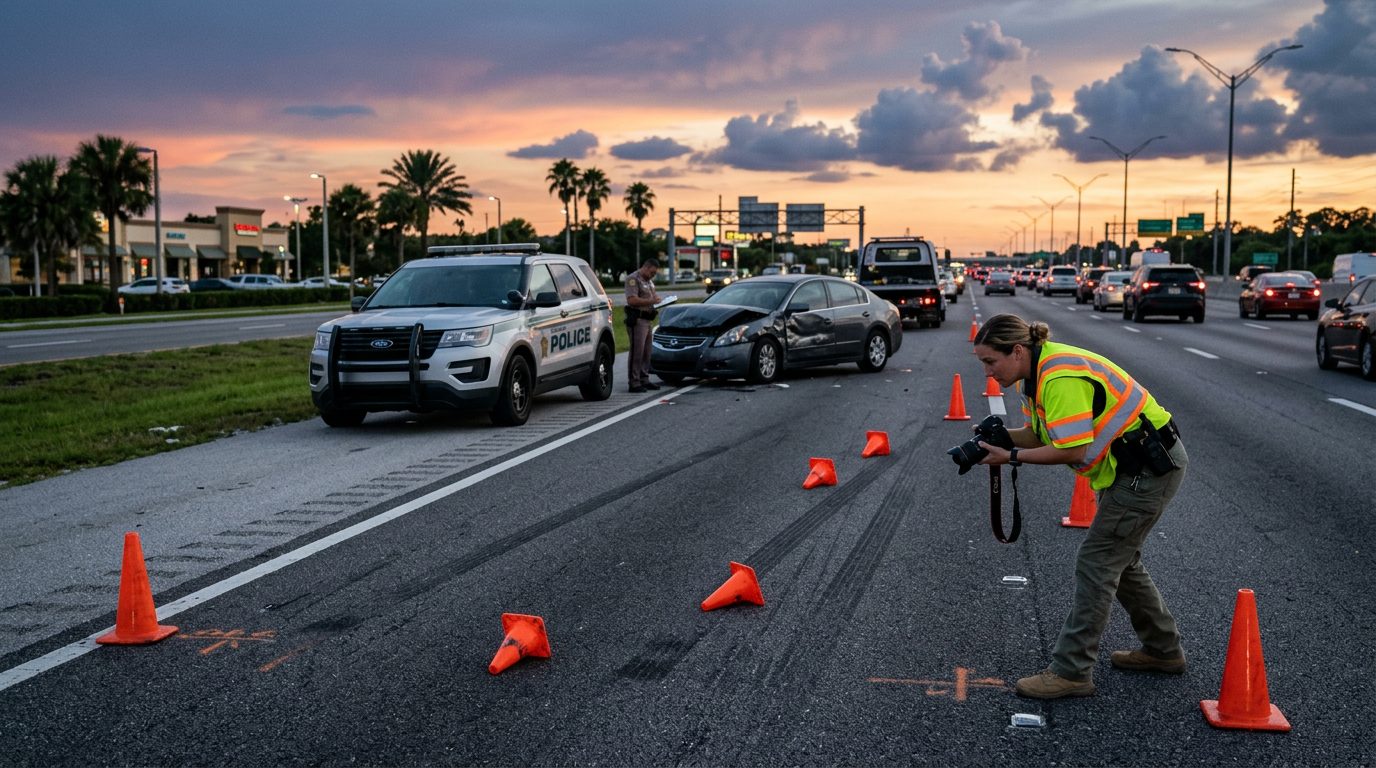
If you’re looking for a crash report, someone you care about may have been hurt. This paperwork may now fall to you. You can look up a Florida crash report by requesting it from the state’s crash report system or from the agency that investigated the crash.
This guide explains what the report is. It covers who can get it, how to ask for it, and what to do if it’s late or has mistakes. It is written for families across Florida, from Miami to Jacksonville, who are handling this while a loved one recovers.
Why a Florida Crash Report Matters After a Crash
A Florida crash report is the official written record of a crash. The law enforcement officer who investigated the crash prepares it. It lists the basic facts families need to understand what happened.
Florida’s long-form crash report must be completed and submitted within 10 days after the investigation is complete for a motor vehicle crash that resulted in death of, personal injury to, or any indication of complaints of pain or discomfort by any of the parties or passengers involved in the crash. It must list the names and addresses of witnesses. It must also list the investigating officer’s name, badge number and agency. The Florida crash reporting statute sets these rules.
Many families first need the report to answer simple questions:
- Where did the crash happen?
- Who was involved?
- Were there witnesses?
The report is a starting point. It may not be the only record that matters.
Searching while a loved one is in the hospital or recovering at home can feel overwhelming. You may not know which office holds the report or what to bring. The steps below cover the search, the request, and what to do if something goes wrong.
If a truck crash has your family waiting on records and bills, you don't have to sort it out alone; our team can talk through your situation in a free, confidential consultation. Talk it through with our team — the first consultation is free, confidential, and carries no obligation.
Crash Report vs. Police Report vs. Driving Record
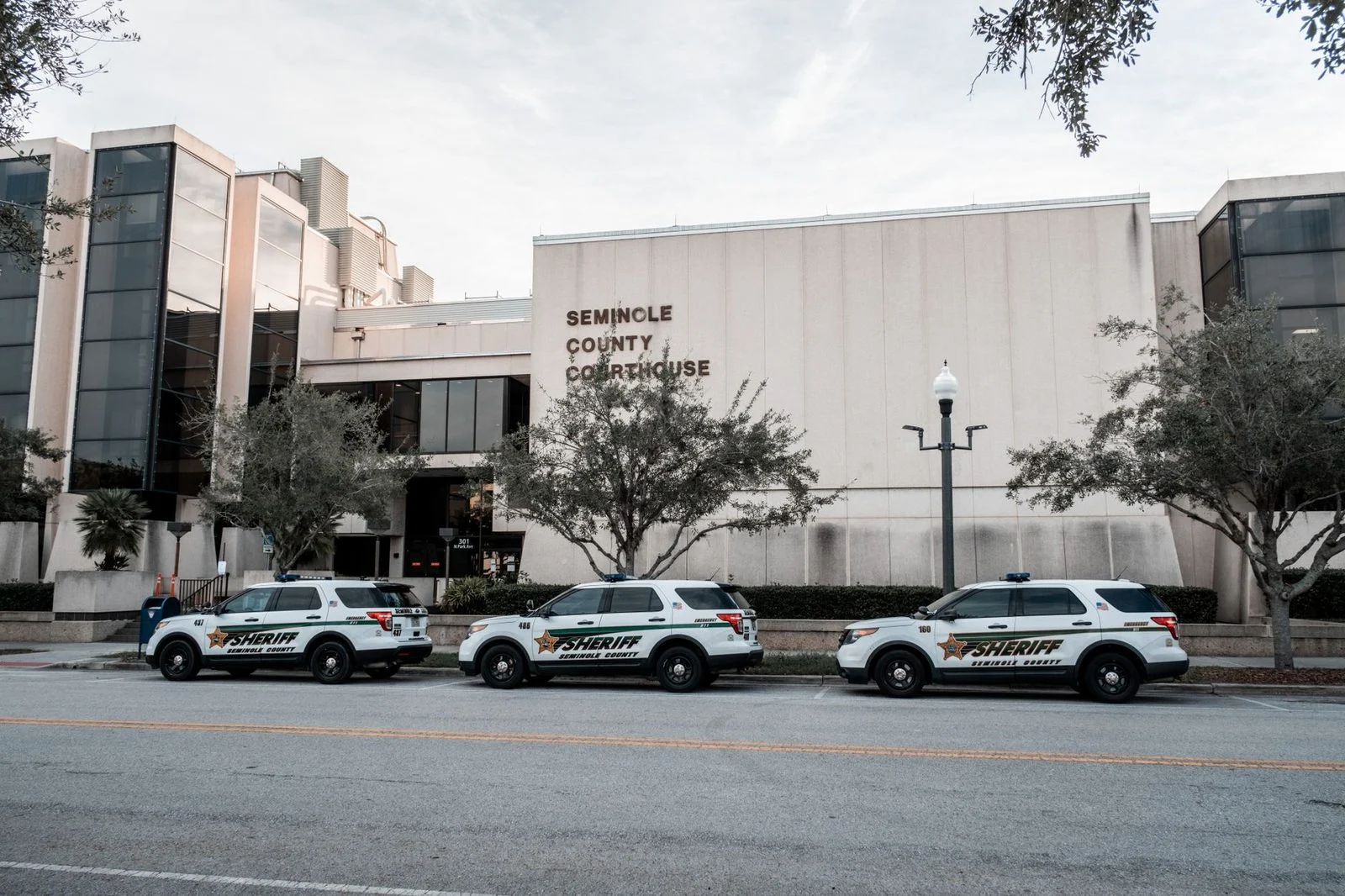
A Florida crash report is the official document from the agency that responded to the crash. People often call it a police report. In everyday talk, the two terms get mixed up.
A driving record is different. It is a record of a person’s driving history. It is not a record of one crash. Because the two records differ, each one is requested in its own way.
Ask the agency for the traffic crash report by name. If you also need a driving record, request it separately.
Before you search, write down:
- the crash date and location
- the agency that responded
- any report or case number you received at the scene
- the names of the drivers or vehicles involved
These details make the search simpler.
Are Florida Crash Reports Public Record?
Florida crash reports are generally available. But state law controls who may get them and when. The crash reporting statute sets those rules, so check it to confirm details.
Under that statute, the agency can make crash reports immediately available to certain people. These include the parties involved, their legal representatives, their licensed insurance agents and insurers, and several other listed groups.
Requesters must also meet conditions. They must present a valid driver license or other photographic identification, proof of status, or identification that demonstrates their qualifications to access that information. They must also sign a written, sworn statement. The statement says the information from the report will not be used for commercial solicitation of accident victims or knowingly disclosed to any third party for the purpose of such solicitation.
Rules can change. Check the current statute and the agency’s instructions before you rely on any date or access rule.
How to Request a Florida Crash Report, Step by Step
You can request a Florida crash report through the state’s crash report system or from the agency that investigated. The right agency depends on who responded. If the Florida Highway Patrol investigated, ask that agency. If a city or county police department responded, ask that department.
- Gather the basics. Have the crash date, location, names of drivers or vehicles, and the report number if you have one.
- Prepare your ID. Have a valid photo ID ready. The statute requires identification and a sworn statement before access.
- Use the official pages. The FLHSMV traffic crash report page explains the process. The FLHSMV crash report purchasing site covers current ordering steps.
The officer must submit the long-form report within 10 days after the investigation ends for a motor vehicle crash that resulted in death of, personal injury to, or any indication of complaints of pain or discomfort by any of the parties or passengers involved in the crash. An early search may come up empty, even when the report exists.
Does it cost money? Agencies may charge a fee. Confirm the current amount and payment method before you pay.
What to Do If the Report Is Missing, Delayed or Contains Errors
If the report is missing, late or wrong, contact the agency that issued it. Ask about the expected timing or how corrections work. Put your request in writing when you can. That gives you a record of what you asked.
Your comments do not replace the officer’s report. If something looks wrong, ask the agency how it handles corrections or supplements. Send any supporting information it asks for.
Keep copies of everything you receive. That includes the scene report number, medical records, bills and insurance letters. Follow your doctors’ care for every injury, even one that seems minor at first.
Don’t wait too long on the legal side. For most Florida negligence and personal-injury claims, the deadline to file a lawsuit is two years under the Florida limitations statute. The Florida limitations statute sets that period.
Next Steps for a FedEx or Commercial Truck Crash
A crash involving a FedEx, Amazon or other commercial truck can involve more records than a passenger-car crash. The crash report is one document among several that may matter.
Federal rules require motor carriers to keep certain records for set periods. Legible copies that accurately show the required information may be kept in place of originals. The federal records rule covers this requirement.
If the crash involved a FedEx delivery truck, the FedEx truck accident claims page explains how these claims work. The FedEx truck accident cost breakdown and the commercial truck accident statistics for Florida page offer further reading.
If you’re searching for a report for someone who was hurt, you may also be facing medical bills, lost work and hard choices. You don’t have to sort out every record alone.
This page is the responsibility of Igor Hernandez, one of the firm’s lawyers at CHG Personal Injury Lawyers, a Florida-based firm. CHG charges no attorney’s fees and no case costs unless there is a recovery.
En español: La consulta inicial es gratuita, confidencial y sin compromiso de continuar.
If you’re ready to talk, contact CHG Personal Injury Lawyers for a free, confidential consultation.
Three Steps to Get a Crash Report
1. Identify the investigating agency
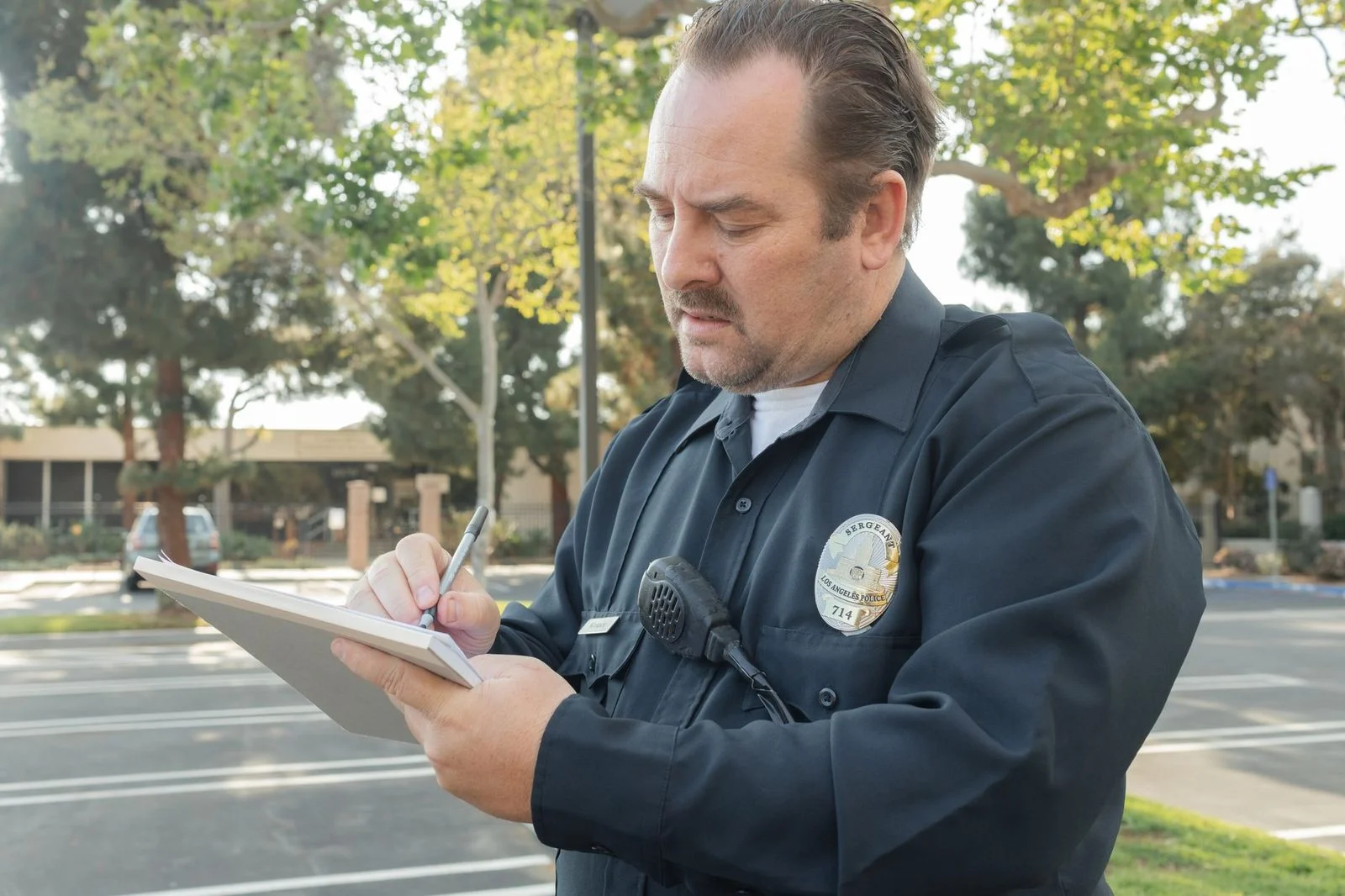
Crash reports are written by the agency that responded to the scene, such as a state highway patrol unit or a local police department. Knowing which agency responded makes the request much easier.
2. Gather the details you already have
Having the date, time, location, and any report or case numbers from the scene or from a police card can help the agency find the right file quickly.
3. Review the report carefully
Read the report closely for names, vehicle details, and the narrative. If something looks wrong or incomplete, write it down and bring it to your attorney.
What You Can Expect From Our Team
A free first conversation
Call or reach out to talk about your situation. The first consultation is free, confidential, and carries no obligation to continue.
Attorneys who handle Florida cases
Our lawyers are licensed and admitted to The Florida Bar, and we focus on helping people injured in accidents across Florida.
Help reading the paperwork
We can explain what a crash report says, what it leaves out, and how it may fit into the bigger picture for your family.
No fees unless there is a recovery
CHG charges no attorney's fees and no case costs unless there is a recovery, so you can focus on your loved one.
Don't Let a Mistake in the Report Go Unnoticed
Crash reports can contain errors, missing witnesses, or incomplete descriptions of what happened. Do not assume the report tells the whole story. Keep copies of everything and ask for help reviewing it.