
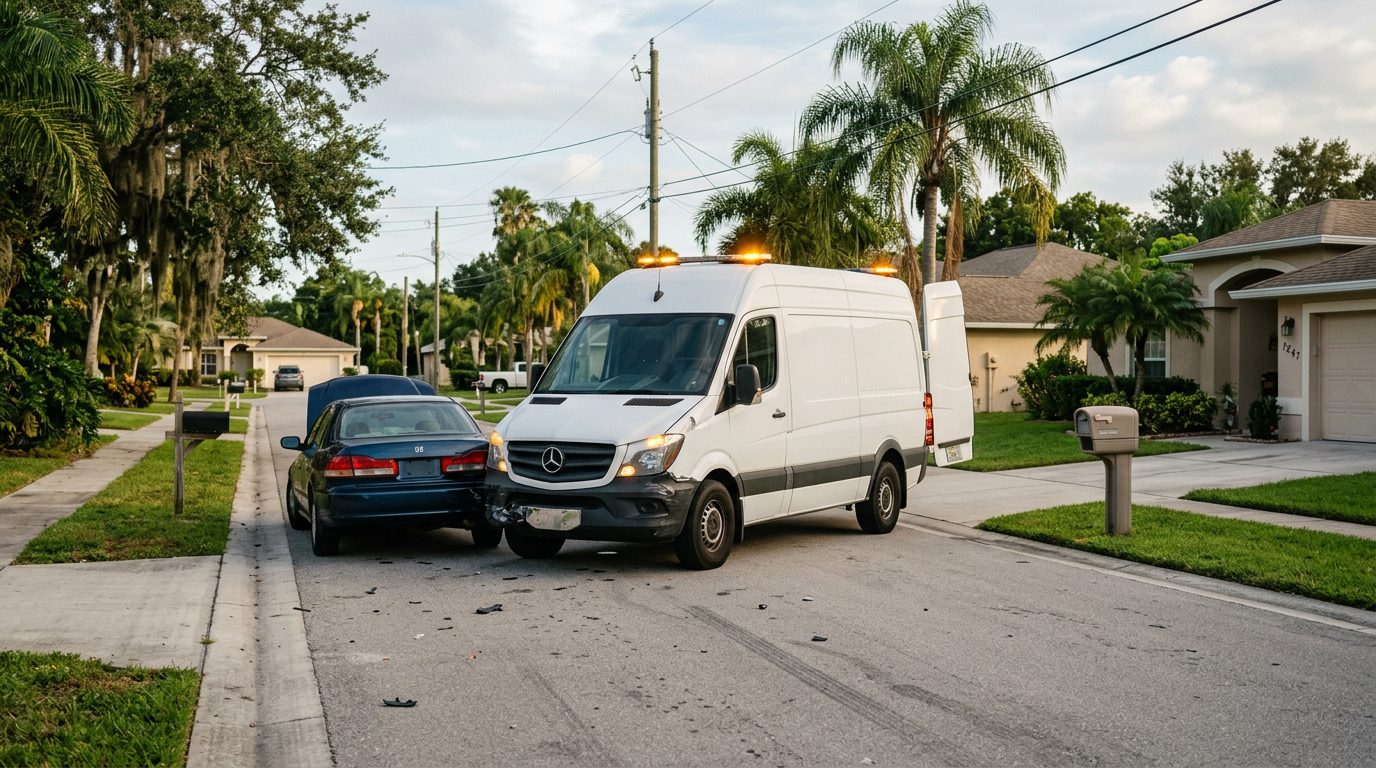
Florida Personal Injury Guide
Hurt in a Florida Accident? Act Early to Protect Your Claim
A serious injury can leave you worried about bills, work and what comes next. Here is a plain-language look at the filing process and the steps that can help you prepare.
By CHG Lawyers · Published November 25, 2026
How Many Days After an Accident Can You File a Claim in Florida?
How many days after an accident can you file a claim in Florida? Pain, medical bills, and insurance calls can make a deadline hard to track. This page explains Florida’s time limits in plain terms so you can plan your next step.
Short answer: Florida measures injury deadlines in years, not days. Florida law generally sets a two-year period for filing a negligence claim.
Not sure what your next step is?
Talk it through with our team — the first consultation is free, confidential, and carries no obligation.
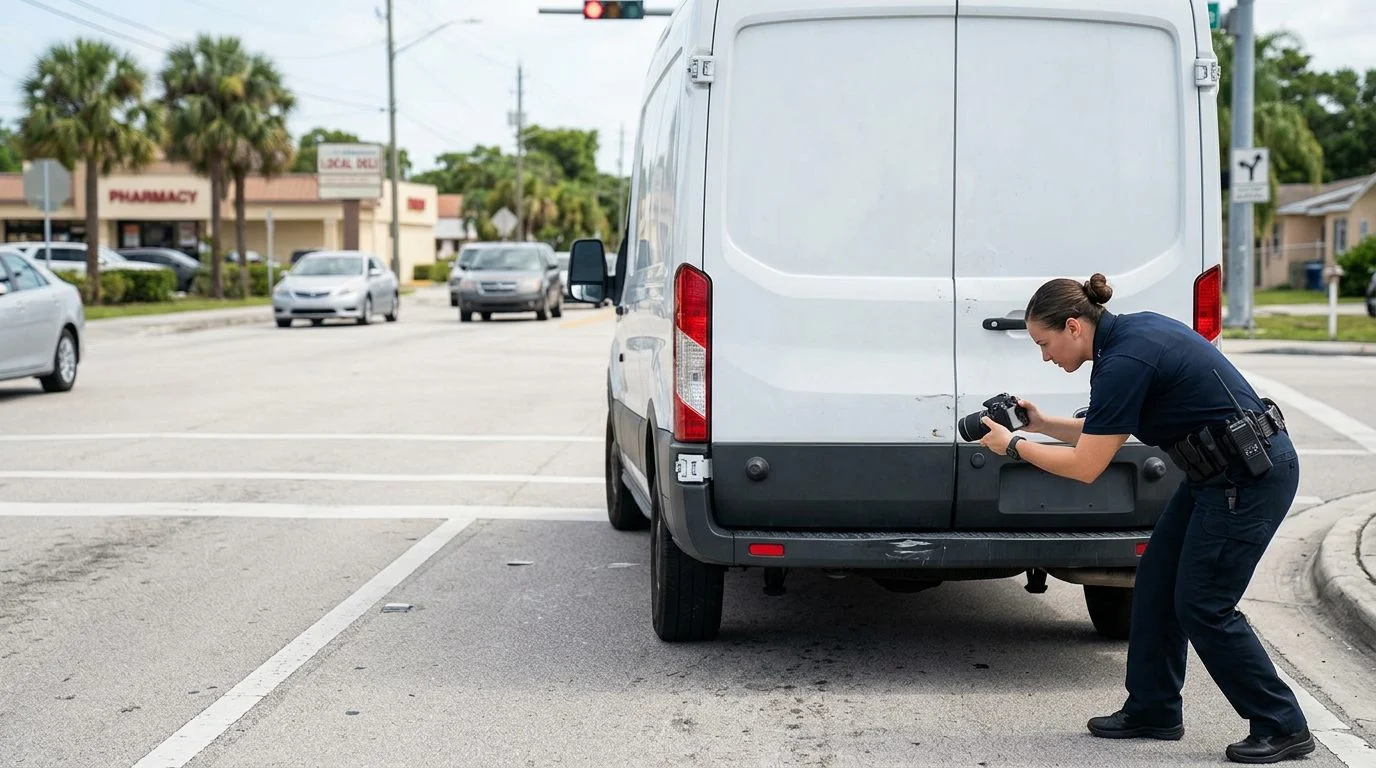
Why “days” is the wrong question for a claim in Florida
Many people search for the number of days after a crash. The law counts in years, so the useful question is which date starts the clock. For most cases, that is the date the claim arose, which lawyers call the accrual date. The accrual date determines which time limit applies, so it is the first date to confirm.
Two years is the general deadline for most Florida injury lawsuits
For most Florida personal injury claims, you have two years to file a lawsuit. Claims founded on negligence sit in the two-year group of § 95.11.
Two years is a legal cutoff, not a suggestion. If the deadline passes, a court can refuse to hear the case, even when the injury is serious and the other driver was clearly at fault. Symptoms can take weeks or months to develop fully. Waiting to see how an injury progresses can leave less time to gather proof.
“Is it three years?” The short answer is no
Many readers have heard of a three-year rule. Under Fla. Stat. § 95.11(5)(a), an action founded on negligence is commenced within two years, subject to the exceptions and conditions in the statute. Do not count on a three-year window, and do not rely on a deadline you remember from a friend or an older article.
Accidents before March 24, 2023 are handled differently. Under Chapter 2023-15, § 28, the amendments to s. 95.11 apply to causes of action accruing after the act’s effective date.
Contact CHG Personal Injury Lawyers promptly so your exact accident date can be checked against the rule that applies.
When the 2023 fault rules apply
Two dates matter, and they are easy to mix up. The accrual date decides which time limit applies. The filing date decides whether the 2023 fault rules apply. Under Chapter 2023-15, § 30, those fault rules reach causes of action filed after March 24, 2023, regardless of when the accident happened.
Medical care and insurance steps often come first
Medical care and insurance steps usually come before any lawsuit, and delays can weaken your proof. Florida’s no-fault system uses personal injury protection (PIP) benefits, which have their own rules under Fla. Stat. § 627.736. In general terms, ask early about how PIP applies to your situation so that a benefit does not slip away.
Follow your doctors’ care, and tell them about every symptom, even small ones. This page does not give medical advice. Keep every bill, record, and appointment note in one place.
Not sure what your next step is?
Talk it through with our team — the first consultation is free, confidential, and carries no obligation.
Write down these dates and facts now
Evidence goes fast. Photos, vehicle damage, witness names, and video from nearby cameras can disappear quickly. Start a simple list:
- The accident date and the time it happened
- The date you first received medical care
- The names and phone numbers of anyone who saw what happened
- Photos of the scene, vehicles, and visible injuries
- Every insurance claim number and adjuster’s name
These details make the first conversation with a lawyer more useful.
Medicare can change who pays first
If you are on Medicare, the order of payment can change. Under CMS guidance on secondary payer rules, when a person entitled to Medicare is in an accident involving no-fault or liability insurance, that insurance pays first for accident-related care, and Medicare pays second.
If the insurance company does not pay promptly, Medicare may make a conditional payment. As Medicare.gov explains, Medicare may later recover payments the primary payer should have made. Medicare’s conditional payment letter is a notice you should review carefully. Keep every Medicare notice you receive.
A wrongful death claim gives the family its own clock
When someone dies, the family may be able to bring a wrongful death claim. The Florida Wrongful Death Act sets the framework for these claims. Wrongful death claims have their own deadlines, so contact the firm promptly.
Families often face grief, insurance calls, and paperwork at the same time. You do not have to carry all of that alone.
A death from a crash, a fall, or a violent act on someone else’s property can raise different claims, and who may be responsible depends on the facts. For more, see wrongful death claims. A calm first step is to write down the date of death, the accident date, and the names of anyone who saw what happened.
Government vehicles and property come with notice steps
When a government entity may be responsible, Florida law can require a written claim before a lawsuit moves forward.
For a wrongful death claim against a state agency, the claim must be presented in writing to the appropriate agency and to the Florida Department of Financial Services, and the claim to the Department must be made within 2 years after the claim accrues; claims against a municipality (city), county, or the Florida Space Authority are not presented to the Department (Fla. Stat. § 768.28).
Government claims follow their own rules and timetable. Missing a notice step can affect your claim. If a city vehicle, a county bus, or a state road may be involved, contact a lawyer right away.
The 51% rule in plain words
Under § 768.81(6), in a negligence action to which this section applies, a party found greater than 50 percent at fault for his or her own harm may not recover any damages, but this does not apply to personal injury or wrongful death claims arising out of medical negligence under chapter 766. In plain words:
- Above 50% at fault in a negligence action to which the section applies (not a medical negligence claim under chapter 766): You recover nothing.
No outcome can be promised in advance.
Not sure what your next step is?
Talk it through with our team — the first consultation is free, confidential, and carries no obligation.
How much of a $100,000 settlement would I actually get?
No one can answer that from a single number, and no lawyer can promise a particular amount. A settlement is not the same as the money you keep. Several factors can reduce what reaches you:
- Your share of fault. Under Fla. Stat. § 768.81(2), contributory fault chargeable to the claimant diminishes proportionately the amount awarded for damages, but does not bar recovery, subject to subsection (6). Chapter 2023-15, § 30 provides: “Except as otherwise expressly provided in this act, this act shall apply to causes of action filed after the effective date of this act.”
- Medicare repayment. Medicare may later recover payments that a primary payer should have made, according to Medicare.gov.
- Other liens and bills. Medical providers or insurers may have claims that must be addressed before money is paid to you.
- Fees and costs. CHG charges no attorney’s fees and no case costs unless there is a recovery. How the fee is calculated and what the case costs look like will be explained to you at your consultation, before you decide anything.
Each case turns on its own facts, including the injuries, the evidence, and the insurance involved. Ask for a clear explanation of every deduction before you agree to anything.
Who is responsible for this page
Igor Hernandez is the responsible lawyer for this page. CHG Personal Injury Lawyers is a Florida-based firm serving people throughout Florida, including Miami, Orlando, Tampa, and Jacksonville. The firm handles car accidents, truck accidents, FedEx truck accident claims, wrongful death cases, and other injury claims. Our team can review your accident date and the deadlines that may apply to your case.
Frequently asked questions
How long do you have to file a claim in Florida after an accident?
For most Florida negligence claims, the deadline to file a lawsuit is two years (Fla. Stat. § 95.11(5)(a)). The act’s amendments to s. 95.11 are stated to apply to causes of action accruing after the act’s effective date, according to Chapter 2023-15.
Is there a three-year limit for injury claims in Florida?
Whether the amended period applies depends on when the cause of action accrued, because the act’s amendments to s. 95.11 apply to causes of action accruing after its effective date (Chapter 2023-15). Contact CHG promptly rather than guessing.
Does the 51% rule stop every claim?
No. If you are more than 50% at fault, you recover nothing. At 50% or less, you can still recover, but the recovery is reduced by your share of fault (Fla. Stat. § 768.81(2)).
If the deadline is weighing on you after an accident that changed your life, you do not have to sort it out alone. Contact CHG Personal Injury Lawyers to talk about your accident date and the rules that may apply. The first consultation is free, confidential, and carries no obligation to continue. CHG charges no attorney’s fees and no case costs unless there is a recovery.
Deadlines apply. Act promptly.
Florida deadlines for filing an injury claim can be strict, and evidence can fade quickly. Waiting can make it harder to protect your rights. Follow your doctors' care, and contact our team as soon as you are able.
Why Injured Floridians Contact CHG
Florida-Based Representation
CHG Personal Injury Lawyers represents injured people throughout Florida, from Miami and Hialeah to Orlando, Tampa and Jacksonville.
Licensed Attorneys
Our attorneys are licensed in Florida and admitted to The Florida Bar.
Compassionate Guidance
We understand that an injury affects your health, your work and your family. We take time to explain your situation in plain language.
No Fees Unless There Is a Recovery
CHG charges no attorney's fees and no case costs unless there is a recovery.
Steps to Consider After an Accident
Get Medical Care
Follow your doctors' care and keep records of every visit, bill and prescription.
Preserve Evidence
Photos, police reports, witness names and details about the vehicle or property can matter later.
Keep Records of Losses
Save receipts, pay stubs and notes about missed work and daily limitations.
Talk With a Lawyer Early
A consultation can help you understand your options and the filing steps that apply to your case.