
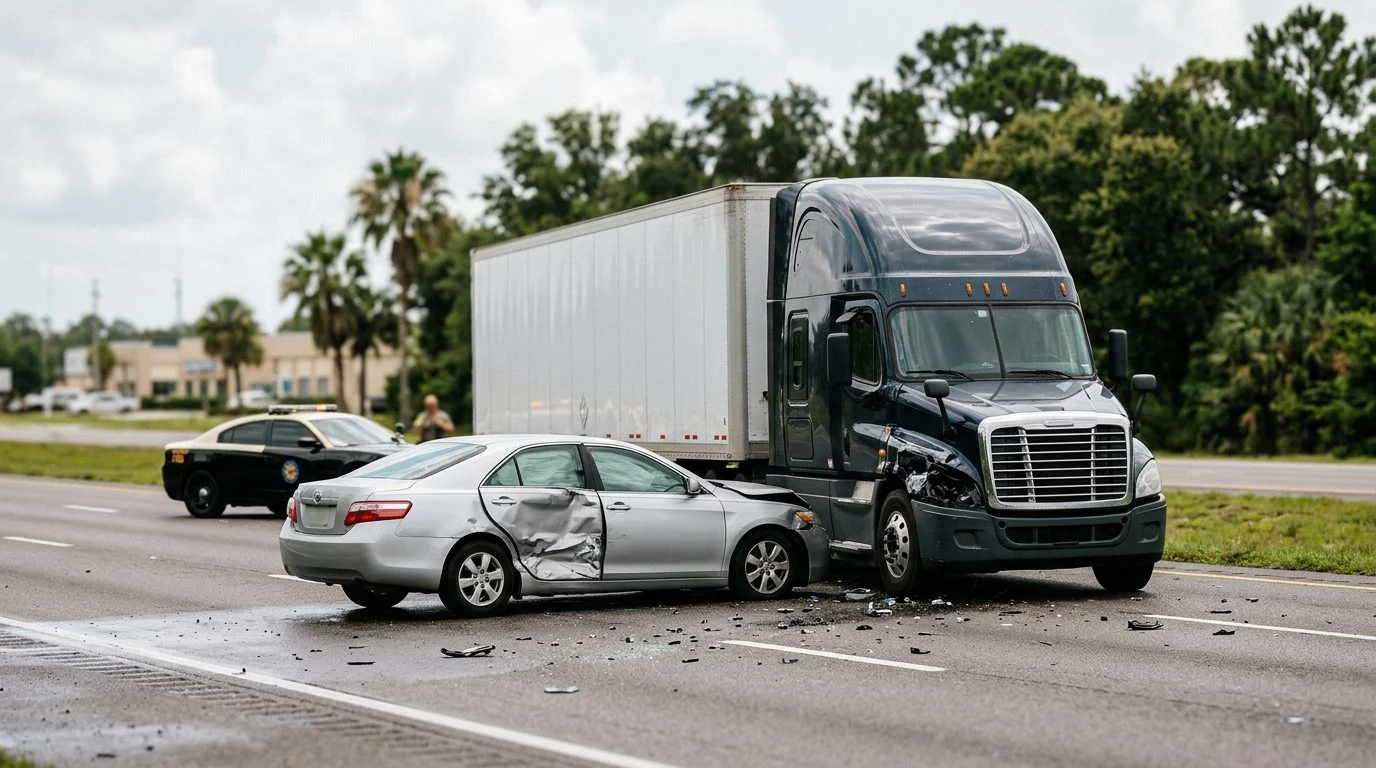
Truck Accidents | Serving Florida
Lost Earning Capacity After a Florida Truck Accident
When a crash changes how you can work, the financial impact can reach far beyond the hospital bills. Here is how to think about that loss and where to begin.
About CHG Personal Injury Lawyers
Florida
Florida-based firm serving clients throughout the state
Florida Bar
Attorneys admitted to The Florida Bar
Free
Initial consultation, confidential and without obligation
By CHG Lawyers · Published November 13, 2026
If a FedEx delivery truck hit you, you may be worried about missed paychecks and what comes next. Lost earning capacity is the drop in what you can earn over your working life because of the crash. In Florida, it can be part of an injury claim, along with income you have already lost.
When a Florida injury claim turns on who was at fault, the answer can decide whether any money is recoverable. How the crash happened matters from the start.
Why Lost Earning Capacity Matters After a FedEx Truck Crash
Lost earning capacity is the reduced ability to earn money that an injury causes, and it can last for years. Picture a Florida worker driving to a job when a FedEx truck pulls into the lane. The crash leaves a back injury, numb hands, and a doctor’s note that says no heavy lifting. Missed work piles up, and the old job may no longer be possible.
Lost earning capacity is one part of a larger injury claim. Other parts include medical bills and pain and suffering. Florida’s comparative fault statute treats past and future lost income as economic damages.
CHG Personal Injury Lawyers is a Florida-based personal injury firm. It handles car, truck, and other accident cases. Igor Hernandez, one of the firm’s lawyers, is responsible for this page. Our team works with injured people and their families throughout Florida.
If a FedEx truck crash has left you unable to work as before, we can review your pay records and work limits with you at no cost. Talk it through with our team — the first consultation is free, confidential, and carries no obligation.
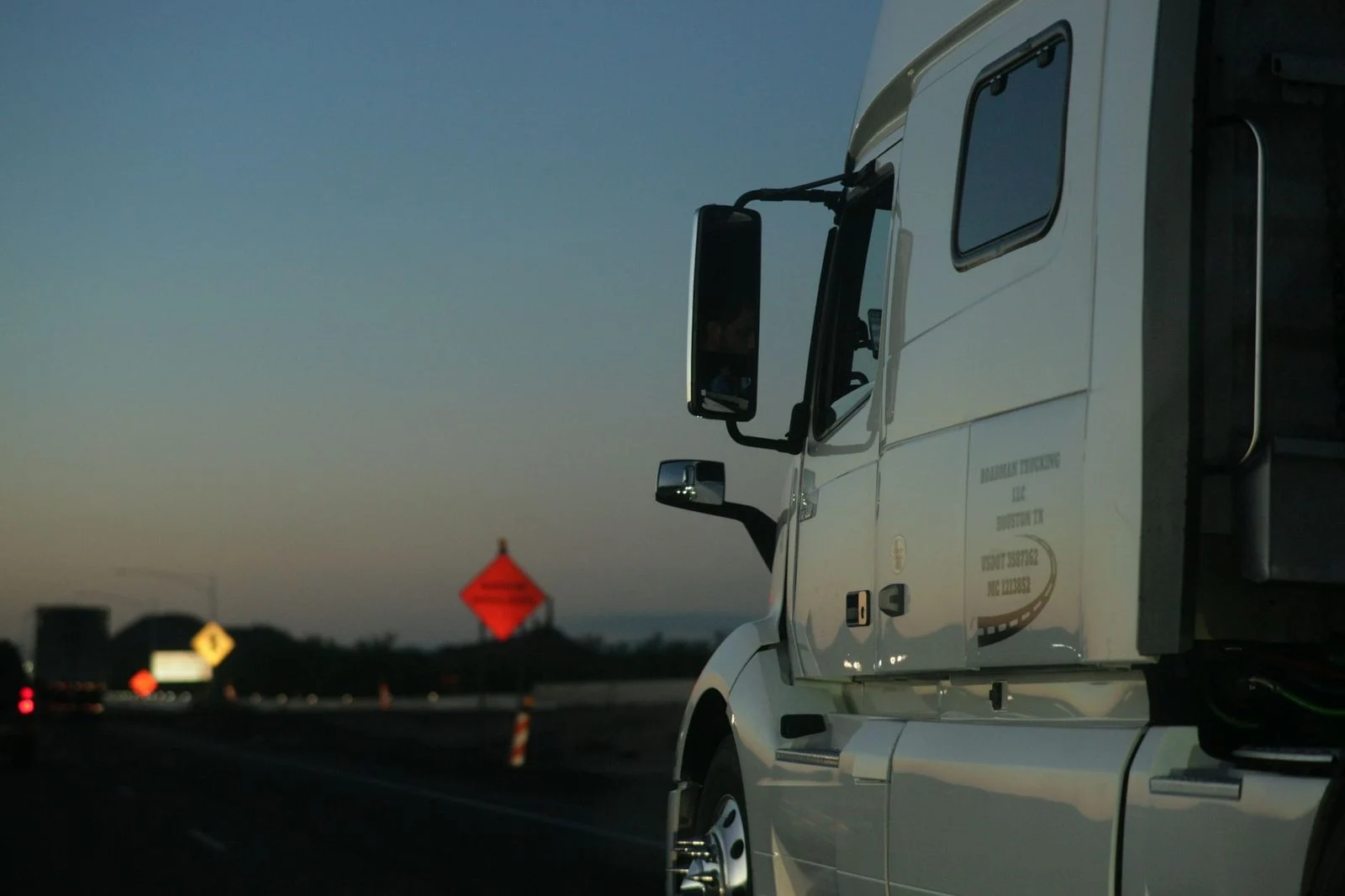
Lost Wages vs. Lost Earning Capacity: Past and Future Income
Lost wages cover income you have already missed. Lost earning capacity covers income you will miss later. Both can be part of your claim.
Past lost wages start on the day of the crash and run up to today. They include regular pay, overtime, tips, and bonuses you would have earned. Keep proof of each one.
Future lost earning capacity looks forward. It asks how much you would have earned over your working life if the crash had not hurt you. It also asks what you can still do. Can you stand for a full shift? Lift boxes? Drive a route? Each limit can change your earning ability.
Benefits count too. Health insurance, retirement contributions, and paid leave are often lost along with a job or set of hours.
Catastrophic injuries can change your work for good. Spinal cord injuries, paralysis, traumatic brain injuries, and amputations can permanently change the kind of work a person can do. Many people focus only on the first few months of missed pay. The bigger loss often comes later.
Florida’s Comparative Fault Rule and the 50% Bar
Florida reduces your recovery by your share of fault. For negligence actions filed after March 24, 2023, it bars recovery if you are more than 50% at fault, and other exceptions may apply.
In a truck case, fault is argued from the facts. Investigators look at the crash report, photos, vehicle damage, and witness accounts. Each side tells its own version. Insurers and defense lawyers often argue that the injured person shares some of the blame.
Whether any blame falls on you depends on the facts of your crash. Speak with the firm promptly so evidence stays preserved.
How Florida No-Fault (PIP) Insurance Affects Lost Income Claims
Florida’s Personal Injury Protection (PIP) coverage is part of your own auto policy. It can help after a qualifying crash. Florida Statutes 627.736 sets the rules for these benefits and the claim process. What PIP pays, and for how long, depends on your policy and the statute’s conditions.
A claim for pain and suffering is separate from PIP and has its own threshold requirement under Florida law.
Follow your doctors’ care. Keep your PIP bills, letters, and paperwork together in one folder.
Who May Be Responsible in a FedEx Truck Crash
It depends on the facts. A delivery company may use its own drivers or contracted delivery services, so the work relationship matters.
Trucking records can matter a lot. Under the federal driver duty-status rule, a motor carrier generally must have each driver record duty status for each 24-hour period, though some operations are exempt. Carriers must keep those records for at least six months from receipt. Where the rule applies, hours-of-service records show when a driver was on duty and when they were driving.
The federal driver qualification rule requires carriers to keep a driver qualification file for each driver. The file stays on record while the driver works for the carrier and for three years after.
The Federal Motor Carrier Safety Administration sets the federal safety rules that motor carriers follow. Federal law also makes a carrier or broker providing transportation subject to federal economic regulation liable for damages a person sustains as a result of an act or omission in violation of that regulatory part, under 49 U.S.C. 14704. Because companies keep records for limited times, early action matters.
How to Prove Lost Earning Capacity in Florida
You need records of what you earned before the crash. You need medical proof of what you cannot do now. You need a clear estimate of future loss.
Start with pay records. Gather pay stubs, W-2s, tax returns, employment contracts, offer letters, performance reviews, and records of time missed from work. These show what you earned and what you were on track to earn.
Medical records come next. Treating doctors can describe your work limits and whether they are permanent. Keep every appointment and follow your doctors’ care. Gaps in treatment can make it harder to link your limits to the crash.
Future loss usually needs outside help. Economists and vocational consultants can estimate future earning loss using your age, education, skills, and work history. A life care planner can address future care costs that affect how much you can work. Your own description of your daily job duties also matters.
Not sure what your next step is?
Talk it through with our team — the first consultation is free, confidential, and carries no obligation.
What Affects the Value of a Lost Earnings Claim and What a Settlement Pays
No lawyer can promise a specific amount, because each claim depends on its facts. Value often turns on your age, earnings history, job skills, how severe and permanent the injury is, and the insurance available. A figure in a news story or an online calculator is not a prediction for your case.
The amount you keep from a settlement can differ from the total paid, depending on the facts of your case. The Florida collateral source statute applies to court awards: where liability is admitted or determined by the trier of fact and damages are awarded, a court must reduce the award by amounts paid or available from collateral sources. It does not describe how a settlement is calculated. It makes an exception where a subrogation or reimbursement right exists. Medicare, Medicaid, and workers’ compensation benefits are not treated as collateral sources.
CHG charges no attorney’s fees and no case costs unless there is a recovery.
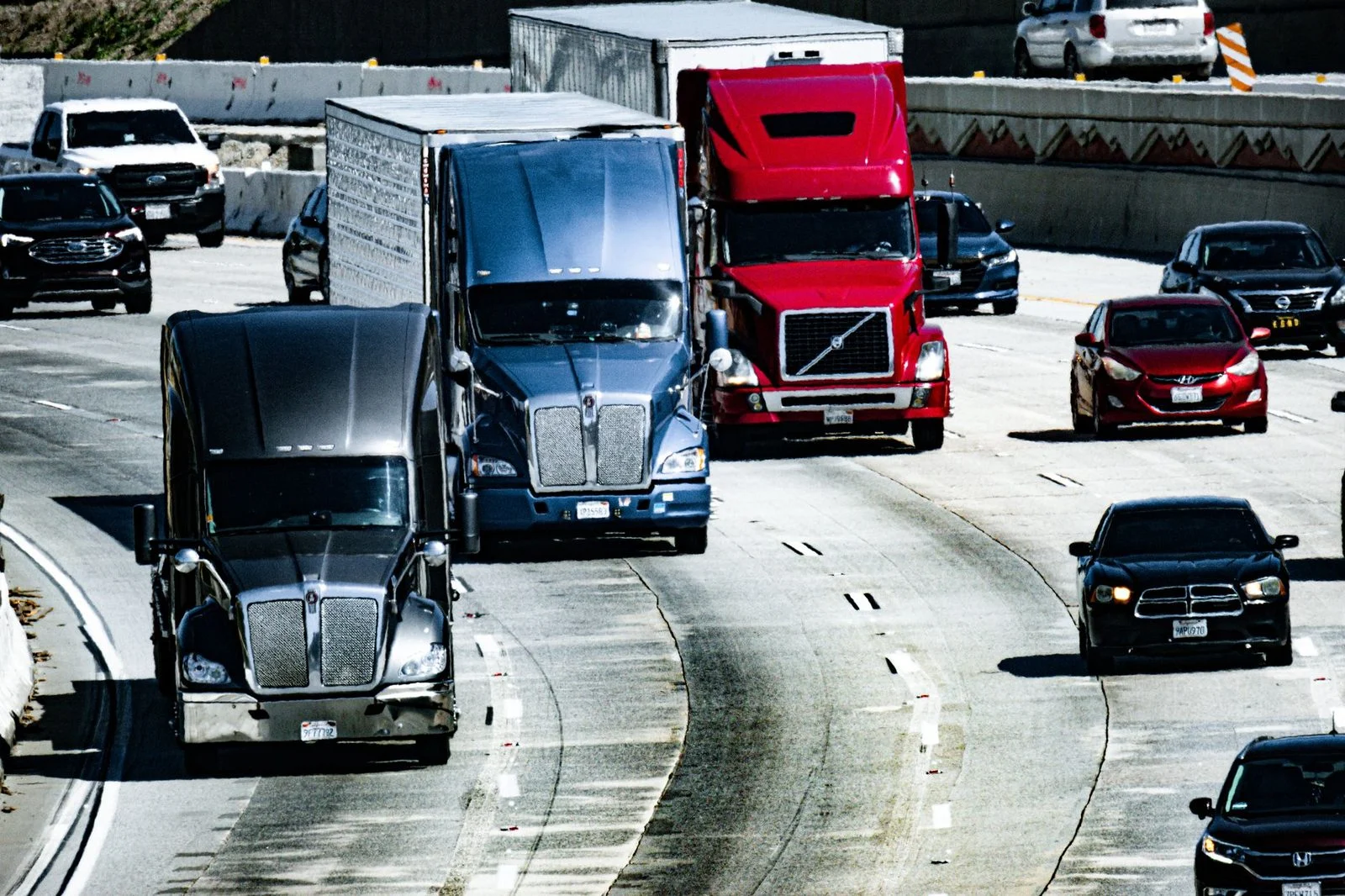
Florida Deadlines and Your Next Step
Florida generally gives two years to file a negligence lawsuit. Florida Statutes 95.11 sets that rule. Under Chapter 2023-15, Laws of Florida, “The amendments made by this act to s. 95.11, Florida Statutes, apply to causes of action accruing after the effective date of this act.” Wrongful death claims follow the Florida Wrongful Death Act. Sections 768.16-768.26 may be cited as the Florida Wrongful Death Act.
If a FedEx truck crash has left you unable to work as you did before, you can start by talking with us in a first meeting that is free and confidential. We can review your pay records and work limits with you. Contact CHG Personal Injury Lawyers to start.
Frequently Asked Questions
Can I recover lost wages after a FedEx truck crash in Florida?
Florida law treats past and future lost income as economic damages. Your claim depends on the facts of your crash and on your share of fault.
Does PIP pay lost wages?
PIP on your own auto policy can help after a qualifying crash. What it pays depends on your policy and Florida’s statute.
How long do I have to file?
Florida generally gives two years for negligence claims that accrued after March 24, 2023. Deadlines apply, so act promptly.
How Our Team Approaches a Work-Related Injury Claim
We Review Your Work History
We look at your earnings before the crash, your job duties, your training, and the career path you were building.
We Work With Your Doctors
We coordinate with your treating physicians and, when appropriate, with professionals who can explain how your injuries affect your ability to work.
We Consider Your Whole Household
When a crash limits your work, the whole family feels it. We listen to how the change affects daily life at home.
We Explain Each Step
You will hear what we are doing, what is still unknown, and what information we may ask you to gather.
Keep Your Work Records
Save pay stubs, tax returns, employer letters, schedules, and notes about missed shifts or work restrictions. Follow your doctors' care, and tell them about every limit you notice at work.
What a Lost Earning Capacity Claim Can Address
Income You Have Already Lost
Wages, salary, tips, and overtime you missed while recovering from the crash.
Future Earning Ability
How lasting injuries may reduce the work you can do or the pay you can earn over the rest of your working life.
Benefits and Family Support
Employer benefits, retirement contributions, and the effect on a household that depends on your income.