
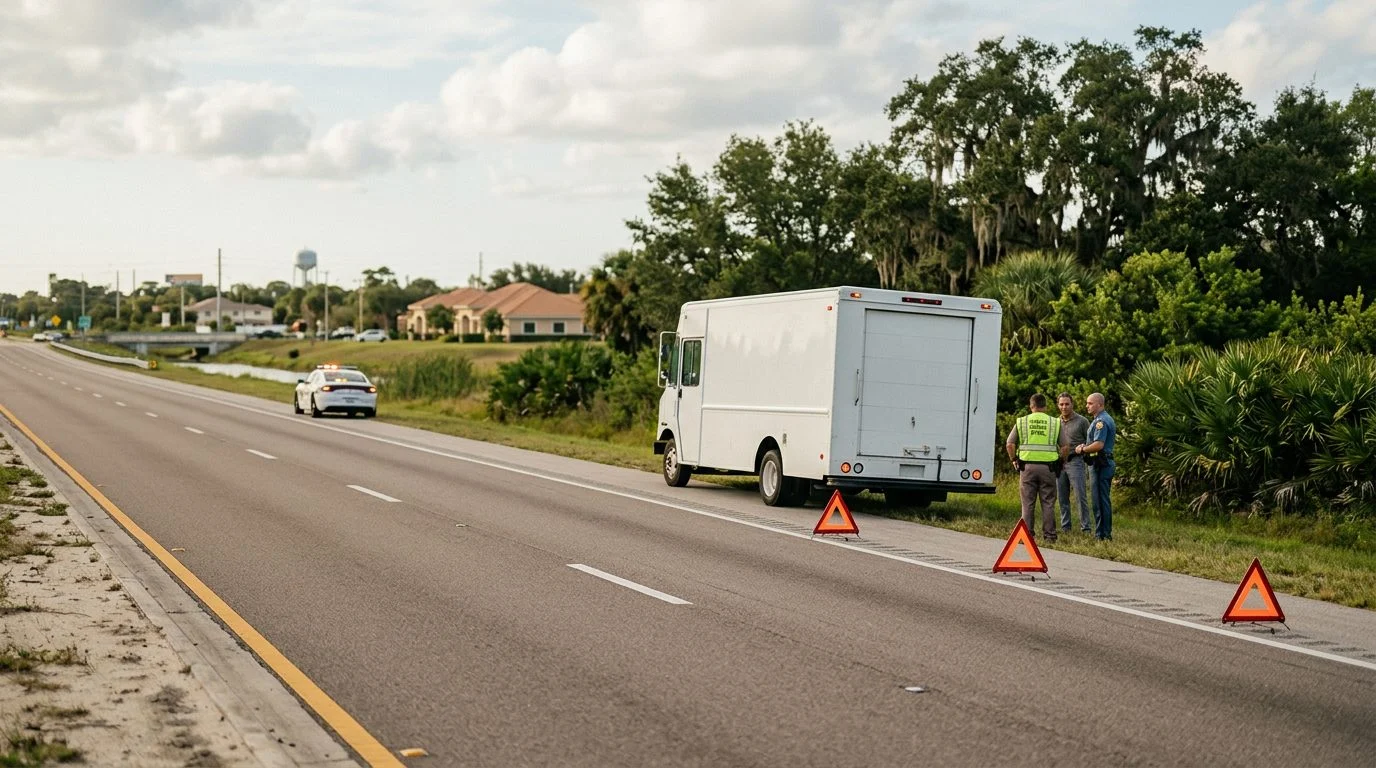
Bicyclist & Pedestrian Accidents | Serving Florida
Hurt by a FedEx Truck While Biking or Walking in Florida? You Do Not Have to Face It Alone.
Our Florida-based lawyers help injured cyclists, pedestrians and their families understand their options, handle the insurance companies and focus on recovery.
By CHG Lawyers · Published November 20, 2026
If a FedEx truck hit you while you rode a bike or walked in Florida, you may have a claim. A claim can cover the injuries and losses that follow.
Florida has firm deadlines. Fault rules can also affect the outcome. That is why early steps matter.
This page explains those steps. It also covers who may be responsible and the Florida rules that apply.
CHG Personal Injury Lawyers is a Florida-based firm. It handles personal injury cases, including bicycle accidents, truck accidents, and wrongful death.
If a FedEx Truck Hit You or Someone You Love
A bicyclist or pedestrian hit by a large truck has very little protection. Injuries can range from road rash to broken bones. Road rash means scrapes and burns from sliding on pavement. Injuries can also include brain injuries, spinal cord injuries, amputations, and death.
Many families feel overwhelmed in the first days. Hospital bills, insurance calls, and missed work can arrive. Often, no one has explained your options yet.
The National Highway Traffic Safety Administration’s Fatality Analysis Reporting System tracks bicycle and pedestrian deaths each year.
Many news reports about these crashes focus on the driver. This page focuses on the injured person and the family.
If a FedEx truck struck you or someone you love on a Florida road, you don't have to work out the next steps alone. Our team can talk with you about what may be possible. Talk it through with our team — the first consultation is free, confidential, and carries no obligation.

Steps to Take After a Pedestrian or Cyclist Is Hit
Medical care comes first. Clear records come next. Both help protect your health and your options.
- Get medical care right away. Call 911 if needed. Some injuries do not show up for hours or days. Follow the care plan your doctors set.
- Take photos. Capture the scene, the truck, your bike, and the road conditions. Include any FedEx markings or the vehicle number.
- Keep your gear. Save the bike, helmet, clothing, and phone. Do not repair or throw away damaged items.
- Collect witness details. Get names and phone numbers. Ask each person what they saw while it is fresh in their mind.
- Organize paperwork. Keep bills, prescription receipts, and missed-work records in one folder. Write down your mileage to medical visits.
- Pause before talking to insurers. Speak with a lawyer before giving a recorded statement or posting about the crash.
If the driver left the scene, report it to police right away. Florida’s crash statute, § 316.027 requires a driver involved in a crash on public or private property that results in any injury to a person, serious bodily injury, or death to stop at the scene, or as close to it as possible, and remain there until the requirements of s. 316.062 are fulfilled, and the section does not apply to crashes during a motorsports event or at a closed-course motorsport facility.
Your own auto policy may include uninsured motorist coverage. This coverage protects you if the at-fault driver has no insurance. § 627.727 addresses this coverage.
Who May Be Responsible in a FedEx Truck Crash
Who may be responsible depends on how the crash happened. It also depends on who controlled the truck. A claim can name more than one party.
- The driver. Distraction, speeding, fatigue, failure to yield, or an unsafe turn can all matter. Florida law requires any driver to operate a vehicle in a careful and prudent manner upon the streets or highways within the state so as not to endanger the life, limb, or property of any person.
- The companies behind the truck. Some FedEx delivery drivers work for independent contractors. These are separate businesses hired to do the work. The truck may be owned, leased, or controlled by different companies.
- The vehicle itself. Maintenance records and vehicle data can be part of an investigation.
Negligence means failing to use reasonable care and causing harm.
Federal law limits when a vehicle owner can be held liable just for owning the vehicle. This limit covers rented or leased vehicles. It applies only if the owner was not negligent. Whether this rule fits a delivery truck depends on the facts.
Florida Rules That Shape a Claim
Florida’s fault rules and deadlines shape nearly every claim. Knowing them early helps you make informed choices.
- Shared fault. Under § 768.81, a person found more than 50 percent at fault for their own harm may not recover any damages. Each responsible party pays only its own share of fault.
- Deadlines. Under § 95.11, a negligence action (a lawsuit over carelessness) must generally be started within two years. The same section places wrongful death actions in the two-year group, except that an action against a natural person for an intentional tort resulting in death from acts described in s. 782.04 or s. 782.07 may be commenced at any time. Deadlines apply, so contact a lawyer promptly.
- Personal injury protection (PIP). Florida’s no-fault auto insurance includes PIP. Under § 627.736, PIP provides up to $10,000 in medical and disability benefits and $5,000 in death benefits. Medical benefits cover 80 percent of reasonable expenses for medically necessary services when the injured person receives initial care from a qualifying provider within 14 days of the crash.
PIP can work alongside a separate injury claim, but you cannot recover in that claim any damages for which PIP benefits are paid or payable. Ask about PIP early.
What a Claim Can Cover, Including Wrongful Death
A claim can seek money for economic losses and for the human cost of an injury, except for losses for which personal injury protection benefits are paid or payable.
Economic losses are the money costs. They include:
- Past and future medical bills
- Rehabilitation and medications
- Assistive devices (equipment that helps a person move or do daily tasks)
- Lost income or earning capacity (the ability to earn money in the future)
Non-economic losses include pain, suffering, emotional distress, loss of enjoyment of life, and disfigurement. Catastrophic injuries often need long-term care planning. These include brain injuries, spinal cord injuries, paralysis, amputations, and severe burns.
When a crash causes a death, Florida’s wrongful death law allows certain claims to go forward.
- Under § 768.21, a surviving spouse may recover for loss of companionship and protection.
- Minor children may recover for lost parental companionship, instruction, and guidance.
- Under § 768.19, a person liable for a death is liable for damages as specified in the wrongful death act, and under § 768.21, each parent of a deceased minor child may recover for mental pain and suffering.
If Medicare paid for care, Medicare may need to be repaid from a settlement. CMS explains that these conditional payments (Medicare payments that must be repaid later) must be repaid when a settlement or other payment is made.
Roadways, Bike Lanes, and How Fault Is Argued
Insurers often focus on where the cyclist was riding. They may also focus on what the cyclist was wearing. These details can shape how fault is argued.
Under § 316.2065, a cyclist riding slower than normal traffic generally rides in a bike lane. Otherwise, if there is no bicycle lane on the roadway, the cyclist rides as close as practicable to the right curb, the edge of the road. Fla. Stat. § 316.2065 reads: “(5)(a) A person operating a bicycle upon a roadway at less than the normal speed of traffic at the time and place and under the conditions then existing must ride in the bicycle lane or, if there is no bicycle lane on the roadway, as close as practicable to the right-hand curb or edge of the roadway except under any of the following situations: 1.” The statute lists exceptions, such as passing or avoiding a hazard.
At night, a bicycle needs:
- A white front light visible from 500 feet
- A red rear lamp and reflector visible from 600 feet
Florida divides liability (legal responsibility for harm) based on each party’s relative fault. Under § 768.31, relative fault is the basis for dividing liability among tortfeasors. A tortfeasor is a person or company found legally responsible.
Evidence can help show what happened. Crash-scene photos, witness accounts, traffic camera footage, and the truck’s electronic data often matter.
Not sure what your next step is?
Talk it through with our team — the first consultation is free, confidential, and carries no obligation.
How the Process Works, Timeline, and Fees
Every case moves through similar stages. Timing varies from case to case.
- Free, confidential consultation. We review the crash, your injuries, and your insurance information. There is no obligation to continue.
- Investigation. This may include the crash report, witness statements, scene and vehicle evidence, medical records, and letters asking companies to preserve evidence.
- Insurance demands and negotiation. This often starts once medical treatment reaches a stable point.
- Lawsuit if needed. If a fair resolution is not reached, a case is filed in a Florida court. The case then moves through discovery (the exchange of evidence), depositions (sworn testimony given outside court), and mediation (a settlement meeting with a neutral helper) before trial.
Simple claims may resolve in months. Catastrophic and wrongful death cases often take longer.
CHG charges no attorney’s fees and no case costs unless there is a recovery.
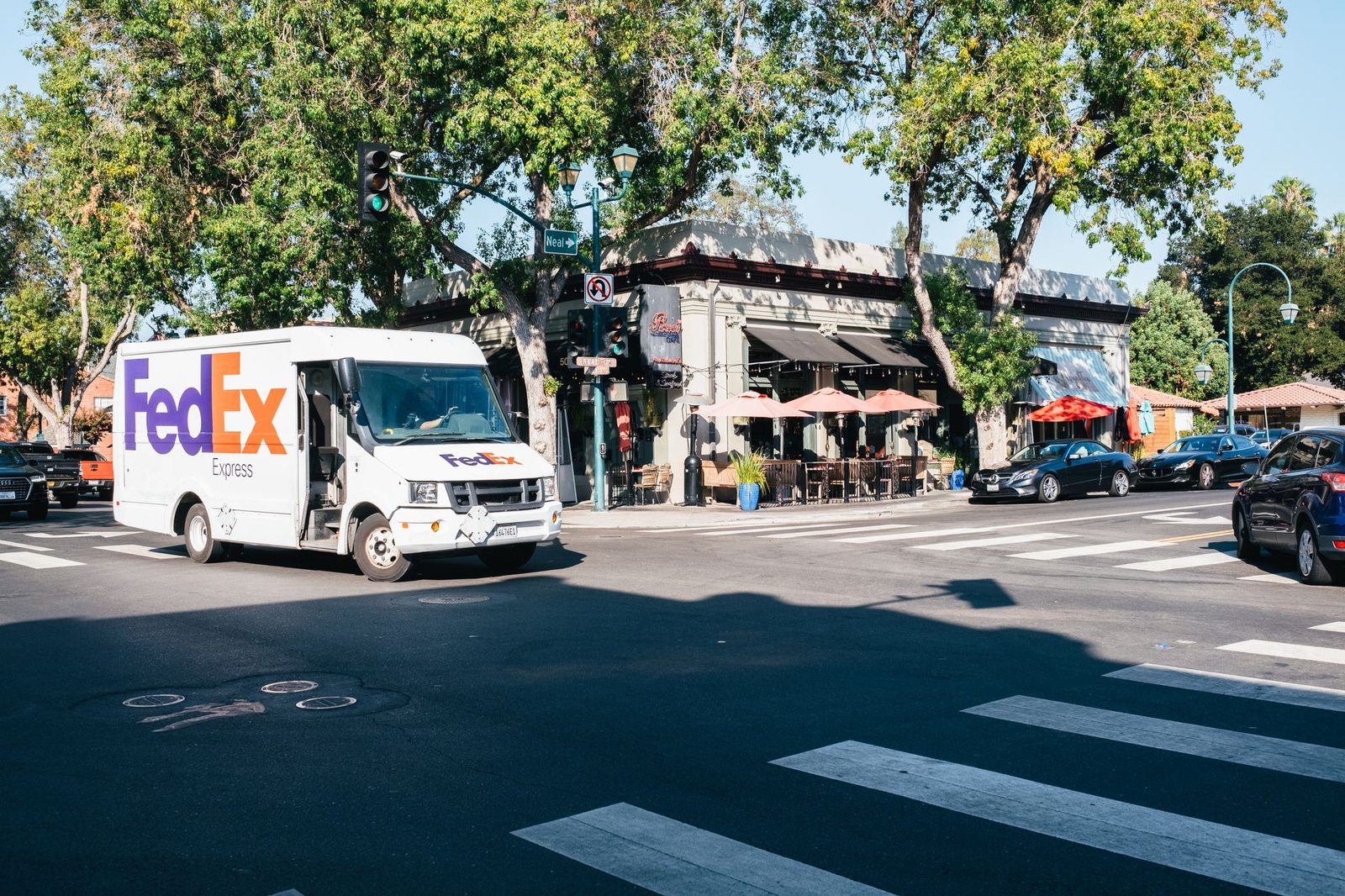
Frequently Asked Questions
What should I do first after a FedEx truck hits a cyclist?
Get medical care right away. Follow your doctors’ care plan. Then write down what happened while it is fresh in your mind.
What if the FedEx driver says I was at fault?
Florida uses a shared-fault rule. It weighs each party’s share under § 768.81. A lawyer can review the evidence with you.
How long do I have to file a claim?
Florida generally gives two years for negligence claims. Deadlines apply. Contact a lawyer promptly.
Does PIP pay my bills?
PIP may pay part of your medical costs and lost income, regardless of fault, within set limits.
Can a family bring a claim after a fatal crash?
Florida’s wrongful death law allows certain family members to bring a claim.
If a FedEx truck hit you or someone you love, you may have a claim. You do not have to sort out the next steps alone.
Igor Hernandez is the lawyer responsible for this page. CHG Personal Injury Lawyers is Florida-based. Request a free case evaluation. The first consultation is free and confidential, with no obligation to continue.
Why Injured People and Families Call CHG Personal Injury Lawyers
Licensed Florida Attorneys
Our attorneys are licensed to practice law and admitted to The Florida Bar, and we represent clients throughout Florida.
Florida-Based Firm
We understand Florida roads, Florida law and the communities we serve, from Miami and Orlando to Tampa and Jacksonville.
No Fees Unless There Is a Recovery
CHG charges no attorney's fees and no case costs unless there is a recovery.
Compassionate, Plain-Language Guidance
We explain each step clearly, so you can make informed decisions while you focus on your health and your family.
Before You Speak With the Delivery Company's Insurer
Insurance adjusters may contact you quickly and ask for a recorded statement. Speak with a lawyer before you give a statement or sign any release.
What to Do After a FedEx Truck Crash
Get Medical Care
Seek medical attention right away, even if your injuries seem minor, and follow your doctors' care plan.
Document the Scene
If you are able, photograph the location, the truck, your injuries and any visible damage to your bicycle or property.
Gather Witness Information
Write down names and phone numbers of anyone who saw the crash, and note the time, weather and traffic conditions.
Contact a Lawyer
Reach out to our Florida team to review your situation. The first consultation is free, confidential and comes with no obligation to continue.