
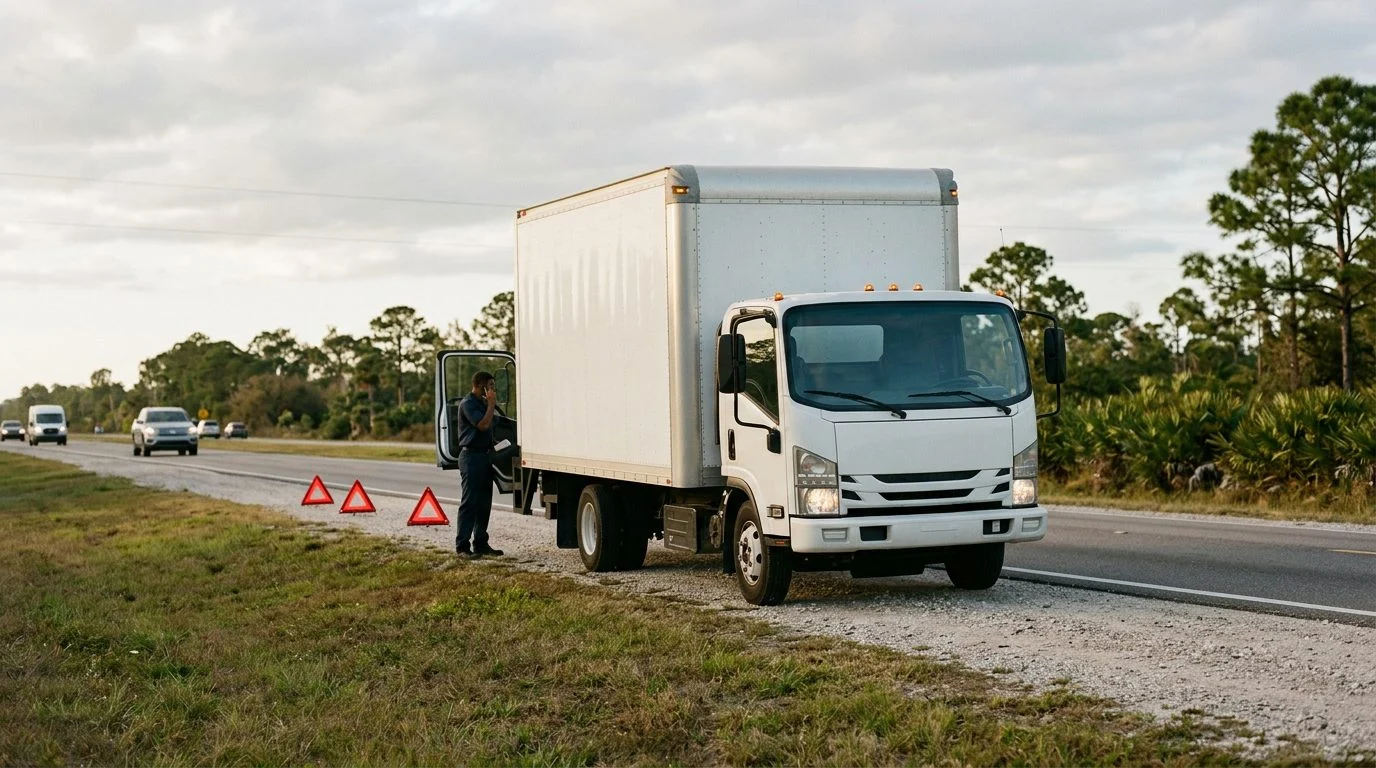
Truck Accidents | Serving Florida
Hurt in a Crash With a FedEx Contractor Driver? You May Have Options.
A contractor label does not automatically end an injury claim. CHG Personal Injury Lawyers is a Florida-based firm that handles truck and delivery crashes and helps families understand who may be responsible.
Why Injured Floridians Call CHG
Florida
Florida-based personal injury firm
Licensed
Attorneys admitted to The Florida Bar
Free
Confidential first consultation, no obligation
By CHG Lawyers · Published November 4, 2026
Quick Answer: Can You Still Recover When the FedEx Driver Is a Contractor?
A contractor label does not automatically end a claim, although the result depends on the facts of each case.
The key questions are these:
- Who controlled the driver?
- Who owned the truck?
- Which parties may share responsibility for the crash?
This page is for people hurt in a crash with a FedEx delivery truck. It is also for families whose loved one died in one. It explains FedEx contractor driver accident liability in plain language.
Every case depends on its facts. The details of your crash matter.
If a FedEx truck crash left you or someone you love hurt, you may have a claim against more than one party. Reach out to our team and we'll walk you through your options. Talk it through with our team — the first consultation is free, confidential, and carries no obligation.

Why the Driver’s Status Matters: Employee or Independent Contractor?
The driver’s status helps decide which company answers for the driving.
An independent contractor runs their own business. That is why the label is often fought over.
Courts look at control, not just paperwork. They ask:
- Who set the routes and delivery schedule?
- Who required the uniform and vehicle?
- Who set the delivery standards?
That is why this question comes up often.
Two paths can still reach a company:
Federal rules put duties on motor carriers. Motor carriers are trucking companies. A carrier must require its drivers to follow the duties and prohibitions that apply to them (49 C.F.R. § 390.11).
Who Else May Be Responsible After a FedEx Truck Crash
More than one party can share responsibility for one crash.
The driver is the first. Examples include speeding, distraction, or fatigue (tiredness).
Other parties may include:
- The contracted delivery business that employs the driver and runs the route.
- The truck’s owner.
- Maintenance providers, if brake, tire, or equipment failures played a role.
- The company that chose, trained, or kept the driver. These are negligent hiring, retention, or supervision claims. They say the company was careless in hiring, keeping, or supervising the driver.
Common Causes of Delivery Truck Crashes and How They Connect to Liability
Most delivery truck crashes trace back to a few causes. Each cause points to a different party.
- Distracted driving, including phone use and in-cab screens, points to the driver.
- Impossible delivery schedules can push drivers to speed, skip rest, or rush stops. This points to the company that sets the schedule.
- Blind spots and backing-up crashes near homes and businesses can point to the driver and to training.
- Stop-and-go driving with frequent stops can raise questions about route design and driver conduct.
- Inexperienced drivers placed on routes without enough training point to the company that assigned them.
Federal rules require motor carriers to make drivers record their duty status for each 24-hour period. Duty status shows whether a driver was working, driving, or resting. Under federal rules, carriers record duty status electronically, and paper-grid recording is allowed only in limited circumstances, such as certain vehicles manufactured before model year 2000 (49 C.F.R. § 395.8).
These records can show whether drivers were overworked.
Florida Rules That Shape a FedEx Truck Claim
Florida uses a comparative fault rule (Fla. Stat. § 768.81(6)). This rule can block a claim in a negligence action if the injured person is found to be greater than 50 percent at fault for their own harm, but it does not apply to personal injury or wrongful death actions arising out of medical negligence under chapter 766.
Under Fla. Stat. § 768.81, in a negligence action, a party found more than 50 percent at fault for their own harm may not recover any damages; this does not apply to personal injury or wrongful death actions arising out of medical negligence under chapter 766.
Florida also sets time limits for filing lawsuits. Fla. Stat. § 95.11 covers these limits. Deadlines apply to actions other than for recovery of real property. Acting early protects your options.
After an injury crash, a Florida Traffic Crash Report must be submitted. It is due within 10 days after the officer finishes the investigation (Fla. Stat. § 316.066). Under Fla. Stat. § 316.066(1)(b), the parties involved in a crash, their legal representatives, and their insurers may be given access to the crash report, but it may not be redistributed to any person or entity the statute does not list.
Florida also requires personal injury protection (PIP) benefits (Fla. Stat. § 627.736).
- PIP is insurance that pays some medical bills and lost income.
- Its role should be reviewed early.
Finally, a release is a signed paper that gives up a legal claim. A release signed with one party does not release the others unless its terms say so (Fla. Stat. § 768.31). Under Fla. Stat. § 768.31(5)(a), a release or covenant not to sue given in good faith to one of two or more persons liable for the same injury or wrongful death does not discharge the others unless its terms so provide, but it reduces the claim against the others by the greater of the amount stipulated in the release or covenant or the consideration paid for it. Read any settlement paper closely.
Evidence That Shows Who Is Responsible
Early evidence often decides who gets named in a claim. Evidence can disappear quickly. Preserve what you can.
- Driver logs and hours data, including electronic logs and duty-status records.
- Dispatch, GPS, and delivery schedules that show timing and route pressure.
- Route assignments and contracts between the driver’s business and the delivery company.
- Maintenance and inspection records and electronic data from the truck.
- Dashcam or surveillance footage, photos from the scene, and witness names.
- The police crash report, plus insurance information for each party.
- Medical records that connect your injuries to the crash. Follow your doctors’ care and keep every record.
Save texts, emails, and delivery app messages too. Small details often show who knew what, and when.
Not sure what your next step is?
Talk it through with our team — the first consultation is free, confidential, and carries no obligation.
What Damages May Be Recoverable After a FedEx Truck Crash
Damages cover money losses and human losses. Each claim is different. No outcome can be promised.
- Medical expenses, past and future, including rehabilitation and medical equipment. For bills already paid, Florida limits proof to the amount actually paid, whatever the payment source (Fla. Stat. § 768.0427).
- Lost income and reduced earning capacity. Earning capacity means your ability to earn money in the future.
- Pain and suffering, disability, disfigurement, and loss of enjoyment of life.
- Wrongful-death claims for families of someone killed in a crash. The family brings this claim after a death. Florida’s wrongful-death statute lists losses survivors may recover, including lost support and services (Fla. Stat. § 768.21).
How CHG Personal Injury Lawyers Handles These Claims
Our process starts with a free, confidential, no-obligation first consultation. From there, the steps usually look like this:
- Initial consultation. You describe the crash, your injuries, and any papers you have.
- Investigation. We review the driver’s status, the company’s control, the truck’s owner, and the evidence listed above.
- Preservation and claims. We send letters asking parties to keep evidence. We bring claims against each responsible party on timelines Florida law sets.
- Resolution. We negotiate, and if needed we litigate. We keep you informed at each stage.
We represent people throughout Florida, including in Miami, Orlando, Tampa, and Jacksonville. Our lawyers are admitted to The Florida Bar. Igor Hernandez is the responsible lawyer for this page.
Some matters may be handled together with, or referred to, another law firm. If that happens in your case, we will tell you.
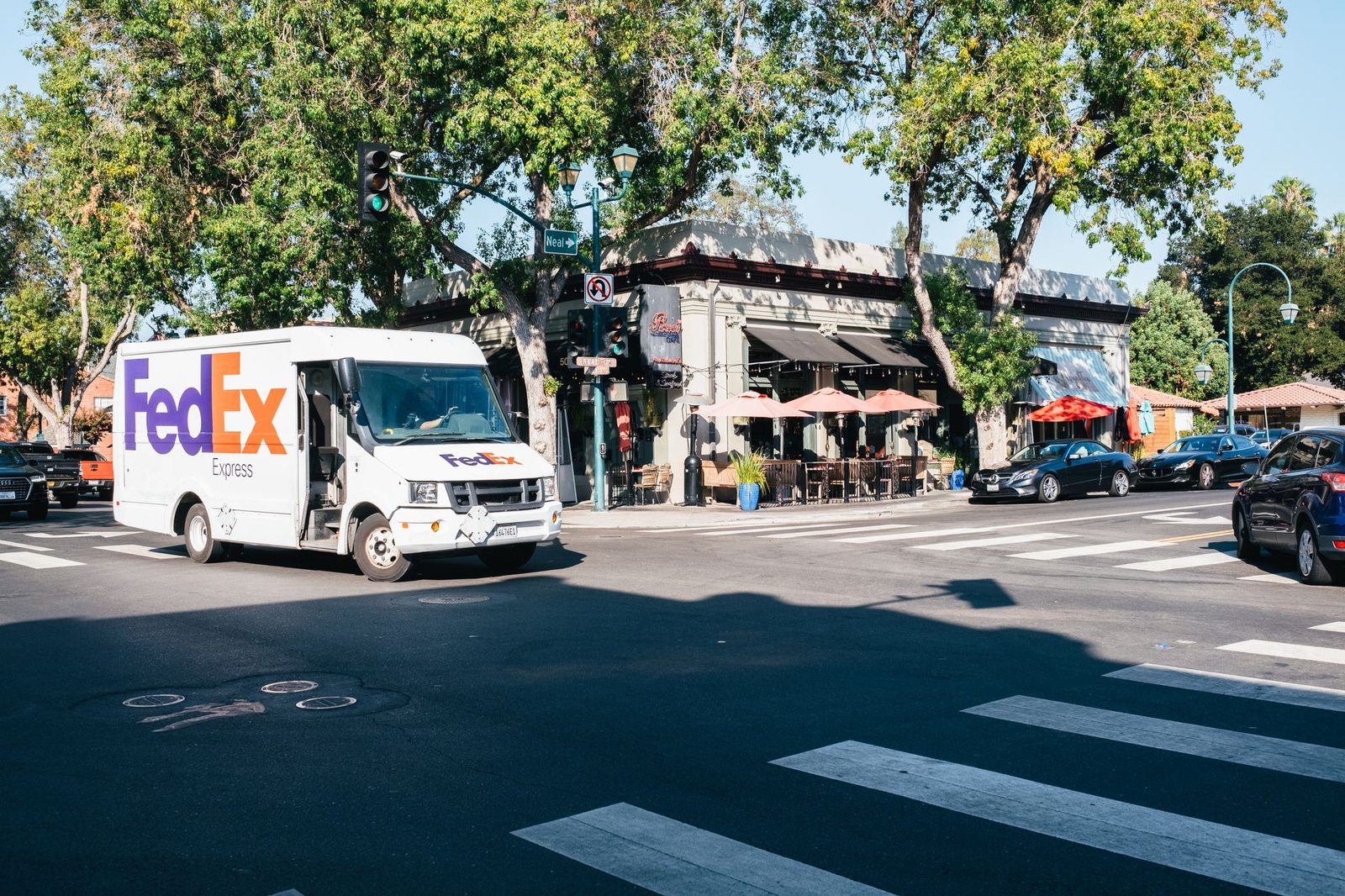
Frequently Asked Questions About FedEx Contractor Driver Liability
Can I sue FedEx if the driver is an independent contractor?
Possibly. A contractor label does not automatically end a claim. Control and the company’s own conduct matter.
Does it matter who owns the truck?
It can. Florida law can make a vehicle owner answerable when someone drives it with permission.
How long do I have to file?
Under Fla. Stat. § 95.11, a lawsuit founded on negligence generally must be filed within two years. Deadlines apply, so contact the firm promptly. Acting early protects your options.
What if I was partly at fault?
Florida’s comparative fault rule bars recovery if you are more than 50 percent at fault for your own harm.
What if my loved one died?
Florida’s wrongful-death statute lets certain survivors recover losses. These include lost support and, for a spouse, loss of companionship.
How much does it cost?
CHG charges no attorney’s fees and no case costs unless there is a recovery.
If a FedEx truck crash has left you or someone you love facing medical bills and hard choices, you may have a claim against more than one party. Send us a message through our contact page. We’ll talk through your options and the next steps.
How We Approach a Delivery Truck Case
Looking Beyond the Label
We review how the driver worked, what the delivery company required, and who controlled the route, schedule and vehicle.
Identifying Every Potentially Responsible Party
Depending on the facts, responsibility may extend beyond the driver to the delivery company, the vehicle owner or others.
Focused on Your Recovery
Our team keeps your medical needs, your family and your daily life at the center of every decision.
No Fees Unless There Is a Recovery
CHG charges no attorney's fees and no case costs unless there is a recovery. Your first consultation is free and confidential.
Time Matters
Deadlines apply to injury claims in Florida, and crash evidence such as dashcam footage, electronic logs and witness statements can be lost. Contact us promptly so we can begin preserving it.
Steps to Take After a Crash
Get Medical Care
Seek treatment right away and follow your doctors' care, even if your injuries seem minor at first.
Document the Scene
Photograph vehicles, plates, the company logo, road conditions and any injuries if you are able to do so safely.
Keep Your Records
Save the police report, insurance letters, bills and notes about how the crash has affected your daily life.
Call a Florida Firm
Speak with CHG Personal Injury Lawyers for a free, confidential consultation before you give recorded statements to any company.