
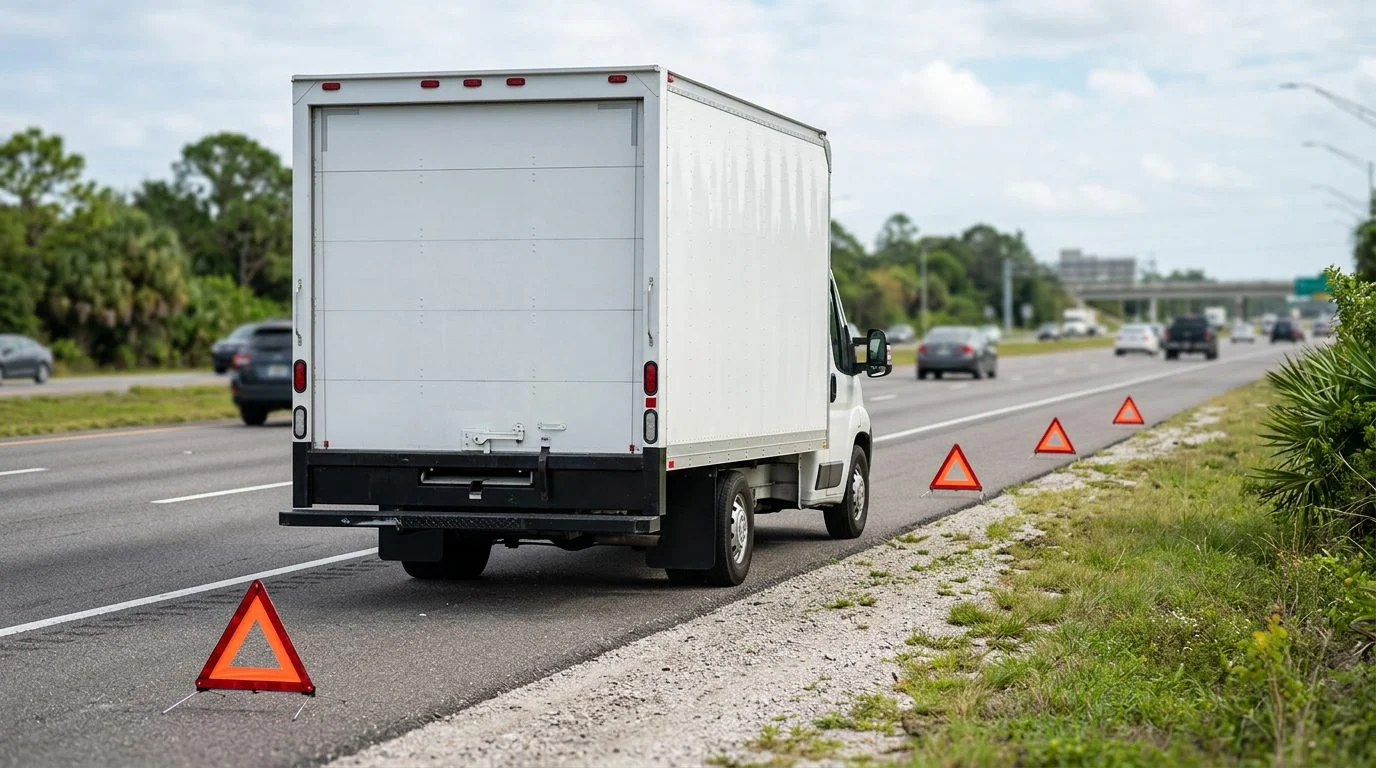
FedEx Truck Accidents | Serving Florida
Hurt in a FedEx Delivery Van Crash? Find Out Who May Be Responsible
A delivery van collision can leave your family facing medical bills, lost income, and lasting injuries. CHG Personal Injury Lawyers, a Florida firm, helps injured people and their families understand who may be responsible and what steps to take next.
By CHG Lawyers · Published November 3, 2026
When a FedEx delivery van hurts someone, the first question is often: who is responsible? Often, more than one party is responsible. The paperwork behind the van can matter as much as the driver. This page explains how these claims work in Florida. It also explains what to do now.
What a FedEx Delivery Van Accident Claim Is and Who It Is For
A FedEx delivery van accident claim is a personal injury or wrongful death claim. A wrongful death claim is brought by the family after a death. These claims are filed against the people whose negligence caused the crash.
Negligence means failing to use reasonable care. Examples include driving while distracted or loading a route with unsafe schedules.
These claims are for people hurt in a delivery van crash. That includes drivers, passengers, pedestrians, and cyclists. It also includes family members of someone who died.
Florida law allows a family to bring a wrongful death claim. This applies when someone’s wrongful act or negligence causes a death. The Fla. Stat. 768.19 statute sets out that right.
A compensation claim is different from an insurance claim for vehicle damage or medical bills. Each claim can involve different parties. Each can also have different timing.
If a FedEx delivery van was involved in a crash that hurt you or someone you love, you may have a claim. Our team can review the facts in a free, confidential consultation. Talk it through with our team — the first consultation is free, confidential, and carries no obligation.
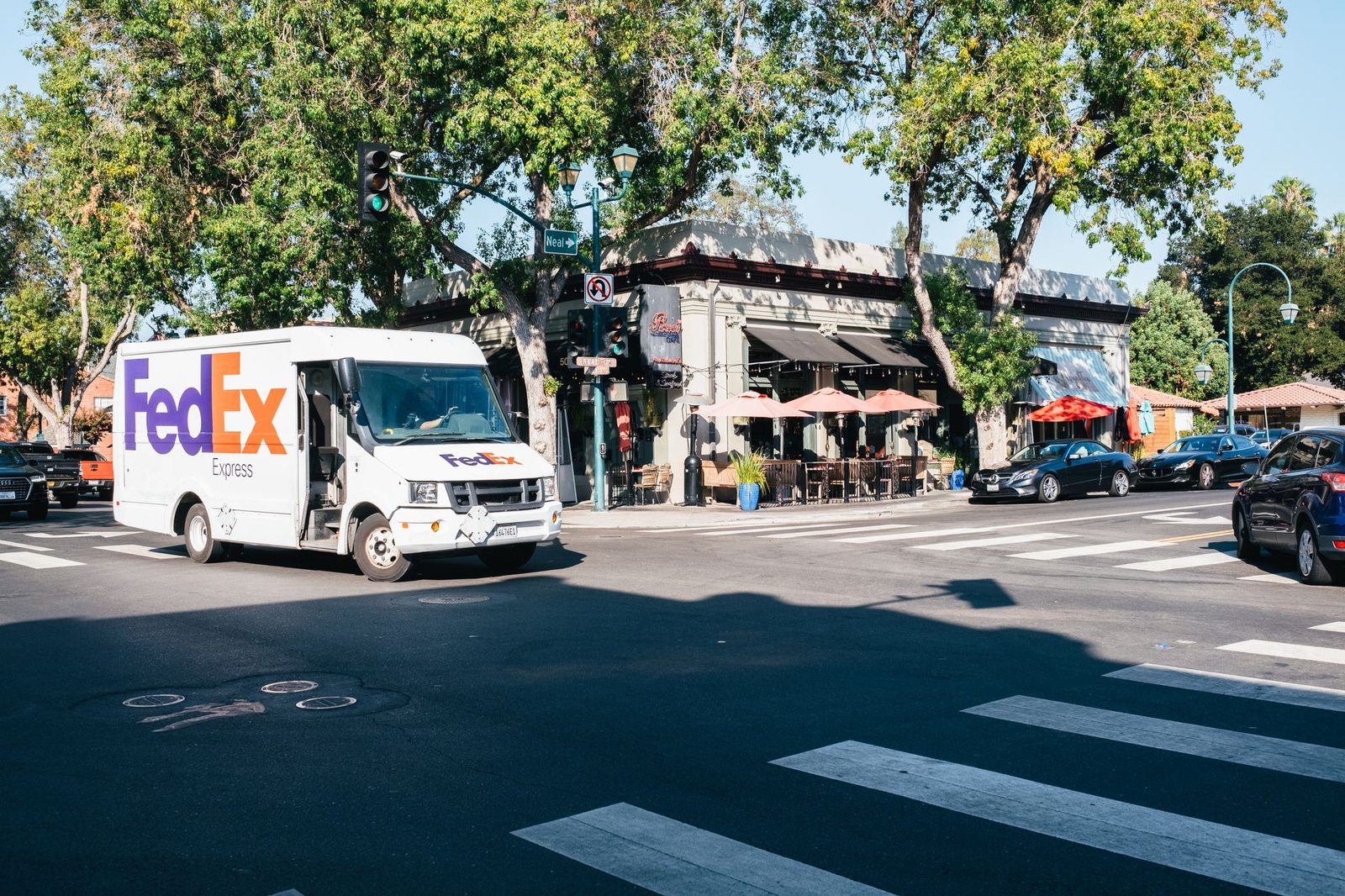
Why the Contract Structure Often Decides Who May Be Liable
The contract behind a delivery van often shapes who may be liable. “Liable” means legally responsible for the harm. This can matter more than the logo on the door.
A van with FedEx markings may be driven by an employee of a separate delivery company or service provider.
In a common arrangement, the contractor hires, pays, and schedules the driver. Other companies may also be part of the branding and delivery network.
A contractor label on paperwork is only one piece of the picture. Investigators look at who actually directed the work. They also look at who set the routes. They look at who trained and supervised the driver.
The U.S. Supreme Court addressed a similar chain in 2026. In Montgomery v. Caribe Transport II, the Court held that a state-law negligent-hiring claim was not preempted by federal law. “Preempted” means blocked by federal law. A negligent-hiring claim says a company was careless in choosing who to hire. Here, the claim targeted a broker who chose an unsafe carrier. The ruling shows why the choices made along the chain matter.
Parties Who May Share Responsibility in a Florida Delivery Van Crash
More than one party can share responsibility for a delivery van crash. The roles often become clear only after an investigation. Possible parties include:
- The driver: distraction, speeding, fatigue, or failing to yield.
- The delivery contractor: decisions about hiring, training, supervision, or unsafe delivery schedules.
- The vehicle owner: who owns, controls, and maintains the van can matter.
- Maintenance or repair companies: work that was done poorly or not done at all.
- FedEx itself: its role depends on how the delivery network is set up.
Florida courts do not combine fault into one shared bill. A judgment is the court’s final decision. Each judgment is based on that party’s percentage of fault.
That is why the firm reviews each possible party before a claim is filed.
Evidence to Preserve and How to Report the Driver
Evidence saved early makes it easier to show what happened. Start with what you can safely do at the scene.
- Photograph the van’s markings, company name, license plate, damage, and the scene.
- Get the names and phone numbers of any witnesses.
- Write down the time, the route, the van number, and any driver or company name you saw.
- Ask the officer to record the vehicle’s company details in the report.
Florida requires a long-form crash report after an investigation of a crash involving injury. The report must be completed and submitted within 10 days after the investigation is completed.
Access requires valid identification and a signed sworn statement. A sworn statement is a written statement signed under oath.
Later, a lawyer may request:
- Delivery scan records
- GPS or telematics data (location and vehicle data sent from the van)
- Dashcam footage (video from a camera mounted in the van)
- Driver logs
- Maintenance records
- The contract between the companies
To report a safety concern, tell the police at the scene. Keep a written record of what you reported, to whom, and when.
Florida Deadlines and How Shared Fault Works
Florida sets time limits for filing an injury lawsuit. These are called statutes of limitations. The state’s limitations statute, Fla. Stat. 95.11, sets them.
Insurance talks are not the same as filing a lawsuit. Do not assume that talking with an insurer protects your time to file.
Florida also limits recovery when the injured person shares fault. Florida’s comparative fault statute, Fla. Stat. § 768.81(6), provides that in a negligence action to which the section applies, any party found to be greater than 50 percent at fault for his or her own harm may not recover any damages, meaning that person cannot be awarded money for the harm. This rule does not apply to personal injury or wrongful death claims arising out of medical negligence under chapter 766.
Because fault can be split among several parties, each share matters. Contact a lawyer early. An early start helps save evidence and track deadlines from the beginning.
What to Expect: The Step-by-Step Claim Process
A typical claim moves in steps. It starts with a free consultation. Then comes investigation, a demand to insurers, and, if needed, a lawsuit. A “demand” is a formal written request for payment.
- Consultation: A free, confidential review of the crash facts, injuries, and the companies involved.
- Investigation: Requests for the crash report, medical records, and the evidence listed above.
- Insurance notice and demand: Written notice to the responsible insurers and a demand for compensation.
- Negotiation: Talks with insurers and the other parties. If needed, a lawsuit is filed in the proper Florida court.
- Resolution: A settlement or trial. You are kept informed at each stage.
Florida’s required personal injury protection (PIP) coverage can help with early bills. PIP is insurance that pays some early medical and disability benefits. Under Fla. Stat. 627.736, an insurance policy must provide personal injury protection to the named insured, relatives residing in the same household unless excluded under s. 627.747, persons operating the insured motor vehicle, passengers in the motor vehicle, and other persons struck by the motor vehicle and suffering bodily injury while not an occupant of a self-propelled vehicle, with a limit of $10,000 in medical and disability benefits and $5,000 in death benefits. This applies when initial care starts within 14 days after the crash.
Follow your doctors’ advice about care.
Timelines vary with the injuries, the number of parties, and the court schedule. No outcome or timeline can be promised.
Not sure what your next step is?
Talk it through with our team — the first consultation is free, confidential, and carries no obligation.
Fees, Costs, and Why CHG Personal Injury Lawyers
CHG Personal Injury Lawyers charges no attorney’s fees and no case costs unless there is a recovery.
The firm is Florida-based. It serves clients in communities such as Miami, Orlando, Tampa, and Jacksonville. Igor Hernandez is the responsible lawyer for this page. The firm’s lawyers are licensed to practice law and admitted to The Florida Bar.
The firm handles truck accidents, car accidents, catastrophic injuries, wrongful death, and other personal injury cases. Each case is reviewed on its own facts.
Frequently Asked Questions
How do I report a FedEx delivery driver?
Write down the van number, company name, time, and location. Then tell the police at the scene. Keep a written record of your report.
Can FedEx be responsible if the driver works for a contractor?
It can be. This depends on the contracts and on who controlled the work. The firm reviews each party before a claim is filed.
How is the value of a delivery van injury claim determined?
Value depends on the injuries, medical costs, lost income, evidence of fault, and available insurance. No amount can be promised in advance.
Does my own auto insurance cover this?
Your own policy may include personal injury protection. The other driver’s insurance may also apply. Have your policy reviewed promptly.
What if I was partly at fault?
Fault is measured case by case.

Talk With a Florida Lawyer About Your Delivery Van Crash
You may be dealing with pain, missed work, and insurance calls. You may also be doing this on behalf of someone you love. That is a lot to carry at once.
If you do not yet know which company employed the driver or who owns the van, a review of the crash report and available records can help. Contact CHG Personal Injury Lawyers for a free, confidential consultation, with no obligation to continue.
Be Careful With Insurance Calls
An insurance adjuster may contact you soon after a crash, sometimes within hours. Before you give a recorded statement or sign anything, talk with an attorney about how the claim may be handled.
What to Do After a FedEx Van Accident
Get Medical Care
See a doctor right away, even if your injuries seem minor. Some serious injuries, including brain and back injuries, may not show symptoms until later. Follow your doctors' care plan.
Record the Details
Write down the van number, the driver's name if you have it, the company name, the time, and the location. Take photos of the vehicles, the road, and your injuries if you are able.
Gather Witness Information
Ask for names and phone numbers of anyone who saw the crash. Their accounts can matter when responsibility is disputed.
Speak With Our Team
Keep copies of police reports, medical records, and bills. Contact CHG Personal Injury Lawyers to review your situation in a free, confidential consultation.
Why Injured Families Contact CHG
Florida-Based
Our firm serves people injured across Florida, including Miami, Orlando, Tampa, and Jacksonville.
Licensed Florida Attorneys
Igor Hernandez and our lawyers are licensed to practice law in Florida and admitted to The Florida Bar.
Free Consultation
Your first consultation is free, confidential, and comes with no obligation to continue.
No Fees Unless There Is a Recovery
CHG charges no attorney's fees and no case costs unless there is a recovery.